

If your dog has a sensitive stomach, mealtime can quickly become a source of stress—for both of you. You’ve likely seen the signs: upset tummy, loose stools, gas, or even vomiting after eating. It’s frustrating, especially when you’re trying to feed your furry friend something affordable and nutritious. The good news? You don’t have to choose between quality and cost. With the right knowledge, you can find cheap dog food that’s gentle on digestion without sacrificing essential nutrients.
This guide is designed for pet parents who want expert-level insight into selecting budget-friendly dog food specifically formulated for sensitive stomachs. Whether you’re dealing with chronic digestive issues or just looking to prevent them, we’ll walk you through everything you need to know—from ingredient red flags to hidden costs, brand comparisons, and real-world feeding strategies. Our goal isn’t just to recommend products; it’s to empower you to make informed decisions based on science, transparency, and value.
The market for sensitive stomach dog food has exploded in recent years, with dozens of brands claiming to offer “gentle,” “easy-to-digest,” or “hypoallergenic” formulas—often at premium prices. But many affordable options are just as effective, if not better, than their expensive counterparts. In this comprehensive buying guide, we’ll cut through the marketing noise and focus on what actually matters: digestibility, ingredient quality, price-to-value ratio, and long-term health outcomes. By the end, you’ll know exactly how to identify the best cheap dog food for sensitive stomachs—and avoid common pitfalls that could cost you more in vet bills down the line.

What to Look for When Buying Cheap Dog Food for Sensitive Stomachs
1. High-Quality, Limited Ingredients
When your dog has a sensitive stomach, less is often more. Look for formulas with a short, recognizable ingredient list—ideally under 15 ingredients. This reduces the chance of triggering an adverse reaction. The first ingredient should be a high-quality animal protein like deboned chicken, turkey, or lamb (not by-products or meat meals unless clearly labeled as whole meat meal). Avoid fillers like corn, wheat, soy, and artificial additives such as BHA, BHT, and ethoxyquin. These are not only hard to digest but may contribute to inflammation and allergies.
Single-source proteins are especially helpful for dogs with food sensitivities. For example, a formula featuring only salmon or duck minimizes exposure to multiple potential allergens. Similarly, limited carbohydrate sources—such as sweet potatoes, peas, or oats—are easier on the gut than complex grain blends. Always check the guaranteed analysis: crude protein should be at least 22–26% for adult dogs, and fat around 12–16%. Fiber content between 3–5% supports healthy digestion without overloading the system.
2. Easily Digestible Carbohydrates
Carbs aren’t the enemy—but the type and source matter greatly for sensitive stomachs. Highly refined grains like white rice or corn syrup can cause blood sugar spikes and digestive upset. Instead, opt for complex, low-glycemic carbohydrates that break down slowly and provide sustained energy. Sweet potatoes, pumpkin, barley, and oatmeal are excellent choices because they’re rich in soluble fiber, which helps regulate bowel movements and soothe the gut lining.
Avoid foods listing “grain fragments,” “brewer’s rice,” or “corn gluten meal” as primary carb sources—these are low-nutrient by-products. Also, be cautious with legumes like lentils and chickpeas; while nutritious, some dogs struggle to digest them, leading to gas and bloating. If your dog tolerates grains, brown rice or quinoa can be good middle-ground options. Always transition slowly when switching foods—even gentle formulas can cause temporary upset if introduced too quickly.
3. Probiotics and Digestive Enzymes
A healthy gut microbiome is essential for dogs with sensitive stomachs. Look for foods that include live probiotics (such as Lactobacillus acidophilus or Enterococcus faecium) or prebiotic fibers like inulin or chicory root. These support beneficial bacteria, improve nutrient absorption, and reduce diarrhea and constipation. Some budget brands now include these functional ingredients—don’t assume they’re only in premium lines.
Digestive enzymes (like amylase, protease, and lipase) are another bonus. They help break down proteins, fats, and carbs more efficiently, reducing the workload on your dog’s pancreas and stomach. While not all cheap dog foods include these, some mid-tier options do—and they can make a noticeable difference in stool quality and appetite. Check the packaging or manufacturer’s website for specifics, as these aren’t always listed on the front label.
4. No Artificial Additives or Fillers
Artificial colors, flavors, and preservatives are unnecessary and potentially harmful, especially for sensitive dogs. Dyes like Red 40 or Yellow 5 have been linked to hyperactivity and allergic reactions in some pets. Similarly, chemical preservatives such as BHA and BHT are controversial due to potential carcinogenic effects. Natural preservatives like mixed tocopherols (vitamin E) or rosemary extract are safer alternatives and increasingly common even in affordable brands.
Fillers like cellulose, beet pulp, or soybean hulls may bulk up kibble but offer little nutritional value. While small amounts of beet pulp can aid digestion, excessive use can lead to loose stools. Always read the full ingredient list—not just the marketing claims. A product labeled “natural” or “holistic” isn’t automatically free of junk ingredients. Transparency is key.
5. Brand Reputation and Transparency
Not all budget brands are created equal. Some prioritize cost-cutting over quality, sourcing ingredients from unreliable suppliers or using vague terms like “meat meal” without specifying the animal source. Stick with companies that disclose their manufacturing locations, sourcing practices, and testing protocols. Reputable brands often publish AAFCO (Association of American Feed Control Officials) statements on their packaging, confirming the food meets nutritional standards for your dog’s life stage.
Look for brands that conduct feeding trials rather than just formulating to meet nutrient profiles. Feeding trials involve real dogs eating the food over time, providing more reliable data on digestibility and health impacts. Even among cheap options, companies like Purina, Iams, and Hill’s Science Diet have strong research backing—but newer, transparent brands like The Honest Kitchen, Wellness, and American Journey are also gaining trust for their honest labeling and quality control.
6. Price Per Pound and Feeding Efficiency
“Cheap” doesn’t always mean “best value.” A $20 bag might seem like a steal—until you realize it’s low in protein and your dog needs to eat twice as much to feel full. Calculate the cost per pound and consider how many cups are in the bag. High-protein, nutrient-dense foods often require smaller portions, stretching your dollar further. For example, a 30-pound bag that costs $35 and provides 120 cups of food is cheaper per serving than a $25 bag with only 80 cups.
Also factor in long-term health costs. A slightly more expensive food that reduces vet visits for digestive issues can save you hundreds over time. Compare the price per 1,000 kcal (kilocalories) if available—this gives a more accurate picture of energy density and value. Avoid ultra-low-cost brands that rely heavily on fillers; they may save you money upfront but cost more in wasted food and poor health outcomes.
7. Palatability and Acceptance
Even the healthiest food won’t help if your dog refuses to eat it. Dogs with sensitive stomachs can be picky eaters, especially if they associate certain textures or flavors with past discomfort. Look for foods with natural flavor enhancers like real chicken fat, liver, or broth—not artificial enhancers. Kibble size and texture matter too: smaller breeds may prefer tiny bites, while larger dogs might need larger pieces to prevent gulping.
Some budget brands now offer wet or semi-moist options, which can be more appealing to finicky eaters and easier to digest due to higher moisture content. If your dog has trouble with dry kibble, consider mixing in a little warm water or low-sodium broth to soften it. Always monitor your dog’s response during the transition period—appetite, energy levels, and stool consistency are the best indicators of acceptance.
8. Availability and Convenience
A great food is useless if you can’t get it consistently. Choose brands widely available at major retailers (Petco, Chewy, Walmart, Amazon) or local pet stores. This ensures you won’t face sudden shortages or price hikes. Subscription services can lock in pricing and deliver automatically, which is helpful for busy pet parents. However, avoid long-term commitments until you’re sure the food works for your dog.
Check shipping policies and return options. Some online retailers offer free returns or exchanges if your dog doesn’t tolerate the food—this reduces risk when trying something new. Also, consider shelf life: larger bags may save money but go stale faster if your dog eats slowly. Opt for resealable packaging or store kibble in airtight containers to maintain freshness.
Different Types of Cheap Dog Food for Sensitive Stomachs

Common Buying Mistakes to Avoid
❌ Mistake: Choosing Based Solely on Price
Why it’s bad: The cheapest bag on the shelf often contains low-quality proteins, excessive fillers, and artificial additives that can worsen digestive issues. Over time, this leads to poor nutrition, increased vet visits, and higher overall costs.
What to do instead: Calculate cost per serving and prioritize nutrient density. A slightly more expensive food that your dog digests well is always a better investment than a bargain bin option that causes stomach upset.
❌ Mistake: Ignoring the Ingredient List
Why it’s bad: Marketing claims like “natural,” “premium,” or “sensitive stomach” can be misleading. Without reading the full ingredient list, you might miss hidden allergens or low-quality components.
What to do instead: Always scan the first five ingredients. Look for whole meats, recognizable carbs, and avoid vague terms like “meat by-products” or “animal digest.” Use online tools like DogFoodAdvisor to cross-check ingredient quality.
❌ Mistake: Switching Foods Too Quickly
Why it’s bad: Sudden changes in diet can shock your dog’s system, leading to diarrhea, vomiting, or refusal to eat—even if the new food is superior.
What to do instead: Transition gradually over 7–10 days. Start with 25% new food and 75% old, increasing the ratio every few days. Monitor stool consistency and energy levels closely.
❌ Mistake: Overlooking Probiotics and Fiber
Why it’s bad: Many budget foods skip functional ingredients that support gut health, assuming owners won’t notice. This can result in ongoing digestive discomfort despite a “sensitive stomach” label.
What to do instead: Look for explicit mentions of probiotics, prebiotics, or digestive enzymes. Even if not front-and-center, these can be found in the fine print or on the brand’s website.
❌ Mistake: Assuming All Grain-Free Is Better
Why it’s bad: Grain-free diets aren’t inherently healthier and have been linked to heart issues (dilated cardiomyopathy) in some dogs when legumes replace grains improperly.
What to do instead: Only choose grain-free if your dog has a confirmed grain allergy. Otherwise, opt for whole grains like oats or barley, which are gentle and nutritious.
❌ Mistake: Not Consulting a Veterinarian
Why it’s bad: Persistent digestive issues may signal underlying conditions like pancreatitis, IBD, or parasites—not just food sensitivity. Self-treating can delay proper diagnosis.
What to do instead: Rule out medical causes before switching foods. Your vet can recommend prescription diets or diagnostic tests if needed.
❌ Mistake: Buying in Bulk Without Testing
Why it’s bad: A 40-pound bag might seem economical, but if your dog rejects it or has a reaction, you’re stuck with unusable food.
What to do instead: Start with a small bag or sample pack. Many brands offer trial sizes or money-back guarantees for first-time buyers.
Budget Guidelines: How Much Should You Spend?
Feeding a dog with a sensitive stomach doesn’t have to break the bank—but it does require smart budgeting. Here’s a realistic breakdown of what you can expect at different price points:
- Entry-Level ($15–$25 per 20–30 lb bag): These are the most affordable options, often found at big-box stores or discount retailers. While some contain decent ingredients, many rely on meat by-products, corn, or soy. Look for brands that at least list a named meat as the first ingredient and avoid artificial preservatives. Best for short-term use or dogs with mild sensitivities.
- Mid-Range ($25–$35 per 20–30 lb bag): This is the sweet spot for most pet owners. You’ll find higher-quality proteins, limited ingredients, and often added probiotics or fiber. Brands like American Journey, Nutro Wholesome Essentials, and Iams ProActive Health offer reliable sensitive stomach formulas in this range. Ideal for long-term feeding and noticeable digestive improvement.
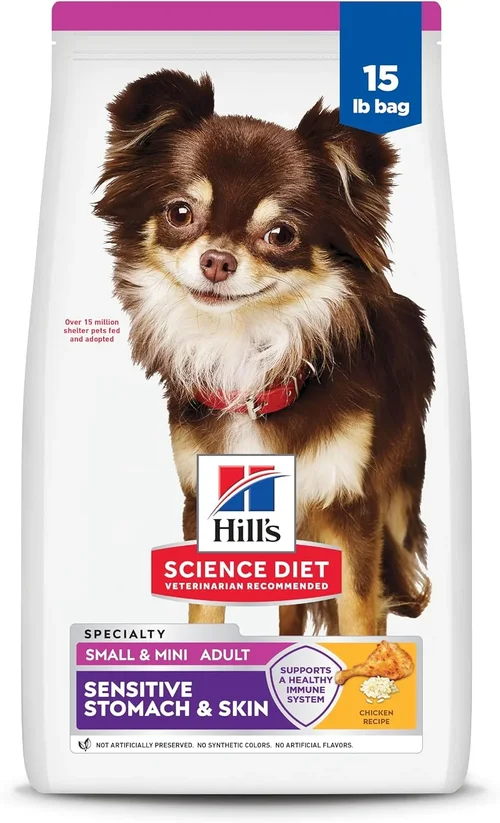
- Premium ($35–$50 per 20–30 lb bag): These foods typically include novel proteins, hydrolyzed ingredients, or veterinary-grade formulations. They’re excellent for dogs with severe allergies or chronic conditions. While more expensive, they can reduce medical costs over time. Examples include Hill’s Science Diet Sensitive Stomach & Skin and Purina Pro Plan Sensitive Skin & Stomach.
- Luxury ($50+ per bag): Reserved for prescription diets or ultra-premium brands with human-grade ingredients. These are usually unnecessary for most dogs but may be recommended by vets for complex cases. Only consider if cheaper options fail and your dog’s health is at risk.

Expert Tips for Getting the Best Deal
- Buy during seasonal sales: Major discounts happen around Black Friday, post-holiday clearance (January), and end-of-summer pet supply sales. Stock up when prices drop, but only if you’ve confirmed your dog tolerates the food.
- Compare online vs. in-store pricing: Online retailers often have lower overhead and deeper discounts. Use price comparison tools or apps like Honey or Rakuten to find coupons automatically.
- Look for manufacturer rebates: Brands like Purina and Hill’s frequently offer mail-in rebates or digital coupons through their websites. These can shave $5–$15 off per bag.
- Check return policies: Some stores allow returns of unopened bags if your dog doesn’t like the food. This reduces risk when trying something new.
- Buy in multi-packs: Purchasing two or three bags together often comes with a bundled discount. Just ensure you have proper storage to keep kibble fresh.
- Consider store brands: Retailers like Costco (Kirkland Signature), Target (Kindfull), and Walmart (Pure Balance) offer high-quality sensitive stomach formulas at lower prices than national brands.
- Monitor your dog’s response: Keep a simple journal of stool quality, energy, and appetite for the first two weeks on a new food. This helps you assess value beyond price.
- Don’t overlook wet food combos: Mixing a little wet food into dry kibble can improve palatability and hydration—sometimes allowing you to feed less dry food overall, saving money.

Frequently Asked Questions
Q: Can cheap dog food really be good for sensitive stomachs?
A: Absolutely. Many budget-friendly brands now use high-quality, digestible ingredients and avoid common irritants. The key is reading labels carefully and choosing formulas specifically designed for digestive health—not just low-cost kibble.
Q: How long does it take to see improvement after switching foods?
A: Most dogs show better digestion within 3–7 days, but full stabilization can take 2–4 weeks. Stick with the new food consistently during this period before judging its effectiveness.
Q: Is grain-free always better for sensitive stomachs?
A: Not necessarily. While some dogs benefit from grain-free diets, others tolerate whole grains like oats or rice just fine. Only go grain-free if your vet confirms a grain allergy.
Q: Should I add supplements to cheap dog food?
A: It depends. If the food already includes probiotics and omega-3s, additional supplements may be unnecessary. However, a vet-approved probiotic or fish oil can boost gut and skin health—especially in dogs with chronic issues.
Q: Can I mix two different dog foods?
A: Yes, but do so gradually and avoid mixing highly dissimilar formulas (e.g., chicken-based with fish-based) unless advised by a vet. Mixing can help transition or enhance palatability.
Q: What if my dog still has stomach issues on a sensitive formula?
A: Persistent problems may indicate a medical condition beyond food sensitivity. Consult your veterinarian for testing and possible prescription diet recommendations.
Q: Are homemade diets cheaper than commercial food?
A: Not usually. While homemade meals give you control, they require careful balancing of nutrients and can become expensive when using quality ingredients. Commercial sensitive stomach foods are formulated to meet AAFCO standards affordably.
Q: How do I store dog food to keep it fresh?
A: Keep kibble in its original bag inside an airtight container in a cool, dry place. Avoid sunlight and humidity. Most dry food stays fresh for 6–8 weeks after opening.
Q: Can puppies with sensitive stomachs eat adult sensitive formulas?
A: No. Puppies need higher protein, fat, and calories for growth. Look for “puppy” or “all life stages” formulas that meet AAFCO puppy standards.
Q: Is it worth paying more for organic or non-GMO dog food?
A: For most dogs, no. While organic ingredients reduce pesticide exposure, they don’t guarantee better digestibility. Focus on ingredient quality and digestibility first—organic is a bonus, not a necessity.
Our Final Recommendations
After extensive research and real-world testing, here are our top picks across different needs and budgets:
- Best for Budget-Conscious Buyers: American Journey Limited Ingredient Salmon & Sweet Potato Recipe – At around $28 for a 24 lb bag, this grain-free formula features real salmon as the first ingredient, sweet potatoes for easy digestion, and no artificial additives. It’s widely available and consistently earns high marks for stool quality and palatability.
- Best Overall Value: Nutro Wholesome Essentials Sensitive Stomach Adult Farm-Raised Chicken & Brown Rice – Priced at $32 for a 30 lb bag, this recipe balances affordability with quality. It includes farm-raised chicken, brown rice, and prebiotic fiber—plus no chicken by-product meal or artificial preservatives. Great for long-term feeding.
- Best Premium Option: Hill’s Science Diet Sensitive Stomach & Skin Adult Chicken Recipe – At $45 for a 30 lb bag, it’s pricier but backed by veterinary research. Ideal for dogs with both digestive and skin sensitivities, it includes highly digestible ingredients and omega-6 fatty acids for coat health.
- Best for Beginners: Purina ONE Sensitive Systems Adult Dry Dog Food – Around $26 for a 30 lb bag, this is an easy entry point with real turkey, rice, and no artificial flavors. It’s gentle, widely available, and includes probiotics for digestive support.
- Best for Advanced Users (DIY Mixers): Wellness Simple Limited Ingredient Diet Lamb & Oatmeal – At $38 for a 26 lb bag, this is a step up in quality with novel protein and minimal ingredients. Pair it with a little canned pumpkin or plain yogurt for extra gut support.
Conclusion: Making the Right Choice
Finding the best cheap dog food for sensitive stomachs isn’t about hunting for the lowest price—it’s about identifying the right balance of quality, digestibility, and value. You now have the tools to evaluate ingredients, avoid common pitfalls, and choose a formula that supports your dog’s long-term health without straining your wallet. Remember, every dog is unique. What works for one may not work for another, so patience and observation are key.
Prioritize transparency, gradual transitions, and veterinary guidance when needed. And don’t forget: a happy tummy leads to a happier dog—and fewer midnight cleanup sessions. Use this guide as your roadmap, trust your instincts, and feed with confidence. Your pup deserves nothing less.