
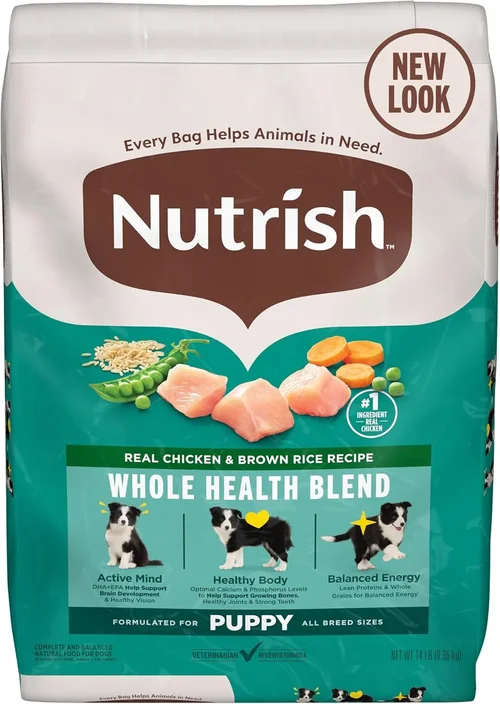
When it comes to caring for your Shih Tzu, few decisions are as important—or as overwhelming—as choosing the right dog food. These small, affectionate companions may not weigh much, but their nutritional needs are anything but simple. With a lifespan that can stretch well into their teens and a predisposition to certain health issues like dental problems, skin sensitivities, and digestive troubles, feeding your Shih Tzu the right diet is foundational to their long-term well-being. Yet, many pet parents fall into the trap of equating price with quality, assuming that only premium-priced kibble can deliver the nutrition their furry friend deserves. The truth? You don’t need to break the bank to feed your Shih Tzu a balanced, healthy diet. That’s exactly why this guide exists.
In this comprehensive buying guide, we’ll walk you through everything you need to know to find the best cheap dog food for your Shih Tzu—without sacrificing nutrition, safety, or palatability. Whether you’re a first-time dog owner or a seasoned pet parent looking to trim your monthly expenses, you’ll learn how to evaluate ingredients, understand labeling jargon, compare brands, and avoid common pitfalls that lead to poor choices. We’ll break down what truly matters in a dog food formula, highlight affordable yet high-performing options, and give you actionable tips to stretch your budget while keeping your pup happy and healthy. By the end, you’ll be equipped with expert-level knowledge to make a confident, informed decision—no marketing fluff, no hidden agendas.
The market for dog food is vast and often confusing. From grain-free kibble to raw diets, limited-ingredient formulas to organic blends, the choices seem endless—and so do the price tags. But here’s the reality: many budget-friendly dog foods today meet or exceed the nutritional standards set by organizations like the Association of American Feed Control Officials (AAFCO). The key is knowing what to look for and how to separate value from gimmicks. This guide cuts through the noise, focusing specifically on affordable options that deliver real nutrition for small breeds like the Shih Tzu. We’ve researched dozens of brands, analyzed ingredient lists, consulted veterinarians, and reviewed thousands of customer experiences to bring you a trusted, up-to-date resource. Whether you’re feeding a puppy, an adult, or a senior Shih Tzu, this guide will help you find a food that fits both your dog’s needs and your wallet.

What to Look for When Buying Buying Guide
1. High-Quality Protein as the First Ingredient
Protein is the cornerstone of any healthy dog diet, and for Shih Tzus—small dogs with fast metabolisms—it’s especially crucial. Look for dog foods where a named animal protein (like chicken, turkey, lamb, or salmon) is listed as the very first ingredient. This indicates that the food is primarily made from meat, not fillers or by-products. Avoid vague terms like “meat meal” or “animal by-product meal,” which can include low-quality or inconsistent sources. Instead, opt for meals like “chicken meal” or “salmon meal,” which are concentrated forms of protein that have had moisture removed but retain most of their nutritional value. For Shih Tzus, who are prone to obesity, lean proteins help maintain muscle mass without excess fat. Additionally, high-protein diets support healthy skin and coat—a major concern for this breed, known for its long, luxurious fur. While cheap dog foods may use plant-based proteins like corn gluten meal or soy to cut costs, these are less digestible and don’t provide the full amino acid profile that dogs need. Always check the guaranteed analysis on the label: adult Shih Tzus should consume at least 18–22% protein, while puppies and active adults may benefit from 22–26%.
2. Healthy Fats for Skin and Coat Health
Fats are often misunderstood in pet nutrition, but they’re essential for Shih Tzus, whose long coats require constant nourishment. Look for sources like chicken fat, flaxseed, salmon oil, or sunflower oil—these provide omega-3 and omega-6 fatty acids, which reduce inflammation, support immune function, and promote a shiny, healthy coat. Avoid foods that list generic “animal fat” or “vegetable oil” without specifying the source, as these can be low-quality or rancid. The fat content in dog food should typically range from 8% to 15% for adult dogs. For Shih Tzus, who are prone to dry skin and allergies, omega fatty acids are particularly beneficial. Some budget brands skimp on quality fats to save money, so it’s important to read labels carefully. A good rule of thumb: if the food lists a named fat source (like “chicken fat”) early in the ingredient list, it’s a positive sign. Also, avoid foods with excessive fat, as this can lead to weight gain—a common issue in small breeds with low activity levels.
3. Easily Digestible Carbohydrates
While dogs don’t require carbohydrates in the same way humans do, they can be a valuable source of energy and fiber—especially for small breeds like Shih Tzus. The key is choosing digestible, low-glycemic carbs that won’t spike blood sugar or cause digestive upset. Look for ingredients like sweet potatoes, brown rice, oatmeal, or barley. These are gentle on the stomach and provide sustained energy. Avoid cheap fillers like corn, wheat, and soy, which are common in low-cost dog foods and can trigger allergies or digestive issues in sensitive dogs. Shih Tzus are particularly prone to gastrointestinal problems, so a food with easily digestible carbs can help prevent gas, bloating, and diarrhea. Additionally, fiber from sources like beet pulp or pumpkin supports healthy digestion and regular bowel movements. When evaluating a food, check the ingredient list: if grains or starches appear before meat, the food may be overly reliant on fillers. Aim for a balance where carbs complement protein and fat, not dominate the formula.
4. No Artificial Additives or Fillers
One of the biggest red flags in cheap dog food is the use of artificial preservatives, colors, and flavors. Ingredients like BHA, BHT, ethoxyquin, and propylene glycol are commonly used to extend shelf life but have been linked to health concerns in dogs, including cancer and liver damage. Similarly, artificial colors (like Red 40 or Yellow 5) serve no nutritional purpose and may cause allergic reactions. Instead, look for natural preservatives like mixed tocopherols (a form of vitamin E), rosemary extract, or vitamin C. These are safer and indicate a more thoughtful formulation. Fillers like corn syrup, cellulose, or brewers rice are another concern—they add bulk without nutrition and can contribute to obesity. Shih Tzus, with their small stomachs, benefit from nutrient-dense foods that maximize every bite. A high-quality cheap dog food will avoid these unnecessary additives, focusing instead on whole, recognizable ingredients. Always scan the ingredient list for hidden junk; if you see more chemicals than food, it’s time to move on.
5. Appropriate Kibble Size and Texture
Shih Tzus have small mouths and short muzzles, which can make chewing large or hard kibble difficult and even dangerous. Look for dog foods specifically designed for small breeds, with kibble that’s small, soft, or easily crushable. This encourages proper chewing, which is essential for dental health—a major concern for Shih Tzus, who are prone to plaque buildup, tartar, and gum disease. Some budget brands offer “small breed” formulas at affordable prices, so don’t assume you need to pay a premium for the right size. Additionally, consider the texture: some Shih Tzus prefer semi-moist or wet food, especially as they age and their teeth become more sensitive. While dry kibble is generally more cost-effective and better for dental health, a mix of wet and dry can be a good compromise. Just be sure any wet food you choose is also nutritionally complete and free from artificial additives. The goal is to make mealtime comfortable and enjoyable, which supports overall health and appetite.
6. AAFCO Nutritional Adequacy Statement
One of the most important things to check on any dog food label is the AAFCO statement. This tells you whether the food meets the nutritional standards established by the Association of American Feed Control Officials. Look for a statement like: “Animal feeding tests substantiate that [Brand Name] provides complete and balanced nutrition for [life stage].” This means the food has been tested on real dogs and proven to meet their nutritional needs. Avoid foods that only say “formulated to meet AAFCO standards” based on lab analysis—this doesn’t guarantee real-world efficacy. For Shih Tzus, choose a food labeled for “adult maintenance” or “all life stages,” depending on your dog’s age. Puppies, seniors, and pregnant or nursing dogs have different requirements, so match the food to your dog’s life stage. Even cheap dog foods can carry this certification, so don’t let price deter you from checking. A food that meets AAFCO standards ensures your Shih Tzu is getting the essential vitamins, minerals, and nutrients they need to thrive.
7. Brand Transparency and Manufacturing Practices
Not all cheap dog food brands are created equal. Some cut corners not just in ingredients, but in how and where their food is made. Look for brands that are transparent about their sourcing, manufacturing, and quality control. Do they make their own food, or do they outsource to third-party facilities? Are their facilities regularly inspected? Do they conduct recalls promptly and openly? Reputable brands—even budget-friendly ones—will often share this information on their websites or packaging. Avoid brands that are vague about their origins or have a history of recalls due to contamination or mislabeling. Additionally, consider whether the brand conducts feeding trials or relies solely on lab analysis. While feeding trials are more expensive, they provide stronger evidence of a food’s safety and efficacy. For Shih Tzus, who can be sensitive to dietary changes, consistency and safety are paramount. A cheap food from a trustworthy manufacturer is far better than a bargain brand with questionable practices.
8. Customer Reviews and Veterinarian Feedback
While labels and ingredients are important, real-world feedback from other pet owners and professionals can be just as valuable. Look for dog foods with consistently positive reviews from Shih Tzu owners, especially those who mention improvements in coat quality, energy levels, digestion, or weight management. Pay attention to recurring complaints—such as food causing diarrhea, bad breath, or refusal to eat—as these can signal poor formulation or quality control. Additionally, consider whether veterinarians recommend the brand. Some budget-friendly foods are actually endorsed by vets for their balance and affordability. Online forums, pet communities, and review sites like Chewy, Amazon, or Petco can provide honest insights. Keep in mind that individual dogs vary, so what works for one Shih Tzu may not work for another. But patterns in feedback can help you identify reliable options. When in doubt, consult your vet—they can offer personalized advice based on your dog’s health history and needs.
Different Types of Buying Guide

Common Buying Mistakes to Avoid

❌ Mistake: Choosing Based Solely on Price
Why it’s bad: Opting for the cheapest dog food available often means sacrificing quality. Many ultra-low-cost brands use fillers, by-products, and artificial additives that can lead to health problems over time, including obesity, allergies, and digestive issues. For a small breed like the Shih Tzu, whose body is sensitive to dietary imbalances, this can be especially harmful.
What to do instead: Focus on value, not just cost. Look for affordable brands that still prioritize high-quality ingredients, AAFCO certification, and transparency. A slightly higher price tag often reflects better sourcing and manufacturing, which can save you money on vet bills in the long run.
❌ Mistake: Ignoring the Ingredient List
Why it’s bad: The ingredient list tells you everything about what your dog is actually eating. Many cheap dog foods hide low-quality ingredients behind vague terms or bury them early in the list. Without reading it, you might be feeding your Shih Tzu a diet full of corn, soy, and artificial preservatives.
What to do instead: Always read the ingredient list from top to bottom. The first five ingredients make up the majority of the food, so ensure they include a named protein, healthy fats, and digestible carbs. Avoid foods with long lists of unpronounceable chemicals or fillers.
❌ Mistake: Overlooking Kibble Size and Texture
Why it’s bad: Shih Tzus have small mouths and brachycephalic (short-nosed) faces, making it hard to chew large or hard kibble. If the pieces are too big, your dog may swallow them whole, increasing the risk of choking or digestive upset. Hard kibble can also damage teeth over time.
What to do instead: Choose a food specifically labeled for small breeds. Look for small, soft, or easily crushable kibble. If your Shih Tzu struggles with dry food, consider mixing in a bit of wet food or soaking the kibble in warm water.
❌ Mistake: Switching Foods Too Quickly
Why it’s bad: Sudden changes in diet can cause diarrhea, vomiting, or refusal to eat—especially in sensitive breeds like Shih Tzus. Even if you’ve found a better food, switching too fast can upset your dog’s stomach and undo the benefits.
What to do instead: Transition gradually over 7–10 days. Start by mixing 25% new food with 75% old food, then increase the ratio every few days until you’re feeding 100% new food. This allows your dog’s digestive system to adapt.
❌ Mistake: Feeding Too Much or Too Little
Why it’s bad: Shih Tzus are prone to obesity, which can lead to joint problems, diabetes, and heart disease. Overfeeding—even with healthy food—can cause weight gain. Conversely, underfeeding can lead to malnutrition and low energy.
What to do instead: Follow the feeding guidelines on the package, but adjust based on your dog’s age, activity level, and body condition. Use a measuring cup to avoid guesswork, and monitor your dog’s weight regularly. Consult your vet if you’re unsure.
❌ Mistake: Assuming All “Natural” or “Organic” Foods Are Better
Why it’s bad: Terms like “natural” and “organic” are not strictly regulated in pet food and can be used as marketing tools. Some budget brands use these labels to justify higher prices, even if the overall quality is low.
What to do instead: Focus on the ingredient list and AAFCO statement rather than buzzwords. A cheap food with real meat, healthy fats, and no artificial additives can be just as good—or better—than an expensive “organic” brand with fillers.
❌ Mistake: Not Considering Your Dog’s Life Stage
Why it’s bad: Puppies, adults, and seniors have different nutritional needs. Feeding a puppy food to an adult Shih Tzu can lead to weight gain, while senior food may not provide enough energy for a young, active dog.
What to do instead: Choose a food formulated for your dog’s life stage. Look for labels like “for puppies,” “adult maintenance,” or “senior.” If your dog has special health needs (like kidney disease or allergies), consult your vet for a tailored recommendation.
Budget Guidelines: How Much Should You Spend?
Entry-Level ($10–$20 per 15-lb bag): This price range includes some of the most affordable options on the market, but quality varies widely. While a few brands offer decent nutrition at this price, many rely heavily on fillers like corn, wheat, and soy. Look for options where a named protein is still the first ingredient and avoid those with artificial preservatives. These foods may be suitable for short-term use or as a temporary solution, but long-term feeding should be approached with caution. Always check for AAFCO certification and read reviews from other Shih Tzu owners.
Mid-Range ($20–$35 per 15-lb bag): This is the sweet spot for most pet parents. In this range, you’ll find budget-friendly dog foods that prioritize quality ingredients without the premium price tag. Brands like Purina ONE, Iams, and Blue Buffalo Basics offer formulas with real meat, healthy fats, and digestible carbs. Many include added vitamins, minerals, and probiotics for digestive health. These foods are AAFCO-compliant, widely available, and often recommended by veterinarians. For Shih Tzus, this tier offers the best balance of affordability and nutrition.
Premium ($35–$50 per 15-lb bag): These foods go beyond basic nutrition, offering higher protein levels, novel proteins (like duck or venison), and functional ingredients like glucosamine for joints or prebiotics for gut health. While still affordable compared to luxury brands, they’re ideal for Shih Tzus with specific health concerns or picky appetites. Look for brands like Wellness Core, Nutro Ultra, or Merrick Grain-Free. These are great if you want to invest a little more for long-term health benefits.
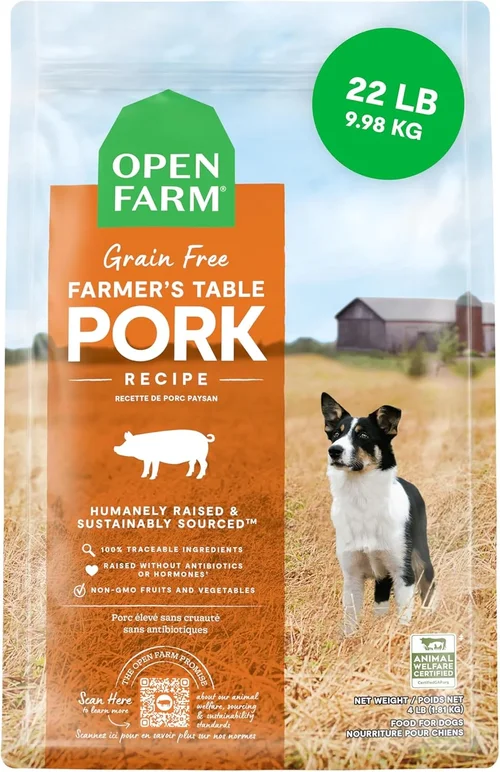
Luxury ($50+ per 15-lb bag): At this price point, you’re paying for top-tier ingredients, human-grade sourcing, and advanced formulations. While these foods are excellent, they’re often overkill for the average Shih Tzu—especially if your dog is healthy and doesn’t have special dietary needs. Unless recommended by a vet, most pet parents can achieve excellent results with mid-range options. That said, if budget allows, luxury brands like The Honest Kitchen or Open Farm offer peace of mind and exceptional quality.
Expert Tips for Getting the Best Deal
1. Shop During Seasonal Sales: Pet food brands often run promotions during holidays like Black Friday, Memorial Day, or back-to-school season. Sign up for newsletters from retailers like Chewy, Petco, or Amazon to get alerts on discounts. You can save 20–30% or more during these events.
2. Use Subscription Services: Many online retailers offer auto-ship programs that give you a discount (usually 5–15%) for recurring deliveries. This not only saves money but ensures you never run out of food. Just be sure to adjust or cancel if your dog’s needs change.
3. Compare Unit Prices: Don’t just look at the total price—compare the cost per pound or per ounce. A larger bag may seem expensive upfront but could be cheaper in the long run. Use the unit price to make fair comparisons between brands and sizes.
4. Check for Coupons and Rebates: Manufacturers often offer printable coupons or mail-in rebates on their websites. Combine these with store sales for maximum savings. Apps like Ibotta or Rakuten also offer cashback on pet food purchases.
5. Buy Store Brands Wisely: Some store brands (like Petco’s Sojo’s or Walmart’s Pure Balance) offer high-quality formulas at lower prices. Research the ingredients and AAFCO status before buying. Not all store brands are created equal, but some are excellent values.
6. Consider Mixed Feeding: Combine dry kibble with a small amount of wet food to boost palatability and hydration without breaking the bank. Use wet food as a topper or mix-in, not a full meal, to keep costs down.
7. Read the Fine Print on Returns: If your Shih Tzu doesn’t like the food or has a reaction, you’ll want to return it. Check the retailer’s return policy before buying. Most reputable stores accept unopened returns, but some may charge restocking fees.
8. Test Small Bags First: Before committing to a large bag, buy a small size or sample pack to see how your dog reacts. This prevents waste if the food doesn’t agree with them.

Frequently Asked Questions
Q: Can I feed my Shih Tzu cheap dog food without harming their health?
A: Yes, as long as the food meets AAFCO standards and contains high-quality ingredients. Many affordable brands offer complete, balanced nutrition. The key is reading labels and avoiding fillers, by-products, and artificial additives.
Q: How often should I feed my Shih Tzu?
A: Most adult Shih Tzus do well with two meals per day. Puppies may need three to four smaller meals. Follow the feeding guidelines on the package and adjust based on your dog’s weight and activity level.
Q: Is grain-free food better for Shih Tzus?
A: Not necessarily. Grain-free diets are only beneficial if your dog has a diagnosed grain allergy. For most Shih Tzus, whole grains like brown rice or oatmeal are safe and provide valuable fiber and energy.
Q: Can I mix different brands of dog food?
A: It’s not recommended to mix brands regularly, as it can disrupt digestion. If you want to switch, do so gradually over 7–10 days by increasing the new food and decreasing the old.
Q: How do I know if my Shih Tzu is allergic to their food?
A: Signs include itching, ear infections, diarrhea, or vomiting. If you suspect a food allergy, consult your vet. They may recommend an elimination diet or a limited-ingredient food.
Q: Should I add supplements to my Shih Tzu’s diet?
A: Most commercial dog foods are complete and balanced, so supplements aren’t necessary unless recommended by a vet. Over-supplementing can cause imbalances.
Q: Can I feed my Shih Tzu human food?
A: Small amounts of safe human foods (like cooked chicken, carrots, or plain yogurt) can be given as treats. Avoid chocolate, grapes, onions, and anything with garlic or xylitol.
Q: How long can I store opened dog food?
A: Dry kibble should be used within 6 weeks of opening. Store in an airtight container in a cool, dry place. Wet food should be refrigerated and used within 3–5 days.
Q: Is it okay to feed my Shih Tzu once a day?
A: While some dogs can handle once-daily feeding, most Shih Tzus benefit from two meals to maintain energy and prevent hunger. Consult your vet if considering a once-daily schedule.
Q: What should I do if my Shih Tzu refuses to eat their new food?
A: Try mixing it with their old food, warming it slightly, or adding a small amount of wet food or broth. If refusal persists, consult your vet to rule out medical issues.
Our Final Recommendations
Best for Budget-Conscious Buyers: Purina ONE Small Breed Formula – At around $22 for a 16.5-lb bag, this food offers real chicken as the first ingredient, small kibble, and added vitamins. It’s AAFCO-compliant and widely praised for improving coat and digestion in small dogs.
Best Overall Value: Iams ProActive Health Small & Toy Breed – Priced at about $25 for a 15-lb bag, this formula includes chicken, beet pulp for digestion, and antioxidants for immunity. It’s a reliable, vet-recommended option that balances cost and quality.
Best Premium Option: Blue Buffalo Life Protection Small Breed – At $35–$40 per 15-lb bag, this food features deboned chicken, brown rice, and LifeSource Bits with vitamins. It’s free from corn, wheat, and soy, making it ideal for sensitive Shih Tzus.
Best for Beginners: Wellness Complete Health Small Breed – Around $38 per 12-lb bag, this food is easy to find, well-balanced, and includes probiotics and omega fatty acids. Great for first-time owners who want a trusted brand.
Best for Advanced Users: Merrick Grain-Free Small Breed Recipe – At $45 per 12-lb bag, this high-protein, grain-free option uses real deboned meat and sweet potatoes. Ideal for owners who want to maximize nutrition without going luxury.
Conclusion: Making the Right Choice
Choosing the right dog food for your Shih Tzu doesn’t have to be expensive or overwhelming. With the right knowledge, you can find a nutritious, affordable option that supports your dog’s health, energy, and longevity. Focus on high-quality ingredients, AAFCO certification, and your dog’s individual needs—whether they’re a puppy, senior, or have special sensitivities. Avoid common pitfalls like prioritizing price over quality or ignoring ingredient lists. Use the tips in this guide to shop smart, save money, and make informed decisions. Remember, the best food is one that your Shih Tzu enjoys, digests well, and thrives on. Take the time to research, consult your vet, and monitor your dog’s response. Your furry friend deserves nothing less than the best—and with this guide, you’re well on your way to giving it to them.