
If your dog is constantly scratching, licking their paws, or dealing with recurring ear infections, you’re not alone. Skin allergies in dogs are one of the most common health issues pet owners face—and they can be incredibly frustrating to manage. While veterinary care is essential for diagnosing the root cause, diet plays a surprisingly significant role in managing and even preventing allergic reactions. The good news? You don’t need to break the bank to feed your pup high-quality food that supports healthy skin and reduces inflammation.
In this comprehensive buyer’s guide, we’ll walk you through everything you need to know about choosing the best cheap dog food for skin allergies in 2026. Whether you’re on a tight budget or simply want to make smarter, more informed decisions about your dog’s nutrition, this guide will equip you with expert knowledge, practical tips, and real-world recommendations. We’ll cover what ingredients to look for (and avoid), how to interpret labels, how to transition your dog safely, and where to find affordable options that don’t compromise on quality. Our goal isn’t just to help you save money—it’s to help your dog feel better, look healthier, and live more comfortably.
The market for hypoallergenic and allergy-friendly dog food has exploded in recent years, with countless brands claiming to offer “natural,” “grain-free,” or “limited ingredient” formulas at budget-friendly prices. But not all cheap dog food is created equal. Some products cut corners with fillers, artificial additives, or low-quality protein sources that can actually worsen skin conditions. Others may be marketed as “premium” but come with a hefty price tag that isn’t sustainable long-term. That’s why it’s crucial to understand what truly matters when selecting food for a dog with sensitive skin. By the end of this guide, you’ll know exactly how to spot value, avoid common pitfalls, and choose a diet that supports your dog’s immune system, coat health, and overall well-being—without overspending.
What to Look for When Buying Buying Guide
1. High-Quality, Novel Protein Sources
When dogs develop skin allergies, it’s often due to food sensitivities—especially to common proteins like chicken, beef, or dairy. That’s why many veterinarians recommend switching to a novel protein source—one your dog hasn’t been exposed to before. Examples include duck, venison, rabbit, lamb, or even kangaroo. These less-common proteins are less likely to trigger an immune response, making them ideal for dogs with food-related skin issues.
Look for dog foods that list a single, clearly identified animal protein as the first ingredient. Avoid vague terms like “meat meal” or “animal by-product meal,” which can contain multiple sources and increase the risk of allergens. Also, be cautious of “chicken flavor” or “beef flavor” on labels—these can still contain trace proteins that provoke reactions. If your dog has already reacted to chicken or beef, even small amounts can cause flare-ups.
2. Limited Ingredient Formulas
Simplicity is key when managing skin allergies. Limited ingredient dog foods contain fewer components, reducing the chances of exposure to hidden allergens. These formulas typically feature one protein source, one carbohydrate (like sweet potato or peas), and minimal added fats, flavors, or preservatives.
While “limited ingredient” doesn’t automatically mean “hypoallergenic,” it’s a strong indicator that the manufacturer has taken care to minimize potential irritants. Look for brands that disclose full ingredient lists and avoid proprietary blends. Transparency is a sign of quality—brands that hide behind vague terms like “flavor blend” or “meat derivatives” are often cutting corners.
Also, be wary of “grain-free” labels. While some dogs benefit from grain-free diets, grains like oats, rice, and barley are not common allergens for most dogs. In fact, the FDA has raised concerns about grain-free diets potentially contributing to dilated cardiomyopathy (DCM) in certain breeds. Unless your vet specifically recommends grain-free, focus more on protein source and ingredient quality than grain content.
3. Omega-3 and Omega-6 Fatty Acids
Healthy fats are essential for maintaining a strong skin barrier and reducing inflammation. Omega-3 fatty acids, particularly EPA and DHA found in fish oil, have been clinically proven to reduce itching, redness, and flakiness associated with allergic dermatitis. Omega-6 fatty acids, like linoleic acid, support skin hydration and coat shine.
Look for dog foods that include sources of omega-3s such as salmon oil, menhaden fish oil, flaxseed, or algae oil. The best formulas will have a balanced ratio of omega-6 to omega-3 (ideally between 5:1 and 10:1). Too much omega-6 without enough omega-3 can actually promote inflammation, so balance is crucial.
4. No Artificial Additives or Fillers
Artificial colors, flavors, preservatives, and fillers are not only unnecessary—they can actively worsen skin allergies. Ingredients like BHA, BHT, ethoxyquin, and propylene glycol are synthetic preservatives linked to allergic reactions and long-term health risks. Similarly, fillers such as corn syrup, soy, and wheat gluten offer little nutritional value and can trigger sensitivities.
Instead, opt for foods preserved with natural alternatives like mixed tocopherols (vitamin E) or rosemary extract. Check the ingredient list for whole foods—real meat, vegetables, and healthy fats—rather than processed by-products or unnamed “meal” sources.
Also, avoid foods with excessive carbohydrates. While dogs need some carbs for energy, diets high in corn, wheat, or potatoes can spike blood sugar and contribute to inflammation. Look for moderate carbohydrate levels from digestible sources like sweet potatoes, peas, or lentils.
5. Digestibility and Gut Health Support
Emerging research shows a strong connection between gut health and skin conditions. An imbalanced microbiome can lead to increased intestinal permeability (“leaky gut”), allowing allergens to enter the bloodstream and trigger immune responses that manifest as skin issues. That’s why digestive support is a critical factor in allergy-friendly dog food.
Look for formulas that include prebiotics (like chicory root or beet pulp) and probiotics (live beneficial bacteria). These help maintain a healthy gut lining and support immune function. Some brands also include hydrolyzed proteins—proteins broken down into tiny molecules that are less likely to cause allergic reactions. While hydrolyzed diets are often prescription-only, a few affordable over-the-counter options are now available.
6. Brand Reputation and Transparency
Not all budget dog food brands are trustworthy. Some cut costs by sourcing ingredients from questionable suppliers or using misleading marketing tactics. That’s why brand reputation matters—even when shopping on a budget.
Look for companies that are transparent about their sourcing, manufacturing processes, and ingredient quality. Reputable brands will often publish nutritional analyses, third-party testing results, or AAFCO (Association of American Feed Control Officials) statements on their websites. They’re also more likely to respond to customer inquiries and offer satisfaction guarantees.
Avoid brands that make exaggerated claims like “100% hypoallergenic” or “cures allergies.” No food can guarantee allergy relief, and such claims are red flags for misleading advertising. Instead, focus on brands with a history of producing consistent, high-quality products and positive feedback from pet owners with allergic dogs.
7. Price per Pound and Feeding Efficiency
When comparing cheap dog food options, don’t just look at the sticker price—calculate the cost per pound and consider how much your dog will actually eat. A cheaper bag may seem like a better deal, but if it’s low in protein and high in fillers, your dog may need to eat more to feel full, increasing long-term costs.
High-quality, nutrient-dense foods are more digestible, meaning your dog absorbs more nutrients and produces less waste. This leads to smaller, firmer stools and less frequent feeding. For example, a 30-pound bag of premium food might last longer than a 40-pound bag of low-quality food because your dog eats less per meal.
To compare value, divide the total price by the number of pounds. Then, check the guaranteed analysis for protein and fat content. A food with 25% protein and 15% fat will generally be more satisfying and nutritious than one with 18% protein and 8% fat—even if it costs slightly more per pound.
8. Availability and Convenience
Even the best dog food won’t help if you can’t consistently get it. Consider where and how you’ll purchase the food. Is it available at your local pet store, or do you need to order online? Are there subscription options for automatic delivery? Can you buy in bulk to save money?
Online retailers like Chewy, Amazon, and Petco often offer discounts, auto-ship programs, and free shipping on larger orders. Some brands also offer loyalty programs or first-time buyer discounts. However, be cautious about buying from unknown websites or third-party sellers—counterfeit or expired products are a real risk.
Also, consider storage. Dry kibble is convenient and has a long shelf life, but some dogs with severe allergies may benefit from fresh or frozen raw diets. If you’re considering fresh food, factor in refrigeration space and delivery frequency.
Different Types of Buying Guide

Common Buying Mistakes to Avoid

❌ Mistake: Choosing Based Solely on Price
Why it’s bad: The cheapest dog food often contains low-quality proteins, fillers, and artificial additives that can exacerbate skin allergies. While saving money is important, feeding a diet that worsens your dog’s condition can lead to higher vet bills and prolonged discomfort.
What to do instead: Focus on value, not just cost. Calculate price per pound and compare ingredient quality. A slightly more expensive food with better nutrition may actually save you money in the long run by reducing medical expenses and improving your dog’s health.
❌ Mistake: Ignoring the Ingredient List
Why it’s bad: Marketing claims like “natural” or “holistic” don’t guarantee quality. Some brands use these terms loosely while including hidden allergens or low-grade ingredients. Without reading the full label, you might unknowingly feed your dog something that triggers a reaction.
What to do instead: Always check the ingredient list. Look for whole, recognizable ingredients and avoid vague terms. If you can’t pronounce it or don’t know what it is, it’s probably not ideal for a sensitive dog.
❌ Mistake: Switching Foods Too Quickly
Why it’s bad: Sudden diet changes can cause digestive upset, including diarrhea and vomiting. For dogs with skin allergies, this can lead to further irritation and stress, potentially worsening symptoms.
What to do instead: Transition gradually over 7–10 days. Start by mixing 25% new food with 75% old food, then increase the ratio every few days until you’re feeding 100% new food. This allows your dog’s digestive system to adjust.
❌ Mistake: Overlooking Omega Fatty Acid Content
Why it’s bad: Many budget dog foods skimp on healthy fats, which are essential for skin health. Without adequate omega-3s, your dog’s coat may remain dry, flaky, and prone to inflammation.
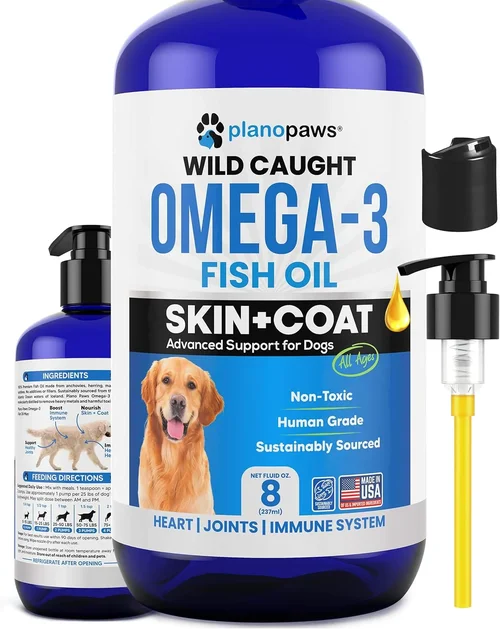
What to do instead: Check the guaranteed analysis for fat content and look for named sources of omega-3s like fish oil or flaxseed. Consider adding a fish oil supplement if the food is low in these nutrients.
❌ Mistake: Assuming All “Grain-Free” Foods Are Better
Why it’s bad: Grain-free diets are not inherently healthier and may lack essential nutrients. Some dogs are actually allergic to legumes (like peas and lentils), which are common substitutes for grains in these formulas.
What to do instead: Only choose grain-free if your vet confirms a grain allergy. Otherwise, focus on protein source and overall ingredient quality. Whole grains like oats and brown rice can be healthy and easily digestible.
❌ Mistake: Not Consulting a Veterinarian
Why it’s bad: Skin allergies can stem from environmental factors (like pollen or dust mites), parasites (fleas or mites), or medical conditions (like thyroid issues). Treating only the diet without addressing the root cause may provide limited relief.
What to do instead: Work with your vet to rule out non-food causes. They can perform allergy testing, recommend appropriate treatments, and guide you toward the best dietary approach for your dog’s specific needs.
❌ Mistake: Buying in Bulk Without Testing
Why it’s bad: Purchasing a large bag of new food before confirming your dog tolerates it can lead to waste and financial loss if they reject it or have a reaction.
What to do instead: Start with a small bag or sample size. Many brands offer trial sizes or money-back guarantees. Once you’re confident the food works, then consider buying in bulk to save money.
Budget Guidelines: How Much Should You Spend?
– Entry-Level ($1.00 – $1.50 per lb): What to expect at this price point is often low-protein, high-carbohydrate formulas with unnamed meat meals and artificial preservatives. While some dogs may do fine on these diets, they’re generally not recommended for skin allergies due to poor ingredient quality and lack of omega fatty acids. If you must choose in this range, look for brands that at least disclose protein sources and avoid common allergens.
– Mid-Range ($1.50 – $2.50 per lb): This is the sweet spot for most budget-conscious buyers. You’ll find limited ingredient formulas with novel proteins, moderate omega-3 content, and minimal fillers. Brands like Natural Balance, Wellness Simple, and Blue Buffalo Basics offer reliable options in this range. These foods provide good value and are often effective for managing mild to moderate skin issues.
– Premium ($2.50 – $4.00 per lb): For enthusiasts and dedicated pet parents, premium diets offer higher protein levels, added probiotics, and clinically backed formulations. These foods often include hydrolyzed proteins or fresh ingredients and are ideal for dogs with severe or persistent allergies. While more expensive, they can lead to faster improvement and fewer vet visits.
– Luxury ($4.00+ per lb): Top-tier options include fresh, raw, or prescription diets with human-grade ingredients and extensive nutritional testing. These are best for dogs with complex health needs or owners who prioritize convenience and cutting-edge nutrition. While not necessary for every dog, they can be life-changing for those with chronic conditions.
Expert Tips for Getting the Best Deal
– Buy during seasonal sales: Major retailers often run discounts during holidays like Black Friday, Memorial Day, or back-to-school season. Sign up for newsletters to get early access to deals.
– Use subscription services: Chewy, Amazon Subscribe & Save, and Petco offer discounts (up to 15%) for recurring deliveries. This also ensures you never run out.
– Check for manufacturer rebates: Some brands offer mail-in rebates or instant savings on their websites. These can significantly reduce the cost of premium formulas.
– Compare unit prices: Always look at price per pound, not just the total bag price. A larger bag may seem cheaper but could be less cost-effective if your dog doesn’t eat much.
– Read return policies: Choose retailers with flexible return policies in case your dog doesn’t tolerate the food. Chewy, for example, offers full refunds on opened bags.
– Test small sizes first: Before committing to a large purchase, buy a small bag or sample. Many brands offer trial sizes online or through vet clinics.
– Combine with supplements: Instead of buying the most expensive food, consider a mid-range diet supplemented with fish oil, probiotics, or vitamin E to boost skin health.
– Ask your vet for samples: Some clinics provide free samples of prescription or therapeutic diets. This is a great way to test effectiveness before buying.

Frequently Asked Questions
Q: Can cheap dog food really help with skin allergies?
A: Yes—but only if it’s formulated with high-quality, hypoallergenic ingredients. The key is not the price tag, but the ingredient list. Many affordable brands now offer limited ingredient formulas with novel proteins and omega fatty acids that can significantly improve skin health.
Q: How long does it take to see improvement after switching foods?
A: Most dogs show noticeable improvement in skin and coat within 4–8 weeks. However, it can take up to 12 weeks for full results, especially if the allergy is long-standing. Be patient and consistent during the transition.
Q: Should I avoid all grains if my dog has skin allergies?
A: Not necessarily. Grains are not common allergens for most dogs. Only avoid grains if your vet confirms a specific allergy. In many cases, the real culprit is a protein source like chicken or beef.
Q: Can I make homemade dog food for skin allergies?
A: Yes, but it requires careful planning to ensure nutritional balance. Homemade diets should be formulated with a veterinary nutritionist to avoid deficiencies. If done correctly, they can be highly effective—but they’re often more expensive and time-consuming than commercial options.
Q: Is grain-free dog food better for allergies?
A: Not always. While some dogs benefit from grain-free diets, others may react to the legumes and potatoes used as substitutes. Focus on the protein source and overall ingredient quality rather than grain content.
Q: What if my dog doesn’t like the new food?
A: Try mixing it with a small amount of low-sodium broth or a spoonful of plain pumpkin puree to enhance flavor. Gradual transition also helps. If rejection persists, consider a different protein or brand.
Q: Can environmental allergies be managed with diet?
A: Diet alone won’t cure environmental allergies, but it can reduce overall inflammation and strengthen the skin barrier, making your dog less reactive. Combine dietary changes with flea prevention, regular bathing, and air purifiers for best results.
Q: Are prescription diets worth the cost?
A: For dogs with confirmed food allergies, prescription hydrolyzed protein diets are often the most effective option. While expensive, they’re clinically proven and can provide relief when other diets fail. Ask your vet if a trial is warranted.
Q: How do I know if my dog’s itching is from food or something else?
A: Food allergies typically cause year-round itching, especially around the paws, ears, and belly. Environmental allergies often worsen seasonally. A vet can help differentiate through testing and elimination diets.
Q: Can puppies have skin allergies?
A: Yes, puppies can develop food sensitivities or environmental allergies as early as a few months old. Early intervention with the right diet can prevent chronic issues later in life.
Our Final Recommendations
– Best for Budget-Conscious Buyers: Natural Balance L.I.D. Limited Ingredient Diets Sweet Potato & Fish Formula – At around $1.80 per pound, this grain-free formula features novel protein (fish) and easily digestible sweet potatoes. It’s free from common allergens and includes omega fatty acids for skin support.
– Best Overall Value: Wellness Simple Limited Ingredient Diet Salmon & Potato – Priced at approximately $2.20 per pound, this formula offers high-quality salmon, no grains, and added probiotics. It’s widely available and consistently praised for improving coat and reducing itching.
– Best Premium Option: Hill’s Science Diet Sensitive Stomach & Skin – At $2.80 per pound, this vet-recommended formula includes prebiotic fiber, omega-6 fatty acids, and vitamin E. It’s ideal for dogs with both digestive and skin sensitivities.
– Best for Beginners: Blue Buffalo Basics Limited Ingredient Diet Turkey & Potato – At $2.00 per pound, this user-friendly formula uses a single animal protein and is free from chicken, beef, dairy, and eggs. It’s a great starting point for dogs new to hypoallergenic diets.
– Best for Advanced Users: Purina Pro Plan Veterinary Diets HA Hydrolyzed – At $3.50 per pound, this hydrolyzed protein formula is designed for dogs with severe food allergies. While prescription-only, it’s one of the most effective options for complex cases.
Conclusion: Making the Right Choice
Choosing the best cheap dog food for skin allergies doesn’t have to be overwhelming—or expensive. By focusing on high-quality proteins, limited ingredients, and skin-supportive nutrients like omega fatty acids, you can find affordable options that truly make a difference in your dog’s comfort and health. Remember, the goal isn’t just to save money, but to invest in a diet that reduces inflammation, strengthens the skin barrier, and supports long-term well-being.
Avoid common pitfalls like buying based solely on price, ignoring ingredient labels, or switching foods too quickly. Instead, take a thoughtful, informed approach: consult your vet, read labels carefully, and transition gradually. With the right food, many dogs experience significant relief from itching, redness, and irritation—often within weeks.
Ultimately, every dog is unique. What works for one may not work for another. Be patient, stay observant, and don’t hesitate to try different options until you find the perfect fit. Your dog’s healthier, happier skin is worth the effort. Start today—your pup will thank you with a wagging tail and a scratch-free coat.