

When it comes to keeping your dog happy, healthy, and mentally stimulated, few things are as essential as a good chew food. Whether you’re dealing with a teething puppy, an anxious adult dog, or a senior who still loves to gnaw, the right chew can make all the difference. But with hundreds of options flooding the market—from rawhide and bully sticks to dental chews and natural antlers—it’s easy to feel overwhelmed. That’s why this comprehensive guide exists: to cut through the noise, debunk myths, and help you make an informed decision based on your dog’s unique needs, health, and lifestyle.
In this guide, you’ll learn everything you need to know about selecting the best chew food for dogs in 2026. We’ll walk you through the most important factors to consider—like ingredient quality, safety, digestibility, and size appropriateness—so you can avoid common pitfalls and choose a product that truly benefits your pet. You’ll also discover the different types of chews available, how to match them to your dog’s age and chewing style, and what red flags to watch out for. Whether you’re on a tight budget or willing to invest in premium options, we’ve got recommendations tailored to every situation.
The dog chew market has evolved significantly over the past decade. Gone are the days when rawhide was the default choice. Today, pet parents have access to scientifically formulated dental chews, sustainably sourced natural treats, and even vet-recommended options designed to support joint health or reduce anxiety. However, this abundance of choice brings its own challenges. Misleading marketing claims, inconsistent quality control, and hidden ingredients have made it harder than ever to know what’s truly safe and effective. Our goal is to empower you with expert knowledge so you can confidently navigate this landscape and find the perfect chew for your furry friend.
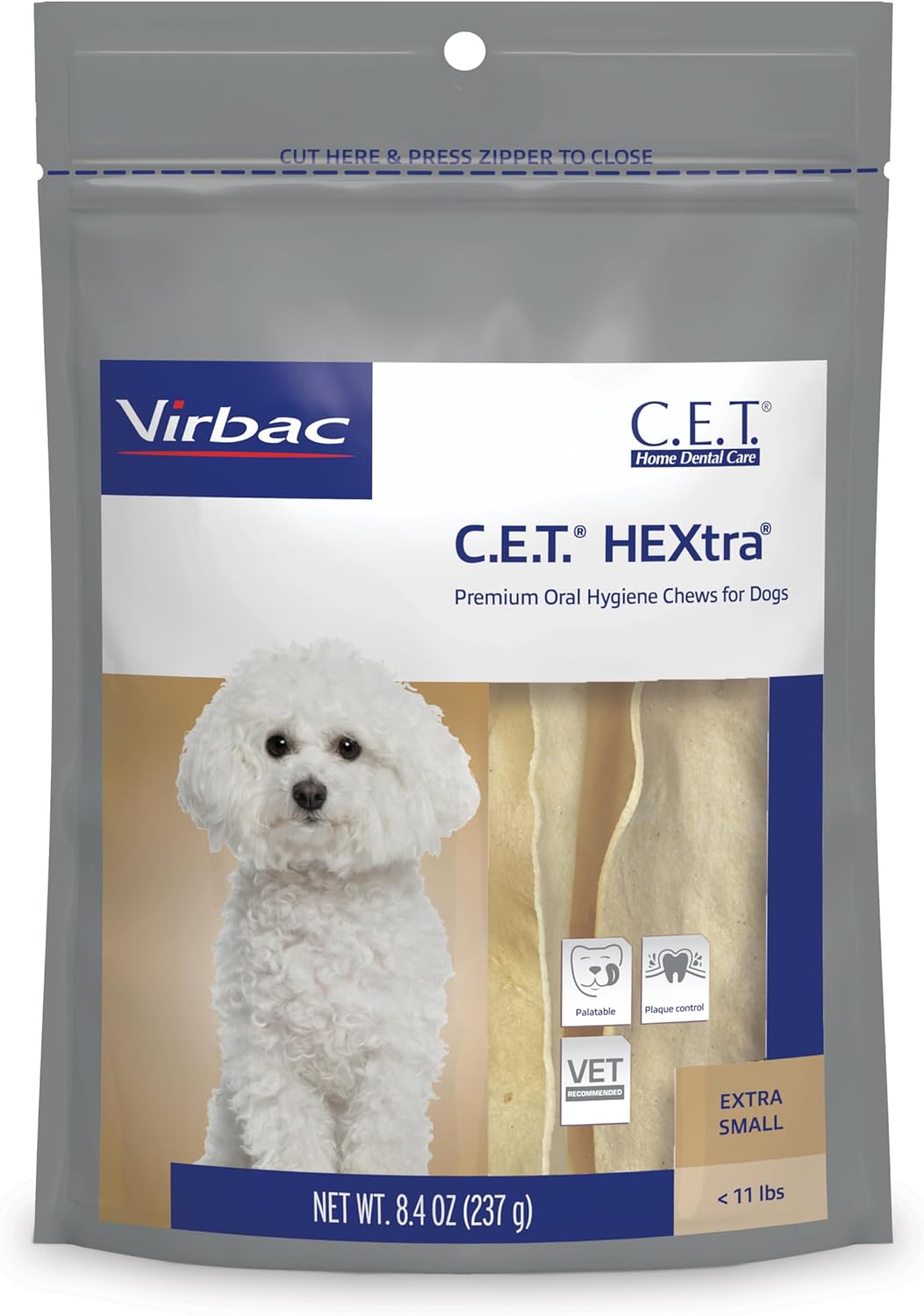
What to Look for When Buying Chew Food for Dogs
1. Ingredient Quality & Transparency
The first and most critical factor when choosing a chew food is the quality of its ingredients. Dogs, like humans, thrive on clean, whole-food nutrition—and that includes their treats. Always read the ingredient list carefully. Look for products that list real meat, poultry, or fish as the first ingredient, and avoid those filled with fillers like corn syrup, artificial preservatives (BHA, BHT, ethoxyquin), or unnamed “meat by-products.” High-quality chews should be minimally processed and free from artificial colors, flavors, or sweeteners.
Transparency matters just as much as the ingredients themselves. Reputable brands will clearly disclose sourcing practices, manufacturing locations, and whether their products are tested for contaminants like heavy metals or salmonella. For example, chews made in the USA, Canada, or EU often adhere to stricter safety standards than those produced in countries with less rigorous oversight. If a brand doesn’t provide this information readily—either on the packaging or their website—it’s a red flag.
Also consider whether the chew is grain-free, if your dog has sensitivities, or if it includes functional additives like probiotics, glucosamine, or omega-3 fatty acids. These can offer added health benefits beyond mere entertainment. However, always consult your veterinarian before introducing supplements, especially for dogs with pre-existing conditions.
2. Safety & Digestibility
Safety should never be compromised for taste or durability. A chew that poses a choking hazard, breaks into sharp fragments, or is difficult to digest can do more harm than good. Choose chews that are appropriately sized for your dog—too small, and they could be swallowed whole; too large, and they may cause jaw strain or dental damage.
Digestibility is equally important. Some natural chews, like rawhide or certain types of antlers, are notoriously hard for dogs to break down and can lead to gastrointestinal blockages. Opt for highly digestible options such as freeze-dried liver treats, oven-baked dental chews, or vet-formulated edible chews like those from reputable brands such as Greenies or Whimzees. These are designed to break down safely in the stomach and pass through the digestive system without issue.
Always supervise your dog during chew time, especially with new products. Watch for signs of distress, excessive drooling, or attempts to swallow large pieces. If your dog has a history of gulping food or has had prior digestive issues, consult your vet before introducing any new chew.
3. Durability & Chew Style Compatibility
Not all dogs chew the same way—and neither should their chews. Understanding your dog’s chewing behavior is key to selecting a product that will last without posing a risk. Light chewers may enjoy softer options like jerky strips or soft dental treats, while power chewers need something much more resilient, such as nylon bones, bully sticks, or pressed rawhide alternatives.
Durability also affects value. A chew that lasts only five minutes may satisfy momentarily but won’t provide long-term mental stimulation or dental benefits. Look for products labeled as “long-lasting” or “for aggressive chewers” if your dog tends to destroy toys quickly. However, be cautious: overly hard chews (like real bones or antlers) can fracture teeth, especially in strong chewers. The ideal chew should resist breaking but still yield slightly under pressure.
Consider rotating chews based on your dog’s mood and energy level. A high-energy dog might benefit from a durable chew during a long car ride, while a calmer dog may prefer a softer option before bedtime.
4. Dental Health Benefits
One of the biggest advantages of chew foods is their potential to support oral hygiene. Many modern chews are specifically engineered to reduce plaque and tartar buildup, freshen breath, and promote healthy gums. Look for products that carry the Veterinary Oral Health Council (VOHC) seal—this indicates they’ve been scientifically tested and proven effective at controlling plaque and/or tartar.
Dental chews often feature unique textures, ridges, or grooves that mechanically scrape teeth as the dog gnaws. For example, Greenies Original Dental Chews use a patented texture that cleans down to the gumline, while Whimzees Brushzees have a twisted shape that reaches between teeth. These designs mimic the action of brushing, making them excellent supplements to regular toothbrushing.
However, not all chews labeled “dental” are created equal. Some may claim dental benefits but lack clinical validation. Always verify VOHC approval or look for third-party studies supporting the product’s efficacy. Additionally, dental chews should complement—not replace—regular veterinary cleanings and daily brushing.
5. Age, Size & Breed Appropriateness
Just like dog food, chew foods must be tailored to your dog’s life stage, size, and breed. Puppies have delicate teeth and gums, so they need soft, easily digestible chews that won’t damage emerging adult teeth. Avoid hard chews until at least 6–8 months of age. Senior dogs, on the other hand, may have weakened jaws or missing teeth, making soft or semi-soft options more suitable.
Size matters too. Small breeds like Chihuahuas or Dachshunds require miniature chews that fit comfortably in their mouths, while large breeds like German Shepherds or Mastiffs need extra-large options to prevent choking. Most reputable brands offer size-specific variants—always follow the manufacturer’s guidelines.
Breed-specific considerations also apply. Brachycephalic (short-nosed) breeds like Pugs or Bulldogs may struggle with certain shapes or textures, while herding breeds with high energy levels may benefit from longer-lasting chews that provide sustained mental engagement.
6. Allergies & Dietary Restrictions
Food allergies and sensitivities are increasingly common in dogs, and chew foods are no exception. Common allergens include beef, chicken, wheat, soy, and dairy. If your dog has known sensitivities, choose hypoallergenic or limited-ingredient chews made with novel proteins like duck, venison, or salmon.
Grain-free options are popular but not always necessary—unless your dog has a diagnosed grain allergy. In fact, recent FDA investigations have linked certain grain-free diets to dilated cardiomyopathy (DCM) in dogs, so consult your vet before making dietary changes. Similarly, avoid chews with added sugars or high-fat content if your dog is prone to pancreatitis or obesity.
For diabetic dogs, look for low-glycemic chews with no added sugars. Many brands now offer diabetic-friendly options with minimal carbohydrates and high fiber content.
7. Brand Reputation & Third-Party Testing
Not all pet food companies prioritize safety and quality. Stick with brands that have a proven track record of transparency, ethical sourcing, and rigorous testing. Look for companies that voluntarily submit their products to third-party labs for contamination screening, nutritional analysis, and safety verification.
Brands like Zuke’s, Stewart Pro-Treat, and Himalayan Dog Chew have built strong reputations for consistency and integrity. They often publish detailed FAQs, batch codes for traceability, and even recall histories on their websites. Avoid unknown or overseas brands that lack verifiable information about sourcing or manufacturing.
Customer reviews can also provide valuable insights—but take them with a grain of salt. Look for patterns in feedback (e.g., multiple reports of digestive issues or breakage) rather than isolated complaints. Verified purchase reviews on platforms like Chewy or Amazon tend to be more reliable.
8. Environmental Impact & Sustainability
As pet parents become more eco-conscious, sustainability is playing a growing role in purchasing decisions. Consider the environmental footprint of your dog’s chew food. Are the ingredients sourced responsibly? Is the packaging recyclable or compostable? Does the company support reforestation or ocean cleanup initiatives?
For example, some brands use upcycled ingredients—like salmon skins from human food production—to reduce waste. Others partner with organizations like 1% for the Planet. While these factors may not directly impact your dog’s health, they reflect a brand’s overall values and commitment to planetary well-being.
Avoid single-use plastics when possible. Opt for resealable bags, paper-based packaging, or bulk options to minimize waste.
Different Types of Chew Foods for Dogs

Common Buying Mistakes to Avoid

❌ Mistake: Choosing Based Solely on Price
Why it’s bad: Cheap chews often contain low-quality ingredients, fillers, or unsafe additives that can harm your dog’s health over time. They may also break into dangerous shards or lack nutritional value.
What to do instead: Prioritize value over cost. A slightly more expensive chew that’s safe, digestible, and beneficial is always a better investment than a bargain bin option that could lead to vet bills.
❌ Mistake: Ignoring Size Recommendations
Why it’s bad: Giving a small chew to a large dog increases choking risk, while oversized chews can cause jaw fatigue or dental fractures.
What to do instead: Always follow the manufacturer’s size guidelines and adjust based on your dog’s actual chewing behavior—not just their breed or weight.
❌ Mistake: Overlooking Supervision
Why it’s bad: Even the safest chew can become hazardous if swallowed whole or chewed into sharp pieces. Unsupervised chewing is a leading cause of intestinal blockages.
What to do instead: Stay nearby during chew time, especially with new products. Remove the chew once it becomes small enough to swallow.
❌ Mistake: Assuming All “Natural” Chews Are Safe
Why it’s bad: Terms like “natural” or “organic” aren’t regulated in pet treats. Some natural chews (like rawhide from certain countries) have been linked to contamination or digestive issues.
What to do instead: Research the brand, check for recalls, and prefer chews with clear sourcing and testing information.
❌ Mistake: Feeding Too Many Calories from Chews
Why it’s bad: High-calorie chews can contribute to obesity, especially if not accounted for in your dog’s daily diet.
What to do instead: Check the calorie count per chew and adjust meal portions accordingly. Limit chews to 10% of your dog’s daily caloric intake.
❌ Mistake: Sticking to One Type of Chew
Why it’s bad: Variety prevents boredom and ensures your dog gets different textures, flavors, and benefits (e.g., dental, mental stimulation, joint support).
What to do instead: Rotate between 2–3 types of chews weekly to keep things interesting and balanced.
Budget Guidelines: How Much Should You Spend?
When it comes to chew foods, your budget should align with your dog’s needs, lifestyle, and how frequently you plan to use them. Here’s a practical breakdown to help you allocate your spending wisely:
- Entry-Level ($0.25–$0.75 per chew): Ideal for occasional use or dogs who don’t chew aggressively. Look for basic dental chews, mini bully sticks, or store-brand options. While affordable, ensure they’re from reputable retailers and avoid products with vague ingredient lists.
- Mid-Range ($0.75–$2.00 per chew): This is the sweet spot for most pet parents. You’ll find high-quality dental chews, single-ingredient treats, and vet-recommended options that balance safety, durability, and nutrition. Brands like Whimzees, Zuke’s, and Stewart fall into this category.
- Premium ($2.00–$5.00 per chew): Best for dogs with specific health needs, allergies, or those who chew frequently. Includes freeze-dried raw treats, functional chews with added supplements, and ethically sourced natural options. Worth the investment for long-term health benefits.
- Luxury ($5.00+ per chew): Reserved for specialty items like whole antlers, imported yak chews, or custom-formulated treats. These are typically used sparingly due to cost and are best suited for experienced owners who understand their dog’s chewing limits.

Expert Tips for Getting the Best Deal
- Shop during seasonal sales: Major retailers like Chewy, Petco, and Amazon often run promotions around holidays (Black Friday, Prime Day, National Pet Day). Stock up during these periods for significant savings.
- Subscribe and save: Most online pet stores offer 5–15% off for recurring deliveries. Perfect for staple chews your dog loves.
- Compare unit prices: Don’t just look at the total cost—check the price per ounce or per chew to find the best value.
- Read return policies: Some chews (especially natural ones) may not be returnable once opened. Choose retailers with flexible return windows in case your dog doesn’t like it.
- Test before committing: Buy a single chew or small pack first to see how your dog reacts. If they love it and tolerate it well, then invest in a larger quantity.
- Watch for recalls: Sign up for FDA pet food recall alerts or follow trusted pet health blogs to stay informed about unsafe products.
- Consider DIY alternatives: For budget-conscious owners, homemade chews like frozen carrots, sweet potato slices, or dehydrated apple rings can be healthy, low-cost options—just avoid grapes, raisins, and onions.

Frequently Asked Questions
Q: Are rawhide chews safe for dogs?
A: Rawhide can be safe if sourced from reputable U.S. or EU manufacturers and given under supervision. However, it’s not fully digestible and poses choking and blockage risks, especially for aggressive chewers. Many vets now recommend safer alternatives like bully sticks or digestible dental chews.
Q: How often should I give my dog a chew?
A: Most dogs benefit from 3–5 chews per week, depending on the type and calorie content. Daily dental chews are fine if they’re low-calorie and VOHC-approved, but avoid overfeeding to prevent weight gain.
Q: Can puppies have chew foods?
A: Yes, but only soft, puppy-safe options designed for teething. Avoid hard chews until adult teeth are fully in (around 7–8 months). Look for products labeled “for puppies” or “gentle chew.”
Q: What should I do if my dog swallows a large piece of chew?
A: Monitor closely for signs of distress (vomiting, lethargy, loss of appetite). If the piece is very large or your dog shows symptoms, contact your vet immediately. Prevention is key—always supervise and remove small remnants.
Q: Do dental chews really work?
A: Yes, if they carry the VOHC seal. These chews have been clinically proven to reduce plaque and tartar. However, they’re not a substitute for professional cleanings or daily brushing.
Q: Are grain-free chews better?
A: Not necessarily. Grain-free is only beneficial if your dog has a diagnosed grain allergy. Otherwise, grains like oats or rice can be healthy and digestible components of a balanced chew.
Q: Can I give my dog human food as a chew?
A: Some human foods are safe in moderation—like carrots, green beans, or plain cooked chicken. However, avoid toxic foods like chocolate, xylitol, onions, and grapes. Always remove bones and excess fat.
Q: How do I store chew foods to keep them fresh?
A: Keep them in a cool, dry place away from sunlight. Resealable bags or airtight containers work best. Freeze-dried and dehydrated chews last longer when stored properly—check expiration dates regularly.
Our Final Recommendations
- Best for Budget-Conscious Buyers: Whimzees Grain-Free Dental Chews – Affordable, VOHC-approved, and made with simple, natural ingredients. Great for daily use without breaking the bank.
- Best Overall Value: Bully Sticks (100% Pure Beef) – Highly digestible, long-lasting, and loved by almost every dog. Slightly pricier than rawhide but far safer and more nutritious.
- Best Premium Option: Stella & Chewy’s Freeze-Dried Patties – Packed with protein, free from additives, and ideal for dogs with sensitivities or picky eaters.
- Best for Beginners: Greenies Original Dental Chews – Widely available, vet-recommended, and easy to find in appropriate sizes. A reliable starter chew for new pet parents.
- Best for Advanced Users: Himalayan Yak Chews – All-natural, long-lasting, and made from sustainably sourced milk. Requires supervision but offers unmatched durability for power chewers.
Conclusion: Making the Right Choice
Choosing the best chew food for your dog isn’t just about keeping them entertained—it’s about supporting their physical health, mental well-being, and overall quality of life. From ingredient transparency and safety to dental benefits and sustainability, every factor we’ve covered plays a role in ensuring your pet gets the most out of their chew experience. Remember, there’s no one-size-fits-all solution. What works for a Chihuahua may not suit a Great Dane, and what’s perfect for a senior dog might be too hard for a teething puppy.
Take the time to observe your dog’s chewing habits, consult your veterinarian when in doubt, and don’t hesitate to try a few different options before settling on a favorite. Prioritize quality over convenience, and always err on the side of caution when it comes to safety. With the knowledge from this guide, you’re now equipped to make confident, informed decisions that will keep your furry friend happy, healthy, and thoroughly satisfied.
Ready to find the perfect chew? Start by assessing your dog’s needs, set a realistic budget, and explore the top recommendations we’ve shared. Your dog deserves the best—and now, you know exactly how to give it to them.