

Small dogs may be pint-sized, but their nutritional needs are anything but minimal. With higher metabolisms, faster heart rates, and unique dental and digestive considerations, these little companions require specially formulated diets that support their energetic lifestyles and long-term health. As pet parents increasingly prioritize quality nutrition, the demand for premium, chewable dog food tailored to small breeds has surged. Whether you’re raising a sprightly Chihuahua, a curious Pomeranian, or a feisty Jack Russell Terrier, choosing the right food can significantly impact your dog’s energy levels, coat shine, digestion, and even lifespan.
This comprehensive buying guide is designed to help you navigate the crowded marketplace of small dog food options with confidence. We’ll walk you through the essential factors to consider—from ingredient quality and kibble size to life stage appropriateness and brand transparency—so you can make an informed decision that aligns with your dog’s specific needs and your budget. You’ll learn how to decode labels, avoid common pitfalls, compare different product types, and ultimately select a food that keeps your tiny pup thriving. Whether you’re a first-time dog owner or a seasoned pet parent upgrading your pup’s diet, this guide equips you with expert-level knowledge to cut through marketing noise and focus on what truly matters: your dog’s health and happiness.
The small dog food market has evolved dramatically over the past decade, driven by advancements in veterinary nutrition, increased awareness of food sensitivities, and a growing preference for natural, minimally processed ingredients. Today’s top brands offer everything from grain-free formulas and limited-ingredient diets to high-protein, raw-inspired kibble and functional blends with probiotics and joint support. With so many options available—across a wide range of price points and dietary philosophies—it’s easy to feel overwhelmed. That’s why this guide doesn’t just list products; it empowers you with the tools to evaluate them critically, understand your dog’s unique requirements, and choose a food that delivers real, measurable benefits.

What to Look for When Buying Chewy Dog Food for Small Dogs
1. Kibble Size and Texture
One of the most overlooked yet critical factors when selecting food for small dogs is kibble size. Small breeds have tiny mouths, short snouts, and often crowded teeth, making it difficult—and sometimes painful—to chew large or hard kibble. Food that’s too big or too dense can lead to choking, dental damage, or inefficient digestion, as the food isn’t properly broken down before swallowing. Look for kibble specifically labeled “small breed” or “miniature,” which typically measures between 8–12mm in diameter and has a softer, more porous texture that’s easier to crush.
Texture also plays a role in palatability and dental health. Softer kibble may be more appealing to picky eaters, while slightly crunchier options can help reduce plaque buildup—a common issue in small dogs due to their tightly packed teeth. Some brands incorporate dental benefits directly into their formulas, using kibble shapes designed to scrape away tartar as your dog chews. Always observe how your dog eats: if they gulp food without chewing or leave kibble scattered around the bowl, the size or texture may not be right.
2. High-Quality Protein Sources
Protein is the cornerstone of any healthy dog diet, but it’s especially vital for small breeds, who burn energy at a much faster rate than larger dogs. Look for foods where a named animal protein—such as chicken, turkey, lamb, or salmon—is listed as the first ingredient. Avoid vague terms like “meat meal” or “animal by-products,” which can indicate lower-quality or inconsistent sources.
The ideal protein content for small dogs ranges from 25% to 30% on a dry matter basis, depending on age and activity level. Puppies and highly active adults may benefit from the higher end of this range, while less active or senior dogs might do better with slightly less. Additionally, consider the digestibility of the protein source. Novel proteins like duck, venison, or rabbit can be excellent choices for dogs with food sensitivities, while hydrolyzed proteins are ideal for those with severe allergies.
3. Appropriate Fat Content for Energy Needs
Small dogs need more calories per pound of body weight than larger breeds, and fat is the most concentrated source of energy in their diet. However, too much fat can lead to weight gain, which is a common problem in small breeds due to their sedentary lifestyles. Aim for a fat content between 12% and 18%, with a balance of omega-3 and omega-6 fatty acids to support skin, coat, and immune health.
Look for named fat sources like chicken fat, salmon oil, or flaxseed oil, which provide essential fatty acids and are more digestible than generic “animal fat.” Omega-3s, in particular, have anti-inflammatory properties that can benefit dogs with joint issues or skin conditions. Avoid foods with excessive vegetable oils or unnamed fat sources, as these may not offer the same nutritional benefits.
4. Grain-Free vs. Grain-Inclusive: What’s Right for Your Dog?
The grain-free debate has been a hot topic in pet nutrition, but the answer isn’t one-size-fits-all. While some small dogs thrive on grain-free diets—especially those with grain sensitivities or allergies—others do perfectly well with whole grains like brown rice, oats, or barley. Recent studies have raised concerns about a potential link between grain-free diets and dilated cardiomyopathy (DCM) in dogs, particularly when legumes like peas, lentils, or chickpeas are used as primary carbohydrate sources.
If your dog has no known food sensitivities, a grain-inclusive diet with easily digestible grains may be the safer, more balanced choice. However, if your dog experiences chronic digestive upset, itchy skin, or ear infections, a limited-ingredient, grain-free formula with novel proteins and carbohydrates could be worth exploring—under veterinary guidance. Always monitor your dog’s health closely when switching diets.
5. Life Stage and Activity Level Appropriateness
Small dogs age differently than larger breeds. Many reach adulthood by 9–12 months and are considered seniors as early as 7–8 years old. Their nutritional needs shift accordingly. Puppies require higher levels of protein, fat, and calcium for growth, while seniors benefit from lower-calorie, joint-supportive formulas with added glucosamine and chondroitin.
Activity level also plays a role. A hyperactive Yorkshire Terrier may need a high-energy, high-protein diet, while a couch-potato French Bulldog might do better with a weight-management formula. Always choose a food labeled for your dog’s specific life stage (puppy, adult, senior) and consider their daily activity when evaluating calorie content. Overfeeding is a leading cause of obesity in small dogs, so portion control and appropriate caloric density are essential.
6. Ingredient Transparency and Sourcing
Not all dog foods are created equal, and ingredient quality can vary dramatically between brands. Look for companies that provide full transparency about where their ingredients come from and how their food is manufactured. Reputable brands will list specific meat sources (e.g., “deboned chicken” vs. “chicken by-product meal”), avoid artificial preservatives like BHA, BHT, or ethoxyquin, and use natural preservatives such as mixed tocopherols (vitamin E).
Check whether the food is made in a facility that also processes common allergens like wheat, soy, or corn, especially if your dog has sensitivities. Some premium brands offer single-protein or hypoallergenic formulas produced in dedicated facilities to minimize cross-contamination. Additionally, look for certifications like AAFCO (Association of American Feed Control Officials) compliance, which ensures the food meets minimum nutritional standards for your dog’s life stage.
7. Digestibility and Gut Health Support
Small dogs often have sensitive stomachs, making digestibility a key consideration. Highly digestible foods reduce the risk of gas, bloating, diarrhea, and nutrient malabsorption. Ingredients like prebiotic fibers (e.g., chicory root, beet pulp), probiotics, and easily digestible proteins (such as chicken or lamb) can significantly improve gut health.
Probiotics, in particular, are beneficial for maintaining a healthy balance of gut bacteria, which supports immune function and reduces digestive upset. Look for foods that list live active cultures or specify strains like Lactobacillus acidophilus. Avoid fillers like corn gluten meal, soy, or excessive amounts of cellulose, which can be hard to digest and offer little nutritional value.
8. Brand Reputation and Customer Support
With so many brands on the market, reputation matters. Choose companies with a proven track record of quality, safety, and customer service. Research whether the brand has ever had recalls, and if so, how they handled them. Transparent communication and swift action are signs of a responsible manufacturer.
Customer support is also important. Can you easily reach a nutritionist or veterinarian for advice? Does the company offer feeding guides, transition tips, or sample programs? Brands that invest in customer education and support often demonstrate a deeper commitment to pet health. Reading verified customer reviews—especially from owners of small breeds—can provide real-world insights into how the food performs in everyday life.
Different Types of Chewy Dog Food for Small Dogs

Common Buying Mistakes to Avoid

❌ Mistake: Choosing Based Solely on Price
Why it’s bad: Opting for the cheapest food available often means compromising on ingredient quality, digestibility, and nutritional balance. Low-cost brands may use fillers, by-products, and artificial additives that can lead to long-term health issues like obesity, allergies, or digestive problems.
What to do instead: View dog food as an investment in your pet’s health. Compare cost per pound or per serving, and prioritize value over price. A slightly more expensive food with high-quality ingredients can reduce vet bills and improve quality of life over time.
❌ Mistake: Ignoring Kibble Size and Shape
Why it’s bad: Large or hard kibble can be difficult for small dogs to chew, leading to choking, dental damage, or inefficient digestion. Dogs may swallow pieces whole, which reduces nutrient absorption and increases the risk of bloat or intestinal blockages.
What to do instead: Always check the kibble dimensions and texture. Choose small, bite-sized pieces designed for small breeds. If your dog struggles, consider mixing in wet food or soaking kibble to soften it.
❌ Mistake: Overlooking Life Stage Appropriateness
Why it’s bad: Feeding adult food to a puppy or senior food to a young, active dog can result in nutritional deficiencies or excesses. Puppies need more calories and calcium for growth, while seniors benefit from lower fat and added joint support.
What to do instead: Match the food to your dog’s life stage and activity level. Transition gradually when switching stages to avoid digestive upset.
❌ Mistake: Falling for Marketing Buzzwords
Why it’s bad: Terms like “natural,” “holistic,” or “premium” are not regulated and can be used misleadingly. A food labeled “grain-free” may still contain low-quality ingredients or excessive legumes linked to heart issues.
What to do instead: Read the ingredient list and guaranteed analysis, not just the front label. Look for AAFCO statements and specific, named ingredients.
❌ Mistake: Not Transitioning Gradually
Why it’s bad: Switching food abruptly can cause diarrhea, vomiting, or refusal to eat. Small dogs are especially prone to digestive sensitivity.
What to do instead: Transition over 7–10 days, mixing increasing amounts of the new food with the old. Monitor your dog’s stool and energy levels throughout the process.
❌ Mistake: Overfeeding Due to Misleading Portion Sizes
Why it’s bad: Small dogs require fewer calories than larger breeds, but many owners overfeed based on generic guidelines. Obesity leads to joint problems, diabetes, and reduced lifespan.
What to do instead: Use a kitchen scale to measure portions accurately. Adjust based on your dog’s weight, age, and activity level, and consult your vet for personalized recommendations.
❌ Mistake: Ignoring Your Dog’s Individual Needs
Why it’s bad: Every dog is unique. What works for one Chihuahua may not suit another due to differences in metabolism, allergies, or preferences.
What to do instead: Observe your dog’s coat, energy, stool quality, and appetite. Keep a food journal to track how different diets affect their health. Consult your veterinarian for tailored advice.
Budget Guidelines: How Much Should You Spend?
Choosing the right dog food doesn’t have to break the bank, but it’s important to understand what you’re getting at different price points. Here’s a breakdown of what to expect across budget tiers:
Entry-Level ($15–$25 per 10–15 lb bag): These foods often use lower-cost protein sources like chicken by-product meal or corn gluten meal. Fillers such as corn, wheat, and soy are common, and artificial preservatives may be present. While they meet basic AAFCO standards, they may not support optimal health in the long term. Best for temporary use or dogs with no sensitivities.
Mid-Range ($25–$40 per 10–15 lb bag): This is the sweet spot for most small dog owners. These foods typically feature named meat proteins, limited fillers, and natural preservatives. Many include probiotics, omega fatty acids, and small-breed-specific kibble. Brands in this range often have strong reputations and good customer support.
Premium ($40–$60 per 10–15 lb bag): Premium foods use high-quality, human-grade ingredients, often sourced from trusted farms. They may include novel proteins, grain-free options, and functional additives like glucosamine or antioxidants. Kibble is usually smaller, softer, and more digestible. Ideal for dogs with sensitivities or owners seeking top-tier nutrition.
Luxury ($60+ per bag or per serving): These include freeze-dried raw, dehydrated, or fresh-cooked meals delivered to your door. They offer minimal processing, maximum nutrient retention, and often come with personalized feeding plans. While expensive, they can be worth it for dogs with chronic health issues or owners committed to a raw or fresh diet.
Expert Tips for Getting the Best Deal
1. Buy During Seasonal Sales: Major pet retailers often run promotions in January (New Year, New Diet), July (summer clearance), and November (Black Friday). Sign up for newsletters to get early access to deals.
2. Use Subscription Services: Many brands offer discounts—typically 10–15%—when you sign up for auto-delivery. This also ensures you never run out.
3. Compare Online vs. In-Store Prices: Online retailers often have lower overhead and better deals, especially with free shipping thresholds. Use price comparison tools to find the best offer.
4. Look for Sample Packs: Some brands offer small trial sizes or sample packs, allowing you to test the food before committing to a full bag.
5. Check Return Policies: Choose retailers with generous return policies in case your dog doesn’t like the food or has a reaction. Most reputable companies will accept returns within 30 days.
6. Read Verified Reviews: Focus on reviews from verified purchasers, especially those with small breeds. Look for patterns in feedback about palatability, digestion, and coat condition.
7. Consult Your Veterinarian: Your vet can recommend brands based on your dog’s health history and may have access to professional lines not available to the public.
8. Avoid Impulse Buys: Just because a food is on sale doesn’t mean it’s right for your dog. Stick to your criteria and only switch if it aligns with your dog’s needs.

Frequently Asked Questions
Q: How often should I feed my small dog?
A: Most small dogs do best with two meals per day—once in the morning and once in the evening. Puppies under six months may need three to four smaller meals. Splitting meals helps prevent bloating and maintains steady energy levels.
Q: Can I mix wet and dry food?
A: Yes! Many owners combine wet and dry food to increase palatability, add moisture, and enhance flavor. Just adjust portions to avoid overfeeding. A common ratio is 75% dry and 25% wet.
Q: How long can I keep opened dog food fresh?
A: Dry kibble should be stored in an airtight container and used within 6–8 weeks of opening to maintain freshness and prevent rancidity. Wet food should be refrigerated and consumed within 3–5 days.
Q: What if my dog refuses to eat the new food?
A: Some dogs are picky. Try warming the food slightly, adding a small amount of low-sodium broth, or mixing in a topper like plain cooked chicken. Be patient—it can take several tries for a dog to accept a new diet.
Q: Are grain-free diets safe for small dogs?
A: Grain-free diets can be safe for dogs with confirmed grain allergies, but they’re not necessary for all dogs. Recent research suggests a potential link between grain-free diets high in legumes and DCM. Consult your vet before making the switch.
Q: How do I know if my dog is allergic to their food?
A: Common signs include itchy skin, ear infections, chronic diarrhea, or excessive gas. If you suspect a food allergy, work with your vet to conduct an elimination diet using a novel protein and carbohydrate source.
Q: Should I feed my senior small dog differently?
A: Yes. Senior small dogs often benefit from lower-calorie, high-fiber diets with added joint support (glucosamine, chondroitin) and antioxidants. Reduce portion sizes to prevent weight gain and monitor kidney and liver function.
Q: Can I make homemade food for my small dog?
A: Homemade diets can be nutritious but require careful planning to ensure balance. Consult a veterinary nutritionist to create a recipe that meets all your dog’s needs. Improperly balanced diets can lead to deficiencies.
Q: Is it okay to switch brands frequently?
A: Frequent switching can upset your dog’s digestive system. Stick to one brand unless there’s a health reason to change. If you do switch, do so gradually over 7–10 days.
Q: What’s the best way to store dog food?
A: Store dry food in a cool, dry place in an airtight container. Avoid plastic bags, which can degrade and allow moisture in. Keep wet food in the refrigerator and use within a few days.
Our Final Recommendations
After extensive research and analysis, here are our top picks across different categories:
Best for Budget-Conscious Buyers: Purina Pro Plan Small Breed Formula – Offers excellent nutrition at an affordable price, with real chicken as the first ingredient, small kibble, and added probiotics. Great value for the quality.
Best Overall Value: Wellness Complete Health Small Breed – Balances premium ingredients, digestibility, and affordability. Features deboned turkey, oats, and probiotics, with no artificial additives.
Best Premium Option: Orijen Small Breed – High-protein, biologically appropriate diet with fresh regional ingredients. Includes 85% animal ingredients and is ideal for active, healthy small dogs.
Best for Beginners: Blue Buffalo Life Protection Small Breed – Easy-to-find, widely available, and formulated with real meat, whole grains, and LifeSource Bits for immune support. Great for first-time buyers.
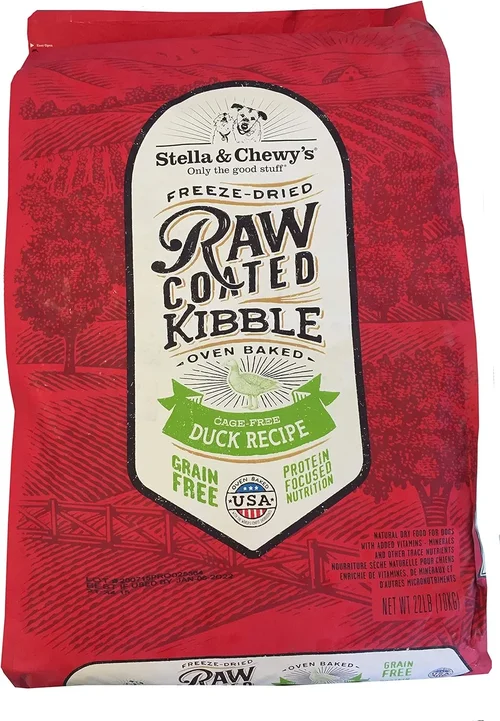
Best for Advanced Users: Stella & Chewy’s Freeze-Dried Raw Small Breed – For owners committed to a raw-inspired diet. Minimally processed, grain-free, and packed with nutrients. Requires rehydration but offers maximum bioavailability.
Conclusion: Making the Right Choice
Choosing the best chewy dog food for your small dog is about more than just picking a bag off the shelf—it’s about understanding your dog’s unique physiology, nutritional needs, and lifestyle. From kibble size and protein quality to life stage appropriateness and ingredient transparency, every detail matters when it comes to supporting your pup’s long-term health and happiness.
Remember, there’s no single “best” food for every small dog. What works for one may not suit another. The key is to stay informed, observe your dog’s response to different diets, and make adjustments as needed. Don’t be swayed by flashy packaging or celebrity endorsements—focus on science, transparency, and real-world results.
By using the guidelines in this buying guide, you’re already ahead of the curve. You now have the knowledge to evaluate products critically, avoid common pitfalls, and invest wisely in your dog’s nutrition. Whether you’re feeding a rambunctious puppy or a dignified senior, the right food can make all the difference in their energy, coat, digestion, and overall well-being.
Take the time to read labels, consult your vet, and listen to your dog. With the right food, your small companion can enjoy a vibrant, healthy life—one delicious, perfectly sized kibble at a time.