
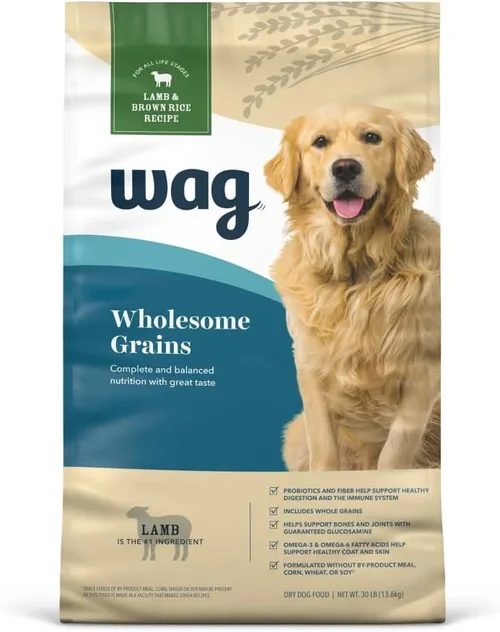
Choosing the right commercial dog food for your furry companion is one of the most important decisions you’ll make as a pet owner. With thousands of brands, formulas, and ingredient combinations flooding the market, it’s easy to feel overwhelmed. From grain-free kibble to raw-inspired freeze-dried options, from budget-friendly bags to premium organic blends—navigating this landscape requires more than just a quick glance at the label. What your dog eats directly impacts their energy levels, coat health, digestion, immune function, and even lifespan. That’s why investing time in understanding what truly makes a high-quality dog food is not just smart—it’s essential.
This comprehensive buying guide is designed to cut through the noise and deliver expert-level insights tailored for real-world pet parents. Whether you’re feeding a rambunctious puppy, a senior dog with sensitive joints, or a working breed that needs sustained energy, we’ll walk you through every critical factor you need to consider. You’ll learn how to decode ingredient lists like a pro, understand nutritional requirements by life stage, avoid marketing traps, and identify which foods offer genuine value versus those that are all hype. By the end of this guide, you’ll have the confidence and knowledge to choose a commercial dog food that supports your dog’s unique needs—without overspending or compromising on quality.
The commercial dog food market has evolved dramatically over the past decade. Once dominated by a handful of mass-market brands, it now features a diverse ecosystem of niche players, vet-formulated diets, subscription services, and even AI-driven personalized nutrition plans. In 2026, consumers benefit from greater transparency, improved sourcing standards, and more science-backed formulations than ever before. However, this abundance also brings confusion: buzzwords like “natural,” “holistic,” and “human-grade” are often used loosely, and not all premium-priced foods deliver on their promises. Our goal is to equip you with a clear, actionable framework so you can make informed choices based on facts—not flashy packaging or celebrity endorsements.

What to Look for When Buying Commercial Dog Food
1. Life Stage & Nutritional Needs
Dogs have vastly different nutritional requirements depending on their age, size, activity level, and health status. Puppies need higher levels of protein, fat, calcium, and DHA for brain and bone development, while senior dogs often benefit from lower-calorie diets with joint-supporting supplements like glucosamine and chondroitin. Active or working breeds may require calorie-dense formulas with added omega fatty acids for endurance, whereas sedentary or overweight dogs thrive on fiber-rich, lower-fat options.
Always check the AAFCO (Association of American Feed Control Officials) statement on the bag. It should specify whether the food is “complete and balanced” for a particular life stage—such as “growth,” “maintenance,” or “all life stages.” Avoid foods that only meet “intermittent feeding” standards unless advised by your veterinarian. For example, a large-breed puppy fed a high-calcium adult formula could develop skeletal issues, while a senior dog on a puppy diet might gain excessive weight.
2. Ingredient Quality & Sourcing
The first five ingredients listed on a dog food label carry the most weight—literally and nutritionally. Look for named animal proteins as the primary ingredient (e.g., “deboned chicken” or “salmon meal”) rather than vague terms like “poultry by-product” or “meat meal.” Whole meats provide highly digestible amino acids, while meat meals are concentrated protein sources that have been rendered—still valuable but less bioavailable than fresh meat.
Avoid fillers like corn, wheat, soy, and artificial preservatives (BHA, BHT, ethoxyquin). These offer little nutritional value and may trigger allergies or digestive upset in sensitive dogs. Instead, prioritize whole grains (like oats or brown rice), legumes (peas, lentils), and vegetables (sweet potatoes, carrots) that contribute fiber, vitamins, and antioxidants. If a brand claims “grain-free,” ensure it uses alternative carb sources responsibly—some grain-free diets linked to dilated cardiomyopathy (DCM) in dogs relied heavily on legumes without adequate taurine supplementation.
3. Protein Content & Digestibility
Protein is the cornerstone of canine nutrition, supporting muscle maintenance, immune function, and healthy skin and coat. Adult dogs generally need at least 18–25% crude protein on a dry matter basis, while puppies and lactating females require 22–32%. However, higher percentage doesn’t always mean better—what matters most is digestibility. A food with 30% protein from low-quality sources may be less beneficial than one with 24% from highly digestible ingredients like chicken, lamb, or fish.
Look for foods that disclose protein digestibility scores or use hydrolyzed proteins if your dog has known food sensitivities. Many premium brands now include probiotics and prebiotics to enhance gut health and nutrient absorption. For instance, a study by the University of Illinois found that dogs fed diets with added Bacillus coagulans (a probiotic strain) showed improved stool quality and increased nutrient utilization.
4. Fat Content & Essential Fatty Acids
Dietary fat provides concentrated energy and supports absorption of fat-soluble vitamins (A, D, E, K). It also contributes to a shiny coat and healthy skin. Adult dogs typically need 5–15% fat, while puppies and active dogs may require up to 20%. The source matters: look for named fats like “chicken fat” or “salmon oil” rather than generic “animal fat.”
Omega-3 and omega-6 fatty acids are critical for reducing inflammation, supporting cognitive function, and maintaining skin barrier integrity. Cold-water fish oils (rich in EPA and DHA) and flaxseed (source of ALA) are excellent additions. Avoid excessive omega-6 dominance, which can promote inflammation—aim for a balanced ratio closer to 5:1 to 10:1 (omega-6 to omega-3). Brands like Wellness CORE and Orijen include marine-sourced omegas to support this balance.
5. Additives, Preservatives & Processing Methods
How dog food is processed significantly impacts its nutritional integrity. Extruded kibble (most common) is cooked at high temperatures, which can degrade heat-sensitive nutrients like vitamin C and certain amino acids. However, many manufacturers compensate by adding synthetic vitamins post-processing. Freeze-dried and gently air-dried foods retain more natural enzymes and nutrients but come at a higher price point.
Natural preservatives like mixed tocopherols (vitamin E), rosemary extract, and ascorbic acid are preferable to chemical alternatives. Avoid foods listing “artificial colors” or “flavors”—these serve no nutritional purpose and may cause hyperactivity or allergic reactions in some dogs. If your dog has a sensitive stomach, consider limited-ingredient diets (LIDs) that minimize potential allergens.
6. Brand Transparency & Manufacturing Practices
Not all dog food companies operate with the same level of accountability. Reputable brands provide detailed information about ingredient sourcing, manufacturing facilities, and quality control measures. Look for companies that conduct regular third-party testing, publish feeding trials, and are members of the Pet Food Institute or Global Animal Partnership.
Check if the brand owns its own facilities or outsources production. In-house manufacturing often allows for tighter quality control. Also, verify whether the food is produced in countries with stringent pet food regulations (e.g., USA, Canada, EU) versus regions with lax oversight. Transparency extends to recalls: review the brand’s recall history on the FDA website. A single recall doesn’t necessarily disqualify a brand, but a pattern of issues should raise red flags.
7. Price vs. Value
It’s tempting to equate higher price with better quality, but that’s not always true. Some mid-tier brands offer excellent nutrition at reasonable prices by avoiding costly marketing campaigns or celebrity partnerships. Conversely, expensive “boutique” brands may inflate costs due to packaging or distribution rather than superior ingredients.
Calculate cost per pound or per feeding to compare value accurately. A $70 bag of kibble might seem steep, but if it lasts twice as long as a $40 bag due to higher caloric density, it could be more economical. Consider subscription discounts, auto-ship programs, and bulk purchasing options. Also, factor in potential vet bills: a nutrient-deficient diet may save money upfront but lead to costly health problems down the line.
8. Palatability & Digestibility
Even the most nutritious food is useless if your dog refuses to eat it. Palatability depends on aroma, texture, fat content, and flavor enhancers. Many dogs prefer foods with real meat juices, broth coatings, or freeze-dried raw bits mixed in. However, avoid foods relying solely on artificial palatants like “digested animal protein” or “yeast extract,” which can encourage picky eating.
Digestibility affects how much nutrition your dog actually absorbs. High-quality proteins and easily digestible carbs result in smaller, firmer stools—a good indicator of efficient digestion. If your dog experiences frequent gas, diarrhea, or loose stools after switching foods, the formula may not suit their system. Gradual transitions (over 7–10 days) help minimize gastrointestinal upset.
Different Types of Commercial Dog Food

Common Buying Mistakes to Avoid

❌ Mistake: Choosing Based Solely on Marketing Claims
Why it’s bad: Terms like “natural,” “premium,” and “gourmet” are unregulated in pet food and can mislead consumers. A bag may boast “grain-free” while loading up on peas and potatoes—ingredients linked to DCM in some dogs.
What to do instead: Focus on the ingredient list and guaranteed analysis. Verify AAFCO compliance and research the brand’s reputation independently.
❌ Mistake: Ignoring Your Dog’s Individual Needs
Why it’s bad: Feeding a high-protein diet to a sedentary senior dog can strain kidneys, while a low-calorie food may leave an active Border Collie undernourished.
What to do instead: Consult your vet about your dog’s specific requirements. Consider factors like breed predispositions (e.g., large breeds prone to bloat), allergies, and metabolic rate.
❌ Mistake: Switching Foods Too Quickly
Why it’s bad: Abrupt changes can cause diarrhea, vomiting, or refusal to eat. The gut microbiome needs time to adapt.
What to do instead: Transition gradually over 7–10 days, mixing increasing amounts of new food with the old.
❌ Mistake: Overlooking Expiration Dates & Storage
Why it’s bad: Rancid fats and degraded vitamins reduce nutritional value and may cause illness. Opened kibble exposed to air loses freshness rapidly.
What to do instead: Store food in a cool, dry place in an airtight container. Use within 6 weeks of opening. Check “best by” dates before purchasing.
❌ Mistake: Assuming All “Human-Grade” Foods Are Better
Why it’s bad: “Human-grade” refers to ingredient handling standards, not nutritional superiority. Some human-grade foods lack essential canine nutrients like taurine.
What to do instead: Prioritize AAFCO-complete formulas over marketing labels. Human-grade is a bonus, not a requirement.
❌ Mistake: Feeding Excessive Treats or Table Scraps
Why it’s bad: Treats should not exceed 10% of daily caloric intake. Overfeeding disrupts nutrient balance and contributes to obesity.
What to do instead: Use healthy, low-calorie treats or portion-safe veggies (carrots, green beans). Adjust meal portions if giving frequent rewards.
❌ Mistake: Not Monitoring Your Dog’s Response
Why it’s bad: Even high-quality food may not suit every dog. Subtle signs like dull coat, lethargy, or irregular stools indicate poor fit.
What to do instead: Keep a feeding journal. Note energy levels, coat condition, stool quality, and appetite. Adjust as needed.
Budget Guidelines: How Much Should You Spend?
- Entry-Level ($15–$30 per 30 lb bag): Suitable for healthy adult dogs with no special dietary needs. Look for brands like Purina ONE or Iams that meet AAFCO standards with recognizable ingredients. Avoid ultra-cheap options with excessive fillers.
- Mid-Range ($35–$60 per 30 lb bag): The sweet spot for most pet owners. Brands like Blue Buffalo Life Protection, Nutro Wholesome Essentials, and Taste of the Wild offer high meat content, limited fillers, and added supplements. Often include probiotics and omega fatty acids.
- Premium ($65–$100 per 30 lb bag): Ideal for dogs with sensitivities, performance needs, or owners prioritizing ingredient quality. Examples include Wellness CORE, Merrick Grain-Free, and Fromm Family Foods. Features novel proteins, organic produce, and advanced formulations.
- Luxury ($100+ per bag or equivalent): Includes freeze-dried raw (Stella & Chewy’s), air-dried (Ziwi Peak), and custom diets (The Farmer’s Dog). Best for dogs with severe allergies, owners committed to raw feeding, or those willing to pay for convenience and traceability.
Expert Tips for Getting the Best Deal
- Buy in Bulk During Sales: Major retailers like Chewy, Petco, and Amazon offer 20–30% off during Black Friday, Prime Day, or end-of-season clearances. Stock up on non-perishable kibble when prices dip.
- Subscribe & Save: Most online pet stores provide 5–15% discounts for auto-ship orders. You’ll never run out, and shipping is often free.
- Compare Unit Prices: A 40 lb bag isn’t always cheaper per pound than a 20 lb bag. Always divide total cost by weight to find the true value.
- Check Local Co-Ops & Farm Stores: Some regional suppliers offer high-quality kibble at lower prices due to reduced distribution costs.
- Read Return Policies: Ensure the retailer allows returns if your dog refuses the food. Chewy, for example, accepts unopened returns within 365 days.
- Ask Your Vet for Samples: Many clinics receive trial-sized bags from reputable brands. Test a small amount before committing to a full purchase.
- Join Loyalty Programs: PetSmart Pals and Chewy Autoship offer points, birthday rewards, and exclusive coupons.
- Beware of “Too Good to Be True” Deals: Extremely low prices often indicate outdated stock, discontinued formulas, or compromised quality.
Frequently Asked Questions
Q: Is grain-free dog food better?
A: Not necessarily. While grain-free diets benefit dogs with diagnosed grain allergies, most dogs digest grains like rice and oats perfectly well. The FDA has investigated a potential link between grain-free diets high in legumes and DCM in certain breeds. Consult your vet before switching.
Q: How often should I change my dog’s food?
A: There’s no need to rotate foods unless your dog shows signs of intolerance or boredom. Consistency supports gut health. If rotating, do so gradually and limit to 2–3 trusted brands to avoid digestive upset.
Q: Can I mix wet and dry food?
A: Absolutely! Many owners combine both for variety, enhanced palatability, and added moisture. Just adjust portions to avoid overfeeding—wet food is calorie-dense.
Q: What’s the difference between “meal” and “by-product”?
A: Meat meal (e.g., chicken meal) is rendered, dried animal tissue—high in protein and safe when sourced properly. By-products include organs, blood, and bones; some are nutritious (like liver), but low-quality versions may contain inedible parts. Look for “named” by-products (e.g., “chicken by-product meal”).
Q: How long can I store opened dog food?
A: Dry kibble stays fresh for 6–8 weeks in an airtight container. Wet food should be refrigerated and used within 3–5 days. Freeze unused portions in ice cube trays for easy serving.
Q: Should I feed my dog a raw diet instead?
A: Raw diets carry risks like bacterial contamination (Salmonella, Listeria) and nutritional imbalances if not properly formulated. If interested, choose commercially prepared raw foods that meet AAFCO standards or consult a veterinary nutritionist.
Q: Are organic dog foods worth the cost?
A: Organic certification ensures ingredients are grown without synthetic pesticides or GMOs, but it doesn’t guarantee superior nutrition. If budget allows and you prioritize sustainability, organic can be a great choice—but focus first on protein quality and digestibility.
Q: My dog has food allergies. What should I feed?
A: Start with a limited-ingredient diet using novel proteins (duck, venison, kangaroo) and single carbohydrate sources (sweet potato, pea). Hydrolyzed protein diets (prescribed by vets) break proteins into tiny pieces to avoid immune reactions.
Q: How much should my dog eat per day?
A: Feeding guidelines on bags are estimates. Adjust based on your dog’s weight, age, activity, and body condition. Use a body condition score chart—you should be able to feel ribs without seeing them.
Q: Can puppies eat adult dog food?
A: No. Puppy food contains higher calories, protein, calcium, and DHA crucial for development. Adult food lacks these nutrients and may stunt growth or cause deficiencies.
Our Final Recommendations
- Best for Budget-Conscious Buyers: Purina ONE SmartBlend – Offers real meat as the first ingredient, added vitamins, and proven digestibility at an accessible price. AAFCO-complete for all life stages.
- Best Overall Value: Blue Buffalo Life Protection Formula – Balanced nutrition with deboned chicken, brown rice, and LifeSource Bits (antioxidant blend). Widely available and vet-recommended.
- Best Premium Option: Wellness CORE Grain-Free Original – High-protein, low-carb formula with turkey, chicken meal, and probiotics. Excellent for active dogs and those needing weight management.
- Best for Beginners: Hill’s Science Diet Adult – Trusted by veterinarians for decades, easy to find, and formulated for optimal digestion and immunity. Great for first-time dog owners.
- Best for Advanced Users: Stella & Chewy’s Freeze-Dried Raw – Mimics a raw diet with 95% meat content, no grains, and added probiotics. Ideal for owners committed to species-appropriate nutrition.
Conclusion: Making the Right Choice
Selecting the best commercial dog food isn’t about finding the most expensive or trendiest option—it’s about matching your dog’s unique physiology, lifestyle, and health needs with a scientifically sound, transparently sourced formula. Throughout this guide, we’ve emphasized the importance of reading beyond marketing claims, understanding nutritional fundamentals, and observing your dog’s individual response. Remember, the ideal food supports not just survival, but thriving: bright eyes, a glossy coat, consistent energy, and healthy digestion.
Prioritize quality ingredients, appropriate life-stage nutrition, and brand accountability. Don’t be swayed by gimmicks or fear-based advertising. Instead, use the tools and criteria outlined here to evaluate options critically. And when in doubt, consult your veterinarian or a board-certified veterinary nutritionist—they can provide personalized guidance based on bloodwork, breed risks, and medical history.
Your dog relies on you for every meal. By investing time in choosing wisely, you’re not just feeding them—you’re giving them the foundation for a longer, healthier, and happier life. Start today: review your current food against our checklist, consider a gradual switch if needed, and celebrate the small wins along the way. Because when your dog wags their tail at dinnertime, you’ll know you’ve made the right choice.