

When your dog is diagnosed with kidney disease, it’s natural to feel overwhelmed. Suddenly, every meal becomes a medical decision. You’re no longer just feeding your best friend—you’re managing a chronic condition that demands precision, care, and informed choices. That’s where this guide comes in. We’ve spent months researching, consulting veterinary nutritionists, analyzing ingredient lists, and reviewing real-world feedback from pet owners to bring you the most comprehensive, up-to-date buying guide for commercial dog food designed specifically for dogs with kidney disease.
This isn’t just a list of products. It’s a roadmap to better health for your dog. Whether you’re dealing with early-stage kidney insufficiency or advanced renal failure, the right diet can slow disease progression, improve quality of life, and extend your dog’s time with you. In this guide, you’ll learn exactly what to look for in kidney-supportive dog food, how to compare brands and formulas, and how to avoid common pitfalls that could do more harm than good. We’ll break down complex nutritional science into practical advice, so you can make confident decisions without needing a degree in veterinary medicine.
The market for therapeutic and renal-support dog foods has exploded in recent years, with both prescription and over-the-counter options flooding store shelves and online retailers. From veterinary-exclusive brands like Hill’s and Royal Canin to premium natural lines like Purina Pro Plan and Blue Buffalo, the choices can be dizzying. But not all “kidney-friendly” labels are created equal. Some products make bold claims without the science to back them up. Others may be suitable for maintenance but fall short when it comes to managing active kidney disease. Our goal is to cut through the noise and give you clarity—so you can focus on what matters most: your dog’s comfort, happiness, and long-term well-being.

What to Look for When Buying Buying Guide
1. Low Phosphorus Content
Phosphorus restriction is one of the most critical dietary interventions for dogs with kidney disease. As kidney function declines, the organs struggle to filter and excrete excess phosphorus, leading to dangerous buildup in the bloodstream. This condition, called hyperphosphatemia, accelerates kidney damage, contributes to secondary hyperparathyroidism, and increases the risk of mineralization in soft tissues. For dogs with Stage 2 or higher kidney disease (as classified by the International Renal Interest Society), phosphorus intake should be tightly controlled.
Look for dog foods with phosphorus levels below 0.5% on a dry matter basis (DMB). To calculate DMB, you’ll need to convert the guaranteed analysis from an “as-fed” basis (which includes moisture) to a moisture-free value. For example, if a food contains 10% moisture and lists 0.6% phosphorus, the dry matter phosphorus is (0.6 / (100 – 10)) × 100 = 0.67%—still too high for many renal patients. Ideally, aim for foods with phosphorus under 0.3–0.4% DMB for advanced cases. Many prescription renal diets achieve this through careful ingredient selection and sometimes the addition of phosphate binders.
2. High-Quality, Highly Digestible Protein
Protein restriction is often misunderstood. While it’s true that dogs with kidney disease benefit from reduced protein intake, the goal isn’t to eliminate protein entirely—it’s to provide high-quality, easily digestible protein that minimizes nitrogenous waste. When protein is broken down, it produces urea and other nitrogenous compounds that the kidneys must filter. Overloading a compromised kidney with poor-quality or excessive protein can worsen uremia and lead to lethargy, nausea, and poor coat condition.
However, dogs still need adequate protein to maintain muscle mass, support immune function, and prevent protein-losing conditions. The key is balance. Look for foods with moderate protein levels—typically between 14% and 20% on a dry matter basis—sourced from highly bioavailable ingredients like egg, chicken, turkey, or hydrolyzed proteins. Avoid foods with excessive plant-based proteins (like soy or corn gluten meal) as primary sources, as they’re less efficient and may contribute to higher waste production.
3. Controlled Sodium Levels
Sodium plays a dual role in kidney disease. On one hand, excessive sodium can increase blood pressure, which puts additional strain on already weakened kidneys. On the other hand, overly restrictive sodium can lead to poor appetite, lethargy, and even sodium depletion in some cases. The goal is moderation—not elimination.
For dogs with kidney disease, sodium should be kept at or below 0.3% on a dry matter basis. This helps manage hypertension without compromising palatability or electrolyte balance. Avoid foods with added salt (sodium chloride) listed among the top five ingredients. Also, be cautious with treats and table scraps, which can easily push sodium levels too high. If your dog has concurrent heart disease or hypertension, your veterinarian may recommend even stricter sodium control.
4. Added Omega-3 Fatty Acids
Omega-3 fatty acids, particularly EPA (eicosapentaenoic acid) and DHA (docosahexaenoic acid), have been shown to reduce inflammation, lower blood pressure, and slow the progression of kidney disease in dogs. These beneficial fats help protect the delicate glomeruli—the filtering units of the kidneys—and may reduce proteinuria (protein in the urine), a common sign of kidney damage.
Look for dog foods that include fish oil or algae oil as a source of omega-3s. The ideal ratio of omega-6 to omega-3 fatty acids should be between 5:1 and 10:1. Many therapeutic renal diets now include therapeutic levels of EPA and DHA—sometimes as high as 0.5% to 1.0% combined on a dry matter basis. If your chosen food doesn’t contain sufficient omega-3s, your vet may recommend a supplement, but always consult them first to avoid overdosing.
5. Enhanced Antioxidant Profile
Chronic kidney disease creates oxidative stress—an imbalance between free radicals and antioxidants in the body. This stress damages cells, including those in the kidneys, and contributes to disease progression. Antioxidants like vitamin E, vitamin C, selenium, and beta-carotene help neutralize free radicals and support overall cellular health.
Therapeutic renal diets often include elevated levels of antioxidants to combat this effect. For example, Hill’s k/d includes added vitamin E and beta-carotene, while Royal Canin Renal Support contains a blend of antioxidants. These aren’t just marketing buzzwords—they’re evidence-based additions that can make a real difference in your dog’s long-term prognosis.
6. Palatability and Appetite Stimulation
One of the biggest challenges in managing kidney disease is maintaining your dog’s appetite. As kidney function declines, dogs often experience nausea, vomiting, and a reduced sense of smell and taste, leading to food aversion. A food that’s nutritionally perfect but uneaten is of no use.
Look for renal diets that prioritize palatability through flavor enhancers, moisture content, and aroma. Wet (canned) formulas are often more appealing than dry kibble, especially for dogs with decreased thirst drive or dental issues. Some brands add broth, meat juices, or natural flavorings to boost appeal. If your dog is a picky eater, consider rotating between two vet-approved renal diets to prevent boredom.
7. Prescription vs. Over-the-Counter Options
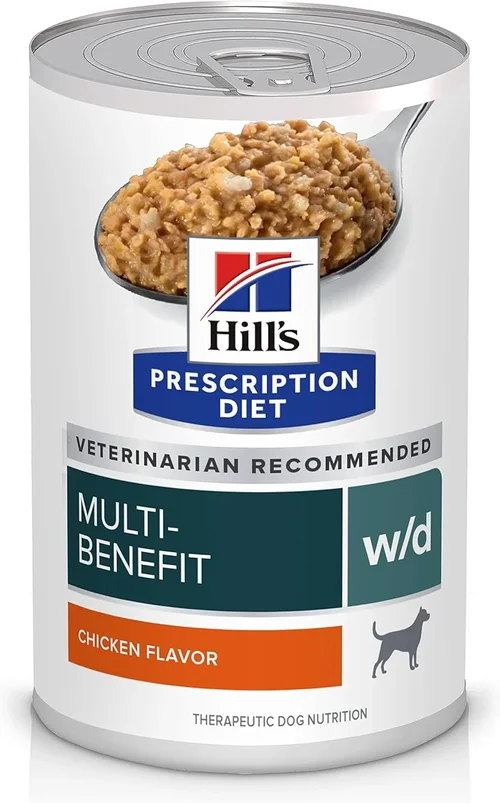
This is a critical decision point. Prescription renal diets are formulated under strict veterinary guidelines and are backed by clinical research. They’re typically available only through veterinarians and are designed to meet the specific nutritional needs of dogs with confirmed kidney disease. Brands like Hill’s Prescription Diet k/d, Royal Canin Renal Support, and Purina Pro Plan Veterinary Diets NF are considered gold standards.
Over-the-counter (OTC) “kidney support” foods, while more accessible and often less expensive, vary widely in quality and efficacy. Some are well-formulated and suitable for early-stage disease or maintenance, but many lack the precise nutrient control needed for active management. If your dog has been diagnosed with kidney disease, we strongly recommend starting with a prescription diet unless your vet advises otherwise. OTC options may be appropriate for prevention or mild cases, but they should never replace veterinary guidance.
8. Moisture Content and Hydration Support
Dehydration is a major concern in dogs with kidney disease. Impaired kidney function reduces the ability to concentrate urine, leading to increased water loss and a higher risk of dehydration. Wet food can play a crucial role in maintaining hydration, as it contains 70–80% water compared to 10% in dry kibble.
For dogs with kidney disease, especially those in later stages, feeding a primarily wet diet—or mixing wet and dry—can significantly improve fluid intake. Some owners even add low-sodium broth or water to kibble to increase moisture. Always ensure fresh water is available at all times, and monitor your dog’s water consumption. Increased thirst and urination are common signs of kidney disease, but consistent access to fluids is essential.
Different Types of Buying Guide

Common Buying Mistakes to Avoid
❌ Mistake: Choosing Based on Price Alone
Why it’s bad: While budget is important, the cheapest kidney food may not meet your dog’s medical needs. Low-cost options often use fillers, lower-quality proteins, and higher phosphorus levels, which can accelerate kidney damage. Saving a few dollars now could lead to higher vet bills and reduced quality of life later.
What to do instead: Prioritize nutritional adequacy over cost. Look for value—not just low price. A mid-range prescription diet may cost more upfront but can slow disease progression and reduce the need for medications or hospitalization.
❌ Mistake: Ignoring the Guaranteed Analysis
Why it’s bad: Marketing claims like “supports kidney health” or “low phosphorus” aren’t regulated strictly. A food may claim to be kidney-friendly but still contain harmful levels of phosphorus or sodium.
What to do instead: Always read the guaranteed analysis on the label. Calculate dry matter values if needed. Compare phosphorus, protein, and sodium levels across brands. When in doubt, ask your vet to review the label.
❌ Mistake: Switching Foods Too Quickly or Without Guidance
Why it’s bad: Sudden diet changes can cause gastrointestinal upset, especially in dogs with compromised health. Introducing a new food too fast may lead to vomiting, diarrhea, or refusal to eat.
What to do instead: Transition gradually over 7–10 days, mixing increasing amounts of the new food with the old. Always consult your veterinarian before making any dietary changes, especially if your dog is on medication.
❌ Mistake: Overlooking Hydration Needs
Why it’s bad: Many owners focus solely on food and forget that hydration is equally critical. Dehydration worsens kidney function and can lead to acute crises.
What to do instead: Feed wet food whenever possible. Add water or low-sodium broth to dry kibble. Monitor water intake and urine output. Encourage drinking with multiple water stations or a pet fountain.
❌ Mistake: Using Supplements Without Veterinary Approval
Why it’s bad: Supplements like phosphorus binders, omega-3s, or probiotics can interact with medications or cause imbalances if used incorrectly. For example, too much vitamin D can be toxic to dogs with kidney disease.
What to do instead: Only use supplements prescribed or approved by your veterinarian. Keep a detailed log of all medications and supplements your dog is taking.
❌ Mistake: Sticking to One Brand Indefinitely
Why it’s bad: Your dog’s nutritional needs may change as kidney disease progresses. What works in Stage 2 may not be appropriate in Stage 4. Additionally, long-term use of a single food can lead to nutrient deficiencies or boredom.
What to do instead: Schedule regular check-ups (every 3–6 months) to reassess your dog’s condition. Be open to adjusting the diet based on bloodwork, weight, and appetite.
❌ Mistake: Assuming All “Natural” or “Holistic” Foods Are Safe
Why it’s bad: Terms like “natural” and “holistic” are not regulated in pet food and don’t guarantee suitability for medical conditions. Some natural ingredients (like certain herbs or high-phosphorus meats) may be harmful to dogs with kidney disease.
What to do instead: Focus on science-backed formulations. Choose foods with clear nutritional profiles and veterinary support, regardless of marketing labels.
Budget Guidelines: How Much Should You Spend?
– Entry-Level ($1.50–$2.50 per lb): This range typically includes over-the-counter kidney support foods from brands like Blue Buffalo or Iams. While more affordable, these may not offer the precise nutrient control needed for advanced disease. Best for early-stage support or budget-conscious owners under veterinary supervision.
– Mid-Range ($2.50–$3.50 per lb): This is the sweet spot for most owners. It includes reputable prescription diets like Hill’s k/d and Royal Canin Renal Support, which balance cost, quality, and clinical efficacy. These foods are widely available through vets and online retailers with a prescription.
– Premium ($3.50–$4.50 per lb): Premium options often include enhanced formulations with higher levels of omega-3s, antioxidants, and novel proteins. Brands like Purina Pro Plan Veterinary Diets and Rayne Clinical Nutrition fall into this category. Ideal for dogs with complex needs or those not responding to standard diets.
– Luxury ($4.50+ per lb): At this tier, you’ll find fresh, frozen, or custom-formulated diets from companies like The Farmer’s Dog or Nom Nom, tailored to renal needs. These are convenient and highly palatable but require veterinary oversight to ensure nutritional adequacy. Best for owners willing to invest in convenience and customization.
Expert Tips for Getting the Best Deal
– Buy in Bulk (When Appropriate): Many online retailers offer discounts for larger quantities. If your dog tolerates a food well, consider buying a 15–20 lb bag instead of smaller packages. Just ensure the food stays fresh and isn’t stored beyond its expiration date.
– Use Autoship Programs: Most major pet food websites (Chewy, Petco, Amazon) offer autoship discounts of 5–15%. This not only saves money but ensures you never run out of critical medication food.
– Ask Your Vet About Samples: Many veterinary clinics provide free samples of prescription diets. This allows you to test palatability before committing to a large purchase.
– Check for Manufacturer Rebates: Brands like Hill’s and Royal Canin often run rebate programs for first-time buyers or during promotional periods. These can save $10–$20 per bag.
– Compare Online vs. In-Store Prices: Online prices are often lower due to reduced overhead. However, factor in shipping costs and delivery times. Some vets also offer competitive pricing, especially for long-term clients.
– Read Return Policies: If your dog refuses the food, you’ll want to know if you can return it. Most reputable retailers allow returns on unopened bags, but policies vary.
– Monitor for Sales: Major holidays (Black Friday, Memorial Day) often bring discounts on pet food. Sign up for newsletters to get early alerts.
– Consider Wet Food Alternatives: While wet food is more expensive per pound, it can reduce the need for additional hydration support or medications, potentially saving money in the long run.

Frequently Asked Questions
Q: Can I feed my dog regular dog food if they have early-stage kidney disease?
A: It depends on the severity and your vet’s recommendation. In very early stages (Stage 1), a high-quality, low-phosphorus maintenance diet may be sufficient. However, as the disease progresses, a therapeutic renal diet is usually necessary to slow damage and manage symptoms.
Q: Is grain-free food better for dogs with kidney disease?
A: Not necessarily. Grain-free diets are beneficial for dogs with grain allergies, but grains themselves aren’t harmful to kidneys. In fact, some grains provide valuable fiber and energy. Focus on overall nutrient profile rather than grain content.
Q: How often should I feed my dog with kidney disease?
A: Small, frequent meals (3–4 times per day) are often better than one or two large meals. This reduces the metabolic load on the kidneys and can improve appetite and digestion.
Q: Can I mix wet and dry kidney food?
A: Yes, and it’s often encouraged. Mixing textures can improve palatability and hydration. Just ensure the total daily intake meets your dog’s caloric and nutritional needs.
Q: What if my dog refuses to eat the kidney diet?
A: This is common. Try warming the food, adding low-sodium broth, or mixing in a small amount of their old food during transition. If refusal persists, consult your vet—they may recommend appetite stimulants or alternative formulas.
Q: Are homemade diets safe for kidney disease?
A: Only if formulated by a veterinary nutritionist. Homemade diets can be nutritionally imbalanced and may lack essential nutrients or contain harmful levels of phosphorus. Always work with a professional.
Q: How long can a dog live with kidney disease on a proper diet?
A: With early detection and proper management, many dogs live 2–4 years or more after diagnosis. Diet is a key factor in slowing progression and maintaining quality of life.
Q: Can I give my dog treats while on a kidney diet?
A: Yes, but choose kidney-friendly treats low in phosphorus and sodium. Options include small pieces of cooked chicken, green beans, or commercially available renal treats. Avoid high-protein or high-salt snacks.
Q: Should I switch to a kidney diet immediately after diagnosis?
A: Your vet will guide the timing based on bloodwork and symptoms. In some cases, immediate transition is recommended. In others, a gradual shift is safer.
Q: Do all dogs with kidney disease need prescription food?
A: Not always. Mild cases may be managed with high-quality OTC diets, but prescription foods are generally recommended for confirmed kidney disease due to their precision and clinical support.
Our Final Recommendations
– Best for Budget-Conscious Buyers: Purina Pro Plan Veterinary Diets NF Kidney Function – Offers excellent nutritional balance at a lower price point than some competitors, with strong veterinary backing.
– Best Overall Value: Hill’s Prescription Diet k/d – The gold standard in renal nutrition, clinically proven to extend life and improve quality of life. Available in wet and dry forms.
– Best Premium Option: Royal Canin Renal Support D – Features enhanced palatability, targeted nutrient levels, and a blend of antioxidants and omega-3s. Ideal for picky eaters.
– Best for Beginners: Blue Buffalo Natural Veterinary Diet KS Kidney Support – An over-the-counter option with clear labeling and natural ingredients, suitable for early-stage disease or prevention.
– Best for Advanced Users: Rayne Clinical Nutrition Adult Maintenance Low Phosphorus – A scientifically advanced formula with hydrolyzed proteins and precise nutrient control, designed for complex cases.
Conclusion: Making the Right Choice
Choosing the right dog food for a pet with kidney disease is one of the most important decisions you’ll make as a caregiver. It’s not just about nutrition—it’s about love, responsibility, and giving your dog the best possible chance at a comfortable, fulfilling life. While the process may feel overwhelming at first, armed with the right knowledge, you can navigate the options with confidence.
Remember, no single food is perfect for every dog. What works for one may not suit another. The key is to work closely with your veterinarian, monitor your dog’s response, and be willing to adjust as needed. Prioritize low phosphorus, high-quality protein, hydration, and palatability. Avoid common pitfalls like price-driven decisions or unverified supplements. And above all, trust your instincts—you know your dog better than anyone.
This guide is designed to empower you, not replace professional advice. Use it as a foundation, but always consult your vet before making changes. With the right diet, regular care, and plenty of love, your dog can continue to enjoy life—even with kidney disease. You’re not just feeding them. You’re giving them more time, more comfort, and more moments by your side. And that’s priceless.