
As our beloved canine companions enter their golden years, their nutritional needs undergo significant changes. Senior dogs—typically those over seven years of age, though this varies by breed size—experience slower metabolisms, reduced activity levels, joint stiffness, and increased susceptibility to chronic conditions like kidney disease, arthritis, and cognitive decline. Choosing the right commercial dog food becomes more than just a matter of preference; it’s a vital component of maintaining health, mobility, and quality of life during these precious final years.
This comprehensive guide is designed to empower dog owners with expert-level knowledge to make informed decisions when selecting the best commercial dog food for senior dogs. Whether you’re navigating your first senior dog or are a seasoned pet parent looking to optimize your pup’s diet, this article will walk you through every critical factor—from ingredient quality and life-stage formulation to budget considerations and common pitfalls. With the pet food market flooded with options ranging from budget kibble to premium prescription diets, knowing what truly matters can feel overwhelming. Our goal is to cut through the marketing noise and deliver practical, science-backed advice that prioritizes your dog’s well-being above all else.
The senior dog food segment has evolved dramatically in recent years, driven by advances in veterinary nutrition and growing consumer demand for transparency and quality. Today’s top brands incorporate functional ingredients like glucosamine for joint support, omega-3 fatty acids for brain and coat health, and easily digestible proteins to accommodate aging digestive systems. However, not all “senior” labels are created equal—some are little more than marketing gimmicks with minimal nutritional adjustments. In this guide, we’ll explore the key factors to evaluate, compare different types of senior dog food, highlight common buying mistakes, and provide actionable recommendations tailored to various needs and budgets. By the end, you’ll have the confidence to choose a diet that supports your senior dog’s vitality, comfort, and longevity.
What to Look for When Buying Senior Dog Food
1. High-Quality Protein Sources
As dogs age, maintaining muscle mass becomes increasingly important. Sarcopenia—the natural loss of muscle tissue with age—can lead to weakness, reduced mobility, and a decline in overall health. Therefore, senior dog food should prioritize high-quality, highly digestible protein sources. Look for named animal proteins listed first on the ingredient panel, such as “chicken,” “turkey,” “salmon,” or “lamb,” rather than vague terms like “meat meal” or “animal by-products.”
Protein should constitute a significant portion of a senior dog’s diet, but it must be balanced with kidney function. While excessive protein was once thought to harm aging kidneys, modern veterinary science shows that healthy senior dogs benefit from moderate to high protein levels—typically 20–28% on a dry matter basis. The key is bioavailability: proteins that are easily broken down and absorbed, such as chicken meal, egg, or fish, reduce metabolic waste and support lean muscle without overburdening the kidneys.
Avoid foods that rely heavily on plant-based proteins like corn gluten meal or soy as primary protein sources. These are less biologically appropriate for dogs and may not provide the full spectrum of essential amino acids needed for muscle maintenance. Instead, opt for formulas where animal protein is the dominant ingredient, ensuring your senior dog gets the building blocks necessary for sustained energy and strength.
2. Joint Support Ingredients
Arthritis and joint degeneration are among the most common health issues in senior dogs, affecting up to 80% of dogs over the age of eight. Therefore, joint-supporting ingredients should be a cornerstone of any senior dog food formula. Glucosamine and chondroitin sulfate are well-researched compounds that help maintain cartilage integrity and reduce inflammation. These are often included in senior-specific diets, but check the guaranteed analysis or supplement panel to ensure adequate levels—typically at least 500 mg of glucosamine per 1,000 kcal.
Omega-3 fatty acids, particularly EPA and DHA from fish oil, also play a crucial role in managing joint inflammation. Look for foods that list “fish oil” or “salmon oil” as an ingredient, and aim for an omega-6 to omega-3 ratio of 5:1 or lower. This balance helps modulate the body’s inflammatory response, reducing pain and stiffness associated with osteoarthritis.
Additional joint-supportive nutrients include green-lipped mussel (a natural source of glycosaminoglycans), MSM (methylsulfonylmethane), and turmeric. While not all senior foods include these, their presence can indicate a more holistic approach to mobility support. If your dog shows signs of stiffness or reluctance to climb stairs, consider a formula enriched with these functional ingredients or discuss supplementation with your veterinarian.
3. Digestive Health and Fiber Balance
Aging dogs often experience changes in gastrointestinal function, including reduced enzyme production and slower gut transit time. This can lead to constipation, gas, or irregular bowel movements. Senior dog food should include easily digestible ingredients and a balanced fiber profile to support healthy digestion.
Soluble fibers like beet pulp, pumpkin, and psyllium husk help regulate stool consistency and feed beneficial gut bacteria. Insoluble fibers, such as cellulose, add bulk and promote regular bowel movements. The ideal senior diet contains a mix of both, typically providing 3–7% crude fiber on a dry matter basis. Avoid excessive fiber, which can interfere with nutrient absorption, especially in dogs with compromised digestion.
Probiotics are another valuable addition, helping maintain a healthy gut microbiome. Look for strains like Lactobacillus acidophilus or Enterococcus faecium listed on the label. These live cultures can improve nutrient absorption, reduce diarrhea, and support immune function—critical for older dogs whose immune systems may be weakening.
Additionally, highly digestible carbohydrates like sweet potato, oatmeal, or brown rice are preferable over corn, wheat, or soy, which can be harder to break down and may trigger sensitivities. A food that lists whole grains or novel carbs early in the ingredient list is often a better choice for senior digestive health.
4. Calorie Density and Weight Management
Senior dogs typically require 20–40% fewer calories than their adult counterparts due to decreased activity and a slower metabolism. However, their need for certain nutrients—like protein, vitamins, and minerals—remains high or even increases. This creates a nutritional paradox: fewer calories, but more nutrient density.
The best senior dog foods are formulated to be calorie-controlled without sacrificing nutritional value. Look for formulas with a caloric density of around 300–350 kcal per cup for dry food. This allows you to feed appropriate portions without overloading your dog with empty calories. Obesity in senior dogs exacerbates joint problems, diabetes risk, and cardiovascular strain, so maintaining an ideal body condition score (BCS of 4–5 out of 9) is essential.
Some brands offer “light” or “weight management” senior formulas, which can be beneficial for less active dogs. These typically include added L-carnitine—an amino acid that helps convert fat into energy—and higher fiber to promote satiety. However, avoid drastically reducing calories without veterinary guidance, as underfeeding can lead to muscle wasting and nutrient deficiencies.
If your senior dog is underweight or has a poor appetite, consider a higher-calorie senior formula or one with added fats like chicken fat or flaxseed. In such cases, consult your vet to rule out underlying conditions like dental disease, thyroid issues, or cancer, which can affect appetite and metabolism.
5. Antioxidants and Immune Support
The immune system naturally weakens with age, making senior dogs more vulnerable to infections, chronic inflammation, and oxidative stress. Antioxidants play a vital role in neutralizing free radicals and supporting cellular health. Senior dog foods should include a robust blend of natural antioxidants to bolster immune function.
Key antioxidants to look for include vitamin E, vitamin C, beta-carotene, selenium, and flavonoids from fruits and vegetables. Ingredients like blueberries, cranberries, spinach, and carrots are excellent natural sources. Some premium brands also add synthetic antioxidants like mixed tocopherols (a form of vitamin E) to preserve freshness and enhance bioavailability.
Beyond vitamins, compounds like lutein (for eye health), resveratrol (from grapes), and polyphenols (from green tea extract) are increasingly found in high-end senior formulas. These support not only immunity but also cognitive and ocular health—areas of concern as dogs age.
When evaluating antioxidant content, check the guaranteed analysis for vitamin E and selenium levels. A minimum of 200 IU/kg of vitamin E and 0.35 mg/kg of selenium is recommended for senior dogs. Avoid foods that rely solely on synthetic preservatives like BHA, BHT, or ethoxyquin, which may have negative health implications over time.
6. Dental Health Considerations
Dental disease affects over 80% of dogs by age three, and the risk increases with age. Tartar buildup, gum inflammation, and tooth loss can lead to pain, infection, and systemic health issues. While no commercial dog food can replace regular brushing, some formulations are designed to support oral health.
Kibble size and texture matter. Larger, denser kibbles encourage chewing, which can help reduce plaque accumulation. Some brands incorporate “dental kibble” with a unique shape or coating that scrubs the teeth as the dog chews. Look for foods with the Veterinary Oral Health Council (VOHC) seal, which indicates they meet standards for reducing plaque and tartar.
Ingredients like sodium hexametaphosphate (SHMP) are sometimes added to dry food to inhibit mineral deposition on teeth. While not a substitute for professional cleanings, these additives can provide supplementary support. Additionally, foods with lower carbohydrate content—especially simple sugars—reduce the substrate available for oral bacteria, helping maintain a healthier mouth.
If your senior dog has existing dental issues, consider a softer food or one specifically formulated for sensitive teeth. Some brands offer “easy-to-chew” kibble or wet food options that are gentler on sore gums while still delivering complete nutrition.
7. Kidney and Liver Support
Chronic kidney disease (CKD) is a leading cause of death in senior dogs, and liver function can also decline with age. While not all senior dogs have kidney or liver issues, choosing a food that supports these organs proactively can be beneficial.
For dogs with early-stage kidney disease, veterinarians often recommend diets lower in phosphorus and sodium, with moderate, high-quality protein. However, for healthy senior dogs, extreme protein restriction is unnecessary and potentially harmful. Instead, focus on phosphorus content—ideally under 0.8% on a dry matter basis—and avoid excessive sodium, which can increase blood pressure and strain the kidneys.
Liver support comes from ingredients like L-carnitine, choline, and methionine, which aid in fat metabolism and detoxification. Foods containing animal-based proteins and healthy fats (like chicken fat or fish oil) are easier on the liver than those high in plant oils or fillers.
Hydration is also critical for kidney health. If your senior dog eats dry food, ensure they have constant access to fresh water. Some owners opt for wet senior food or add water to kibble to increase moisture intake, which helps flush toxins and supports kidney function.
8. Brand Transparency and Quality Control
Not all dog food brands are created equal when it comes to sourcing, manufacturing, and testing. Senior dogs are more vulnerable to contaminants and nutrient imbalances, so choosing a reputable brand with strong quality control is essential.
Look for companies that provide detailed nutritional information, including guaranteed analysis, ingredient sourcing, and feeding trials. The Association of American Feed Control Officials (AAFCO) sets standards for pet food, but compliance is voluntary. Brands that conduct AAFCO feeding trials—rather than just formulating to meet nutrient profiles—offer greater assurance of digestibility and safety.
Transparency extends to manufacturing practices. Reputable brands often disclose where their food is made, whether they use human-grade ingredients, and if they conduct third-party testing for pathogens like salmonella or heavy metals. Avoid brands with a history of recalls or vague labeling practices.
Customer service and veterinary support are also indicators of a trustworthy brand. Companies that offer consultations with board-certified veterinary nutritionists or provide detailed feeding guides demonstrate a commitment to pet health beyond profit.
Different Types of Senior Dog Food

Common Buying Mistakes to Avoid

❌ Mistake: Choosing Based Solely on “Senior” Labeling
Why it’s bad: Many brands label their food as “senior” with minimal nutritional adjustments. Some simply reduce calories without enhancing protein quality or adding functional ingredients. This can lead to muscle loss and nutrient deficiencies.
What to do instead: Read the ingredient list and guaranteed analysis. Look for high-quality protein, joint support, and antioxidants—not just a marketing label. Compare the nutritional profile to adult maintenance formulas to ensure meaningful differences.
❌ Mistake: Overlooking Portion Control
Why it’s bad: Even the best senior food can cause weight gain if overfed. Senior dogs need fewer calories, and free-feeding or inconsistent measuring leads to obesity and related health issues.
What to do instead: Use a measuring cup or kitchen scale to portion meals accurately. Follow the feeding guidelines on the bag, but adjust based on your dog’s body condition, activity level, and vet recommendations.
❌ Mistake: Ignoring Hydration Needs
Why it’s bad: Senior dogs are prone to dehydration, especially if they eat dry food. Low water intake can worsen kidney function and lead to urinary tract issues.
What to do instead: Encourage water consumption by providing multiple fresh water sources, using a pet fountain, or mixing wet food with kibble. Consider switching to wet food if your dog drinks very little.
❌ Mistake: Switching Foods Too Quickly
Why it’s bad: Sudden dietary changes can cause gastrointestinal upset, including diarrhea and vomiting. Senior dogs often have more sensitive digestive systems.
What to do instead: Transition gradually over 7–10 days, mixing increasing amounts of the new food with the old. Monitor stool quality and appetite during the switch.
❌ Mistake: Neglecting Regular Vet Checkups
Why it’s bad: Diet alone cannot address underlying health conditions. Senior dogs should have biannual vet visits to monitor kidney function, joint health, and weight.
What to do instead: Use vet visits to discuss dietary needs and adjust food based on bloodwork and physical exams. Your vet can recommend prescription diets if necessary.
❌ Mistake: Buying the Cheapest Option
Why it’s bad: Low-cost foods often contain fillers, by-products, and artificial additives that offer little nutritional value and may harm long-term health.
What to do instead: Invest in quality nutrition. A slightly higher upfront cost can reduce vet bills and improve your dog’s quality of life. Look for value in mid-range brands with transparent sourcing.
❌ Mistake: Not Reading the Ingredient Panel
Why it’s bad: Ingredients are listed by weight, so the first few items determine the food’s quality. Hidden fillers or low-grade proteins can compromise nutrition.
What to do instead: Always check the first five ingredients. Prioritize named meats, whole grains, and natural preservatives. Avoid foods with vague terms like “meat meal” or “animal fat.”
Budget Guidelines: How Much Should You Spend?
When it comes to senior dog food, price often reflects quality—but that doesn’t mean you need to break the bank. Here’s a breakdown of what to expect at different price points:
Entry-Level ($1.00–$2.00/lb): These foods are typically available at big-box stores and supermarkets. While convenient, they often contain lower-quality proteins, fillers like corn and soy, and artificial preservatives. Some may meet AAFCO standards but lack functional ingredients for senior health. Best for dogs with no sensitivities and tight budgets, but not ideal for long-term senior nutrition.
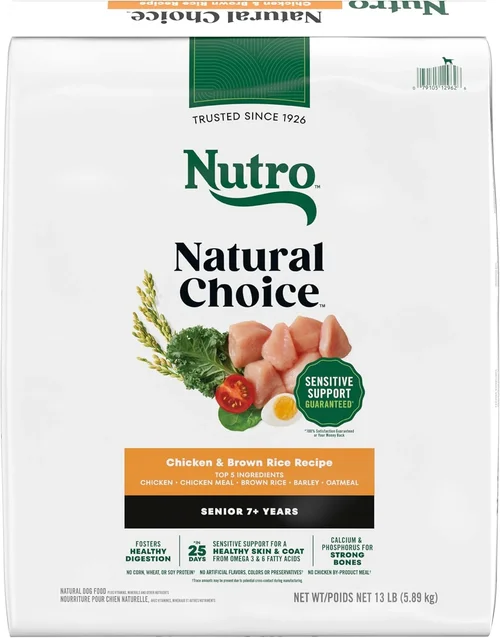
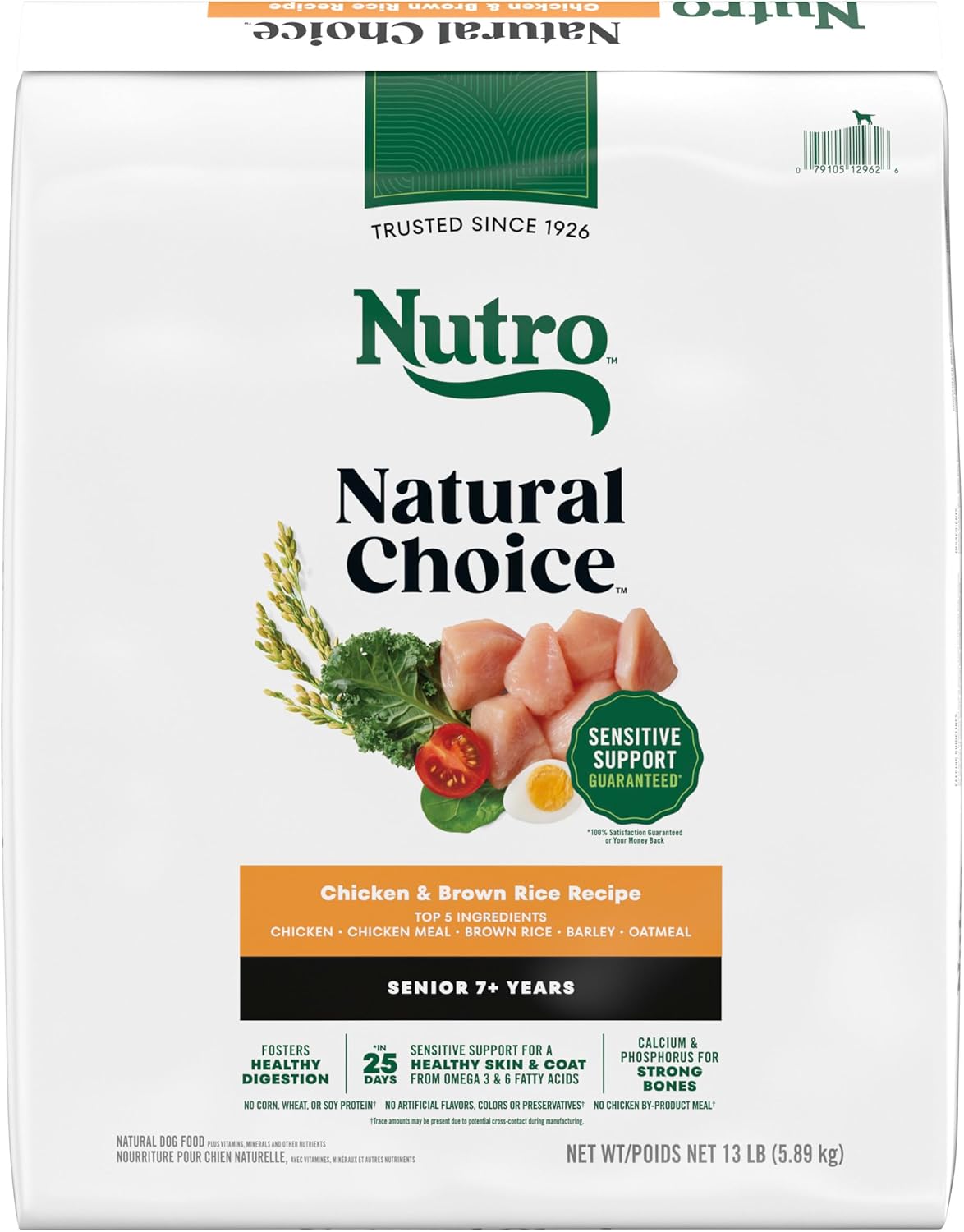
Mid-Range ($2.00–$3.50/lb): This is the sweet spot for most senior dog owners. Brands in this range often use named meat meals, include joint support ingredients, and avoid artificial additives. Many offer grain-free or limited-ingredient options. Look for companies with transparent sourcing and AAFCO feeding trials. Examples include Wellness Complete Health Senior, Blue Buffalo Life Protection Senior, and Nutro Senior.
Premium ($3.50–$5.00/lb): Premium senior foods prioritize human-grade ingredients, novel proteins, and advanced formulations. They often include probiotics, high levels of omega-3s, and antioxidant blends. Brands like Orijen Senior, Acana Senior, and The Honest Kitchen fall into this category. Ideal for owners seeking optimal nutrition and willing to invest in long-term health.
Luxury ($5.00+/lb): These are top-tier options, often sold through specialty pet stores or veterinarians. They may include fresh, raw, or freeze-dried ingredients, and are formulated with input from veterinary nutritionists. Prescription diets like Hill’s Prescription Diet k/d or Royal Canin Veterinary Diet Mobility Support are in this tier. Best for dogs with specific medical needs or owners prioritizing cutting-edge nutrition.
Expert Tips for Getting the Best Deal
- Buy in Bulk During Sales: Many online retailers (like Chewy, Petco, or Amazon) offer discounts on multi-bag purchases or during seasonal sales (e.g., Black Friday, National Pet Month). Stock up when prices drop, but ensure the food won’t expire before use.
- Subscribe and Save: Most major pet food websites offer subscription services with 5–15% off regular prices. This also ensures you never run out, which is crucial for maintaining consistent nutrition.
- Check for Manufacturer Rebates: Brands like Hill’s, Royal Canin, and Purina often run promotions with mail-in rebates or free samples. Sign up for newsletters to stay informed.
- Compare Unit Prices: Don’t just look at the total cost—compare price per pound or per 1,000 kcal. A larger bag may seem expensive upfront but cost less per serving.
- Ask Your Vet for Samples: If considering a prescription diet, ask your veterinarian for trial samples. This allows you to test palatability and digestibility before committing.
- Read Return Policies: Some retailers allow returns if your dog doesn’t like the food. This reduces risk when trying a new brand.
- Join Loyalty Programs: Stores like PetSmart and Chewy offer rewards programs that accumulate points for future discounts. Over time, these can add up to significant savings.
- Consider Local Co-ops or Buying Groups: Some communities organize bulk purchases of premium dog food, reducing shipping costs and unit prices.
Frequently Asked Questions
Q: When should I switch my dog to senior food?
A: Most dogs can transition to senior food between 7 and 10 years of age, depending on breed size. Small breeds may wait until 10, while large breeds (like Great Danes) may benefit from switching as early as 6. Consult your vet to determine the right timing based on your dog’s health and activity level.
Q: Can I feed senior food to a younger dog?
A: Generally, no. Senior foods are lower in calories and may not meet the nutritional needs of growing or active adult dogs. Feeding senior food long-term to a younger dog can lead to deficiencies in protein, fat, and certain vitamins.
Q: Is grain-free senior food better?
A: Not necessarily. Grain-free diets are beneficial for dogs with grain allergies, but most dogs tolerate grains well. Whole grains like brown rice and oats provide fiber and energy. The FDA has investigated a potential link between grain-free diets and dilated cardiomyopathy (DCM), so choose grain-free only if medically indicated.
Q: How much should I feed my senior dog?
A: Follow the feeding guidelines on the bag as a starting point, then adjust based on your dog’s weight, activity, and body condition. Use a body condition score chart to assess if your dog is underweight, ideal, or overweight. Most senior dogs need 20–30% fewer calories than adults.
Q: Can senior dogs eat puppy food?
A: No. Puppy food is higher in calories, fat, and certain minerals like calcium, which can be harmful to senior dogs. It may lead to obesity or exacerbate kidney issues. Stick to age-appropriate formulas.
Q: Should I add supplements to senior dog food?
A: Only if recommended by your vet. Many senior foods already include joint, immune, and digestive support. Adding extra supplements can lead to toxicity (e.g., too much vitamin D or calcium). Always consult your veterinarian before supplementing.
Q: Is wet food better than dry for senior dogs?
A: Wet food has higher moisture content, which benefits hydration and kidney health. It’s also more palatable for picky eaters. However, dry food supports dental health and is more convenient. A mix of both can offer the best of both worlds.
Q: How often should I change my senior dog’s food?
A: Only change food if your dog has health issues, food sensitivities, or your vet recommends a different formula. Frequent changes can upset the digestive system. Once you find a suitable food, stick with it unless circumstances change.
Q: Can senior dogs eat raw food?
A: Raw diets can be nutritious but carry risks of bacterial contamination (like salmonella) and nutritional imbalances. If considering raw, consult a veterinary nutritionist to ensure the diet is complete and safe. Many owners opt for commercially prepared raw or freeze-dried options for convenience and safety.
Q: What if my senior dog refuses to eat?
A: Loss of appetite in senior dogs can signal dental pain, illness, or depression. Try warming the food, adding low-sodium broth, or switching to a more aromatic formula. If refusal persists for more than 24–48 hours, seek veterinary care immediately.
Our Final Recommendations
Best for Budget-Conscious Buyers: Purina Pro Plan Bright Mind Adult 7+ – Offers excellent value with real chicken, glucosamine, and DHA for cognitive support. Priced under $2.50/lb, it’s a reliable choice for owners seeking quality without premium costs.
Best Overall Value: Wellness Complete Health Senior Deboned Chicken & Barley – Balances high-quality protein, joint support, and digestive health at a mid-range price. Includes probiotics and antioxidants, with no artificial additives.
Best Premium Option: Orijen Senior – Features 85% animal ingredients, including fresh regional meats and fish. Rich in omega-3s and naturally preserved, it’s ideal for owners prioritizing biologically appropriate nutrition.
Best for Beginners: Blue Buffalo Life Protection Formula Senior – Easy to find in stores, with clear labeling and a gentle transition formula. Includes LifeSource Bits for immune support and is free from corn, wheat, and soy.
Best for Advanced Users: The Honest Kitchen Human-Grade Dehydrated Senior – A whole-food, minimally processed option that you rehydrate at home. Made with free-range chicken, organic vegetables, and turmeric, it’s perfect for owners who want maximum control over ingredients.
Conclusion: Making the Right Choice
Choosing the best commercial dog food for your senior dog is one of the most impactful decisions you can make for their health and happiness. As your companion ages, their nutritional needs shift, and a well-formulated diet can help manage chronic conditions, maintain mobility, and support cognitive function. By prioritizing high-quality protein, joint support, digestive health, and antioxidant-rich ingredients, you’re investing in a longer, more comfortable life for your furry friend.
This guide has equipped you with the knowledge to evaluate brands critically, avoid common pitfalls, and select a food that aligns with your dog’s unique needs and your budget. Remember, the best food is not always the most expensive—it’s the one that delivers balanced nutrition, promotes vitality, and is backed by transparency and science. Always consult your veterinarian when making dietary changes, especially if your dog has existing health conditions.
Your senior dog has given you years of love, loyalty, and joy. Now, it’s your turn to give back with the gift of optimal nutrition. Take the time to research, compare, and choose wisely. The right food can make all the difference in their golden years—helping them stay active, comfortable, and by your side for as long as possible.