
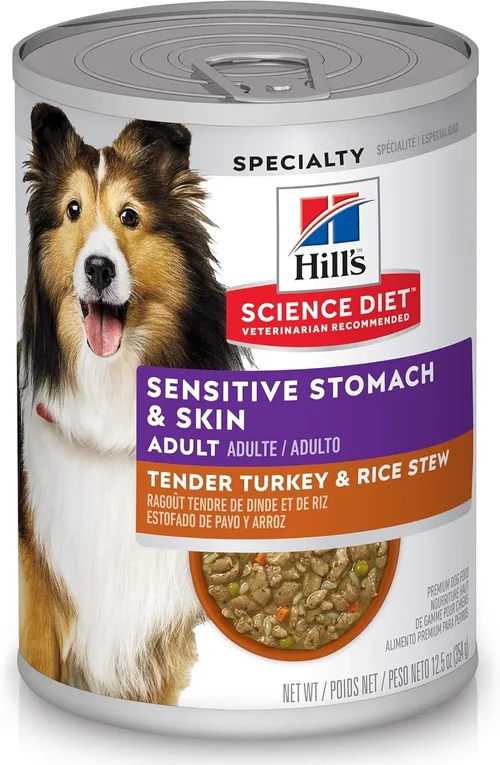
If your dog is constantly dealing with digestive issues—like vomiting, diarrhea, gas, or frequent stomach gurgling—you’re not alone. Millions of pet owners face the same challenge, and finding the right commercial dog food for sensitive stomachs can feel like navigating a maze of conflicting advice, overhyped claims, and confusing ingredient lists. A dog’s digestive system is surprisingly delicate, and even minor dietary changes can trigger discomfort. That’s why choosing the right food isn’t just about nutrition—it’s about improving your dog’s quality of life.
This comprehensive buying guide is designed to cut through the noise and give you expert-level insight into what truly matters when selecting the best commercial dog food for sensitive stomachs in 2026. Whether you’re dealing with a puppy with a tender tummy, an adult dog with food intolerances, or a senior canine with chronic digestive issues, this guide will walk you through every critical factor—from ingredient quality and digestibility to brand reputation and budget considerations. You’ll learn how to read labels like a pro, avoid common pitfalls, and make informed decisions that support your dog’s long-term health.
The market for sensitive stomach dog food has exploded in recent years, with dozens of brands launching specialized formulas claiming to soothe digestion, reduce allergies, and promote gut health. From limited-ingredient diets to novel proteins and prebiotic-enriched kibble, the options are vast—but not all are created equal. Some products are backed by veterinary science, while others rely on marketing buzzwords. Our goal is to help you distinguish between what’s effective and what’s just noise. By the end of this guide, you’ll have a clear, actionable plan to find the perfect food that keeps your dog happy, healthy, and free from digestive distress.
What to Look for When Buying Buying Guide
1. High-Quality, Easily Digestible Protein Sources
Protein is the foundation of any dog’s diet, but not all proteins are equally digestible—especially for dogs with sensitive stomachs. Look for named animal proteins as the first ingredient, such as deboned chicken, turkey meal, or lamb. Avoid vague terms like “meat meal” or “animal by-product meal,” which can contain low-quality or inconsistent sources. Novel proteins like duck, venison, or kangaroo are excellent choices for dogs with food sensitivities, as they’re less likely to trigger allergic reactions.
Digestibility is key—proteins that are broken down into smaller peptides during processing (such as hydrolyzed proteins) are easier on the stomach. Brands like Hill’s Science Diet and Royal Canin use hydrolyzed protein formulas specifically designed for dogs with gastrointestinal issues. These proteins are pre-digested, reducing the workload on your dog’s digestive system and minimizing the risk of adverse reactions.
2. Limited and Transparent Ingredient Lists
Simplicity is your ally when dealing with sensitive stomachs. The fewer ingredients a food contains, the easier it is to pinpoint what might be causing digestive upset. Look for formulas with 5–7 core ingredients and avoid those with long lists of additives, fillers, or artificial components. Ingredients should be recognizable and purposeful—think whole foods like sweet potatoes, peas, and flaxseed, not vague “digestive aids” or “natural flavors.”
Transparency matters. Reputable brands will clearly state the source and function of each ingredient. For example, “chicken fat preserved with mixed tocopherols” is far better than “animal fat preserved with BHA.” Mixed tocopherols are natural vitamin E derivatives, while BHA is a synthetic preservative linked to health concerns in some studies. Avoid foods with artificial colors, flavors, or chemical preservatives like BHT and ethoxyquin.
Limited-ingredient diets (LIDs) are especially helpful for dogs with food sensitivities. These formulas typically feature one protein and one carbohydrate source, reducing the chance of triggering an immune response. Brands like Natural Balance L.I.D. and Blue Buffalo Basics offer well-formulated LIDs that are widely recommended by veterinarians.
3. Prebiotics and Probiotics for Gut Health
A healthy gut microbiome is essential for digestion, nutrient absorption, and immune function. Dogs with sensitive stomachs often have imbalanced gut flora, which can lead to chronic diarrhea, gas, and inflammation. That’s where prebiotics and probiotics come in. Prebiotics are non-digestible fibers that feed beneficial bacteria, while probiotics are live microorganisms that help restore balance.
Look for dog foods that include specific strains like Lactobacillus acidophilus, Bifidobacterium animalis, or Enterococcus faecium. These are well-researched and proven to support digestive health. Ingredients like chicory root (a natural prebiotic) and fermented vegetables can also enhance gut function. Brands such as Purina Pro Plan FortiFlora and Wellness Simple include probiotics in their formulas, and many offer supplemental probiotic powders for added support.
It’s important to note that probiotics must be live and viable to be effective. Check the packaging for a guaranteed analysis of colony-forming units (CFUs) and ensure the product is stored properly (some require refrigeration). Avoid foods that list “probiotics” without specifying the strain or CFU count—this is often a marketing gimmick.
4. Grain-Free vs. Whole Grains: What’s Best?
The grain-free debate has been ongoing for years, but recent research suggests that grains aren’t the enemy—especially for dogs with sensitive stomachs. In fact, some grains like oatmeal, barley, and brown rice are highly digestible and provide valuable fiber, B vitamins, and slow-releasing energy. The FDA has also raised concerns about a potential link between grain-free diets and dilated cardiomyopathy (DCM) in dogs, particularly those using legumes like peas and lentils as primary ingredients.
That said, some dogs do have grain sensitivities or allergies. If your dog reacts poorly to grains, opt for grain-free formulas with safe carbohydrate alternatives like potatoes, sweet potatoes, or tapioca. However, avoid grain-free foods that rely heavily on legumes or potatoes as fillers—these can be hard to digest and may contribute to heart issues in predisposed breeds.
The best approach is to choose a food with easily digestible carbohydrates—whether grain-inclusive or grain-free—based on your dog’s individual tolerance. If your dog thrives on rice and oats, there’s no need to switch to grain-free. The key is consistency and observation.
5. Digestive Enzymes and Hydrolyzed Fats
Digestive enzymes play a crucial role in breaking down food into absorbable nutrients. Dogs with sensitive stomachs often produce insufficient enzymes, leading to maldigestion and gastrointestinal distress. Some premium dog foods now include added enzymes like amylase (for carbs), protease (for proteins), and lipase (for fats) to support digestion.
Hydrolyzed fats are another innovation in sensitive stomach formulas. These fats are broken down into smaller molecules, making them easier to absorb and less likely to cause pancreatitis or diarrhea. Look for ingredients like hydrolyzed poultry fat or fish oil (rich in omega-3s), which also reduce inflammation in the gut lining.
Brands like Royal Canin Veterinary Diet Gastrointestinal and Hill’s Prescription Diet i/d are formulated with both digestive enzymes and hydrolyzed ingredients. These are often available through veterinarians but can sometimes be purchased online with a prescription. While more expensive, they’re highly effective for dogs with chronic digestive disorders.
6. Brand Reputation and Veterinary Backing
Not all dog food brands are created equal. Some invest heavily in research, clinical trials, and veterinary partnerships, while others prioritize marketing over science. When choosing food for a sensitive stomach, prioritize brands with a strong reputation for quality and transparency.
Look for companies that employ board-certified veterinary nutritionists, publish peer-reviewed studies, and undergo third-party testing for safety and nutritional adequacy. Brands like Hill’s Science Diet, Royal Canin, and Purina Pro Plan have decades of research backing their formulas and are frequently recommended by veterinarians.
Avoid brands that make exaggerated claims like “100% hypoallergenic” or “cures digestive issues.” No food can guarantee results for every dog, and such claims are often red flags for poor quality or misleading marketing. Instead, focus on brands that provide detailed ingredient sourcing, nutritional analysis, and feeding guidelines.
7. Price vs. Value: Understanding Cost-Effectiveness
Price is always a consideration, but when it comes to sensitive stomach dog food, the cheapest option isn’t always the best value. Low-cost foods often use fillers, by-products, and synthetic additives that can exacerbate digestive issues, leading to higher vet bills and longer-term health problems.
That said, you don’t need to break the bank. Mid-range brands like Wellness Simple, Taste of the Wild Prey, and Canidae Pure offer high-quality, limited-ingredient formulas at reasonable prices. These brands strike a balance between affordability and nutritional integrity.
When evaluating cost, consider caloric density and feeding portion size. A more expensive food that’s highly digestible may require smaller portions, ultimately costing less per day than a cheaper, less efficient food. Always calculate the cost per cup or per meal, not just the bag price.
8. Palatability and Transition Strategy
Even the best food won’t help if your dog won’t eat it. Palatability is crucial, especially for picky eaters or dogs recovering from illness. Look for foods with natural flavor enhancers like real meat broth, freeze-dried liver, or yeast extract (a natural source of umami).
Transitioning to a new food must be done gradually to avoid upsetting your dog’s stomach further. The standard rule is a 7–10 day transition: start with 25% new food and 75% old food, increasing the ratio every 2–3 days. If your dog shows signs of discomfort (vomiting, loose stools), slow the transition or consult your vet.
Some brands offer sample sizes or trial bags, which are ideal for testing palatability and tolerance before committing to a full bag. This is especially helpful for dogs with severe sensitivities.
Different Types of Buying Guide

Common Buying Mistakes to Avoid
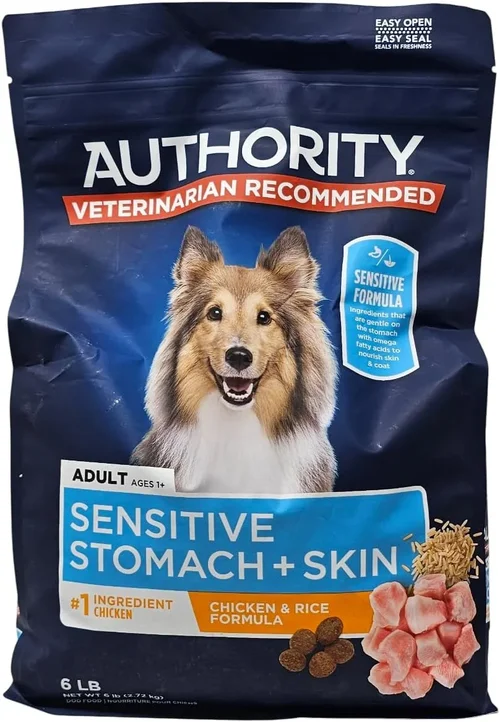
❌ Mistake: Switching Foods Too Frequently
Why it’s bad: Constantly changing your dog’s food can disrupt gut flora and worsen digestive issues. Dogs need consistency to maintain a healthy microbiome. Frequent switches make it impossible to determine which food is causing problems.
What to do instead: Stick with one food for at least 4–6 weeks before evaluating its effectiveness. If symptoms persist, consult your vet before making another change.
❌ Mistake: Ignoring Feeding Guidelines
Why it’s bad: Overfeeding or underfeeding can lead to weight gain, malnutrition, or digestive stress. Sensitive stomachs are especially vulnerable to portion imbalances.
What to do instead: Follow the feeding chart on the package, but adjust based on your dog’s activity level, age, and body condition. Use a measuring cup—never guess.
❌ Mistake: Relying Solely on “Grain-Free” Labels
Why it’s bad: Grain-free doesn’t automatically mean better for sensitive stomachs. Many grain-free foods use hard-to-digest legumes or potatoes, which can cause bloating and gas.
What to do instead: Focus on digestibility and ingredient quality, not just the absence of grains. Choose foods with whole, recognizable carbohydrates.
❌ Mistake: Overlooking Preservatives and Additives
Why it’s bad: Artificial preservatives like BHA, BHT, and ethoxyquin have been linked to health issues in dogs. They can irritate the digestive system and trigger allergic reactions.
What to do instead: Choose foods preserved with natural alternatives like mixed tocopherols (vitamin E) or rosemary extract.
❌ Mistake: Not Consulting a Veterinarian
Why it’s bad: Digestive issues can be symptoms of underlying conditions like parasites, infections, or inflammatory bowel disease (IBD). Treating them with diet alone may delay proper diagnosis.
What to do instead: Always rule out medical causes with a vet before starting a new diet. They can recommend appropriate tests and prescription foods if needed.
❌ Mistake: Buying Based on Marketing Claims
Why it’s bad: Terms like “natural,” “holistic,” or “premium” are not regulated and can be misleading. A food labeled “sensitive stomach formula” may still contain common allergens.
What to do instead: Read the ingredient list and guaranteed analysis. Look for AAFCO statements confirming nutritional adequacy.
❌ Mistake: Skipping the Transition Period
Why it’s bad: Sudden diet changes can cause vomiting, diarrhea, and refusal to eat. The gut needs time to adapt to new ingredients.
What to do instead: Gradually mix the new food with the old over 7–10 days, increasing the ratio slowly.
Budget Guidelines: How Much Should You Spend?
Entry-Level ($15–$25 per 15-lb bag): These foods often use lower-quality proteins, fillers, and artificial additives. While they may be affordable, they’re less likely to support digestive health and may worsen symptoms over time. Best for temporary use or dogs with very mild sensitivities.
Mid-Range ($25–$50 per 15-lb bag): This is the sweet spot for most dog owners. Brands in this range offer high-quality ingredients, limited formulations, and added digestive support like prebiotics. Examples include Wellness Simple, Canidae Pure, and Blue Buffalo Basics. These provide excellent value without compromising on nutrition.
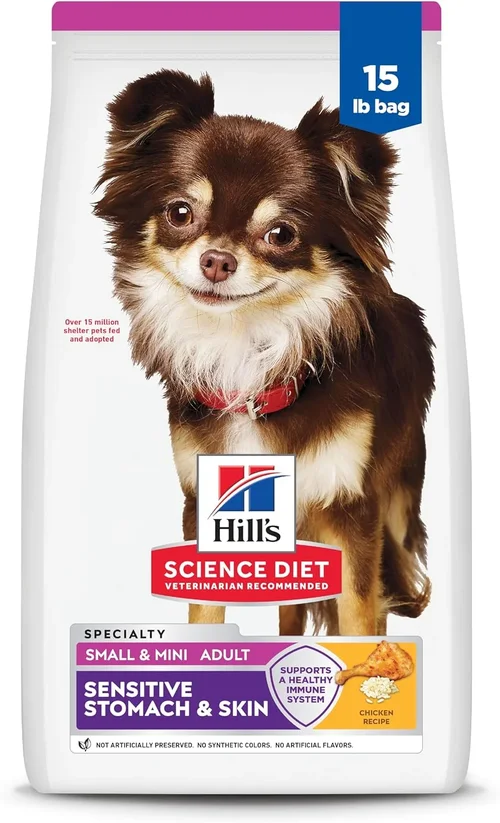
Premium ($50–$80 per 15-lb bag): These foods often include novel proteins, hydrolyzed ingredients, and advanced gut health blends. They’re ideal for dogs with moderate to severe sensitivities. Brands like Royal Canin (non-prescription), Hill’s Science Diet Sensitive Stomach, and Purina Pro Plan Sensitive Skin & Stomach fall into this category.
Luxury ($80+ per 15-lb bag): Reserved for prescription diets and ultra-specialized formulas. These are typically recommended for dogs with chronic conditions like IBD, pancreatitis, or severe food allergies. While expensive, they’re clinically proven and often covered partially by pet insurance.
Expert Tips for Getting the Best Deal
- Buy in bulk during sales: Many retailers offer discounts on larger bags or multi-bag purchases. Subscribe-and-save programs from Chewy, Amazon, or Petco can save 10–15%.
- Look for vet clinic samples: Ask your veterinarian for free samples of prescription or sensitive stomach formulas. This lets you test the food before buying.
- Compare cost per cup: A $60 bag that lasts 6 weeks may be cheaper per meal than a $30 bag that lasts 3 weeks. Always calculate based on daily feeding cost.
- Check return policies: Some brands offer money-back guarantees if your dog doesn’t tolerate the food. This reduces financial risk.
- Use loyalty programs: Sign up for rewards programs at PetSmart, Chewy, or local pet stores to earn points and access exclusive discounts.
- Monitor expiration dates: Avoid buying large quantities if your dog eats slowly. Probiotics and fats can degrade over time, reducing effectiveness.
- Consider homemade supplements: Add plain pumpkin puree or boiled chicken to boost palatability and fiber without switching foods.

Frequently Asked Questions
Q: How long does it take to see improvement after switching foods?
A: Most dogs show improvement within 1–2 weeks, but it can take up to 6–8 weeks for full results—especially if the dog has chronic inflammation or food allergies. Be patient and consistent.
Q: Can I mix different sensitive stomach foods?
A: It’s not recommended. Mixing foods can confuse the digestive system and make it harder to identify triggers. Stick to one formula until symptoms resolve.
Q: Are raw or fresh diets better for sensitive stomachs?
A: While some dogs thrive on raw or fresh diets, they require careful balancing and can be risky for dogs with compromised digestion. Consult a veterinary nutritionist before switching.
Q: What if my dog still has diarrhea after trying multiple foods?
A: Persistent diarrhea may indicate a medical condition like parasites, bacterial overgrowth, or IBD. See your vet for diagnostic testing.
Q: Can puppies eat sensitive stomach food?
A: Yes, but ensure the food is labeled for “all life stages” or “growth.” Puppies have higher nutritional needs, so avoid adult-only formulas.
Q: Is wet food better than dry for sensitive stomachs?
A: Wet food is easier to digest and more palatable, but dry food can be just as effective if high-quality. Some dogs do better with a mix of both.
Q: How do I know if my dog has a food allergy vs. intolerance?
A: Allergies typically cause skin issues (itching, ear infections) along with digestive symptoms. Intolerances are usually limited to GI upset. A vet can help differentiate.
Q: Can I give my dog probiotics separately?
A: Yes, and it’s often beneficial. Look for canine-specific probiotics with guaranteed CFUs and strains like Lactobacillus and Bifidobacterium.
Q: Should I avoid chicken if my dog has a sensitive stomach?
A: Not necessarily. Chicken is a common allergen, but many dogs tolerate it well. Try a novel protein like duck or salmon if chicken causes issues.
Q: Are prescription diets worth the cost?
A: For dogs with diagnosed conditions, yes. They’re formulated based on clinical research and often yield faster, more reliable results than over-the-counter options.
Our Final Recommendations
Best for Budget-Conscious Buyers: Wellness Simple Limited Ingredient Diet – Offers high-quality ingredients, prebiotics, and a single protein source at an affordable price. Great for mild sensitivities.
Best Overall Value: Purina Pro Plan Sensitive Skin & Stomach – Combines real salmon, rice, and probiotics in a vet-recommended formula. Excellent digestibility and palatability.
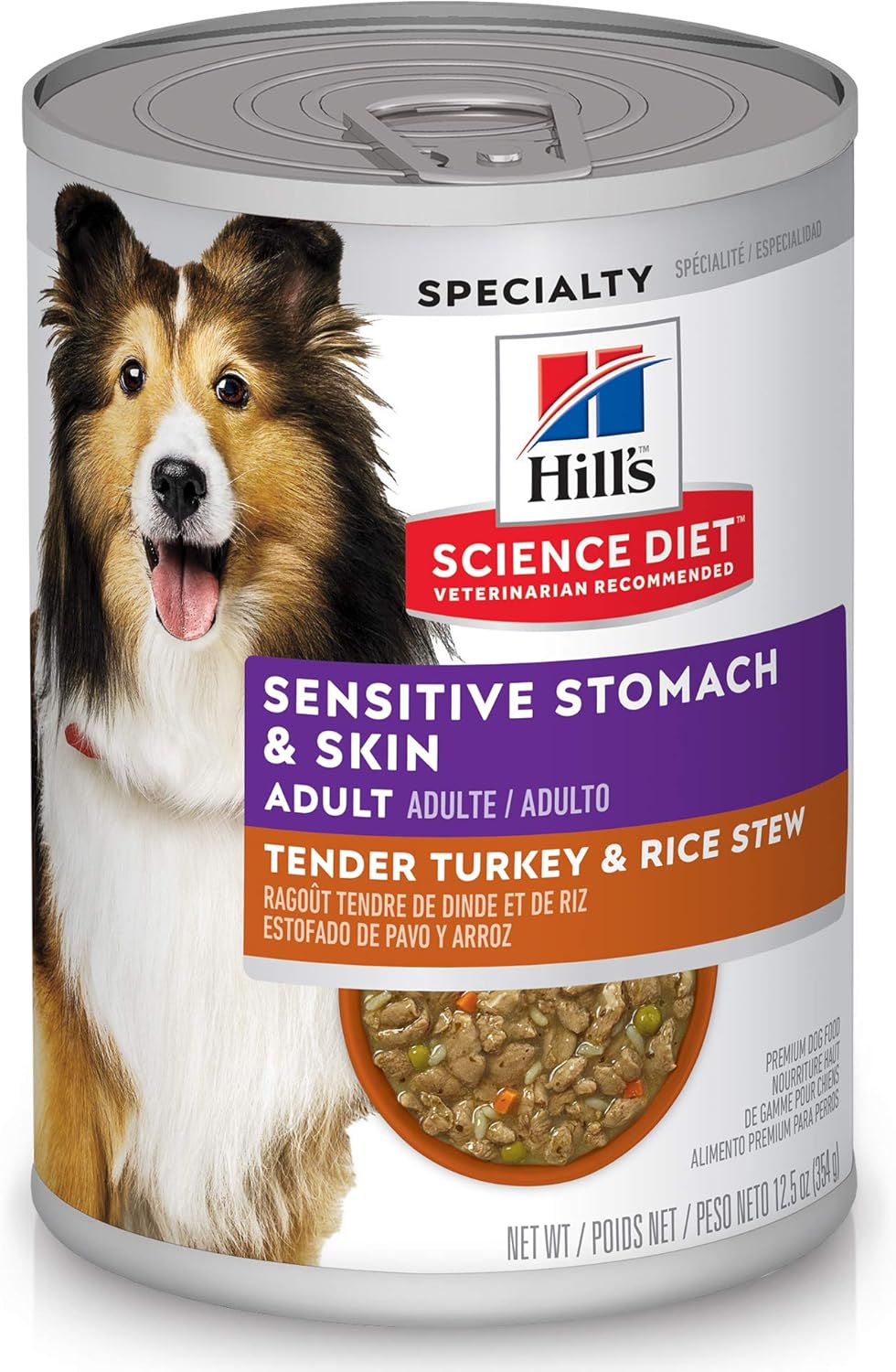
Best Premium Option: Hill’s Science Diet Sensitive Stomach & Skin – Features highly digestible ingredients, added fiber, and antioxidants. Ideal for dogs with moderate to severe digestive issues.
Best for Beginners: Blue Buffalo Basics Limited Ingredient Diet – Easy to find, affordable, and formulated with turkey and potato. A great starting point for new pet owners.
Best for Advanced Users: Royal Canin Veterinary Diet Gastrointestinal – A prescription-grade formula with hydrolyzed proteins and targeted nutrients for chronic conditions. Requires vet approval but delivers exceptional results.
Conclusion: Making the Right Choice
Choosing the best commercial dog food for a sensitive stomach is not a one-size-fits-all decision. It requires careful consideration of your dog’s unique needs, medical history, and dietary responses. By focusing on high-quality proteins, limited ingredients, gut-supporting additives, and reputable brands, you can significantly improve your dog’s digestive health and overall well-being.
Remember, the goal isn’t just to stop the symptoms—it’s to promote long-term gut health, nutrient absorption, and immune function. Take your time, read labels diligently, and don’t hesitate to consult your veterinarian when in doubt. With the right food and a thoughtful approach, your dog can enjoy meals without discomfort and live a happier, healthier life.
Start by identifying your dog’s specific triggers, then use this guide to narrow down your options. Whether you’re on a tight budget or ready to invest in a premium formula, there’s a solution out there that will work. Your dog deserves nothing less than the best—so make the choice that supports their health, one meal at a time.