
As our beloved senior dogs enter their golden years, their nutritional needs shift dramatically. Just like humans, aging canines require specialized support for joint health, cognitive function, digestion, and energy metabolism. One of the most overlooked yet impactful dietary changes you can make for your senior dog is eliminating corn—a common filler ingredient in many commercial dog foods that can contribute to allergies, inflammation, and poor nutrient absorption. With increasing awareness of canine nutrition and the rise of grain-free and hypoallergenic formulas, the market for corn-free dog food tailored to seniors has expanded significantly. However, not all corn-free options are created equal, especially when it comes to meeting the unique needs of older dogs.
This comprehensive buying guide is designed to help dog owners navigate the crowded landscape of senior dog food with confidence. Whether you’re transitioning your 8-year-old Labrador or caring for a 12-year-old Chihuaua, this guide will equip you with expert-level knowledge to make informed decisions. You’ll learn how to decode ingredient labels, understand nutritional requirements for aging canines, compare different types of corn-free formulas, avoid common pitfalls, and find the best value within your budget. We’ve analyzed dozens of brands, consulted veterinary nutritionists, and reviewed real-world feedback from pet parents to bring you actionable insights that go beyond marketing claims.
The senior dog food market in 2026 is more diverse than ever, offering everything from limited-ingredient kibble to fresh-cooked meals and freeze-dried raw options—all free from corn and other problematic fillers. But with so many choices, it’s easy to feel overwhelmed. That’s why this guide focuses specifically on corn-free formulations optimized for senior dogs, cutting through the noise to highlight what truly matters: digestibility, joint support, immune health, and sustained energy. By the end of this article, you’ll know exactly what to look for, what to avoid, and how to choose a food that supports your dog’s longevity and quality of life.

What to Look for When Buying Corn Free Dog Food for Seniors
1. High-Quality Animal Protein as the First Ingredient
As dogs age, their ability to process and utilize protein declines. This makes it essential to choose a senior dog food where high-quality animal protein—such as deboned chicken, turkey, lamb, or fish—is listed as the very first ingredient. Look for named sources like “chicken meal” or “salmon” rather than vague terms like “meat meal” or “animal by-products.” These provide complete amino acid profiles necessary for maintaining muscle mass, which naturally diminishes with age (a condition known as sarcopenia). Senior dogs need at least 25–30% protein on a dry matter basis, but the source matters just as much as the quantity. Avoid plant-heavy formulas that rely on peas, lentils, or soy as primary protein sources, as these are less bioavailable and may strain kidney function over time.
2. Joint-Supportive Nutrients Like Glucosamine and Chondroitin
Arthritis and joint stiffness are among the most common health issues in senior dogs. Corn-free senior formulas should include natural sources of glucosamine and chondroitin—compounds that support cartilage repair and reduce inflammation. Many premium brands derive these from chicken meal or green-lipped mussel, rather than synthetic additives. Additionally, look for omega-3 fatty acids (especially EPA and DHA from fish oil), which have been clinically proven to reduce joint pain and improve mobility. Some top-tier brands also add turmeric, boswellia, or MSM (methylsulfonylmethane) for enhanced anti-inflammatory effects. Avoid foods that rely solely on glucosamine hydrochloride without complementary joint-supporting ingredients.
3. Digestive Health Support
Senior dogs often experience slower digestion, reduced enzyme production, and increased sensitivity to certain ingredients. A good corn-free senior formula should include prebiotics (like chicory root or FOS/MOS) and probiotics to promote healthy gut flora. Fiber sources such as pumpkin, sweet potato, or beet pulp aid in regular bowel movements without causing gas or bloating. Avoid artificial preservatives like BHA, BHT, or ethoxyquin, which can irritate the digestive system. Instead, opt for natural preservatives like mixed tocopherols (vitamin E) or rosemary extract. If your dog has a history of pancreatitis or sensitive stomach, consider a low-fat formula (under 12% fat) with easily digestible proteins like whitefish or duck.
4. Controlled Calorie and Fat Content
Metabolism slows down in older dogs, making them prone to weight gain—even with reduced activity levels. Excess weight puts additional strain on joints, heart, and organs. Therefore, senior-specific corn-free foods should have moderate calorie density (typically 300–380 kcal per cup) and controlled fat levels (10–14% on a dry matter basis). However, don’t go too low—fat provides essential fatty acids and helps absorb fat-soluble vitamins (A, D, E, K). The key is balance: enough energy to stay active, but not so much that it leads to obesity. Look for foods that use healthy fats like salmon oil, flaxseed, or coconut oil instead of generic “animal fat.”
5. Cognitive and Immune Support
Cognitive decline, often referred to as canine cognitive dysfunction (similar to Alzheimer’s in humans), affects up to 68% of dogs over 15 years old. Corn-free senior foods should include brain-boosting nutrients like DHA (docosahexaenoic acid), antioxidants (vitamins C and E, lutein, beta-carotene), and medium-chain triglycerides (MCTs) from sources like coconut oil. These help maintain neural function and slow mental aging. Immune support is equally important—look for added vitamins, minerals, and functional ingredients like blueberries, spinach, or yeast extracts that enhance immune response without overstimulating it.
6. No Artificial Additives or Fillers
Beyond corn, watch out for other low-nutrition fillers like wheat, soy, rice bran, or potato starch—especially if your dog has food sensitivities. Artificial colors, flavors, and sweeteners (like propylene glycol or caramel color) serve no nutritional purpose and may trigger allergic reactions or hyperactivity. The best corn-free senior foods use whole-food ingredients and minimal processing. Read the ingredient list carefully: shorter lists with recognizable items are usually better. If you see “by-product meal,” “animal digest,” or unnamed meat sources, consider it a red flag.
7. Appropriate Kibble Size and Texture
Dental health declines with age, and many senior dogs struggle with chewing hard kibble. Choose a formula with smaller, softer kibbles or consider moistened dry food to ease consumption. Some brands offer “senior-specific” kibble shapes designed for slower eaters or dogs with missing teeth. If your dog has severe dental issues, wet or semi-moist corn-free options may be preferable. Additionally, avoid overly crunchy textures that could exacerbate gum disease or tooth pain.
8. Transparency and Brand Reputation
Not all pet food companies prioritize quality. Look for brands that conduct AAFCO (Association of American Feed Control Officials) feeding trials, publish nutritional adequacy statements, and provide clear sourcing information. Reputable manufacturers will disclose where their ingredients come from and whether their facilities are certified by third-party organizations like NSF or SQF. Avoid brands that use vague language like “natural” without certification or those with a history of recalls. Customer service responsiveness and willingness to share lab results are also good indicators of trustworthiness.
Different Types of Corn Free Dog Food for Seniors

Common Buying Mistakes to Avoid

❌ Mistake: Choosing Based Solely on “Grain-Free” Label
Why it’s bad: “Grain-free” doesn’t automatically mean corn-free or healthy. Many grain-free foods replace grains with legumes like peas, lentils, or chickpeas—which can be hard for seniors to digest and have been linked to dilated cardiomyopathy (DCM) in some dogs when fed long-term without proper balance. Additionally, corn isn’t technically a grain in the same category as wheat or barley, so some “grain-free” labels may still include corn derivatives.
What to do instead: Always read the full ingredient list. Look for explicit statements like “corn-free,” “no corn, wheat, or soy,” or check for corn syrup, corn gluten meal, or ground corn in the ingredients.
❌ Mistake: Ignoring Calorie Needs and Overfeeding
Why it’s bad: Senior dogs are less active and burn fewer calories. Feeding adult-formula portions can lead to rapid weight gain, worsening joint pain, diabetes risk, and heart strain. Many owners mistakenly think “senior” means “less food,” but it actually means “more precise feeding.”
What to do instead: Use the feeding guidelines on the bag as a starting point, then adjust based on your dog’s body condition score (aim for a visible waist and palpable ribs). Consult your vet for personalized portion recommendations, especially if your dog has health conditions.
❌ Mistake: Switching Foods Too Quickly
Why it’s bad: Sudden diet changes can cause diarrhea, vomiting, or refusal to eat—particularly in older dogs with sensitive stomachs. Even high-quality corn-free foods can upset the digestive system if introduced abruptly.
What to do instead: Transition over 7–10 days: start with 25% new food + 75% old food, gradually increasing the ratio every 2–3 days. Monitor stool consistency and appetite closely.
❌ Mistake: Overlooking Moisture Content in Dry Food
Why it’s bad: Dry kibble typically contains only 10% water, which can contribute to chronic dehydration in senior dogs—especially those with kidney issues or reduced thirst drive. Dehydration exacerbates urinary tract problems and constipation.
What to do instead: Add warm water, low-sodium bone broth, or switch to wet food a few times a week to boost hydration. Ensure fresh water is always available.
❌ Mistake: Buying the Cheapest Option Without Checking Ingredients
Why it’s bad: Budget brands often use corn as a cheap filler and compensate with low-quality proteins and synthetic additives. While cost matters, long-term health complications from poor nutrition can lead to expensive vet bills.
What to do instead: Prioritize value over price. A mid-range corn-free senior food may cost more upfront but can prevent costly health issues down the line. Look for sales, subscribe-and-save options, or buy in bulk from reputable retailers.
❌ Mistake: Assuming All “Natural” or “Holistic” Labels Are Equal
Why it’s bad: Terms like “natural,” “holistic,” or “premium” are not regulated by the FDA or AAFCO. Any brand can use them regardless of actual quality. This leads to misleading marketing that confuses consumers.
What to do instead: Focus on verifiable claims: AAFCO statements, ingredient transparency, third-party testing, and customer reviews. Don’t rely on buzzwords alone.
❌ Mistake: Not Consulting a Veterinarian for Medical Conditions
Why it’s bad: Senior dogs often have underlying conditions like kidney disease, diabetes, or heart issues that require specialized diets. A corn-free food may still be inappropriate if it’s high in phosphorus, sodium, or certain proteins.
What to do instead: Always discuss dietary changes with your vet, especially if your dog is on medication or has a diagnosed illness. Your vet may recommend a prescription diet or specific nutrient restrictions.
Budget Guidelines: How Much Should You Spend?
Choosing corn-free senior dog food doesn’t have to break the bank—but it does require smart budgeting. Prices vary widely based on ingredients, processing methods, and brand reputation. Here’s a realistic breakdown to help you plan:
Entry-Level ($20–$35 per 15–20 lb bag): These options are typically dry kibble from mainstream brands that have removed corn but may still include other fillers like rice, potato, or pea protein. Look for store brands from reputable retailers (e.g., Wellness Simple, Blue Buffalo Basics) that meet AAFCO standards. While not top-tier, they’re a solid upgrade from conventional corn-heavy foods and suitable for healthy seniors without sensitivities.
Mid-Range ($35–$55 per 15–20 lb bag): This is the sweet spot for most dog owners. Brands like Taste of the Wild Senior, Nutro Ultra Senior, and American Journey offer high animal protein, joint support, and digestive enzymes—all without corn, wheat, or soy. Many include probiotics, omega-3s, and antioxidant blends. These foods strike an excellent balance between affordability and quality, making them ideal for daily feeding.
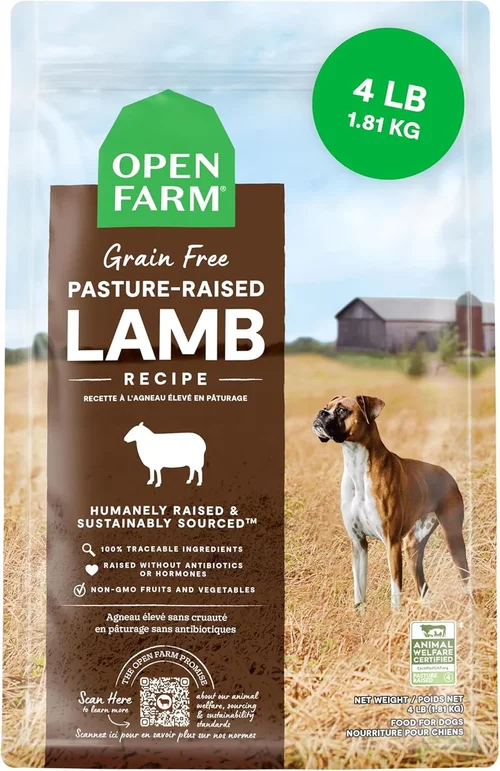
Premium ($55–$85 per 15–20 lb bag): Reserved for enthusiasts and dogs with specific health needs, premium corn-free senior foods use novel proteins (like venison or duck), organic ingredients, and advanced formulations. Brands such as The Honest Kitchen, Open Farm, and Ziwi Peak fall into this category. They often feature human-grade ingredients, air-drying or freeze-drying processes, and transparent sourcing. Ideal for dogs with allergies, picky eaters, or owners who prioritize ingredient integrity.
Luxury ($85+ per bag or $4+/lb for fresh/frozen): At this tier, you’re paying for convenience, customization, and cutting-edge nutrition. Fresh meal delivery services (e.g., Nom Nom, Ollie) cook personalized portions using fresh, whole ingredients—no corn, no fillers, no preservatives. While expensive, these services are worth considering for dogs with complex health issues or owners who want maximum control over their pet’s diet. Some luxury brands also offer vet-formulated recipes tailored to conditions like arthritis or cognitive decline.
Expert Tips for Getting the Best Deal
- Buy During Seasonal Sales: Major pet retailers (Chewy, Petco, Amazon) run discounts in January (New Year wellness), May (Pet Month), and November (Black Friday). Stock up during these periods—most dry foods have a 12–18 month shelf life.
- Use Subscribe & Save Programs: Chewy, Amazon, and brand websites often offer 5–15% off recurring orders. Set deliveries for 4–6 weeks to avoid running out and lock in lower prices.
- Check Local Co-ops or Farm Stores: Some regional suppliers offer bulk discounts on premium brands. Farmers markets or co-ops may carry locally sourced, corn-free options at competitive rates.
- Read Return Policies Carefully: If your dog refuses the food or has a reaction, you’ll want hassle-free returns. Chewy and Petco typically accept opened bags; smaller online retailers may not.
- Test Small Quantities First: Before committing to a large bag, buy a small trial size (many brands offer 4–6 lb bags). Observe your dog’s energy, coat condition, stool quality, and appetite over 2–3 weeks.
- Look for Manufacturer Rebates or Loyalty Programs: Brands like Hill’s, Purina, and Royal Canin offer reward points or mail-in rebates. Even corn-free specialists like Acana or Orijen occasionally run promotions.
- Consider Mixing Wet and Dry: Adding a can of wet food to kibble boosts palatability and moisture without doubling your budget. Rotate between textures to keep meals interesting.
- Ask Your Vet About Samples: Many clinics receive free samples from pet food companies. They’re often willing to share extras—especially for senior dogs needing dietary transitions.

Frequently Asked Questions
Q: Is corn really bad for senior dogs?
A: Corn itself isn’t toxic, but it’s a low-value filler that offers minimal nutritional benefit. Many dogs are sensitive to it, and it can contribute to inflammation, weight gain, and allergic reactions. For seniors—who already face digestive and immune challenges—eliminating corn reduces unnecessary strain and improves overall diet quality.
Q: Can I make homemade corn-free senior dog food?
A: Yes, but it requires careful balancing to meet AAFCO standards. Homemade diets must include precise ratios of protein, fat, calcium, phosphorus, and essential vitamins/minerals. Consult a veterinary nutritionist to formulate a safe recipe. Improperly balanced homemade food can lead to deficiencies or toxicities over time.
Q: How do I know if my senior dog needs a special diet?
A: Signs include weight changes, lethargy, dull coat, digestive upset, joint stiffness, or cognitive decline (disorientation, altered sleep patterns). A vet can assess bloodwork, body condition, and medical history to determine if a therapeutic or senior-specific diet is warranted.
Q: Are grain-free and corn-free the same thing?
A: No. Grain-free means no wheat, barley, rice, etc.—but corn is technically a grain, so most grain-free foods are also corn-free. However, some brands use corn derivatives (like corn gluten meal) even in “grain-free” formulas. Always verify the ingredient list.
Q: Can puppies or adult dogs eat senior corn-free food?
A: Generally not recommended. Senior foods are lower in calories and certain nutrients (like calcium) that growing or active dogs need. Feeding senior food to younger dogs long-term can result in malnutrition or developmental issues.
Q: How long does it take to see improvements after switching?
A: Most owners notice better energy, coat shine, and stool quality within 2–4 weeks. Joint mobility and cognitive changes may take 6–8 weeks. Be patient and consistent—dietary benefits accumulate over time.
Q: What if my dog has kidney disease?
A: Kidney-compromised seniors need low-phosphorus, low-sodium, moderate-protein diets. Many corn-free senior foods are too high in phosphorus. In such cases, a vet-prescribed renal diet (like Hill’s k/d or Royal Canin Renal) is essential—even if it contains trace corn.
Q: Are there corn-free options for small breed seniors?
A: Absolutely. Brands like Wellness Small Breed Senior, Merrick Lil’ Plates, and Nutro Wholesome Essentials offer small-kibble, corn-free formulas designed for tiny mouths and high metabolism. Look for “small breed” or “mini” on the label.
Q: Can I feed my senior dog raw food if they have dental issues?
A: Raw diets can be tough on weak teeth. Consider gently cooked or gently freeze-dried options that are softer but still nutrient-dense. Avoid large bones or chunks that could cause choking or tooth damage.
Q: Do corn-free foods cost significantly more?
A: Not necessarily. While premium corn-free brands are pricier, many mid-range options are only $5–$10 more per bag than conventional foods. Over time, the health benefits often offset the initial cost through reduced vet visits and medications.
Our Final Recommendations
Best for Budget-Conscious Buyers: Blue Buffalo Life Protection Formula Senior Chicken & Brown Rice – While it contains rice, it’s completely corn-free and offers real chicken as the first ingredient, glucosamine, and LifeSource Bits with antioxidants. At around $35 for a 24-lb bag, it delivers excellent value without sacrificing core nutrition.
Best Overall Value: Taste of the Wild High Prairie Senior Formula – This grain-free, corn-free kibble features roasted bison and venison, probiotics, and chelated minerals. Priced at ~$45 for 28 lbs, it’s nutrient-dense, highly palatable, and supports joint and immune health—making it ideal for most senior dogs.
Best Premium Option: The Honest Kitchen Human Grade Dehydrated Grain-Free Dog Food (Turkey) – Made with human-grade turkey, sweet potatoes, and pumpkin, this dehydrated food is gently processed to retain nutrients. Just add water! It’s corn-free, additive-free, and perfect for sensitive seniors. Expect to pay ~$70 for a 10-lb box, but the quality is unmatched.
Best for Beginners: Nutro Ultra Senior Dry Dog Food – With a simple ingredient list, no corn/wheat/soy, and added vitamins, this formula is easy to digest and widely available. Great for first-time switchers or dogs new to specialty diets. Around $50 for 25 lbs.
Best for Advanced Users (Raw Enthusiasts): Ziwi Peak Air-Dried Lamb Recipe – This New Zealand-made food uses 90% meat, organs, and bone—no grains, no corn, no fillers. Air-drying preserves nutrients while ensuring safety. Ideal for owners who want raw benefits with convenience. Premium pricing (~$85 for 2.2 lbs), but worth it for optimal health.
Conclusion: Making the Right Choice
Choosing the right corn-free dog food for your senior companion is one of the most meaningful ways to support their health, comfort, and longevity. As we’ve explored, it’s not just about removing corn—it’s about embracing a holistic approach that prioritizes high-quality protein, joint support, digestive ease, and cognitive wellness. The market offers incredible variety in 2026, but the key lies in understanding your dog’s individual needs, reading labels critically, and avoiding marketing traps.
Remember, every dog is unique. What works for a 10-year-old Golden Retriever may not suit a 14-year-old Dachshund with kidney concerns. Take the time to assess your dog’s activity level, health status, and preferences. Consult your veterinarian, especially if there are pre-existing conditions. And don’t hesitate to experiment—within reason—with different textures, proteins, and brands until you find the perfect match.
Ultimately, investing in a high-quality corn-free senior diet is an investment in your dog’s golden years. You’re not just feeding them—you’re giving them the tools to thrive: stronger joints, clearer minds, healthier digestion, and more joyful days by your side. Use this guide as your roadmap, trust your instincts, and celebrate the small victories along the way. Your senior dog deserves nothing less.