
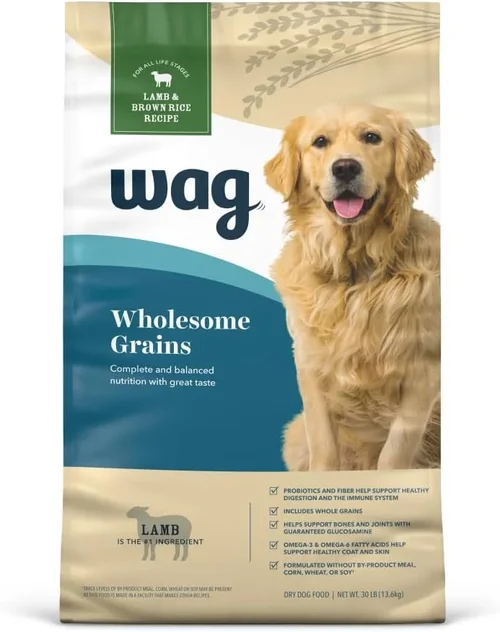
When it comes to raising a healthy, happy German Shepherd, few decisions are as critical as choosing the right dog food. These intelligent, active, and loyal companions have unique nutritional needs that evolve throughout their lives—from rambunctious puppies to mature adults and eventually senior dogs. As one of the most popular large breeds in the United States, German Shepherds are prone to specific health concerns such as hip and elbow dysplasia, digestive sensitivities, skin allergies, and joint issues. Because of this, feeding them a high-quality, balanced diet isn’t just about satisfying hunger—it’s a vital part of preventive healthcare.
That’s where Costco comes into play. Known for offering bulk-sized products at competitive prices, Costco has become a go-to destination for pet owners looking to stretch their budgets without sacrificing quality. The warehouse club carries a curated selection of premium and mid-tier dog food brands, many of which are formulated specifically for large breeds like the German Shepherd. Whether you’re feeding a growing puppy, an athletic adult, or a senior dog with changing needs, Costco offers options that can support your dog’s overall well-being—provided you know what to look for.
This comprehensive guide is designed to help you navigate the often-overwhelming world of dog food with confidence. We’ll break down the key factors that matter most when selecting food for your German Shepherd, compare different types available at Costco, highlight common pitfalls to avoid, and provide expert-backed recommendations based on real-world performance and nutritional science. By the end of this article, you’ll have a clear understanding of what makes a dog food truly suitable for your German Shepherd—and how to get the best value for your money at Costco.
—

What to Look for When Buying Dog Food for German Shepherds
1. High-Quality Protein Sources
Protein is the foundation of any healthy dog diet, but it’s especially crucial for large, muscular breeds like the German Shepherd. These dogs require ample protein to support muscle development, maintain energy levels, and promote healthy skin and coat. Look for dog foods that list a named animal protein—such as chicken, lamb, salmon, or beef—as the first ingredient. Avoid products that lead with vague terms like “meat meal” or “animal by-product meal,” as these can be inconsistent in quality and digestibility.
For German Shepherds, aim for a minimum of 22–26% crude protein for adults and 26–30% for puppies. However, higher protein alone isn’t enough—it must come from highly digestible sources. Ingredients like deboned chicken, chicken meal (rendered properly), or fresh salmon are excellent indicators of quality. Also, consider whether the food includes multiple protein sources (e.g., chicken and egg) to provide a complete amino acid profile.
2. Appropriate Fat Content for Energy and Coat Health
Fats are essential for providing concentrated energy, supporting brain function, and maintaining a shiny, healthy coat. German Shepherds, being active working dogs, benefit from moderate to high fat levels—typically between 12% and 16% for adults and slightly higher for puppies or highly active individuals. The best fats come from named sources such as chicken fat, salmon oil, flaxseed, or canola oil.
Omega-3 and Omega-6 fatty acids are particularly important. Omega-3s (found in fish oil and flaxseed) help reduce inflammation, support joint health, and improve skin conditions. Omega-6s (from poultry fat and vegetable oils) promote a lustrous coat. A balanced ratio of these fatty acids—ideally around 5:1 to 10:1 (Omega-6 to Omega-3)—can make a noticeable difference in your dog’s overall health.
Avoid foods with excessive fat from unnamed or low-quality sources, as these can contribute to obesity or pancreatitis, especially in less active dogs.
3. Joint Support Ingredients
German Shepherds are genetically predisposed to joint problems, particularly hip and elbow dysplasia. Feeding a diet that supports joint health from an early age can help delay or reduce the severity of these conditions. Look for dog foods that include glucosamine, chondroitin sulfate, and MSM (methylsulfonylmethane)—compounds known to support cartilage repair and reduce inflammation.
Some premium formulas also include green-lipped mussel extract, a natural source of glycosaminoglycans that has shown promise in managing arthritis. Additionally, foods fortified with antioxidants like vitamin E and C can help combat oxidative stress in joints.
4. Digestive Health and Fiber Balance
German Shepherds are known for having sensitive stomachs. Diarrhea, gas, and bloating are common complaints among owners of this breed. To support digestive health, choose a dog food with highly digestible ingredients and moderate fiber content. Ideal fiber levels range from 3% to 5%, coming from sources like beet pulp, pumpkin, sweet potato, or chicory root.
Prebiotics (such as fructooligosaccharides or FOS) and probiotics (live beneficial bacteria) are also valuable additions. These help maintain a healthy gut microbiome, improve nutrient absorption, and reduce gastrointestinal upset. Some Costco brands include these functional ingredients in their formulas—look for labels that mention “supports digestive health” or list probiotics in the ingredient panel.
Avoid foods with excessive fillers like corn, wheat, or soy, which can be harder to digest and may trigger allergies.
5. Large Breed-Specific Formulations
Not all dog foods are created equal—especially when it comes to size. Large breed dogs like German Shepherds have different metabolic rates, growth patterns, and nutritional requirements compared to small or medium breeds. Feeding a generic adult formula to a large breed puppy, for example, can lead to rapid growth and increased risk of skeletal abnormalities.
Look for dog foods labeled as “Large Breed” or “For Large Breed Puppies.” These formulas are typically lower in calories and calcium to support controlled growth, and they often include added joint support and joint-protective nutrients. For adult German Shepherds, large breed formulas help maintain a healthy weight and reduce stress on joints.
Costco carries several large breed-specific options, including Kirkland Signature, Purina Pro Plan Large Breed, and Iams Large & Giant Breed.
6. Grain-Inclusive vs. Grain-Free: What’s Right for Your Dog?
The grain-free trend has been popular in recent years, but it’s important to understand the science behind it. Contrary to marketing claims, most dogs—including German Shepherds—can digest grains perfectly well. In fact, grains like brown rice, oats, and barley provide valuable carbohydrates, fiber, and essential nutrients.
The FDA has raised concerns about a potential link between grain-free diets (especially those high in legumes like peas, lentils, and chickpeas) and dilated cardiomyopathy (DCM) in dogs. While the research is ongoing, many veterinarians now recommend grain-inclusive diets unless your dog has a diagnosed grain allergy.
That said, if your German Shepherd has a confirmed grain sensitivity, a grain-free formula with alternative carb sources (like sweet potato or tapioca) may be appropriate. Always consult your veterinarian before making a major dietary switch.
7. Avoidance of Artificial Additives and Fillers
Cheap dog foods often rely on artificial preservatives, colors, and flavors to extend shelf life and enhance palatability. These additives offer no nutritional benefit and may contribute to allergies, hyperactivity, or long-term health issues. Look for foods preserved with natural antioxidants like mixed tocopherols (vitamin E) or rosemary extract instead of BHA, BHT, or ethoxyquin.
Similarly, avoid foods with excessive fillers such as corn gluten meal, wheat middlings, or soybean meal. These are low-cost protein sources that are less digestible and may trigger food intolerances. Instead, opt for whole-food ingredients that contribute real nutritional value.
8. Brand Reputation and Transparency
Not all dog food brands are equally trustworthy. When shopping at Costco, you’re limited to the brands they carry, but that doesn’t mean you should skip due diligence. Research the manufacturer’s history, recall record, and ingredient sourcing practices.
Brands like Kirkland Signature (Costco’s in-house brand), Purina, Iams, and Hill’s Science Diet have long-standing reputations for quality and safety. Kirkland Signature, in particular, is manufactured by Diamond Pet Foods—a company with a strong track record and AAFCO-compliant formulations.
Look for brands that provide clear information about where ingredients are sourced, whether they conduct feeding trials, and if they’re transparent about their manufacturing processes. Avoid brands that are vague about ingredient origins or have a history of recalls.
—
Different Types of Dog Food Available at Costco

Each type of dog food has its place in a German Shepherd’s diet, depending on age, health status, and lifestyle. Dry kibble remains the most popular choice due to its affordability, convenience, and dental benefits. Wet food can be used as a topper or for dogs who struggle to stay hydrated. Grain-free options should be reserved for dogs with confirmed allergies, and prescription diets should only be used under veterinary supervision.
—
Common Buying Mistakes to Avoid

❌ Mistake: Choosing Based Solely on Price
Why it’s bad: While Costco is known for value, the cheapest dog food often contains low-quality ingredients, fillers, and artificial additives that can compromise your German Shepherd’s health over time. A diet high in corn, soy, or unnamed meat meals may save money upfront but could lead to higher vet bills due to allergies, obesity, or digestive issues.
What to do instead: Focus on cost per pound and nutritional value, not just the sticker price. A mid-range food with high-quality ingredients often provides better long-term value. Compare ingredient lists and guaranteed analysis to assess true quality.
❌ Mistake: Ignoring Life Stage Needs
Why it’s bad: Feeding a puppy formula to an adult dog—or vice versa—can lead to nutritional imbalances. Puppies need higher protein and fat for growth, while seniors benefit from lower calories and added joint support. Using the wrong formula can result in obesity, stunted growth, or nutrient deficiencies.
What to do instead: Always select a food appropriate for your dog’s life stage. Look for labels that specify “Puppy,” “Adult,” or “Senior,” and choose large breed versions when applicable.
❌ Mistake: Overlooking Ingredient Transparency
Why it’s bad: Vague ingredient descriptions like “meat by-products” or “animal digest” make it difficult to assess food quality. These terms can include parts of animals not fit for human consumption and may vary widely in nutritional value.
What to do instead: Prioritize brands that use specific, named ingredients (e.g., “chicken meal” vs. “poultry meal”). Check for AAFCO statements on the packaging, which indicate the food meets nutritional standards.
❌ Mistake: Switching Foods Too Quickly
Why it’s bad: Sudden dietary changes can upset your German Shepherd’s stomach, leading to diarrhea, vomiting, or refusal to eat. This is especially true for sensitive breeds.
What to do instead: Transition to a new food gradually over 7–10 days. Start by mixing 25% new food with 75% old food, increasing the proportion daily until the switch is complete.
❌ Mistake: Feeding Too Much or Too Little
Why it’s bad: Overfeeding can lead to obesity, a major risk factor for joint problems and diabetes. Underfeeding can result in malnutrition and low energy. German Shepherds are prone to bloat (gastric dilatation-volvulus), so portion control and feeding frequency matter.
What to do instead: Follow the feeding guidelines on the bag, but adjust based on your dog’s activity level, age, and body condition. Use a measuring cup—never free-feed. Split meals into two portions per day to reduce bloat risk.
❌ Mistake: Ignoring Your Dog’s Individual Needs
Why it’s bad: Every German Shepherd is different. Some have food allergies, others are highly active, and some are prone to weight gain. A one-size-fits-all approach may not meet your dog’s unique requirements.
What to do instead: Observe your dog’s coat, energy levels, stool quality, and weight. If you notice persistent issues, consult your veterinarian. Consider rotating proteins or trying limited-ingredient diets if sensitivities are suspected.
❌ Mistake: Not Reading the Guaranteed Analysis
Why it’s bad: The ingredient list tells you what’s in the food, but the guaranteed analysis reveals the actual nutritional content. Without this, you can’t assess protein, fat, fiber, and moisture levels.
What to do instead: Always check the guaranteed analysis on the back or side of the bag. Compare percentages across brands to make informed decisions.
—
Budget Guidelines: How Much Should You Spend?
Feeding a German Shepherd doesn’t have to break the bank—but it’s important to balance cost with quality. Here’s a breakdown of what to expect at different price points available at Costco:
Entry-Level ($30–$50 per 30–40 lb bag):
These are typically store brands or economy formulas. While they meet basic AAFCO standards, they often contain more fillers, lower-quality proteins, and artificial preservatives. Examples include some Kirkland Signature varieties (though their premium lines are better). Suitable for budget-conscious owners, but monitor your dog’s health closely.
Mid-Range ($50–$70 per 30–40 lb bag):
This is the sweet spot for most German Shepherd owners. Brands like Purina Pro Plan Large Breed, Iams ProActive Health, and Kirkland Signature Nature’s Domain fall into this category. They offer high-quality proteins, joint support, and digestive health ingredients at a reasonable price. Excellent value for the money.
Premium ($70–$90 per 30–40 lb bag):
These formulas use premium ingredients like deboned meats, novel proteins, and functional additives (probiotics, glucosamine, etc.). Examples include Kirkland Signature Super Premium and Purina Pro Plan Sensitive Skin & Stomach. Ideal for dogs with sensitivities or owners who want the best nutrition without going fully boutique.
Luxury ($90+ per bag):
While Costco doesn’t carry ultra-premium brands like Orijen or Acana, some of their Kirkland Signature lines (especially the grain-free or salmon-based formulas) approach this tier in quality. These are best for owners willing to invest in top-tier nutrition for long-term health benefits.
—
Expert Tips for Getting the Best Deal
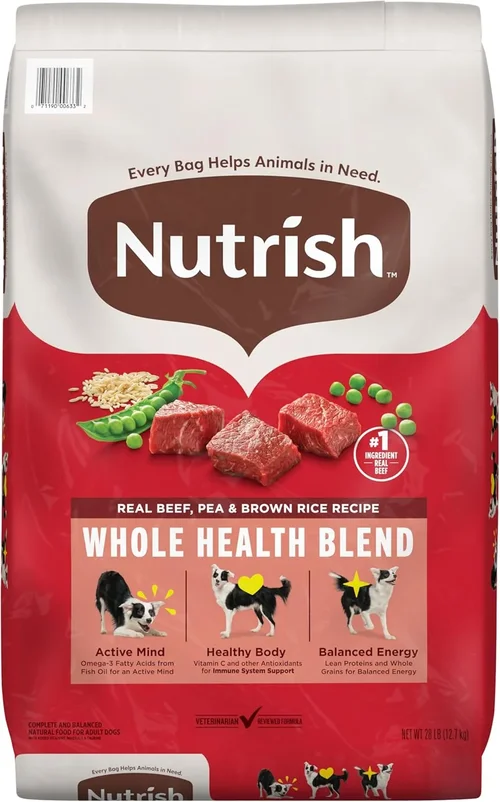
1. Shop During Seasonal Sales: Costco often runs promotions on pet food in January (post-holiday clearance) and September (back-to-school). Sign up for their email alerts to stay informed.
2. Compare Unit Prices: Don’t assume the largest bag is the cheapest per pound. Use the unit price (usually listed on the shelf tag) to compare value across brands and sizes.
3. Buy in Multi-Packs: Some Costco locations offer multi-packs of canned food or smaller kibble bags at a discount. These are great for trying new foods or mixing with dry kibble.
4. Check for Manufacturer Rebates: Occasionally, brands like Purina or Iams offer mail-in rebates or digital coupons through Costco’s app. These can reduce the effective price significantly.
5. Rotate Proteins Safely: To prevent food sensitivities, rotate between chicken, lamb, and salmon-based formulas every few months. Costco’s variety makes this easy and affordable.
6. Store Food Properly: Keep kibble in a cool, dry place in an airtight container. Most dry food stays fresh for 6–8 weeks after opening. Freeze unused portions if storing long-term.
7. Consult Your Vet Before Switching: If your dog has health issues, get professional advice before changing diets—even within Costco’s offerings.
8. Monitor Your Dog’s Response: After switching foods, watch for changes in coat shine, energy, stool consistency, and appetite. These are the best indicators of whether a food is working.
—

Frequently Asked Questions
Q: Can I feed my German Shepherd puppy adult dog food?
A: No. Puppies have higher energy and nutrient needs for growth. Adult food lacks the proper balance of protein, fat, and calcium required for developing bones and muscles. Always use a large breed puppy formula until at least 12–18 months of age.
Q: Is grain-free food better for German Shepherds?
A: Not necessarily. Unless your dog has a diagnosed grain allergy, grain-inclusive diets are safe and often more balanced. Grain-free foods may increase the risk of DCM if they rely heavily on legumes.
Q: How much should I feed my German Shepherd?
A: This depends on age, weight, and activity level. Generally, adult German Shepherds need 3–5 cups of high-quality kibble per day, split into two meals. Always follow the feeding guide on the bag and adjust based on body condition.
Q: Can I mix wet and dry food?
A: Yes! Many owners mix wet food with dry kibble to increase palatability and moisture intake. Just adjust portions to avoid overfeeding—wet food is more calorie-dense per volume.
Q: How often should I change my dog’s food?
A: There’s no need to change food unless your dog has issues or you’re rotating proteins. Frequent changes can upset the digestive system. When switching, do so gradually over 7–10 days.
Q: Are Costco dog foods safe?
A: Yes. Kirkland Signature and other brands sold at Costco are manufactured by reputable companies and meet AAFCO standards. They undergo rigorous testing and have strong safety records.
Q: What if my German Shepherd is overweight?
A: Choose a weight management formula with lower fat and higher fiber. Look for “light” or “reduced calorie” options. Increase exercise and reduce treats. Consult your vet for a tailored plan.
Q: Can I feed raw food from Costco?
A: Costco does not sell raw dog food. If you’re interested in raw feeding, consult a veterinary nutritionist to ensure balance and safety. Raw diets carry risks of bacterial contamination and nutritional imbalances if not properly formulated.
Q: How do I know if my dog has a food allergy?
A: Symptoms include chronic itching, ear infections, gastrointestinal upset, and skin rashes. If suspected, try a limited-ingredient diet with a novel protein (e.g., duck or salmon) for 8–12 weeks. See your vet for confirmation.
Q: Is it okay to feed my senior German Shepherd puppy food?
A: No. Puppy food is too high in calories and calcium for older dogs, which can lead to weight gain and kidney strain. Use a senior-specific formula with joint support and lower fat.
—
Our Final Recommendations
Best for Budget-Conscious Buyers:
Kirkland Signature Nature’s Domain Salmon & Sweet Potato Recipe
This grain-free formula offers high-quality salmon as the first ingredient, along with sweet potatoes for digestible carbs. Priced under $60 for a 40 lb bag, it delivers excellent value without sacrificing nutrition.
Best Overall Value:
Purina Pro Plan Large Breed Adult Chicken & Rice Formula
A trusted choice among veterinarians, this food includes real chicken, glucosamine for joints, and probiotics for digestion. At around $65 for a 34 lb bag, it’s a balanced, science-backed option.
Best Premium Option:
Kirkland Signature Super Premium Adult Large Breed
Manufactured by Diamond Pet Foods, this formula features deboned chicken, chicken meal, and added glucosamine and chondroitin. It’s one of the highest-quality options available at Costco, priced competitively under $70.
Best for Beginners:
Iams ProActive Health Large & Giant Breed Adult
Easy to find, affordable, and formulated specifically for large breeds. It includes L-carnitine for weight management and beet pulp for digestive health—great for first-time German Shepherd owners.
Best for Sensitive Stomachs:
Purina Pro Plan Sensitive Skin & Stomach Salmon & Rice
Made with easily digestible salmon and rice, this formula includes prebiotic fiber and omega fatty acids. Ideal for dogs with allergies or digestive issues.
—
Conclusion: Making the Right Choice
Choosing the right dog food for your German Shepherd is one of the most important decisions you’ll make as a pet owner. It impacts everything from their energy levels and coat shine to their long-term joint health and digestive comfort. Costco offers a surprisingly strong selection of high-quality, large breed-specific dog foods that balance nutrition, safety, and value.
By focusing on key factors like protein quality, joint support, digestive health, and life stage appropriateness, you can narrow down your options and find a food that truly meets your dog’s needs. Avoid common pitfalls like choosing based on price alone or ignoring ingredient transparency. Instead, take a holistic approach—consider your dog’s individual health, activity level, and any sensitivities they may have.
Remember, the best dog food is one that keeps your German Shepherd thriving, not just surviving. Whether you’re feeding a playful puppy, a hardworking adult, or a wise senior, the right nutrition will support their vitality for years to come. Use this guide as your roadmap, consult your veterinarian when in doubt, and don’t be afraid to experiment—within reason—to find the perfect match.
Your German Shepherd gives you loyalty, love, and companionship every day. The least you can do is feed them food that honors that bond. With the insights and recommendations in this guide, you’re well-equipped to make a confident, informed choice at Costco—and give your dog the healthy, happy life they deserve.