
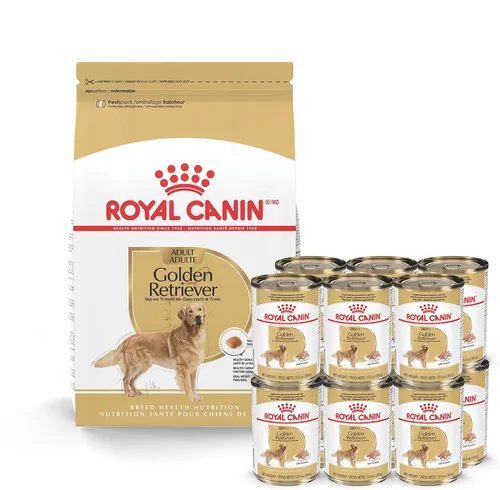
When it comes to raising a happy, healthy Golden Retriever, few decisions are as impactful as choosing the right dog food. These beloved family dogs are known for their boundless energy, affectionate personalities, and unfortunately, their susceptibility to certain health issues like hip dysplasia, obesity, skin allergies, and heart conditions. What you feed your Golden can directly influence their lifespan, coat quality, joint health, and overall vitality. That’s why so many pet owners turn to trusted retailers like Costco—not just for bulk savings, but for access to high-quality, vet-recommended dog food brands at competitive prices.
But with dozens of options lining the Costco shelves, how do you know which kibble or wet food is truly the best for your Golden Retriever? The market is flooded with marketing claims—“grain-free,” “natural,” “premium,” “vet-formulated”—but not all of these labels mean what you think they do. Some foods may be too high in calories for a less active senior dog, while others might lack essential nutrients needed during rapid growth in puppies. This comprehensive buying guide cuts through the noise. We’ll walk you through everything you need to know to make an informed, confident decision—whether you’re feeding a playful puppy, an active adult, or a golden-hearted senior.
In this guide, you’ll learn how to evaluate dog food based on your Golden’s life stage, activity level, and health needs. We’ll break down key nutritional factors like protein sources, fat content, fiber, and added supplements. You’ll discover which Costco-exclusive brands offer the best value without sacrificing quality, and how to avoid common pitfalls like overfeeding or falling for misleading packaging. Whether you’re shopping in-store or online, this guide will equip you with the knowledge to choose a dog food that supports your Golden’s long-term health—and your wallet.

What to Look for When Buying Dog Food for Golden Retrievers
1. High-Quality Animal Protein as the First Ingredient
Golden Retrievers are active, muscular dogs that thrive on diets rich in animal-based protein. Look for foods where real meat—such as chicken, turkey, lamb, or fish—is listed as the very first ingredient. Avoid products that lead with vague terms like “meat meal” or “by-product meal,” which can include parts of animals not typically consumed by humans. High-quality protein supports muscle maintenance, healthy skin, and a shiny coat. For puppies, aim for at least 22% protein; for adults, 18–25% is ideal. Senior dogs may benefit from slightly higher protein to combat muscle loss, but always consult your vet if your dog has kidney concerns.
2. Appropriate Fat Content for Energy and Coat Health
Fats are essential for Golden Retrievers, who are prone to dry skin and dull coats. Look for foods with 8–15% fat content, ideally from named sources like chicken fat, salmon oil, or flaxseed. Omega-3 and Omega-6 fatty acids are particularly beneficial—they reduce inflammation, support brain health, and give your dog’s coat that signature golden luster. Avoid foods with excessive fat, which can contribute to obesity, a common issue in less active Goldens. If your dog is overweight, consider a weight management formula with moderate fat and added L-carnitine to support fat metabolism.
3. Joint Support Ingredients (Glucosamine & Chondroitin)
Golden Retrievers are genetically predisposed to hip and elbow dysplasia, arthritis, and other joint problems. Feeding a diet fortified with glucosamine and chondroitin can help maintain cartilage health and reduce the risk of degenerative joint disease. Many premium dog foods—especially those marketed for large breeds—include these supplements. While they won’t cure existing conditions, they can slow progression and improve mobility. Look for foods that specify “with added glucosamine” or list it in the ingredient panel. Some Costco brands, like Kirkland Signature and Purina Pro Plan, include these in their formulations.
4. Digestive Health and Fiber Balance
Goldens can be prone to sensitive stomachs, gas, and irregular bowel movements. A diet with the right balance of fiber—typically 3–5%—helps regulate digestion. Look for prebiotic fibers like beet pulp, chicory root, or dried fermentation products, which feed beneficial gut bacteria. Avoid excessive fillers like corn, wheat, or soy, which can cause bloating or allergic reactions in some dogs. Probiotics are another plus—they support a healthy microbiome and may reduce diarrhea or constipation. If your Golden has chronic digestive issues, consider a limited-ingredient or sensitive stomach formula available at Costco.
5. Life Stage and Activity Level Appropriateness
Not all dog foods are created equal—your Golden’s nutritional needs change dramatically from puppyhood to senior years. Puppies need higher calories, protein, and DHA for brain development. Adult dogs require balanced nutrition to maintain weight and energy. Seniors benefit from lower calories, joint support, and antioxidants for immune health. Always choose a food labeled for your dog’s specific life stage: “Puppy,” “Adult,” “Large Breed Adult,” or “Senior.” Overfeeding adult food to a puppy can lead to rapid growth and joint stress, while feeding puppy food to an adult can cause obesity.
6. Grain Inclusion vs. Grain-Free: What’s Right for Your Golden?
The grain-free trend has been popular, but recent FDA investigations have linked certain grain-free diets—especially those high in legumes like peas, lentils, and chickpeas—to an increased risk of dilated cardiomyopathy (DCM) in dogs, including Golden Retrievers. Unless your dog has a diagnosed grain allergy, there’s no proven benefit to grain-free food. In fact, whole grains like brown rice, oatmeal, and barley provide valuable fiber, B vitamins, and sustained energy. Costco offers excellent grain-inclusive options that are safe, balanced, and affordable. Always consult your vet before switching to a grain-free diet.
7. Brand Transparency and AAFCO Compliance
Reputable dog food brands follow guidelines set by the Association of American Feed Control Officials (AAFCO). Look for a statement on the packaging such as: “Formulated to meet the nutritional levels established by the AAFCO Dog Food Nutrient Profiles.” This ensures the food has been tested for completeness and balance. Avoid brands that don’t disclose ingredient sourcing or manufacturing practices. Costco’s Kirkland Signature line, for example, is AAFCO-compliant and undergoes rigorous testing, making it a trustworthy choice for many pet owners.
8. Price Per Pound and Bulk Value
One of the biggest advantages of shopping at Costco is the cost savings on large bags. However, don’t let a low price per pound fool you—some budget brands use cheaper fillers that reduce overall nutrition. Calculate the cost per feeding by dividing the total price by the number of cups in the bag and your dog’s daily serving size. A $50 bag that lasts two months may be a better value than a $30 bag that lasts only three weeks. Also, consider that higher-quality foods are often more nutrient-dense, meaning you can feed less per day—offsetting the higher upfront cost.
Different Types of Dog Food Available at Costco

Common Buying Mistakes to Avoid

❌ Mistake: Choosing Based Solely on Price
Why it’s bad: The cheapest dog food often uses low-quality proteins, fillers, and artificial preservatives that can lead to health problems over time. A $30 bag might seem like a bargain, but if it causes digestive issues, skin allergies, or requires larger portions to meet nutritional needs, you’ll end up spending more on vet bills and supplemental foods.
What to do instead: Focus on cost per feeding and nutritional value. A mid-range food like Kirkland Signature Nature’s Domain may cost more upfront but provides better ingredients and smaller serving sizes, making it more economical in the long run.
❌ Mistake: Ignoring Life Stage Labels
Why it’s bad: Feeding adult food to a growing puppy can stunt development, while puppy food for an adult dog can lead to obesity and joint stress. Golden Retrievers grow rapidly in their first year and have unique nutritional needs during this time.
What to do instead: Always match the food to your dog’s life stage. Use “Large Breed Puppy” formulas for puppies under 18 months to ensure controlled growth and proper bone development.
❌ Mistake: Overlooking Ingredient Order
Why it’s bad: Ingredients are listed by weight. If corn or wheat appears before meat, the food is likely filler-heavy and low in protein. This can lead to poor muscle tone, dull coat, and increased hunger.
What to do instead: Scan the first five ingredients. Look for named meats (e.g., “deboned chicken”) as the first item, followed by whole grains or vegetables—not by-products or generic “meat meal.”
❌ Mistake: Falling for “Grain-Free” Marketing
Why it’s bad: Grain-free diets have been linked to DCM in dogs, especially when they contain high levels of legumes. Most dogs don’t need grain-free food, and whole grains provide valuable nutrients.
What to do instead: Choose grain-inclusive diets unless your vet confirms a grain allergy. Look for foods with digestible grains like oatmeal or brown rice.
❌ Mistake: Not Transitioning Foods Gradually
Why it’s bad: Sudden diet changes can cause vomiting, diarrhea, or refusal to eat. Dogs have sensitive digestive systems, and abrupt switches disrupt gut bacteria.
What to do instead: Transition over 7–10 days: start with 25% new food and 75% old, gradually increasing the ratio. Monitor stool consistency and appetite.
❌ Mistake: Overfeeding Based on Bag Guidelines
Why it’s bad: Feeding charts are estimates. Overfeeding leads to obesity, which shortens lifespan and increases risk of diabetes, arthritis, and heart disease in Goldens.
What to do instead: Use a measuring cup, adjust portions based on your dog’s weight, activity level, and body condition score. Consult your vet for personalized recommendations.
❌ Mistake: Ignoring Expiration Dates and Storage
Why it’s bad: Dog food loses nutrients and can grow mold or bacteria if stored improperly. Rancid fats cause digestive upset and long-term health issues.
What to do instead: Check expiration dates before buying. Store kibble in an airtight container in a cool, dry place. Use within 6 weeks of opening.
Budget Guidelines: How Much Should You Spend?
- Entry-Level ($30–$45 per 30–40 lb bag): These are budget-friendly options like Purina Dog Chow or Iams. While they meet basic AAFCO standards, they often use meat by-products, corn, and artificial additives. Best for temporary use or multi-dog households, but not ideal for long-term feeding of a Golden Retriever.
- Mid-Range ($45–$65 per 30–40 lb bag): This is the sweet spot for most Golden owners. Brands like Kirkland Signature Nature’s Domain, Purina Pro Plan, and Blue Buffalo Life Protection offer high-quality proteins, joint support, and balanced nutrition at a reasonable price. These foods provide excellent value and are widely available at Costco.
- Premium ($65–$85 per 30–40 lb bag): These foods use human-grade ingredients, novel proteins (like duck or salmon), and advanced supplements. Examples include Wellness CORE, Taste of the Wild, and Nutro Ultra. Ideal for dogs with allergies, sensitive stomachs, or owners who prioritize ingredient sourcing.
- Luxury ($85+ per bag or $3+ per can): Includes freeze-dried raw, fresh-cooked, or boutique brands like The Honest Kitchen or Open Farm. These are nutrient-dense and minimally processed but come at a high cost. Best for owners willing to invest in top-tier nutrition or dogs with complex health needs.

Expert Tips for Getting the Best Deal
- Shop During Seasonal Sales: Costco often runs pet food promotions in April and October. These are the best times to stock up on large bags at discounted prices.
- Compare Online vs. In-Store: Sometimes, Costco.com offers exclusive online bundles or free shipping on large orders. Check both options before purchasing.
- Use the Costco App: The app shows real-time inventory, digital coupons, and price history. You can also scan items in-store to see reviews and nutritional info.
- Join the Executive Membership: If you buy pet food regularly, the 2% cashback from an Executive Membership can add up to significant savings over the year.
- Read the Fine Print on Returns: Costco has a generous return policy, but opened food bags may not be accepted. Keep receipts and original packaging just in case.
- Rotate Proteins: To prevent allergies and keep your dog interested, rotate between chicken, lamb, and fish-based formulas every few months. Costco offers variety packs for this purpose.
- Supplement Wisely: Instead of buying expensive “complete” foods, consider adding fresh foods like cooked sweet potato, green beans, or plain yogurt as toppers. This boosts nutrition without breaking the bank.
- Consult Your Vet Annually: Your dog’s needs change with age and health. An annual check-up can help you adjust their diet—saving money by avoiding unnecessary supplements or specialty foods.

Frequently Asked Questions
Q: Is Kirkland Signature dog food good for Golden Retrievers?
A: Yes, Kirkland Signature Nature’s Domain and Healthy Weight formulas are excellent choices. They feature real meat as the first ingredient, include glucosamine for joints, and are AAFCO-compliant. Many vets recommend them for large breeds like Goldens due to their balance of quality and affordability.
Q: Can I feed my Golden Retriever puppy adult dog food?
A: No. Puppy food is specially formulated with higher protein, fat, and calcium to support rapid growth. Feeding adult food can lead to developmental issues. Use a “Large Breed Puppy” formula until your dog is about 18 months old.
Q: How much should I feed my Golden Retriever?
A: On average, an adult Golden needs 3–4 cups of high-quality kibble per day, split into two meals. Puppies may need 4–5 smaller meals. Always follow the feeding guide on the bag and adjust based on your dog’s weight, activity, and body condition.
Q: Is grain-free dog food dangerous for Golden Retrievers?
A: Not inherently dangerous, but caution is advised. The FDA has linked certain grain-free diets high in legumes to DCM. Unless your dog has a confirmed grain allergy, grain-inclusive diets are safer and more balanced.
Q: Can I mix wet and dry food?
A: Absolutely! Many owners mix wet food into kibble to increase palatability, especially for picky eaters or seniors with dental issues. Just adjust portions to avoid overfeeding—wet food is more calorie-dense.
Q: How often should I change my dog’s food?
A: There’s no need to change food unless your dog has allergies, digestive issues, or your vet recommends a switch. Frequent changes can upset the stomach. If you do switch, do it gradually over 7–10 days.
Q: Does Costco sell organic dog food?
A: Yes, brands like Castor & Pollux Organix and Newman’s Own are available at select Costco locations. These use certified organic ingredients but come at a higher price point.
Q: What’s the best dog food for a senior Golden Retriever?
A: Look for senior formulas with lower calories, added glucosamine, antioxidants, and joint support. Kirkland Signature Senior and Purina Pro Plan Bright Mind are excellent options available at Costco.
Q: Can I buy dog food in bulk at Costco without a membership?
A: No, a Costco membership is required to shop in-store or online. However, the basic Gold Star membership pays for itself quickly with pet food savings.
Q: How long does a 40 lb bag of dog food last?
A: For an average adult Golden eating 3.5 cups per day, a 40 lb bag (about 160 cups) lasts roughly 45–50 days. Puppies and active dogs may finish it faster.
Our Final Recommendations
- Best for Budget-Conscious Buyers: Kirkland Signature Nature’s Domain Adult Chicken & Sweet Potato – At around $55 for a 40 lb bag, this grain-free (but legume-balanced) formula offers real chicken, probiotics, and joint support. Great value without compromising quality.
- Best Overall Value: Purina Pro Plan Large Breed Adult Chicken & Rice – Priced at $60–$65, this vet-recommended food includes glucosamine, high protein, and is specifically designed for large breeds. Widely available and trusted by professionals.
- Best Premium Option: Wellness CORE Grain-Free Large Breed – At $75–$80, this high-protein, low-carb formula uses deboned turkey and salmon oil. Ideal for active Goldens or those with food sensitivities.
- Best for Beginners: Blue Buffalo Life Protection Formula Large Breed – Easy to find, well-balanced, and includes LifeSource Bits with antioxidants. A great starting point for new Golden owners.
- Best for Advanced Users: The Honest Kitchen Human-Grade Dehydrated Dog Food – While not traditional kibble, this minimally processed, human-grade food offers maximum nutrition. Requires rehydration but is ideal for owners seeking raw-like benefits without the hassle.
Conclusion: Making the Right Choice
Choosing the best dog food for your Golden Retriever at Costco doesn’t have to be overwhelming. By focusing on high-quality protein, appropriate life stage formulas, joint support, and digestive health, you can find a food that supports your dog’s longevity and happiness. Remember, the cheapest option isn’t always the best value—invest in nutrition that prevents health issues down the road.
Use this guide as your roadmap. Compare ingredients, calculate cost per feeding, and don’t be swayed by flashy packaging. Your Golden’s health is worth the effort. Whether you’re feeding a rambunctious puppy or a wise senior, the right food can make all the difference in their energy, coat, mobility, and overall well-being.
Take the time to evaluate your dog’s individual needs, consult your veterinarian, and make an informed decision. With the right food from Costco, you’re not just feeding your dog—you’re giving them the foundation for a long, vibrant life by your side.