
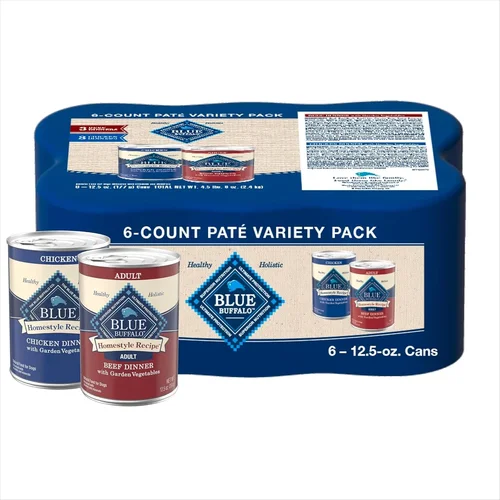
When it comes to feeding your small dog, the quality of their food matters—more than you might think. Small breeds have unique nutritional needs, faster metabolisms, and often more sensitive digestive systems than their larger counterparts. That’s why choosing the right canned dog food isn’t just about convenience or taste—it’s a vital part of supporting your dog’s long-term health, energy levels, coat condition, and overall well-being. With so many options flooding the market—ranging from budget-friendly store brands to premium, vet-recommended formulas—it’s easy to feel overwhelmed. That’s exactly why this comprehensive buying guide exists: to cut through the noise and help you make an informed, confident decision.
In this guide, you’ll learn everything you need to know about selecting the best canned dog food for your small dog in 2026. We’ll break down the most important factors to consider—from ingredient quality and nutritional balance to price, brand reputation, and packaging convenience. You’ll discover how to read labels like a pro, avoid common marketing traps, and match your dog’s specific needs (like age, activity level, or food sensitivities) with the right formula. Whether you’re a first-time pet parent or a seasoned dog owner looking to upgrade your pup’s diet, this guide will equip you with expert-level knowledge to choose wisely.
The canned dog food market has evolved significantly in recent years. Gone are the days when wet food was seen as a treat or supplement—today, many pet parents are switching to full-time canned diets for their superior moisture content, palatability, and digestibility. Small dogs, in particular, benefit from the higher water content in wet food, which supports kidney and urinary tract health. At the same time, brands are responding to consumer demand with grain-free, limited-ingredient, high-protein, and even fresh-frozen options. But with innovation comes complexity. Not all canned foods are created equal, and what works for one Chihuahua might not suit a senior Pomeranian with dental issues. This guide will help you navigate that complexity with clarity and confidence.
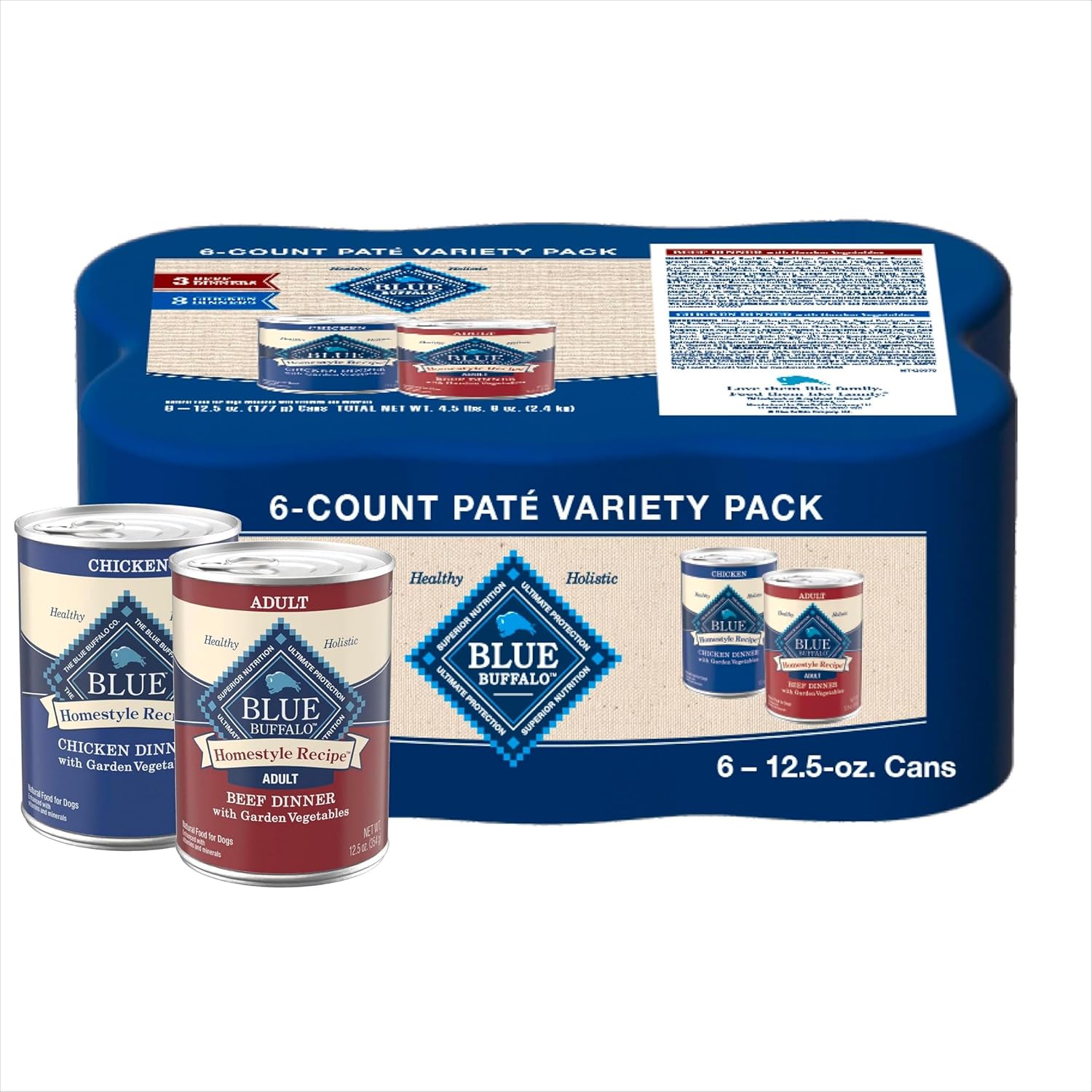
What to Look for When Buying Canned Dog Food
1. High-Quality Protein Sources
Protein is the cornerstone of any healthy dog diet, especially for small breeds that burn energy quickly. Look for canned foods where the first ingredient is a named animal protein—such as “chicken,” “turkey,” “salmon,” or “lamb”—not vague terms like “meat meal” or “by-product meal.” Whole meats should be prioritized over rendered meals when possible, as they retain more natural nutrients and are easier to digest. For example, “deboned chicken” is superior to “chicken meal” in terms of freshness and bioavailability.
Small dogs need about 18–25% protein in their diet, depending on age and activity level. Puppies and highly active adults may require the higher end of that range. Avoid formulas that rely heavily on plant-based proteins like soy, corn gluten meal, or pea protein as primary protein sources—these are less biologically appropriate for dogs and may not provide complete amino acid profiles. Instead, opt for recipes that use real meat, poultry, or fish as the foundation.
2. Appropriate Fat Content for Energy and Coat Health
Fat is a concentrated source of energy and essential fatty acids that support skin, coat, brain function, and immune health. Small dogs, with their rapid metabolisms, benefit from moderate to high fat levels—typically between 10% and 15% on a dry matter basis. Look for healthy fat sources like chicken fat, salmon oil, flaxseed, or coconut oil. These provide omega-3 and omega-6 fatty acids, which reduce inflammation and promote a shiny coat.
Avoid foods with excessive fat from unnamed or low-quality sources like “animal fat” or “poultry fat” without species specification. These can be inconsistent in quality and may come from undesirable parts. Also, be cautious with very high-fat diets for less active or senior small dogs, as they can contribute to weight gain. Balance is key—your dog needs enough fat to thrive, but not so much that it leads to obesity.
3. Moisture Content and Hydration Benefits
One of the biggest advantages of canned dog food is its high moisture content—typically 70% to 85%. This is especially beneficial for small dogs, who are prone to urinary tract issues and dehydration. Unlike dry kibble, which contains only about 10% moisture, wet food helps maintain proper kidney function and reduces the risk of bladder stones and infections.
For small breeds like Dachshunds, Shih Tzus, or Miniature Schnauzers, who may not drink enough water on their own, canned food can be a game-changer. It supports overall hydration, aids digestion, and makes meals more appealing—particularly for picky eaters or dogs with dental problems who struggle with hard kibble. When comparing products, check the guaranteed analysis on the label: higher moisture content is almost always better, unless your dog has specific medical conditions requiring fluid restriction.
4. Grain-Free vs. Whole Grains: What’s Right for Your Dog?
The grain-free debate has been hotly contested in recent years, especially after the FDA’s investigation into a potential link between grain-free diets and dilated cardiomyopathy (DCM) in dogs. While the issue is still under study, the consensus among veterinarians is that grains are not inherently bad—and for many dogs, they’re a healthy source of fiber, vitamins, and energy.
For small dogs without grain allergies, whole grains like brown rice, oats, barley, or quinoa can be excellent additions. They aid digestion, provide sustained energy, and are often more affordable than grain-free alternatives. However, if your dog has been diagnosed with a grain sensitivity or shows signs of digestive upset (itching, gas, diarrhea), a grain-free formula with digestible carbohydrates like sweet potato or pumpkin may be preferable.
The key is to avoid unnecessary fillers like corn, wheat, or soy—especially if they appear early in the ingredient list. These are often used as cheap bulking agents and offer little nutritional value. Instead, look for recipes that use grains or grain alternatives thoughtfully and in moderation.
5. Limited Ingredients for Sensitive Stomachs
Small dogs are notorious for having sensitive digestive systems. If your pup suffers from frequent stomach upset, gas, or food intolerances, a limited-ingredient diet (LID) may be the solution. These formulas contain fewer ingredients—typically one protein source and one carbohydrate source—to minimize the risk of allergic reactions.
Look for canned foods labeled “limited ingredient” or “sensitive stomach” that avoid common allergens like chicken, beef, dairy, eggs, and wheat. Instead, they might feature novel proteins like duck, lamb, or fish paired with easily digestible carbs like potato or green peas. Brands like Wellness Simple, Natural Balance L.I.D., and Merrick Limited Ingredient are known for their transparent, minimalist recipes.
6. Added Nutrients and Functional Ingredients
Beyond basic nutrition, many premium canned dog foods include functional ingredients designed to support specific health needs. For small dogs, these can make a significant difference in longevity and quality of life. Look for added glucosamine and chondroitin for joint health—especially important for breeds prone to patellar luxation or hip dysplasia.
Probiotics are another valuable addition, promoting a healthy gut microbiome and improving digestion. Ingredients like chicory root, pumpkin, or FOS/MOS (fructooligosaccharides/mannan oligosaccharides) support beneficial bacteria. Antioxidants from fruits and vegetables—such as blueberries, spinach, or cranberries—boost immune function and combat oxidative stress.
Some formulas also include taurine, an amino acid linked to heart health, particularly in breeds like Cocker Spaniels and Miniature Schnauzers. While most dogs synthesize taurine naturally, supplementation in the diet can be beneficial, especially in grain-free diets where legumes may interfere with absorption.
7. Packaging and Portion Control
Small dogs eat less than larger breeds, so portion control is essential to prevent overfeeding and obesity. Most canned dog foods come in 3 oz, 5.5 oz, or 12.5 oz cans. For small breeds, 3 oz or 5.5 oz cans are ideal—they’re easy to open, reduce waste, and allow for precise feeding.
Look for cans with easy-open lids or pull-tabs, especially if you have arthritis or limited hand strength. Some brands now offer resealable pouches or trays, which can be more convenient than traditional cans—though they may not preserve freshness as long once opened. If you choose pouches, transfer any unused portion to an airtight container and refrigerate immediately.
Also consider the environmental impact. Aluminum cans are recyclable, but some brands use BPA-lined cans, which raise health concerns. Opt for BPA-free packaging when possible, and support companies with sustainable practices.
8. Brand Reputation and Transparency
Not all pet food brands are created equal. Some prioritize marketing over nutrition, while others invest heavily in research, testing, and quality control. When choosing a brand, look for transparency in sourcing, manufacturing, and labeling. Reputable companies will disclose where their ingredients come from, whether their facilities are AAFCO-compliant, and if their recipes are formulated by veterinary nutritionists.
Brands like Royal Canin, Hill’s Science Diet, Purina Pro Plan, and Blue Buffalo have long-standing reputations and extensive research backing. However, newer brands like The Honest Kitchen, Open Farm, and Spot & Tango are gaining traction for their human-grade ingredients and ethical sourcing. Always check for recalls, customer reviews, and third-party certifications like AAFCO, USDA Organic, or Non-GMO Project Verified.
Avoid brands that use vague language like “flavor” instead of “chicken” or “meat” instead of a specific protein. These are red flags for low-quality formulations.
Different Types of Canned Dog Food

Common Buying Mistakes to Avoid
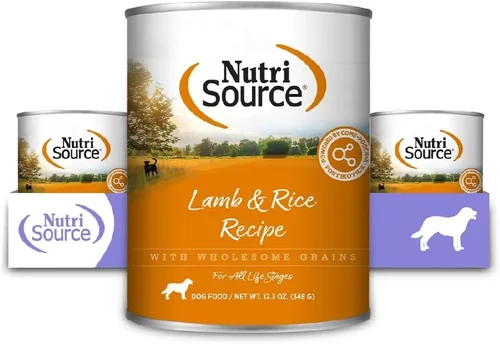
❌ Mistake: Choosing Based on Price Alone
Why it’s bad: The cheapest canned dog food often contains fillers, by-products, and artificial preservatives that offer little nutritional value. Over time, this can lead to health issues like obesity, dental problems, and digestive disorders—costing more in vet bills than you saved on food.
What to do instead: Focus on value, not just price. A mid-range food with high-quality ingredients may cost more upfront but supports long-term health and reduces medical expenses.
❌ Mistake: Ignoring the Ingredient List
Why it’s bad: Marketing claims like “natural,” “premium,” or “holistic” are not regulated and can be misleading. A product may sound healthy but contain low-quality proteins or excessive carbohydrates.
What to do instead: Always read the ingredient list. The first three ingredients should be high-quality animal proteins. Avoid foods with artificial colors, flavors, or preservatives like BHA, BHT, or ethoxyquin.
❌ Mistake: Feeding Large Breed Food to Small Dogs
Why it’s bad: Large breed formulas are designed for slower growth and lower calorie needs. Feeding them to small dogs can result in overfeeding, rapid weight gain, and nutritional imbalances.
What to do instead: Choose formulas specifically labeled for small or toy breeds. These have higher calorie density, smaller kibble (if mixed with dry), and tailored nutrient profiles.
❌ Mistake: Not Considering Life Stage
Why it’s bad: Puppies, adults, and seniors have different nutritional requirements. Feeding adult food to a growing puppy can stunt development, while senior food may lack the energy a young dog needs.
What to do instead: Match the food to your dog’s life stage. Look for labels like “puppy,” “adult,” or “senior” and check AAFCO statements for complete and balanced nutrition.
❌ Mistake: Overlooking Allergies and Sensitivities
Why it’s bad: Repeated exposure to allergens can worsen symptoms like itching, ear infections, and gastrointestinal issues. Many dogs develop sensitivities over time.
What to do instead: Monitor your dog for signs of food intolerance. If symptoms appear, consult your vet and consider an elimination diet or limited-ingredient formula.
❌ Mistake: Sticking to One Brand Forever
Why it’s bad: Dogs can become bored with the same food, leading to picky eating. Additionally, rotating proteins can reduce the risk of developing new allergies.
What to do instead: Rotate between 2–3 trusted brands or protein sources every few months. This provides variety and nutritional diversity.
❌ Mistake: Not Consulting a Veterinarian
Why it’s bad: Every dog is unique. What works for your friend’s dog may not suit yours—especially if your pup has health conditions like diabetes, kidney disease, or pancreatitis.
What to do instead: Always consult your vet before making major dietary changes, especially if your dog has medical needs.
Budget Guidelines: How Much Should You Spend?
Entry-Level ($1.00–$2.00 per 5.5 oz can): These are typically store brands or economy lines from major manufacturers. While convenient and affordable, they often contain lower-quality proteins, fillers, and artificial additives. Best for occasional use or mixing with higher-quality food. Examples include Pedigree Choice Cuts or Iams Perfect Portions.
Mid-Range ($2.00–$3.50 per 5.5 oz can): This is the sweet spot for most small dog owners. Brands like Blue Buffalo, Wellness, and Merrick offer balanced nutrition with real meat, limited fillers, and added nutrients. These foods provide excellent value and are widely available in pet stores and online.
Premium ($3.50–$5.00 per 5.5 oz can): Designed for health-conscious pet parents, these formulas use human-grade ingredients, novel proteins, and functional additives like probiotics and joint support. Brands include The Honest Kitchen, Open Farm, and Spot & Tango. Ideal for dogs with sensitivities or owners seeking top-tier nutrition.
Luxury ($5.00+ per 5.5 oz can): These are often fresh, refrigerated, or freeze-dried raw foods that require special storage. While nutritionally superior, they come at a high cost and may not be practical for daily feeding. Best for occasional treats or dogs with severe dietary restrictions.
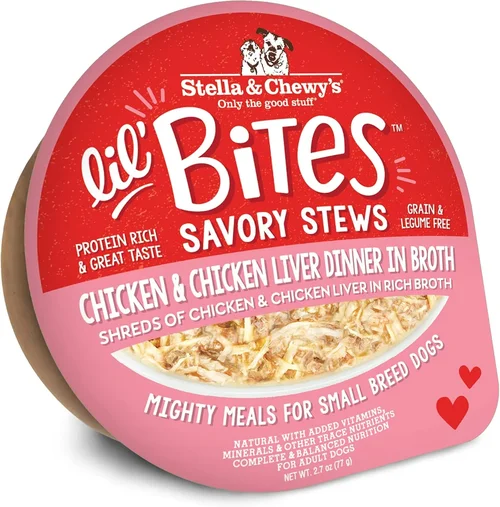
Expert Tips for Getting the Best Deal
– Shop During Seasonal Sales: Major pet retailers like Chewy, Petco, and Amazon often run promotions during holidays (Black Friday, Prime Day, Back-to-School). Stock up when prices drop.
– Use Subscription Services: Auto-shipping programs offer discounts and ensure you never run out. Just remember to pause or cancel if your dog’s needs change.
– Compare Unit Prices: Don’t just look at the total cost—check the price per ounce. A larger can may seem expensive but could be cheaper per serving.
– Check for Coupons and Rebates: Sign up for brand newsletters, loyalty programs, or apps like Rakuten for cashback on pet food purchases.
– Buy in Multi-Packs: Cans sold in 12- or 24-packs often cost less per unit than individual purchases.
– Read Return Policies: If your dog doesn’t like a new food, you want to be able to return it. Chewy and Petco offer generous return windows.
– Test Small Quantities First: Before committing to a large order, buy a single can or small pack to see if your dog enjoys it and tolerates it well.
– Consider Store Brands with Vet Approval: Some store brands (like Hill’s Science Diet sold at Petco) offer quality at a lower price point.

Frequently Asked Questions
Q: Can I feed my small dog only canned food?
A: Yes, many dogs thrive on an all-wet diet. Canned food provides excellent hydration and is highly digestible. However, some dogs benefit from a mix of wet and dry food—dry kibble can help with dental health. Consult your vet to determine the best approach for your dog.
Q: How much canned food should I feed my small dog?
A: Feeding guidelines vary by brand and your dog’s weight, age, and activity level. Most small dogs (5–15 lbs) need about 3–5.5 oz per day, split into two meals. Always follow the label recommendations and adjust based on your dog’s body condition.
Q: Is grain-free food better for small dogs?
A: Not necessarily. Grain-free diets are beneficial for dogs with grain allergies, but for most small dogs, whole grains are safe and nutritious. The key is avoiding low-quality fillers like corn or wheat gluten.
Q: Can puppies eat adult canned dog food?
A: It’s not ideal. Puppies need higher levels of protein, fat, and certain nutrients for growth. Choose a formula labeled for puppies or all life stages to ensure proper development.
Q: How long can I leave canned food out?
A: No more than 2 hours at room temperature. After that, bacteria can grow. Refrigerate any uneaten portion and use within 3–5 days.
Q: Should I warm up canned dog food?
A: Warming enhances aroma and palatability, which can encourage picky eaters. Use warm (not hot) water or microwave for a few seconds. Always stir and test temperature before serving.
Q: Are expensive brands worth the cost?
A: Often, yes—especially if they use high-quality ingredients, transparent sourcing, and veterinary nutritionists in formulation. However, some mid-range brands offer excellent value without the premium price tag.
Q: Can I mix different brands of canned food?
A: Yes, as long as both are complete and balanced. Mixing can add variety and prevent boredom. Just transition gradually to avoid digestive upset.
Q: What if my dog has dental issues?
A: Canned food is ideal for dogs with missing teeth or gum disease. It’s soft, easy to eat, and reduces chewing strain. Some brands even offer dental-specific wet formulas.
Q: How do I know if my dog is allergic to their food?
A: Signs include chronic itching, ear infections, diarrhea, vomiting, or gas. If you suspect a food allergy, consult your vet for an elimination diet or allergy testing.
Our Final Recommendations
Best for Budget-Conscious Buyers: Blue Buffalo Homestyle Recipe Small Breed – Offers real chicken, brown rice, and vegetables at an affordable price. Widely available and AAFCO-complete.
Best Overall Value: Wellness Complete Health Small Breed – Balanced nutrition, high moisture, and added probiotics. Great for everyday feeding with no artificial additives.
Best Premium Option: The Honest Kitchen Human-Grade Dehydrated Food (rehydrated) – While not traditional canned, it’s prepared like wet food and uses human-grade ingredients. Ideal for owners seeking the highest quality.
Best for Beginners: Purina Pro Plan Small Breed Wet Food – Trusted brand, easy to find, and formulated with real meat and prebiotic fiber. Great for first-time wet food users.
Best for Advanced Users: Open Farm Grain-Free Wet Food with Wild-Caught Salmon – Ethically sourced, traceable ingredients, and rich in omega-3s. Perfect for owners who prioritize sustainability and transparency.
Conclusion: Making the Right Choice
Choosing the best canned dog food for your small dog is one of the most impactful decisions you can make as a pet parent. It affects everything from their energy levels and coat shine to their digestive health and longevity. By focusing on high-quality proteins, appropriate fat levels, moisture content, and ingredient transparency, you can ensure your furry friend gets the nutrition they need to thrive.
Remember, there’s no one-size-fits-all solution. Your dog’s age, breed, activity level, and health status all play a role in determining the ideal food. Use this guide as your roadmap—evaluate your options, avoid common pitfalls, and don’t hesitate to consult your veterinarian. Whether you’re feeding a sprightly Chihuahua puppy or a senior Maltese with sensitive digestion, the right canned food can make all the difference.
Take the time to read labels, compare brands, and observe how your dog responds to different formulas. Your pup’s health is worth the effort. With the knowledge from this guide, you’re now equipped to make a confident, informed choice—one that supports a happy, healthy life for your small dog in 2026 and beyond.