
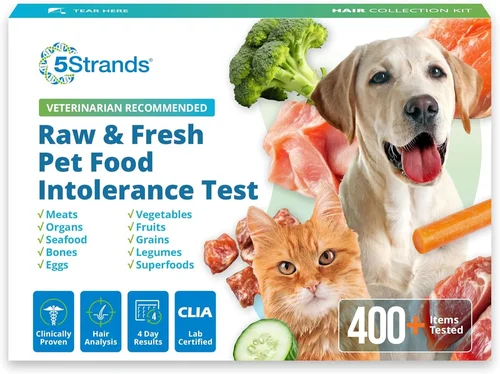
When your dog starts scratching incessantly, develops chronic ear infections, or experiences digestive issues like vomiting and diarrhea, it’s not just frustrating—it can be heartbreaking. As a pet owner, you want nothing more than to see your furry companion happy, healthy, and comfortable. But when allergies strike, figuring out the root cause and finding a solution can feel overwhelming. That’s where custom dog food plans for allergies come in. These tailored nutrition programs are designed to identify and eliminate the specific ingredients triggering your dog’s adverse reactions, offering a science-backed path to relief.
In recent years, the market for personalized pet nutrition has exploded. What began as a niche service offered by a handful of veterinarians and boutique pet food companies has evolved into a sophisticated industry leveraging veterinary science, data analytics, and direct-to-consumer models. Today, pet parents have access to a wide range of custom dog food plans that use elimination diets, novel proteins, hydrolyzed formulas, and even at-home allergy testing kits to craft meals uniquely suited to their dog’s needs. Whether your pup suffers from food sensitivities, environmental allergies that worsen with diet, or chronic skin conditions, a well-designed custom food plan can make a world of difference.
This comprehensive guide is designed to cut through the noise and help you make an informed decision. You’ll learn how to identify the signs of food allergies in dogs, understand the key components of a high-quality custom diet, compare different types of allergy-friendly feeding plans, and avoid common pitfalls. We’ll break down pricing tiers, highlight expert tips for getting the best value, and answer frequently asked questions based on real-world experiences. By the end, you’ll have the knowledge and confidence to choose a custom dog food plan that truly supports your dog’s health—without breaking the bank.

What to Look for When Buying Custom Dog Food for Allergies
1. Veterinary Involvement and Scientific Backing
One of the most critical factors in choosing a custom dog food plan for allergies is whether it’s developed with veterinary oversight. Allergies in dogs—especially food allergies—are complex and often misdiagnosed. A reputable custom food provider should collaborate with licensed veterinarians or board-certified veterinary nutritionists to formulate their recipes. Look for companies that offer consultations with vets, either included in the service or available as an add-on. This ensures that your dog’s diet isn’t just “hypoallergenic” in name, but actually addresses the underlying physiological needs.
Scientific backing also means the food is formulated based on peer-reviewed research and clinical trials. For example, hydrolyzed protein diets—where proteins are broken down into molecules too small to trigger an immune response—are proven effective for diagnosing and managing food allergies. If a company claims their food is “allergy-friendly” but lacks transparency about ingredient sourcing, testing methods, or veterinary input, proceed with caution.
2. Ingredient Transparency and Sourcing
When your dog has allergies, every ingredient matters. High-quality custom dog food plans should provide full ingredient transparency, including the source of proteins, carbohydrates, fats, and supplements. Avoid brands that use vague terms like “meat meal” or “animal by-products.” Instead, look for clearly named sources such as “deboned duck,” “salmon oil,” or “sweet potato.”
Additionally, consider whether the ingredients are human-grade, organic, or sustainably sourced. While these labels don’t guarantee allergy-friendliness, they often correlate with higher quality control and fewer contaminants. For dogs with severe sensitivities, even trace amounts of common allergens (like chicken or wheat) can cause reactions. Custom plans that allow you to exclude specific ingredients based on your dog’s history are ideal. Some services even offer DNA-based ingredient profiling to predict potential allergens.
3. Elimination Diet Compatibility
A true food allergy diagnosis requires an elimination diet—a process where all potential allergens are removed from the dog’s diet for 8–12 weeks, followed by gradual reintroduction to identify triggers. The best custom dog food plans are designed to support this protocol. They typically offer limited-ingredient recipes with novel proteins (like kangaroo, rabbit, or venison) and single carbohydrate sources (such as peas or quinoa) that your dog has never eaten before.
Look for services that provide structured elimination diet plans, including feeding schedules, transition guides, and symptom tracking tools. Some companies even offer follow-up consultations to adjust the diet based on your dog’s progress. This level of support is invaluable, especially during the trial period when symptoms may fluctuate.
4. Customization Options and Flexibility
Every dog is unique, and so are their allergies. A one-size-fits-all approach rarely works. The best custom food plans allow you to tailor the recipe based on your dog’s breed, age, weight, activity level, and known sensitivities. For example, a senior Labrador with joint issues and a chicken allergy may need a different formulation than a young Border Collie with grain sensitivities and high energy needs.
Flexibility also extends to delivery frequency, portion sizes, and packaging. Some services let you pause or modify orders, which is helpful if your dog’s needs change or if you’re testing multiple recipes. Others offer sample packs so you can try before committing. The more customizable the plan, the better it can adapt to your dog’s evolving health.
5. Delivery Model and Freshness
Freshness plays a crucial role in both nutrition and palatability—especially for dogs with sensitive stomachs. Custom dog food plans typically fall into two categories: fresh-frozen and shelf-stable. Fresh-frozen meals are prepared in small batches, flash-frozen, and shipped directly to your door. These retain more nutrients and natural flavors, which can be a big plus for picky eaters or dogs recovering from digestive upset.
Shelf-stable options, often in the form of dehydrated or air-dried food, offer convenience and longer storage but may undergo more processing. If you choose a fresh-frozen plan, ensure the company uses reliable cold-chain logistics and provides insulated packaging with ice packs. Delayed or thawed shipments can compromise food safety and quality.
6. Cost and Subscription Value
Custom dog food for allergies is an investment, and prices can vary widely. While it’s tempting to go for the cheapest option, remember that quality ingredients and veterinary oversight come at a cost. A typical custom plan ranges from $2 to $5 per day, depending on your dog’s size and dietary complexity.
Evaluate the overall value, not just the price per meal. Does the plan include free vet consultations? Are there discounts for long-term subscriptions? Do they offer money-back guarantees if your dog doesn’t improve? Some services bundle in allergy testing kits or wellness reports, which can save you hundreds in vet bills. Always read the fine print on auto-renewal policies and cancellation terms.
7. Customer Support and Community Resources
Navigating a dog’s food allergies can be emotionally taxing. The best custom food providers offer robust customer support, including access to veterinary nutritionists, feeding specialists, and responsive customer service teams. Look for companies with live chat, phone support, or detailed FAQs.
Many also build communities through blogs, webinars, and social media groups where pet owners share experiences and tips. These resources can be incredibly helpful when you’re troubleshooting symptoms or deciding whether to switch proteins. A company that invests in education and support demonstrates a long-term commitment to your dog’s well-being.
8. Reviews and Real-World Results
While marketing claims can be persuasive, real-world feedback from other pet owners is often more telling. Look for reviews that specifically mention allergy relief, improvements in skin and coat, reduced itching, or better digestion. Be wary of overly glowing testimonials that lack detail—authentic reviews usually include both pros and cons.
Check third-party platforms like Trustpilot, Google Reviews, or pet forums. Pay attention to how the company responds to negative feedback. A transparent, empathetic response is a good sign of accountability. Also, consider reaching out to online pet communities (like Reddit’s r/dogs or Facebook allergy support groups) to ask for firsthand experiences.
Different Types of Custom Dog Food Plans for Allergies

Common Buying Mistakes to Avoid

❌ Mistake: Assuming All “Grain-Free” Foods Are Hypoallergenic
Why it’s bad: Grain-free doesn’t mean allergy-safe. Many dogs are actually allergic to proteins like chicken, beef, or dairy—not grains. In fact, some grain-free diets use legumes (like peas or lentils) that have been linked to heart issues in dogs. Choosing grain-free without identifying the true allergen can delay proper treatment.
What to do instead: Work with a vet to determine the specific allergen through an elimination diet. Focus on novel proteins and limited ingredients rather than marketing buzzwords.
❌ Mistake: Skipping the Elimination Diet Phase
Why it’s bad: Jumping straight to a custom food without confirming the allergen can lead to false conclusions. If symptoms improve, you won’t know which ingredient was the culprit—making long-term management difficult.
What to do instead: Commit to a strict 8–12 week elimination diet using a vet-approved custom plan. Only after symptoms resolve should you begin reintroducing ingredients one at a time.
❌ Mistake: Overlooking Cross-Contamination Risks
Why it’s bad: Even trace amounts of an allergen can trigger reactions. Some custom food manufacturers also produce foods with common allergens, increasing the risk of cross-contamination during production.
What to do instead: Choose companies that guarantee allergen-free facilities or use dedicated production lines. Ask about their manufacturing practices before ordering.
❌ Mistake: Ignoring Environmental Allergies
Why it’s bad: Up to 80% of dogs with skin allergies have environmental triggers (like pollen or dust mites). If you only address diet, you may miss the real cause of itching and ear infections.
What to do instead: Combine dietary changes with environmental management. Use air purifiers, wash bedding frequently, and consider allergy testing through your vet.
❌ Mistake: Choosing Based on Price Alone
Why it’s bad: Cheap custom plans may use lower-quality ingredients, lack veterinary input, or skip essential nutrients. This can worsen allergies or lead to deficiencies.
What to do instead: Prioritize value over cost. Look for plans that include vet support, ingredient transparency, and money-back guarantees.
❌ Mistake: Not Monitoring Progress
Why it’s bad: Allergies can evolve, and what works today may not work in six months. Without tracking symptoms, you won’t know if the diet is still effective.
What to do instead: Keep a daily journal of your dog’s symptoms, energy levels, coat condition, and stool quality. Share this with your vet or nutritionist during check-ins.
❌ Mistake: Expecting Immediate Results
Why it’s bad: Food allergies don’t resolve overnight. It can take weeks for inflammation to subside and for your dog’s gut to heal. Impatience may lead you to switch plans too soon.
What to do instead: Be patient and consistent. Stick with the plan for at least 8–12 weeks before evaluating effectiveness.
Budget Guidelines: How Much Should You Spend?
- Entry-Level ($1.50–$2.50/day): These plans often use dehydrated or kibble-based custom formulas with limited protein options. While more affordable, they may lack veterinary oversight or fresh ingredients. Best for dogs with mild sensitivities or as a transitional option.
- Mid-Range ($2.50–$4.00/day): This is the sweet spot for most pet owners. These plans typically offer fresh-frozen or air-dried meals with novel proteins, vet consultations, and good ingredient transparency. Ideal for dogs with moderate to severe food allergies.
- Premium ($4.00–$6.00/day): Premium plans include hydrolyzed protein diets, DNA-based customization, and ongoing nutritional support. They’re formulated by board-certified veterinary nutritionists and often come with comprehensive allergy testing. Best for dogs with complex or chronic conditions.
- Luxury ($6.00+/day): Top-tier services offer white-glove experiences, including in-home consultations, personalized meal prep, and integration with wearable health monitors. These are ideal for show dogs, working dogs, or owners seeking the absolute best care.
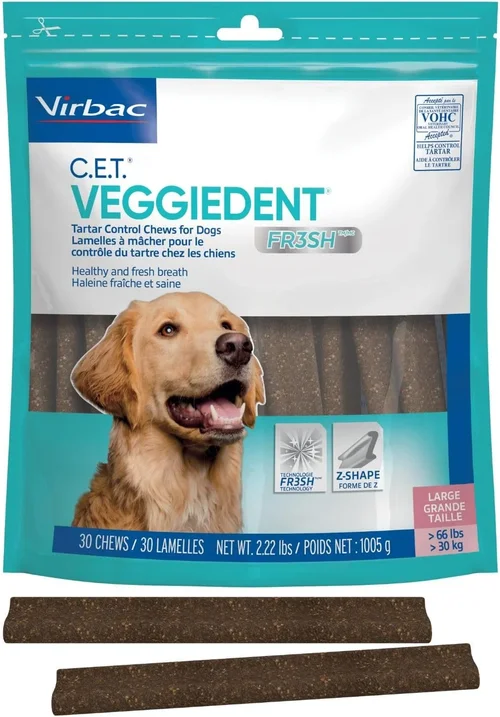
Expert Tips for Getting the Best Deal
- Time your purchase: Look for seasonal sales around Black Friday, National Pet Day, or end-of-year clearance events. Some companies also offer discounts during “Adopt a Shelter Dog” month in August.
- Compare subscription models: Monthly subscriptions often cost more per meal than 3- or 6-month plans. If you’re confident in the brand, commit to a longer term for savings.
- Ask about sample packs: Before committing to a full plan, request a small trial pack. This lets you test palatability and monitor for adverse reactions without a large upfront cost.
- Leverage vet partnerships: Some custom food brands partner with veterinary clinics to offer discounted rates. Ask your vet if they have preferred providers.
- Check return policies: Reputable companies stand behind their products. Look for at least a 30-day money-back guarantee if your dog doesn’t improve.
- Use FSA/HSA funds: In some cases, custom dog food prescribed by a vet for a diagnosed medical condition may be eligible for reimbursement through flexible spending accounts.
- Join loyalty programs: Many services offer points, referral bonuses, or free meals after a certain number of orders. These can add up over time.
- Monitor ingredient price trends: The cost of novel proteins like kangaroo or duck can fluctuate. If prices rise, consider rotating to a more stable alternative like salmon or lamb.

Frequently Asked Questions
Q: How long does it take to see results from a custom allergy diet?
A: Most dogs show improvement within 4–6 weeks, but full resolution can take 8–12 weeks. Skin conditions like itching and hot spots may improve faster than digestive issues. Consistency is key—avoid giving treats or table scraps during this period.
Q: Can I make homemade allergy food instead of using a custom plan?
A: While homemade diets are possible, they require precise balancing of nutrients to avoid deficiencies. Without veterinary guidance, you risk creating imbalances in calcium, vitamin D, or essential fatty acids. Custom plans are formulated to meet AAFCO standards, making them a safer choice.
Q: What if my dog doesn’t like the new food?
A: Palatability can be an issue, especially with novel proteins. Try warming the food slightly or mixing in a small amount of bone broth (ensure it’s free of allergens). Most companies allow recipe adjustments or offer different protein options.
Q: Are custom allergy diets safe for puppies?
A: Yes, but they must be formulated for growth. Puppies have higher energy and nutrient needs. Choose a plan that specifies “for all life stages” or “growth” and consult your vet before starting.
Q: Can environmental allergies be helped by diet?
A: While diet won’t cure environmental allergies, it can reduce overall inflammation and strengthen the skin barrier. Omega-3 fatty acids, antioxidants, and probiotics in custom diets may help minimize reactions.
Q: Do I need a vet’s prescription for custom allergy food?
A: Not always. Many direct-to-consumer plans don’t require prescriptions, but a vet’s diagnosis is strongly recommended. Some insurance plans may cover custom food if prescribed for a medical condition.
Q: How do I know if my dog’s symptoms are from food or something else?
A: Food allergies typically cause gastrointestinal issues (vomiting, diarrhea) and/or skin problems (itching, ear infections). If symptoms persist year-round and aren’t tied to seasonal changes, food is more likely. A vet can help rule out parasites, infections, or hormonal imbalances.
Q: Can I rotate proteins in a custom plan?
A: Yes, and it’s often recommended to prevent new sensitivities. Many services allow you to switch proteins every few months while keeping other ingredients consistent.
Q: What if the custom food doesn’t work?
A: If symptoms persist after 12 weeks, the allergen may not be food-related, or the diet may not be strict enough. Re-evaluate with your vet and consider advanced testing like serum or intradermal allergy tests.
Q: Are there any side effects to switching to a custom diet?
A: Some dogs experience temporary digestive upset during the transition. To minimize this, gradually mix the new food with the old over 7–10 days. If symptoms worsen, contact the provider or your vet immediately.
Our Final Recommendations
- Best for Budget-Conscious Buyers: The Honest Kitchen’s Dehydrated Limited Ingredient Line – Offers human-grade, vet-approved recipes with novel proteins at under $3/day. Great for mild sensitivities and easy to store.
- Best Overall Value: Nom Nom’s Fresh Custom Diets – Combines fresh-frozen meals, veterinary nutritionist oversight, and flexible customization. Priced at $3.50–$4.50/day, it’s a top choice for most dogs with food allergies.
- Best Premium Option: JustFoodForDogs’ Hydrolyzed Protein Plan – Clinically proven, made in FDA-registered kitchens, and backed by in-house vets. Ideal for severe, IgE-mediated allergies. Priced at $5–$6/day.
- Best for Beginners: Ollie’s Custom Fresh Food – User-friendly website, clear ingredient lists, and excellent customer support. Offers a “Sensitive Stomach” recipe perfect for first-time users.
- Best for Advanced Users: PetDNA + Custom Nutrition by Embark – Uses genetic testing to predict allergen risks and crafts a fully personalized diet. Best for proactive owners wanting long-term allergy prevention.
Conclusion: Making the Right Choice
Choosing the right custom dog food plan for allergies isn’t just about picking a brand—it’s about investing in your dog’s long-term health and happiness. The journey may require patience, research, and collaboration with your veterinarian, but the payoff is a more comfortable, energetic, and symptom-free companion. Remember, not all allergies are food-related, and not all custom diets are created equal. Prioritize veterinary involvement, ingredient transparency, and scientific rigor over flashy marketing.
Start by identifying your dog’s specific needs: Is it a severe allergy requiring hydrolyzed protein, or a mild sensitivity that could benefit from a novel protein rotation? Consider your budget, lifestyle, and willingness to commit to an elimination diet. Use the tools in this guide—comparison tables, expert tips, and real-world recommendations—to narrow down your options.
Ultimately, the best custom food plan is one that works for both you and your dog. It should fit seamlessly into your routine, deliver measurable health improvements, and give you peace of mind. Don’t rush the process. Take advantage of trials, consult professionals, and trust your instincts. With the right plan, your dog can finally find relief—and you can finally stop worrying. Your pup deserves nothing less.