
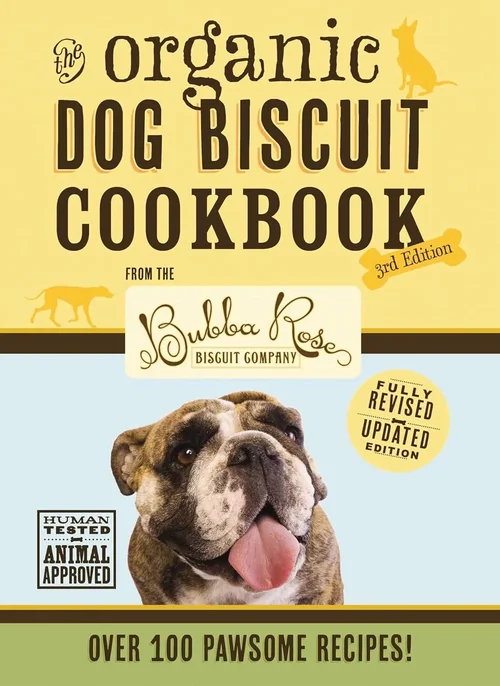
Homemade dog food has surged in popularity over the past decade, driven by pet owners’ growing desire to take full control over what their furry companions eat. With increasing concerns about commercial pet food recalls, hidden fillers, and misleading labeling, more and more dog parents are turning to preparing meals at home. Among the most nutritious and palatable ingredients you can include in a balanced canine diet is beef. Rich in high-quality protein, essential amino acids, B vitamins, zinc, and iron, beef offers a powerhouse of nutrition that supports muscle development, immune function, and overall vitality in dogs.
But not all beef is created equal—especially when it comes to feeding your dog. Choosing the right cut isn’t just about flavor or cost; it’s about safety, digestibility, nutrient density, and long-term health. A poorly chosen cut could lead to digestive upset, nutritional imbalances, or even exposure to harmful bacteria if not handled properly. This comprehensive guide is designed to demystify the world of beef cuts for homemade dog food, helping you make informed decisions that prioritize your dog’s well-being. Whether you’re a seasoned home cook for pets or just starting out, this guide will equip you with everything you need to select, prepare, and serve the best beef for your canine companion.
From understanding fat content and connective tissue to navigating budget constraints and sourcing high-quality meat, we’ll cover every critical factor. You’ll learn how different cuts impact digestion, which types are ideal for puppies versus senior dogs, and how to avoid common pitfalls that could compromise your dog’s health. We’ll also break down price ranges, compare popular cuts side-by-side, and share expert tips to help you get the most value—and nutrition—out of every pound of beef. By the end of this guide, you’ll be confident in your ability to create delicious, balanced, and safe homemade meals using the best beef cuts available in 2026.

What to Look for When Buying Beef for Homemade Dog Food
1. Fat Content and Lean-to-Fat Ratio
Fat plays a dual role in your dog’s diet: it’s a concentrated source of energy and essential fatty acids, but too much can lead to pancreatitis, obesity, or digestive upset—especially in sensitive breeds. When selecting beef for homemade dog food, aim for a lean-to-fat ratio between 80:20 and 90:10. Ground beef labeled “85% lean” or “90% lean” is typically ideal. Cuts like sirloin, round, or flank steak naturally have lower fat content, while ground chuck or brisket may contain more fat and should be used sparingly or trimmed carefully.
For puppies, active dogs, or those with high energy needs, slightly higher fat content (up to 20%) can be beneficial. However, senior dogs, overweight pets, or those with a history of pancreatitis should stick to leaner cuts. Always trim visible fat before cooking, and consider draining excess grease after browning ground beef. Remember, fat isn’t inherently bad—it’s about balance and individual needs.
2. Muscle Meat vs. Organ Meat vs. Connective Tissue
Not all parts of the cow are nutritionally equivalent. Muscle meat (like steak or ground beef) provides high-quality protein and essential amino acids but lacks certain nutrients found in organ meats. For a complete diet, many veterinarians and pet nutritionists recommend following the “80/10/10” rule: 80% muscle meat, 10% raw edible bone (if feeding raw), and 10% organ meat (half of which should be liver). While this guide focuses on beef cuts, it’s important to understand that muscle meat alone won’t suffice for long-term health.
Connective tissue—found in cuts like shank, oxtail, or short ribs—is rich in collagen and gelatin, which support joint health and digestion. However, these cuts are tough and require slow cooking (e.g., braising or pressure cooking) to break down. They’re excellent for adding variety and nutrients but shouldn’t dominate the diet. Avoid feeding large chunks of gristle or sinew, as they can pose choking hazards or cause intestinal blockages.
3. Source and Quality of the Beef
Where your beef comes from matters—not just for ethical reasons, but for your dog’s health. Grass-fed, pasture-raised beef tends to have a better fatty acid profile (higher in omega-3s and conjugated linoleic acid) and lower levels of antibiotics and hormones compared to conventionally raised beef. Look for labels like “USDA Organic,” “Animal Welfare Approved,” or “Grass-Fed Certified” when possible.
Always buy from reputable sources: local butcher shops, trusted farms, or well-reviewed online retailers specializing in human-grade meat. Avoid “pet-grade” or “feed-grade” meat, which may come from downed animals or contain parts not fit for human consumption. Human-grade beef ensures higher safety standards and better traceability. If budget is a concern, consider buying in bulk directly from a farmer or joining a meat co-op.
4. Freshness and Handling Practices
Freshness directly impacts both safety and nutrient retention. Beef should have a bright red color (not brown or gray), a mild smell (not sour or ammonia-like), and firm texture. If using frozen beef, ensure it was flash-frozen quickly after slaughter to preserve quality. Thaw frozen meat in the refrigerator—never at room temperature—to prevent bacterial growth.
Cross-contamination is a real risk when handling raw meat. Use separate cutting boards, utensils, and bowls for pet food prep, and wash everything thoroughly with hot, soapy water. Store raw beef in airtight containers on the bottom shelf of the fridge to prevent drips onto other foods. Cooked beef can be refrigerated for up to 4 days or frozen for up to 3 months.
5. Bone-In vs. Boneless Cuts
While this guide emphasizes muscle meat, it’s worth addressing bones. Cooked bones—whether from beef or any animal—are a major choking hazard and can splinter, causing internal injuries or blockages. Never feed cooked bones to dogs. Raw bones, when fed under supervision and appropriate to your dog’s size and chewing style, can provide dental benefits and mental stimulation, but they come with risks (e.g., tooth fractures, gastrointestinal obstruction).
For homemade cooked meals, stick to boneless cuts. If you’re preparing raw meals (BARF diet), consult a veterinary nutritionist to ensure proper bone-to-meat ratios and safety protocols. In most cases, especially for beginners, boneless beef is the safest and most practical choice.
6. Cooking Method Compatibility
Different beef cuts respond better to specific cooking methods. Tender cuts like sirloin or tenderloin can be lightly seared or boiled, while tougher cuts like chuck or brisket benefit from slow, moist heat (e.g., stewing, pressure cooking, or slow cooking). Overcooking lean cuts can make them dry and unappetizing, while undercooking tough cuts leaves them indigestible.
For homemade dog food, simplicity is key. Avoid adding onions, garlic, salt, pepper, or oils—these can be toxic or unnecessary. Boiling, steaming, or baking without seasoning preserves nutrients and ensures safety. If using a slow cooker, add water or low-sodium broth to prevent drying out.
7. Allergies and Sensitivities
While beef is a common protein source, some dogs develop food sensitivities or allergies to it over time. Symptoms include chronic ear infections, itchy skin, gastrointestinal upset, or excessive gas. If you suspect a beef allergy, work with your vet to conduct an elimination diet. Rotate protein sources (e.g., lamb, turkey, duck) every few months to reduce the risk of developing intolerances.
When introducing beef for the first time, start with a small amount and monitor your dog for 24–48 hours. Even high-quality beef can cause temporary digestive changes if your dog isn’t used to it. Gradually increase the portion size over a week.
8. Cost vs. Nutritional Value
Beef varies widely in price depending on the cut, grade, and source. While premium grass-fed tenderloin may offer excellent nutrition, it’s not cost-effective for daily feeding. Instead, focus on nutrient-dense, affordable cuts like ground round, chuck roast (trimmed), or stew meat. These provide high protein and essential nutrients without breaking the bank.
Consider the cost per pound relative to yield after cooking. Tough cuts shrink less during slow cooking, offering better value. Buying in bulk, choosing less popular cuts, or purchasing “ugly” or irregular cuts from local butchers can also reduce costs without sacrificing quality.
Different Types of Beef Cuts for Dog Food

Common Buying Mistakes to Avoid
❌ Mistake: Choosing High-Fat Cuts for Every Meal
Why it’s bad: Regularly feeding fatty cuts like ribeye, brisket, or untrimmed chuck can lead to weight gain, pancreatitis, or chronic digestive issues—especially in smaller or less active dogs. Fat should complement the diet, not dominate it.
What to do instead: Rotate between lean and moderately fatty cuts based on your dog’s age, activity level, and health status. Use high-fat cuts occasionally or mix them with leaner meats to balance the ratio.
❌ Mistake: Feeding Raw Beef Without Proper Handling
Why it’s bad: Raw meat can harbor pathogens like Salmonella, E. coli, or Listeria, which pose risks to both dogs and humans. Improper storage or cross-contamination can lead to illness.
What to do instead: If feeding raw, source human-grade meat, freeze it for at least 72 hours before use (to reduce parasite risk), and follow strict hygiene practices. Alternatively, cook all meat thoroughly to eliminate pathogens while preserving nutrients.
❌ Mistake: Ignoring Organ Meat Balance
Why it’s bad: Relying solely on muscle meat leads to deficiencies in essential nutrients like copper, vitamin A, and taurine. Dogs need organ meats for a complete diet.
What to do instead: Incorporate liver (5% of total diet) and other secreting organs (5%) regularly. Beef liver, kidney, or heart are excellent choices and often more affordable than muscle cuts.
❌ Mistake: Overlooking Bone Safety
Why it’s bad: Cooked bones can splinter and cause choking, punctures, or blockages. Even raw bones carry risks if not size-appropriate or supervised.
What to do instead: Avoid bones in cooked meals entirely. If using raw bones, choose large, meaty bones (like knuckle or femur) and always supervise your dog. Remove the bone once the meat is gone.
❌ Mistake: Buying “Pet-Specific” Beef at Premium Prices
Why it’s bad: Many pet food brands sell “dog-safe” beef at inflated prices, even though human-grade meat from grocery stores or butchers is often identical in quality—and cheaper.
What to do instead: Purchase human-grade beef from trusted sources. Look for sales, buy in bulk, or join a local meat-sharing group to reduce costs without compromising quality.
❌ Mistake: Not Adjusting Portions for Size and Activity
Why it’s bad: Feeding the same amount of beef to a Chihuahua and a Great Dane can lead to underfeeding or overfeeding, both of which impact health and metabolism.
What to do instead: Calculate your dog’s daily caloric needs based on weight, age, and activity level. Use beef as part of a balanced recipe, not the sole ingredient. Consult a vet or canine nutritionist for personalized guidance.
❌ Mistake: Skipping Nutritional Supplementation
Why it’s bad: Homemade diets lacking calcium, omega-3s, or other key nutrients can lead to deficiencies over time—even if the protein source is high-quality.
What to do instead: Use a balanced recipe formulated by a veterinary nutritionist or add supplements like fish oil, calcium carbonate, or a canine multivitamin as needed. Never guess nutrient ratios.
Budget Guidelines: How Much Should You Spend?
Feeding your dog homemade beef doesn’t have to be expensive—but it does require smart planning. Here’s a realistic breakdown of what to expect across different budget tiers:
Entry-Level ($4–$7 per pound): This range includes ground beef (85% lean), beef heart, and less popular cuts like shank or neck meat. These are nutrient-dense, affordable, and ideal for daily feeding. Look for store brands, frozen options, or bulk purchases. While not grass-fed or organic, they’re still safe and nutritious when sourced from reputable grocers.
Mid-Range ($7–$10 per pound): The sweet spot for most dog owners. This tier includes trimmed chuck roast, sirloin tips, and stew meat—often from better-quality sources like local butchers or regional farms. Many of these cuts are grass-finished or hormone-free. You’ll get excellent value, tenderness, and nutritional benefits without premium pricing.
Premium ($10–$15 per pound): For enthusiasts and health-conscious pet parents. This includes grass-fed, organic, or humanely raised beef like top sirloin, tenderloin steaks, or ribeye (trimmed). These cuts offer superior fatty acid profiles and ethical sourcing but are best used occasionally or in rotation with cheaper options to manage costs.
Luxury ($15+ per pound): Reserved for specialty items like dry-aged beef, wagyu scraps, or custom-butchered portions. While delicious and nutrient-rich, these are impractical for regular feeding. Save them for occasional treats or special occasions—not daily meals.

Expert Tips for Getting the Best Deal
- Buy in bulk during seasonal sales: Many butchers and farms offer discounts in fall and winter. Purchase a side of beef or large quantities of ground meat and freeze in portion-sized bags.
- Shop at local butcher shops: They often have “trim,” “ends,” or irregular cuts at lower prices—perfect for dog food. Build a relationship with your butcher for insider deals.
- Join a meat co-op or CSA: Community-supported agriculture programs often include beef shares at wholesale prices. Split a share with friends or neighbors to reduce cost and waste.
- Compare online retailers: Websites like Crowd Cow, ButcherBox, or FarmFoods offer high-quality beef with subscription discounts. Watch for first-time buyer promotions.
- Use frozen over fresh when possible: Flash-frozen beef retains nutrients and is often cheaper. It also reduces spoilage risk if you don’t use it immediately.
- Ask about “pasture-raised” vs. “grass-fed”: True grass-fed beef (100% grass diet) is ideal, but “pasture-raised” may include grain finishing. Clarify with the seller to ensure you’re getting what you pay for.
- Check return and refund policies: If buying online, ensure the company offers replacements for spoiled or damaged meat. Reputable sellers stand behind their products.
- Rotate cuts to prevent boredom and allergies: Even within beef, vary the cuts (e.g., heart one week, sirloin the next) to provide diverse nutrients and reduce sensitivity risks.

Frequently Asked Questions
Q: Can I feed my dog raw beef?
A: Yes, but with caution. Raw beef can be part of a balanced raw diet (like BARF), but it must be handled safely to avoid bacterial contamination. Freeze the meat for at least 72 hours before feeding, use human-grade sources, and maintain strict hygiene. Consult a vet or canine nutritionist before starting a raw diet.
Q: How much beef should I feed my dog per day?
A: It depends on your dog’s size, age, and activity level. As a general rule, protein should make up about 18–25% of an adult dog’s diet. For a 50-pound dog, that’s roughly 1–1.5 pounds of cooked beef per week, combined with vegetables, grains, and supplements. Always calculate total caloric needs first.
Q: Is ground beef safe for puppies?
A: Yes, as long as it’s lean (85–90%) and part of a balanced diet. Puppies need more protein and fat than adult dogs, but avoid overly fatty cuts. Cook thoroughly and mix with puppy-specific supplements or a complete homemade recipe.
Q: Can I use beef broth in dog food?
A: Only if it’s homemade or labeled “no onion, no garlic, no salt.” Store-bought broths often contain toxic ingredients. Make your own by simmering beef bones (uncooked) with water and a splash of apple cider vinegar for 12–24 hours. Strain and cool before use.
Q: What’s the difference between grain-fed and grass-fed beef for dogs?
A: Grass-fed beef typically has higher levels of omega-3 fatty acids, vitamin E, and antioxidants. It’s also less likely to contain antibiotics or hormones. While not essential, it’s a healthier choice if affordable.
Q: How do I store cooked beef for dog food?
A: Cool cooked beef quickly, portion into airtight containers, and refrigerate for up to 4 days or freeze for up to 3 months. Label with dates and thaw in the fridge before serving.
Q: Can dogs eat beef fat trimmings?
A: Small amounts are fine occasionally, but regular feeding can lead to pancreatitis. Trim visible fat before cooking and discard excess grease. Use fat sparingly as a topper, not a main ingredient.
Q: Is beef liver safe for dogs?
A: Yes, but in moderation. Liver is extremely rich in vitamin A—too much can cause toxicity. Limit to 5% of the total diet (about 1 oz per 10 lbs of body weight per week).
Q: What if my dog doesn’t like beef?
A: Some dogs are picky or develop sensitivities. Try different preparations (ground vs. chopped, cooked vs. raw) or rotate with other proteins like turkey, lamb, or fish. Always introduce new foods gradually.
Q: Do I need to add supplements to beef-based dog food?
A: Absolutely. Beef alone lacks calcium, fiber, and certain vitamins. Use a vet-approved recipe or add supplements like calcium carbonate (for bone health), fish oil (for omega-3s), and a canine multivitamin.
Our Final Recommendations
Best for Budget-Conscious Buyers: Ground Beef (85% lean) – Affordable, versatile, and easy to digest. Look for store brands or bulk packs. Pair with rice, carrots, and a calcium supplement for a complete meal.
Best Overall Value: Trimmed Chuck Roast – Offers rich flavor, good protein content, and becomes tender when slow-cooked. Ideal for stews or shredded meals. Slightly higher fat than sirloin but more economical.
Best Premium Option: Grass-Fed Sirloin Steak – Lean, nutrient-dense, and ethically sourced. Perfect for active dogs or those needing a low-fat diet. Best used in rotation with cheaper cuts.
Best for Beginners: Beef Heart – Often overlooked but packed with taurine, CoQ10, and B vitamins. Mild flavor, easy to cook, and very affordable. Great way to introduce organ meat without the strong taste of liver.
Best for Advanced Users: Beef Shank or Oxtail – Requires slow cooking but yields collagen-rich broth and tender meat. Excellent for joint support and gut health. Best for those comfortable with multi-hour cooking methods.
Conclusion: Making the Right Choice
Choosing the best beef cuts for homemade dog food is about more than just picking a package off the shelf—it’s about understanding your dog’s unique nutritional needs, your budget, and the quality of the ingredients you’re using. By focusing on lean-to-fat ratios, sourcing human-grade meat, and balancing muscle meat with organ meats and supplements, you can create meals that are not only delicious but truly beneficial for your pet’s long-term health.
Remember, there’s no one-size-fits-all answer. What works for a high-energy Border Collie may not suit a senior Bulldog with a sensitive stomach. Stay flexible, observe your dog’s response to different cuts, and don’t hesitate to consult a veterinary nutritionist if you’re unsure. With the knowledge from this guide, you’re now equipped to make confident, informed decisions that put your dog’s well-being first.
Start small, experiment wisely, and enjoy the peace of mind that comes from knowing exactly what’s in your dog’s bowl. Your furry friend deserves nothing less.