
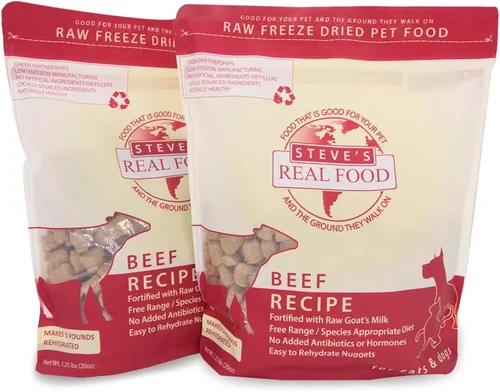
A raw food diet for dogs—often referred to as the BARF (Biologically Appropriate Raw Food) or prey model diet—has surged in popularity among pet owners seeking a more natural, species-appropriate approach to canine nutrition. Unlike commercial kibble or canned foods that undergo extensive processing, raw diets aim to mimic what dogs would eat in the wild: fresh meat, bones, organs, and sometimes vegetables or supplements. As veterinary science continues to explore the long-term impacts of processed pet foods, many dog owners are turning to raw feeding as a way to support better digestion, healthier coats, improved dental health, and increased energy levels in their pets.
But here’s the catch: not all raw meat is created equal. Choosing the right cuts isn’t just about tossing your dog a steak or some chicken wings. It requires thoughtful consideration of nutritional balance, safety, sourcing, and your dog’s individual needs. With so many options flooding the market—from human-grade beef to sustainably sourced rabbit—it’s easy to feel overwhelmed. That’s where this comprehensive guide comes in. Whether you’re new to raw feeding or looking to refine your current approach, this article will walk you through everything you need to know to make informed, confident decisions about the best cuts of meat for your dog’s raw diet.
From understanding macronutrient ratios to identifying high-quality suppliers, we’ll cover the essential factors that influence your choices. You’ll learn how to evaluate price versus value, avoid common pitfalls, and select meats that align with your dog’s age, size, activity level, and health status. We’ll also break down different types of raw meat categories, compare budget tiers, and share expert-backed tips to help you get the most out of your investment. By the end of this guide, you won’t just know what to buy—you’ll understand why it matters, ensuring your dog thrives on a raw food lifestyle.

What to Look for When Buying Buying Guide
1. Nutritional Balance & Species Appropriateness
At the core of any successful raw diet is nutritional balance. Dogs are omnivorous carnivores, meaning they thrive on a mix of muscle meat, organ meat, raw edible bones, and small amounts of plant matter. A biologically appropriate raw diet typically follows an 80/10/10 ratio: 80% muscle meat, 10% raw edible bone, and 10% organ meat (with half of that being liver). This mimics the composition of a wild prey animal and ensures your dog gets essential amino acids, fatty acids, vitamins, and minerals without relying on synthetic supplements.
When selecting cuts, prioritize variety. Feeding only chicken breast, for example, may lead to deficiencies in taurine, calcium, or vitamin E over time. Instead, rotate between red meats (beef, lamb, venison), poultry (chicken, turkey, duck), and novel proteins like rabbit or goat. Each offers unique nutrient profiles—beef is rich in iron and B12, while duck provides omega-3s and selenium. Always include organ meats like liver (chicken, beef, or lamb) and secreting organs such as kidney or spleen, which are packed with bioavailable nutrients.
2. Meat Quality & Sourcing Standards
Not all raw meat is safe or nutritious for dogs. The quality of the meat directly impacts your dog’s health, so sourcing matters immensely. Look for human-grade, USDA-inspected meats whenever possible. These products undergo rigorous safety checks and are held to higher hygiene standards than feed-grade or “pet food only” labels. Ideally, choose meats from animals raised without antibiotics, hormones, or confinement practices. Grass-fed beef, pasture-raised poultry, and wild-caught fish offer superior fatty acid profiles and fewer contaminants.
Transparency is key. Reputable suppliers will disclose their sourcing practices, including farm locations, animal welfare certifications (like Certified Humane or Animal Welfare Approved), and testing protocols for pathogens like Salmonella and E. coli. Avoid meat from unknown origins or bulk suppliers that can’t provide traceability. If buying online, check for third-party audits or customer reviews that mention freshness and packaging integrity.
3. Safety & Handling Protocols
Raw feeding carries inherent risks if not handled properly. Bacteria such as Salmonella, Listeria, and Campylobacter can be present in raw meat and pose threats to both dogs and humans. While healthy dogs often tolerate these microbes due to their shorter digestive tracts and higher stomach acidity, immunocompromised pets or households with young children, elderly individuals, or pregnant women require extra caution.
Always thaw frozen raw meat in the refrigerator—never at room temperature. Use separate cutting boards, utensils, and bowls for raw feeding, and wash hands thoroughly after handling. Consider using stainless steel or ceramic bowls, which are easier to sanitize than plastic. Some owners opt for flash-pasteurized or high-pressure processed (HPP) raw foods, which reduce pathogen loads while preserving nutrients. However, these methods may alter texture and aren’t necessary for all households.
4. Bone Content & Type
Raw edible bones are a cornerstone of the raw diet, providing calcium, phosphorus, and dental benefits. However, not all bones are safe. Never feed cooked bones—they become brittle and can splinter, causing choking, intestinal blockages, or perforations. Stick to raw, meaty bones like chicken necks, wings, turkey necks, or duck frames. For larger dogs, lamb or beef ribs (with meat attached) can work, but avoid weight-bearing bones like femur or knuckle bones, which are too hard and may crack teeth.
The ideal bone should be soft enough to bend slightly and yield under pressure. Puppies and small breeds do well with softer options like quail or pigeon bones. Always supervise your dog during bone consumption and remove any small fragments. If your dog isn’t interested in chewing bones, consider ground bone supplements or calcium carbonate to meet mineral needs.
5. Freshness & Packaging
Freshness directly affects palatability and nutrient retention. Look for meat that is bright in color, firm to the touch, and free of off odors. Vacuum-sealed packaging helps preserve quality by minimizing oxidation and bacterial growth. Avoid packages with excessive liquid (a sign of thawing and refreezing) or grayish discoloration, which indicates spoilage.
When buying in bulk, ensure the supplier uses blast-freezing techniques to lock in freshness. Flash-freezing preserves cellular structure better than slow freezing, reducing ice crystal formation that can degrade texture. Check expiration dates and rotate stock using a “first in, first out” system. For online orders, verify that shipments include sufficient dry ice or gel packs and arrive within 24–48 hours of dispatch.
6. Dog-Specific Needs & Life Stage
Your dog’s age, size, breed, and health status should heavily influence your meat selections. Puppies require higher protein and fat levels for growth, along with ample calcium from bones. Senior dogs may benefit from leaner cuts like turkey or rabbit to manage weight, while active working breeds need calorie-dense options like beef or lamb. Dogs with kidney disease should avoid high-phosphorus meats like organ meats or bone-heavy meals, whereas those with pancreatitis need low-fat proteins such as chicken breast or whitefish.
Allergies or sensitivities also play a role. If your dog reacts to chicken, try novel proteins like kangaroo, venison, or duck. Always introduce new meats gradually to monitor for adverse reactions. Consult your veterinarian or a certified canine nutritionist before making significant dietary changes, especially for dogs with chronic conditions.
7. Cost Efficiency & Value
Raw feeding can be expensive, but smart shopping maximizes value. Compare price per pound across suppliers and consider buying in bulk during sales. Organ meats and less popular cuts (like hearts or gizzards) are often cheaper than premium steaks yet equally nutritious. Ground mixes can offer convenience and variety at a lower cost than whole cuts.
Don’t equate high price with high quality. Some boutique brands charge premiums for marketing rather than superior ingredients. Focus on nutrient density and sourcing instead. DIY raw diets using whole animals (e.g., whole chickens or rabbits) can reduce costs significantly while ensuring balanced nutrition. Just ensure proper preparation and storage to maintain safety.
8. Supplier Reputation & Customer Support
Not all raw food companies are trustworthy. Research brands thoroughly—check for recalls, customer complaints, and transparency about sourcing and testing. Read independent reviews on forums like Reddit’s r/rawdogfood or Facebook groups dedicated to raw feeding. Look for companies that offer detailed feeding guides, nutritional analyses, and responsive customer service.
Reliable suppliers will provide batch numbers, lab test results, and clear storage instructions. They should also stand behind their products with satisfaction guarantees or return policies. Avoid fly-by-night operations or sellers on unverified marketplaces who can’t verify product origins.
Different Types of Buying Guide

Common Buying Mistakes to Avoid
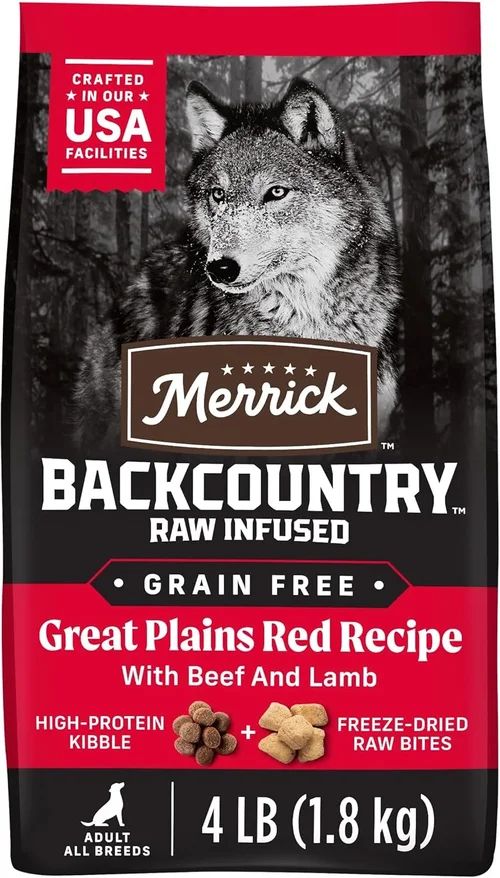
❌ Mistake: Feeding Only Muscle Meat
Why it’s bad: Relying solely on muscle meat creates severe nutritional imbalances. Dogs need calcium from bones and vital nutrients from organs to thrive. A meat-only diet can lead to soft stools, lethargy, and long-term deficiencies in vitamins A, D, E, and K, as well as minerals like zinc and copper.
What to do instead: Follow the 80/10/10 guideline religiously. Include raw edible bones and organ meats in every meal rotation. Use feeding calculators or consult a canine nutritionist to ensure completeness.
❌ Mistake: Ignoring Food Safety Practices
Why it’s bad: Cross-contamination from raw meat can sicken both pets and people. Improper storage or handling increases the risk of bacterial infections, which may require veterinary intervention or pose public health concerns.
What to do instead: Treat raw meat like you would when preparing food for human consumption. Use dedicated tools, sanitize surfaces, and store meat at or below 40°F. Consider using gloves and disinfecting bowls after each use.
❌ Mistake: Overfeeding Bones
Why it’s bad: Too many bones can cause constipation, anal gland issues, or even intestinal blockages—especially in small dogs. Excess calcium may also interfere with zinc and iron absorption.
What to do instead: Limit bone content to 10% of total intake. Monitor stool consistency—firm but not hard is ideal. Alternate bone-heavy meals with boneless ones using ground bone supplements if needed.
❌ Mistake: Choosing Low-Quality or Unknown Sources
Why it’s bad: Feed-grade or untested meat may contain pathogens, antibiotics, or contaminants. Long-term exposure can compromise your dog’s immune system and overall health.
What to do instead: Stick to human-grade, traceable sources. Ask suppliers for lab reports and farm certifications. When in doubt, choose reputable brands with transparent practices.
❌ Mistake: Not Rotating Proteins
Why it’s bad: Feeding the same protein repeatedly increases the risk of developing food sensitivities or allergies. It also limits nutrient diversity, potentially leading to gaps in essential fatty acids or amino acids.
What to do instead: Rotate between at least 3–5 different protein sources monthly. Introduce novel meats gradually and keep a food journal to track reactions.
❌ Mistake: Skipping Veterinary Consultation
Why it’s bad: Raw diets aren’t suitable for every dog. Conditions like kidney disease, pancreatitis, or immune disorders require tailored nutrition that a generic raw plan may worsen.
What to do instead: Always discuss dietary changes with your vet—especially for puppies, seniors, or dogs with health issues. Consider working with a veterinary nutritionist for personalized plans.
Budget Guidelines: How Much Should You Spend?
- Entry-Level ($1.50–$3.00 per pound): This tier includes basic cuts like chicken frames, turkey necks, beef heart, and frozen organ meats from conventional farms. While affordable, these may come from confined animal feeding operations (CAFOs) and lack premium sourcing. Best for budget-conscious owners willing to prioritize nutrition over ethics or traceability.
- Mid-Range ($3.00–$6.00 per pound): The sweet spot for most raw feeders. Includes human-grade, antibiotic-free meats from pasture-raised or grass-fed animals. Brands like Primal, Steve’s Real Food, and Northwest Naturals fall here. Offers good balance of quality, safety, and variety without luxury pricing.
- Premium ($6.00–$10.00 per pound): For enthusiasts and professionals seeking top-tier ingredients. Features wild-caught fish, organic poultry, heritage-breed pork, or exotic proteins like kangaroo. Often sold by boutique farms or direct-to-consumer brands with full transparency and third-party testing.
- Luxury ($10.00+ per pound): Reserved for whole prey models (e.g., whole rabbits, quail) or artisanal blends with added superfoods like fermented greens, bone broth, or marine phytoplankton. Ideal for competitive show dogs or owners prioritizing absolute peak nutrition and ethical sourcing.

Expert Tips for Getting the Best Deal
- Buy in bulk during seasonal sales: Many raw food companies offer discounts in January (post-holiday) or September (back-to-school). Stock up on freezer-safe items like ground mixes or patties.
- Join co-ops or group buys: Pool orders with other raw feeders to qualify for wholesale pricing or free shipping thresholds.
- Shop directly from farms: Local ranchers often sell whole animals or custom cuts at lower prices than retail brands. Check farmers markets or online directories like LocalHarvest.org.
- Compare unit prices online: Use price-per-pound calculators on retailer sites. Sometimes larger packages offer better value despite higher upfront costs.
- Look for subscription discounts: Many brands offer 10–15% off for recurring deliveries. Just ensure you have adequate freezer space.
- Inspect return policies: Choose retailers with flexible returns in case of spoilage or dissatisfaction. Avoid sellers with “all sales final” policies on perishables.
- Test small batches first: Before committing to a large order, buy a sampler pack to assess your dog’s acceptance and digestive response.
- Freeze strategically: Portion meals into daily or weekly servings before freezing. This reduces waste and makes thawing more efficient.

Frequently Asked Questions
Q: Can I feed my dog raw meat from the grocery store?
A: Yes, but with caveats. Grocery store meat is typically human-grade and safe if handled properly. However, it’s often cut for human consumption (e.g., boneless, skinless) and may lack the bone and organ content needed for a balanced raw diet. Use it as part of a varied rotation, not as the sole source.
Q: How do I transition my dog to a raw diet?
A: Gradual transition is key. Start by replacing 25% of their current food with raw meat for 3–5 days, then increase to 50%, then 75%, before going fully raw. Monitor stool, energy, and appetite throughout. Some dogs adapt quickly; others need weeks.
Q: Is raw feeding safe for puppies?
A: Yes, but requires careful planning. Puppies need more calcium and phosphorus for bone development, so include appropriate raw bones (like chicken necks) and avoid high-fat meats that may upset their stomachs. Consult a vet or nutritionist for portion guidelines.
Q: What if my dog refuses to eat raw meat?
A: Try warming the meat slightly to enhance aroma, mixing in bone broth, or offering different textures (ground vs. chunked). Some dogs prefer certain proteins—experiment with duck, rabbit, or turkey. Never force-feed; patience and persistence usually win.
Q: Do I need to supplement a raw diet?
A: A properly balanced raw diet shouldn’t require supplements. However, dogs with specific needs (e.g., joint issues, skin conditions) may benefit from added omega-3s (fish oil), probiotics, or vitamin E. Always verify completeness with a nutritional analysis.
Q: How long can raw meat stay in the fridge?
A: Raw meat should be fed within 2–3 days of thawing. Never refreeze thawed meat unless it’s been cooked. Keep it sealed and on the bottom shelf to prevent cross-contamination.
Q: Can raw feeding cause aggression or prey drive?
A: No credible evidence links raw diets to increased aggression. Any behavioral changes are more likely due to improved nutrition (e.g., calmer temperament from balanced fats) or individual temperament. Always supervise interactions regardless of diet.
Q: What’s the difference between BARF and prey model diets?
A: BARF (Biologically Appropriate Raw Food) often includes vegetables, fruits, and supplements, while prey model aims to replicate a whole prey animal with minimal additives. Both can be healthy; choose based on your dog’s needs and your preference for simplicity vs. customization.
Q: Are there risks to feeding raw?
A: Potential risks include bacterial contamination, nutritional imbalances, and choking on bones. However, these are manageable with proper knowledge, hygiene, and planning. The benefits—healthier skin, cleaner teeth, better digestion—often outweigh risks for many dogs.
Our Final Recommendations
- Best for Budget-Conscious Buyers: Chicken frames and turkey necks from local farms or warehouse clubs. These provide excellent bone-to-meat ratios at low cost and are ideal for beginners.
- Best Overall Value: Primal Pet Foods Frozen Raw Nuggets (variety pack). Human-grade, pre-portioned, and nutritionally complete with clear sourcing and lab testing.
- Best Premium Option: Whole rabbits from trusted regenerative farms (e.g., White Oak Pastures). Offers complete nutrition in a single package and supports sustainable agriculture.
- Best for Beginners: Steve’s Real Food Frozen Patties. Simple, balanced, and widely available with detailed feeding guides and customer support.
- Best for Advanced Users: DIY raw using whole chickens, duck frames, and beef liver from ethical suppliers. Maximum control, cost savings, and customization for experienced feeders.
Conclusion: Making the Right Choice
Choosing the best cuts of meat for your dog’s raw food diet isn’t just about picking the shiniest package or the cheapest price tag—it’s about understanding your dog’s biology, respecting food safety, and committing to long-term nutritional excellence. This guide has equipped you with the knowledge to evaluate sourcing, balance macronutrients, avoid common errors, and make cost-effective decisions that align with your values and your dog’s needs.
Remember, every dog is unique. What works for a high-energy Border Collie may not suit a senior Bulldog with joint issues. Stay observant, keep records, and don’t hesitate to seek professional guidance when needed. Raw feeding is a journey, not a destination—one that rewards diligence with vibrant health, shiny coats, and wagging tails.
As you move forward, prioritize quality over convenience, education over trends, and your dog’s well-being above all else. Whether you’re starting with a single chicken neck or building a full prey model rotation, you’re taking a meaningful step toward a more natural, nourishing life for your canine companion. Now go feed with confidence—and watch your dog thrive.