
[FEATURED_IMAGE_PLACEOLDER]
Choosing the right daily food for your dog is one of the most impactful decisions you’ll make as a pet parent. What your dog eats directly affects their energy levels, coat health, digestion, immune system, and even their lifespan. With thousands of dog food brands flooding the market—each claiming to be “the best”—it’s easy to feel overwhelmed. Misinformation, marketing gimmicks, and confusing labels only add to the confusion. That’s why this comprehensive buying guide exists: to cut through the noise and give you the expert knowledge you need to make a confident, informed choice.
In this guide, you’ll learn how to evaluate dog food like a pro. We’ll break down the essential factors that truly matter—from ingredient quality and nutritional balance to life stage suitability and brand transparency. You’ll discover how to read labels, avoid common pitfalls, and understand what “grain-free,” “natural,” or “holistic” really mean. Whether you’re feeding a tiny Chihuahua puppy or a senior Great Dane, this guide will help you match your dog’s unique needs with the right food. By the end, you’ll not only know what to look for—you’ll know why it matters.
The dog food market has evolved dramatically over the past decade. Gone are the days when kibble was the only option. Today, pet owners can choose from dry, wet, raw, freeze-dried, fresh-cooked, and even subscription-based meal plans. Premium brands now emphasize human-grade ingredients, limited formulas, and functional nutrition (like joint support or skin health). Meanwhile, budget-friendly options have also improved, offering better protein sources and fewer fillers. With so many choices, the key isn’t finding the most expensive or trendiest food—it’s finding the one that’s right for your dog’s age, breed, size, activity level, and health status. This guide will help you navigate that decision with clarity and confidence.
What to Look for When Buying Dog Food
1. Ingredient Quality and Sourcing
The foundation of any great dog food is high-quality ingredients. Start by looking at the first five ingredients on the label—these make up the bulk of the food. Ideally, the first ingredient should be a named animal protein like “chicken,” “salmon,” or “lamb,” not a vague term like “meat meal” or “animal by-product.” Whole meats are preferable to meals or by-products, though high-quality meals (like “chicken meal”) can still be excellent sources of concentrated protein.
Avoid foods that list corn, wheat, soy, or artificial preservatives (like BHA, BHT, or ethoxyquin) near the top. These are often used as cheap fillers or shelf-life extenders and offer little nutritional value. Instead, look for whole grains like brown rice or oats, or grain-free alternatives like sweet potatoes and peas—especially if your dog has sensitivities.
Sourcing matters too. Brands that disclose where their ingredients come from (e.g., “humanely raised chicken from U.S. farms”) tend to be more transparent and accountable. Look for certifications like AAFCO (Association of American Feed Control Officials) compliance, which ensures the food meets minimum nutritional standards. However, AAFCO compliance alone doesn’t guarantee quality—it’s just a baseline.
2. Nutritional Balance and AAFCO Standards
A balanced diet is crucial for your dog’s long-term health. Dogs need a mix of protein, fat, carbohydrates, vitamins, and minerals in specific ratios. The AAFCO sets nutritional profiles for dog foods based on life stages: growth (puppies), maintenance (adults), and reproduction (pregnant/nursing dogs). Any complete and balanced dog food should state on the label that it meets AAFCO standards for your dog’s life stage.
Protein should be the cornerstone of your dog’s diet—especially for active or growing dogs. Adult dogs typically need 18–25% protein, while puppies require 22–32%. Fat supports skin, coat, and energy, with ideal levels ranging from 10–15% for adults and up to 20% for puppies. Carbohydrates provide energy but should come from digestible sources like rice, barley, or legumes—not corn syrup or refined flours.
Be wary of foods that are too high in protein without adequate fat or fiber, or those that rely heavily on plant-based proteins (like pea protein) as the primary source. While dogs can digest some plant matter, they’re primarily carnivores and thrive on animal-based nutrition.
3. Life Stage and Breed-Specific Needs
Not all dogs have the same nutritional requirements. Puppies need more calories, protein, and calcium to support rapid growth, while senior dogs benefit from lower-calorie, joint-supportive formulas with added glucosamine and chondroitin. Large breed puppies, in particular, require controlled calcium levels to prevent skeletal issues like hip dysplasia.
Small breeds often have faster metabolisms and may benefit from smaller kibble sizes and higher fat content. Conversely, giant breeds need foods that support joint health and prevent bloat (gastric dilatation-volvulus), a life-threatening condition. Some brands offer breed-specific formulas—like those for German Shepherds, Golden Retrievers, or Dachshunds—that address common health concerns.
If your dog has a medical condition (e.g., kidney disease, food allergies, or obesity), consult your veterinarian before choosing a food. Prescription diets are available for many conditions and should only be used under veterinary supervision.
4. Food Form: Dry, Wet, Raw, or Fresh?
The form of dog food you choose can impact palatability, dental health, and digestion. Dry kibble is the most popular due to its convenience, affordability, and dental benefits (the crunching action can help reduce plaque). However, it’s often lower in moisture and may contain more carbohydrates.
Wet food has higher water content (70–85%), which can help with hydration—especially for dogs who don’t drink enough water. It’s also more aromatic and appealing to picky eaters. The downside? It’s more expensive per serving and spoils quickly once opened.
Raw and fresh-cooked diets are growing in popularity due to their minimally processed nature. Raw diets (like BARF—Biologically Appropriate Raw Food) include raw meat, bones, organs, and vegetables. Fresh foods are gently cooked to preserve nutrients and are often delivered frozen or refrigerated. These options can be excellent for dogs with allergies or sensitive stomachs, but they require careful handling to avoid bacterial contamination and may be cost-prohibitive for some owners.
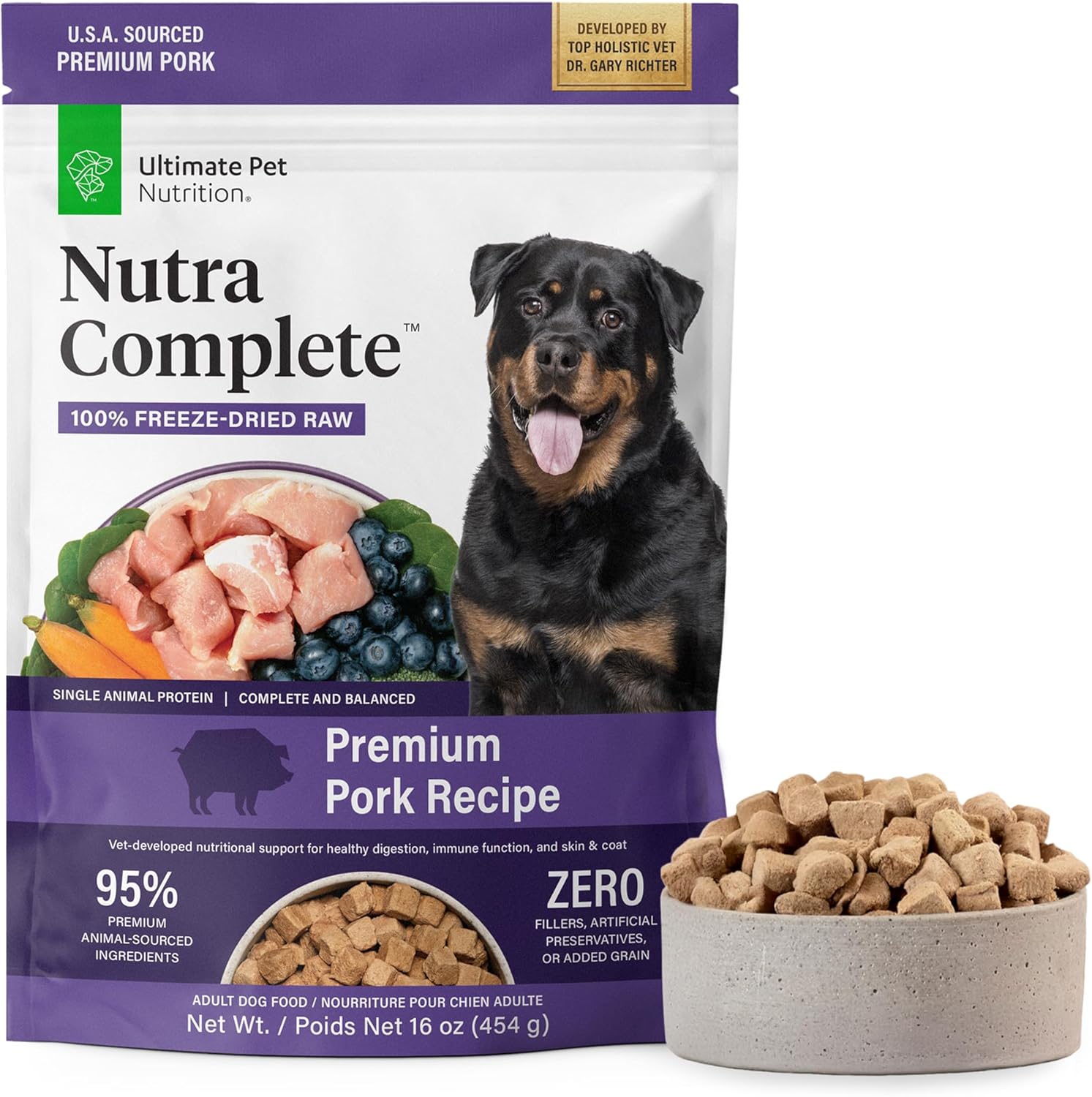
Freeze-dried and dehydrated foods offer a middle ground—convenient like kibble but nutrient-dense like raw. They’re rehydrated with water before serving and retain most of their natural enzymes and vitamins.
5. Allergies, Sensitivities, and Digestive Health
Food allergies and intolerances are more common than many pet owners realize. Common allergens include beef, chicken, dairy, wheat, eggs, and soy. Symptoms can range from itchy skin and ear infections to chronic diarrhea or vomiting. If you suspect an allergy, work with your vet to conduct an elimination diet—removing potential triggers for 8–12 weeks before reintroducing them one by one.
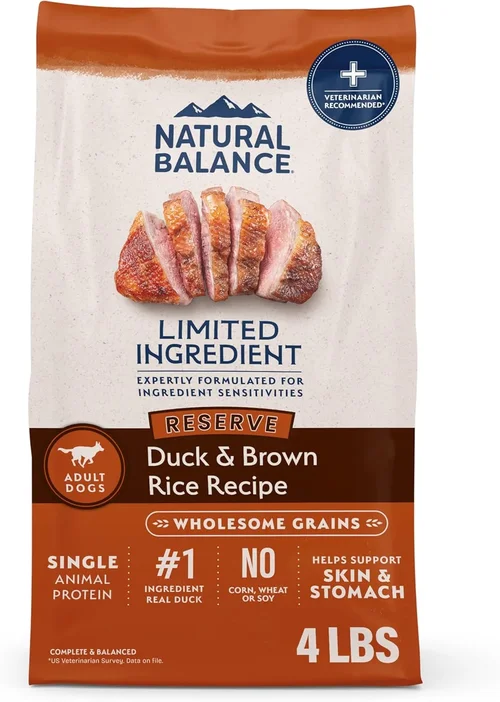
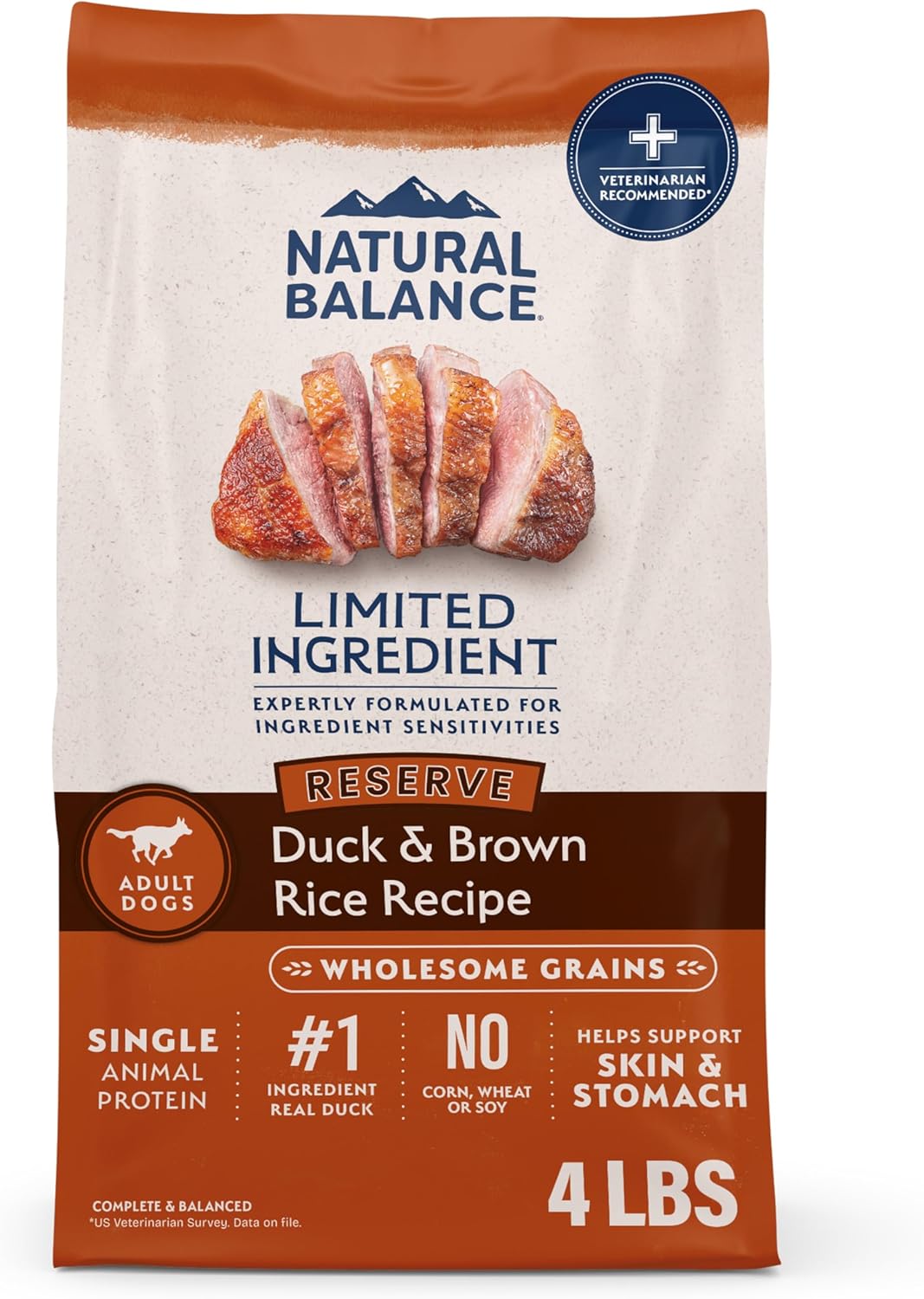
Limited-ingredient diets (LIDs) are designed for dogs with sensitivities. These formulas use a single protein source (like duck or venison) and a single carbohydrate (like sweet potato), reducing the chance of an adverse reaction. Novel proteins—those your dog hasn’t eaten before—are often used in LIDs.
Probiotics and prebiotics are increasingly added to dog foods to support gut health. These beneficial bacteria can improve digestion, boost immunity, and reduce gas and bloating. Look for strains like Lactobacillus or Bifidobacterium on the label.
6. Brand Transparency and Manufacturing Practices
Not all dog food companies are created equal. Some prioritize profit over pet health, using vague labeling, undisclosed sourcing, or third-party manufacturers with poor oversight. Reputable brands are transparent about where and how their food is made.
Look for companies that:
– Manufacture their own food (not outsourced to unknown facilities)
– Conduct regular safety testing (for pathogens like Salmonella and E. coli)
– Publish ingredient sourcing information
– Have a dedicated nutritionist or veterinarian on staff
– Offer customer support and batch tracing
Avoid brands that use “mystery meats” (like “meat meal” without specifying the source) or have a history of recalls. Check the FDA’s recall database and consumer review sites for red flags.
7. Price vs. Value: Understanding Cost Per Day
Dog food prices vary widely—from $1 to $5+ per day depending on the brand and form. But cheaper isn’t always better, and expensive doesn’t always mean superior. The key is calculating the cost per day based on your dog’s serving size.
For example, a 30-pound bag of premium kibble might cost $70 but last two months for a 40-pound dog, equating to about $1.15 per day. A cheaper brand at $40 for 30 pounds might require larger portions due to lower density, costing $1.50 per day. Always check the feeding guidelines and adjust for your dog’s weight and activity level.
Consider the long-term health benefits of high-quality food. Dogs on nutrient-rich diets often have fewer vet visits, less medication, and lower treatment costs over time. Investing in good nutrition now can save you money—and heartache—later.
8. Packaging, Storage, and Shelf Life
How dog food is packaged affects its freshness and safety. Look for resealable bags, oxygen barriers, and nitrogen-flushed packaging to prevent oxidation and rancidity. Avoid bags with excessive air or damaged seals.
Dry kibble typically has a shelf life of 12–18 months if unopened and stored in a cool, dry place. Once opened, use it within 6 weeks to maintain freshness. Wet food should be refrigerated after opening and used within 3–5 days. Raw and fresh foods require freezing or refrigeration and have shorter shelf lives—often just a few months.
Consider your storage space. Large bags of kibble may be economical but can be cumbersome to store. Smaller, portioned packages (like fresh meal subscriptions) are convenient but may cost more per serving.
Different Types of Dog Food
Common Buying Mistakes to Avoid
❌ Mistake: Choosing Based on Marketing Claims
Why it’s bad: Terms like “grain-free,” “natural,” or “holistic” are not regulated and can be used misleadingly. A food labeled “grain-free” might still contain high levels of legumes or potatoes, which can contribute to heart issues in some dogs (like DCM—dilated cardiomyopathy).
What to do instead: Ignore flashy labels and focus on the ingredient list and guaranteed analysis. Look for whole meats, digestible carbs, and minimal additives.
❌ Mistake: Feeding the Same Food Forever
Why it’s bad: Dogs can develop sensitivities to ingredients over time, especially if fed the same protein and carb source for years. This can lead to allergies, digestive issues, or nutrient imbalances.
What to do instead: Rotate proteins every 6–12 months (e.g., from chicken to lamb to fish) to reduce the risk of intolerance and provide a broader nutrient profile.
❌ Mistake: Overfeeding or Underfeeding
Why it’s bad: Obesity is a leading health issue in dogs, linked to diabetes, joint problems, and shortened lifespan. Conversely, underfeeding can lead to malnutrition and low energy.
What to do instead: Use the feeding guidelines on the bag as a starting point, then adjust based on your dog’s weight, activity level, and body condition. Consult your vet if unsure.
❌ Mistake: Ignoring Your Dog’s Life Stage
Why it’s bad: Puppies, adults, and seniors have vastly different nutritional needs. Feeding adult food to a puppy can stunt growth, while senior food may not provide enough energy for an active adult.
What to do instead: Always choose a food formulated for your dog’s life stage. Look for “growth,” “maintenance,” or “senior” on the label.
❌ Mistake: Switching Foods Too Quickly
Why it’s bad: Sudden diet changes can cause diarrhea, vomiting, or refusal to eat. Dogs have sensitive digestive systems that need time to adapt.
What to do instead: Transition over 7–10 days by mixing increasing amounts of the new food with the old. Start with 25% new, 75% old, and gradually shift to 100% new.
❌ Mistake: Buying the Cheapest Option Available
Why it’s bad: Low-cost foods often use fillers, by-products, and artificial additives that offer little nutritional value and may harm long-term health.
What to do instead: Prioritize value over price. Calculate cost per day and invest in a food that supports your dog’s health, even if it costs a bit more.
❌ Mistake: Not Reading the Guaranteed Analysis
Why it’s bad: The ingredient list shows what’s in the food, but the guaranteed analysis reveals how much protein, fat, fiber, and moisture are present—critical for comparing brands.
What to do instead: Always check the guaranteed analysis on the back or side of the bag. Aim for at least 18% protein for adults and 22% for puppies.
Budget Guidelines: How Much Should You Spend?
– Entry-Level ($0.50–$1.20/day): These foods are affordable and widely available but often contain lower-quality proteins, fillers like corn and soy, and artificial preservatives. Best for temporary use or multi-dog households on a tight budget. Examples: Purina Dog Chow, Pedigree.
– Mid-Range ($1.20–$2.50/day): This is the sweet spot for most pet owners. These foods use named meat sources, limited fillers, and added vitamins. Many are AAFCO-compliant and suitable for healthy adult dogs. Examples: Blue Buffalo Life Protection, Wellness Complete Health, Iams ProActive Health.
– Premium ($2.50–$4.50/day): Designed for dogs with specific needs—puppies, seniors, active breeds, or those with sensitivities. Features high-protein formulas, novel ingredients, probiotics, and grain-free or limited-ingredient options. Examples: Orijen, Acana, Taste of the Wild, Hill’s Science Diet.
– Luxury ($4.50+/day): Top-tier fresh, raw, or custom-formulated diets. Often human-grade, delivered to your door, and tailored to your dog’s breed, age, and health. Ideal for dogs with medical conditions or owners seeking the absolute best. Examples: The Farmer’s Dog, Nom Nom, Open Farm Raw.
Expert Tips for Getting the Best Deal
– Buy in Bulk (When It Makes Sense): Larger bags of kibble often cost less per pound. If you have storage space and a dog who eats consistently, buying 30–40 lb bags can save 10–20%.
– Subscribe and Save: Many online retailers (like Chewy, Amazon, or brand websites) offer discounts for recurring deliveries—typically 5–15% off. Just ensure you’re not over-ordering.
– Watch for Seasonal Sales: Major sales happen around Black Friday, Cyber Monday, and end-of-season clearances. Stock up during these times, but check expiration dates.
– Compare Unit Prices: Use the price per pound or per cup to compare different sizes and brands. A smaller bag isn’t always more expensive per unit.
– Check Return Policies: If your dog refuses the food or has a reaction, you want to be able to return it. Most reputable brands offer satisfaction guarantees.
– Ask Your Vet for Samples: Many vets keep samples of prescription or therapeutic diets. Try before you buy, especially for dogs with health issues.
– Join Loyalty Programs: Stores like Petco, Chewy, and PetSmart offer rewards points, free shipping, and exclusive discounts for members.
– Test Small Quantities First: Before committing to a large bag, buy a small size or request a sample to see if your dog likes it and tolerates it well.
Frequently Asked Questions
Q: Is grain-free dog food better?
A: Not necessarily. While grain-free diets can help dogs with grain allergies, most dogs digest grains like rice and oats just fine. The FDA has linked some grain-free diets high in legumes (like peas and lentils) to heart disease in dogs. Unless your dog has a diagnosed grain allergy, grains are not harmful and can be a good source of fiber and energy.
Q: Can I mix dry and wet food?
A: Yes! Many owners mix kibble with a spoonful of wet food to increase palatability and moisture intake. Just adjust the total portion to avoid overfeeding. For example, replace 1/4 cup of kibble with 1/4 cup of wet food.
Q: How often should I change my dog’s food?
A: There’s no need to change food unless your dog has a health issue, you’re rotating proteins, or you’ve found a better option. Frequent changes can upset their stomach. When you do switch, do it gradually over 7–10 days.
Q: Is raw food safe for dogs?
A: Raw diets can be nutritious but carry risks like bacterial contamination (Salmonella, Listeria) and nutritional imbalances if not properly formulated. If you choose raw, handle it like raw meat—wash bowls, hands, and surfaces thoroughly. Consult a vet or canine nutritionist to ensure balance.
Q: How much should I feed my dog?
A: Feeding amounts depend on weight, age, breed, and activity level. Use the guidelines on the food bag as a starting point, then adjust based on your dog’s body condition. A healthy dog should have a visible waist and palpable ribs.
Q: What’s the difference between “chicken meal” and “chicken”?
A: “Chicken” refers to fresh meat, which is about 70% water. “Chicken meal” is rendered (cooked to remove moisture and fat), resulting in a concentrated protein source with less water. Both can be high-quality, but chicken meal provides more protein per pound.
Q: Can puppies eat adult dog food?
A: No. Puppies need more calories, protein, fat, and calcium for growth. Adult food lacks these nutrients and can lead to developmental issues. Always feed a food labeled for “growth” or “all life stages.”
Q: Is it okay to feed my dog a vegetarian diet?
A: Dogs are omnivores and can survive on plant-based diets, but it’s challenging to meet their nutritional needs without animal protein. Taurine, L-carnitine, and certain amino acids are essential and harder to obtain from plants. If considering vegetarian food, consult a veterinary nutritionist.
Q: How long can I keep opened dog food?
A: Dry kibble should be used within 6 weeks of opening if stored in a cool, dry place. Wet food must be refrigerated and used within 3–5 days. Raw and fresh foods should be consumed within the timeframe specified on the packaging.
Q: What should I do if my dog has a food allergy?
A: Work with your vet to identify the allergen through an elimination diet. Once identified, choose a limited-ingredient diet with a novel protein and carb source. Avoid treats and table scraps that may contain the allergen.
Our Final Recommendations
– Best for Budget-Conscious Buyers: Blue Buffalo Life Protection Formula – Offers real meat as the first ingredient, no poultry by-product meals, and added vitamins at a mid-range price. Great value for the quality.
– Best Overall Value: Wellness Complete Health Adult Deboned Chicken & Oatmeal – Balanced nutrition, digestible ingredients, and no artificial additives. Suitable for most healthy adult dogs.
– Best Premium Option: Orijen Original – High-protein, biologically appropriate diet with 85% animal ingredients. Ideal for active dogs and those needing nutrient-dense fuel.
– Best for Beginners: Hill’s Science Diet Adult – Veterinarian-recommended, widely available, and formulated for easy digestion. A safe, reliable choice for new dog owners.
– Best for Advanced Users: The Farmer’s Dog – Fresh, human-grade meals customized to your dog’s profile. Requires a subscription but offers unparalleled freshness and transparency.
Conclusion: Making the Right Choice
Choosing the best daily food for your dog isn’t about finding the most expensive or trendiest option—it’s about understanding your dog’s unique needs and matching them with a food that supports their health, energy, and longevity. From ingredient quality and life stage suitability to budget and form, every factor plays a role in your decision.
Remember, the best food is one your dog enjoys, digests well, and thrives on. Don’t be afraid to experiment—within reason—and always consult your veterinarian if you’re unsure. Your dog’s diet is one of the most powerful tools you have to ensure a happy, healthy life together.
Take the time to read labels, compare options, and prioritize nutrition over marketing. With the knowledge from this guide, you’re now equipped to make a confident, informed choice. Your dog deserves nothing less.