
When it comes to feeding your dog, the choices can feel overwhelming. From kibble to raw diets, freeze-dried to wet food, pet parents today are more informed—and more selective—than ever. Among the rising stars in canine nutrition is dehydrated dog food. Unlike traditional kibble that’s heavily processed at high temperatures, dehydrated food is gently dried at low heat, preserving vital nutrients, enzymes, and natural flavors. This method retains much of the food’s original nutritional integrity, making it a compelling option for health-conscious dog owners who want the convenience of shelf-stable food without sacrificing quality.
But not all dehydrated dog foods are created equal. With brands flooding the market—each claiming to be “the most natural,” “most nutritious,” or “veterinarian-approved”—it’s easy to get lost in the noise. That’s where this guide comes in. Whether you’re transitioning your pup from kibble, looking for a travel-friendly meal solution, or simply seeking a cleaner, more digestible diet, this comprehensive buying guide will walk you through everything you need to know. We’ll break down the key factors to consider, compare different types of dehydrated food, highlight common pitfalls, and offer expert-backed recommendations to help you make the best choice for your dog’s unique needs.
From budget considerations to ingredient sourcing, from rehydration methods to brand transparency, we’ve done the research so you don’t have to. By the end of this guide, you’ll have a clear understanding of what makes a high-quality dehydrated dog food, how to evaluate labels like a pro, and which products truly deliver on their promises. Whether you’re feeding a senior dog with sensitive digestion, an active working breed, or a picky eater, this guide is your roadmap to smarter, healthier feeding decisions in 2026 and beyond.

What to Look for When Buying Dehydrated Dog Food
1. Ingredient Quality & Sourcing
The foundation of any great dog food—dehydrated or otherwise—is the quality of its ingredients. When evaluating dehydrated dog food, start by scanning the ingredient list. Look for whole, recognizable proteins listed first, such as “deboned chicken,” “grass-fed beef,” or “wild-caught salmon.” Avoid vague terms like “meat meal” or “animal by-products,” which can indicate lower-quality or inconsistent sourcing.
High-quality dehydrated foods often use human-grade ingredients, meaning they meet the same safety and quality standards as food intended for human consumption. This is a strong indicator of transparency and care in sourcing. Additionally, check whether the protein source is ethically raised—look for labels like “pasture-raised,” “free-range,” or “certified humane.” These certifications suggest better animal welfare and often correlate with higher nutritional value.
Another red flag is the inclusion of fillers such as corn, soy, or wheat. These ingredients offer little nutritional benefit and can trigger allergies or digestive issues in sensitive dogs. Instead, opt for recipes that use nutrient-dense carbohydrates like sweet potatoes, peas, or chickpeas, which provide sustained energy and fiber.
2. Protein Content & Animal-Based Protein Ratio
Dogs are omnivores with a strong carnivorous倾向, meaning their bodies thrive on animal-based proteins. When choosing dehydrated dog food, prioritize products with high protein content—ideally between 30% and 40% on a dry matter basis. This ensures your dog gets the essential amino acids needed for muscle maintenance, immune function, and overall vitality.
But it’s not just about the percentage—it’s about the source. Look for recipes where animal protein makes up the majority of the first five ingredients. For example, a formula listing “chicken, chicken liver, eggs, sweet potatoes, and peas” is far superior to one that starts with “peas, chicken meal, potato protein, and flaxseed.” The latter may appear high in protein due to plant-based concentrates, but it lacks the bioavailability and completeness of animal proteins.
Also consider your dog’s life stage and activity level. Puppies, pregnant or nursing dogs, and highly active breeds require more protein than sedentary seniors. Some dehydrated brands offer life-stage-specific formulas, which can be a smart choice for targeted nutrition.
3. Processing Method & Nutrient Retention
Not all dehydration methods are equal. The goal of dehydration is to remove moisture while preserving heat-sensitive nutrients like vitamins, enzymes, and fatty acids. High-quality brands use low-temperature dehydration (typically between 105°F and 140°F) over several hours. This slow process helps retain the food’s natural structure and nutritional profile.
In contrast, some manufacturers use faster, higher-heat methods that can degrade nutrients and alter the food’s texture. Always check the brand’s website or packaging for details on their dehydration process. Reputable companies will proudly share this information, often highlighting certifications like “low-heat dehydrated” or “enzyme-preserved.”
Another advantage of proper dehydration is that it eliminates the need for artificial preservatives. Since moisture is removed, bacteria and mold can’t grow, making the food shelf-stable without additives like BHA, BHT, or ethoxyquin. This is a major plus for dogs with sensitivities or owners who prefer clean-label diets.
4. Rehydration Ease & Convenience
One of the biggest selling points of dehydrated dog food is its convenience—lightweight, shelf-stable, and easy to store. But how easy is it to prepare? The best dehydrated foods rehydrate quickly and completely with just warm water, typically within 10 to 15 minutes.
Look for products that specify rehydration instructions clearly on the packaging. Some brands even offer single-serve pouches or pre-measured portions, which are ideal for travel, hiking, or multi-dog households. Avoid foods that turn mushy, clump together, or require excessive stirring—these may indicate poor formulation or over-processing.
Additionally, consider the texture after rehydration. Some dogs prefer a softer, stew-like consistency, while others enjoy a more textured, meaty feel. If your dog is picky, you may want to try a sample pack before committing to a large bag.
5. Additives, Preservatives & Artificial Ingredients
Clean labels are non-negotiable when it comes to premium dehydrated dog food. Avoid products containing artificial colors, flavors, or preservatives. These additives serve no nutritional purpose and have been linked to hyperactivity, allergies, and long-term health issues in dogs.
Instead, look for natural preservatives like mixed tocopherols (a form of vitamin E) or rosemary extract. These are safe, effective, and commonly used in high-quality pet foods. Also, be wary of “flavor enhancers” like yeast extract or hydrolyzed protein, which can be hidden sources of MSG or allergens.
Some brands go a step further by including functional ingredients like probiotics, prebiotic fibers, or omega-3 fatty acids from sources like flaxseed or fish oil. These additions can support digestion, skin health, and cognitive function—especially beneficial for aging dogs or those with chronic conditions.
6. Brand Transparency & Third-Party Testing
Trust is built on transparency. The best dehydrated dog food brands are open about their sourcing, manufacturing processes, and quality control measures. Look for companies that publish detailed ingredient breakdowns, nutritional analyses, and feeding guidelines on their websites.
Even better, choose brands that undergo third-party testing for contaminants like heavy metals, pesticides, and pathogens. Certifications from organizations like the Association of American Feed Control Officials (AAFCO), NSF International, or the Global Animal Partnership (GAP) add an extra layer of credibility.
Don’t hesitate to contact the manufacturer with questions. A responsive customer service team that can explain their sourcing or testing protocols is a strong indicator of a reputable brand.
7. Price & Value for Money
Dehydrated dog food is generally more expensive than kibble but often cheaper than raw or fresh diets. Prices can range from $2 to $5 per day, depending on the brand, protein source, and package size. While it’s tempting to go for the cheapest option, remember that you’re paying for quality ingredients, gentle processing, and nutritional integrity.
Instead of focusing solely on price per pound, consider cost per feeding. Some premium brands use highly digestible ingredients, meaning your dog may need to eat less to feel satisfied—potentially offsetting the higher upfront cost. Also, look for subscription discounts, bulk pricing, or loyalty programs that can reduce long-term expenses.
8. Palatability & Dog Acceptance
No matter how nutritious a food is, it’s useless if your dog won’t eat it. Palatability is a critical factor, especially for picky eaters or dogs transitioning from highly processed kibble. High-quality dehydrated foods often have a strong, meaty aroma and rich flavor due to minimal processing and the use of real meat.
Many brands offer sample sizes or money-back guarantees, allowing you to test the food risk-free. If your dog turns up their nose, try mixing in a small amount of warm broth or topping with freeze-dried liver bits to enhance appeal.
Different Types of Dehydrated Dog Food

Common Buying Mistakes to Avoid

❌ Mistake: Choosing Based Solely on Price
Why it’s bad: Opting for the cheapest dehydrated dog food often means compromising on ingredient quality, processing methods, and nutritional completeness. Low-cost brands may use fillers, by-products, or high-heat processing that degrade nutrients.
What to do instead: Focus on value, not just cost. Compare ingredient lists, protein sources, and feeding guidelines. A slightly more expensive food with higher digestibility may actually cost less per meal in the long run.
❌ Mistake: Ignoring the Ingredient List
Why it’s bad: Many pet owners are swayed by flashy packaging or marketing claims like “natural” or “premium” without reading the fine print. These terms are not regulated and can be misleading.
What to do instead: Always read the ingredient list from top to bottom. The first five ingredients should be high-quality proteins and recognizable whole foods. Avoid products with long lists of unpronounceable additives.
❌ Mistake: Not Rehydrating Properly
Why it’s bad: Feeding dehydrated food without proper rehydration can lead to digestive upset, dehydration, or nutrient malabsorption. Some owners mistakenly serve it dry, thinking it’s like kibble.
What to do instead: Follow the brand’s rehydration instructions carefully. Use warm water and allow adequate time for the food to absorb moisture. Stir well to ensure even consistency.
❌ Mistake: Overlooking Your Dog’s Individual Needs
Why it’s bad: A food that works for a high-energy Border Collie may not suit a senior Bulldog with joint issues. Ignoring life stage, breed, size, or health conditions can lead to nutritional imbalances.
What to do instead: Choose a formula tailored to your dog’s specific needs. Look for life-stage-specific recipes or consult your veterinarian for recommendations, especially if your dog has medical conditions.
❌ Mistake: Assuming All Dehydrated Food Is Raw
Why it’s bad: Dehydrated and raw are not the same. Dehydrated food is cooked at low temperatures, while raw food is uncooked. Confusing the two can lead to incorrect handling or storage practices.
What to do instead: Understand the difference. Dehydrated food is shelf-stable and doesn’t require refrigeration until rehydrated. Store it in a cool, dry place and use within the recommended timeframe after opening.
❌ Mistake: Not Transitioning Gradually
Why it’s bad: Switching your dog’s food abruptly—even to a healthier option—can cause diarrhea, vomiting, or refusal to eat. Dogs have sensitive digestive systems that need time to adapt.
What to do instead: Transition over 7–10 days by gradually increasing the proportion of new food while decreasing the old. Start with 25% new food and 75% old, then adjust daily until fully switched.
❌ Mistake: Ignoring Expiration Dates and Storage
Why it’s bad: Dehydrated food can lose potency or spoil if stored improperly. Exposure to heat, moisture, or air can degrade nutrients and promote mold growth.
What to do instead: Store in a cool, dry place away from direct sunlight. Use airtight containers if transferring from the original packaging. Always check expiration dates and use opened bags within 6–8 weeks.
Budget Guidelines: How Much Should You Spend?
When it comes to dehydrated dog food, your budget will largely determine the quality and features you can expect. Here’s a breakdown of what you get at different price points:
Entry-Level ($2.00–$3.50 per day): These options are typically made with lower-cost proteins like chicken meal or turkey by-product meal. They may include more plant-based proteins and fewer functional additives. While convenient, they often lack the ingredient transparency and nutrient density of higher-tier brands. Best for budget-conscious owners willing to compromise slightly on quality.
Mid-Range ($3.50–$5.00 per day): This is the sweet spot for most dog owners. Brands in this range use whole meats, limited fillers, and gentle dehydration methods. You’ll find grain-free options, single-protein formulas, and added probiotics or omega-3s. Many offer subscription discounts and sample packs, making them accessible and practical for daily use.
Premium ($5.00–$7.00 per day): These products feature human-grade, ethically sourced ingredients, often with novel proteins like duck, lamb, or venison. They may include functional ingredients like glucosamine, turmeric, or digestive enzymes. Ideal for dogs with allergies, sensitivities, or high performance needs.
Luxury ($7.00+ per day): Top-tier dehydrated foods often come from boutique brands with small-batch production, veterinary input, or organic certifications. They may offer custom formulations, personalized feeding plans, or eco-friendly packaging. While expensive, they’re worth considering for dogs with complex health issues or owners seeking the absolute best.

Expert Tips for Getting the Best Deal
1. Buy in Bulk When Possible: Many brands offer discounts for larger bags or multi-bag purchases. If you have storage space, buying a 10- or 20-pound bag can save 15–20% compared to smaller sizes.
2. Subscribe and Save: Most online retailers (like Chewy, Amazon, or brand websites) offer subscription services with 5–15% off recurring orders. You can usually pause or cancel anytime, giving you flexibility.
3. Watch for Seasonal Sales: Major holidays like Black Friday, Cyber Monday, and Prime Day often feature deep discounts on pet food. Sign up for alerts to catch these deals.
4. Try Sample Packs First: Before committing to a large bag, order a small sample or variety pack. This lets you test palatability and digestibility without wasting money.
5. Read Return Policies: Choose retailers with generous return policies. If your dog doesn’t like the food or has a reaction, you should be able to return it for a refund or exchange.
6. Check for Coupons and Cashback: Use apps like Rakuten, Honey, or Ibotta to earn cashback or find promo codes. Some brands also offer referral discounts.
7. Compare Cost Per Feeding: Don’t just look at price per pound. Calculate the cost per meal based on your dog’s daily portion. A more expensive food may actually be cheaper if your dog eats less due to higher digestibility.
8. Join Breed or Health Forums: Online communities often share exclusive discount codes or group-buying opportunities. Other dog owners can also recommend brands that work well for similar breeds or conditions.

Frequently Asked Questions
Q: Is dehydrated dog food safe for puppies?
A: Yes, but only if it’s formulated for growth or all life stages and meets AAFCO guidelines. Puppies have higher protein and calorie needs, so choose a recipe specifically designed for them. Always consult your vet before making dietary changes.
Q: How long does dehydrated dog food last?
A: Unopened, it can last 12–24 months depending on the brand. Once opened, use within 6–8 weeks and store in an airtight container. Rehydrated food should be fed immediately or refrigerated and used within 24 hours.
Q: Can I mix dehydrated food with kibble?
A: Absolutely. Many owners use dehydrated food as a topper to enhance flavor and nutrition. Just adjust portions to avoid overfeeding and ensure the total diet remains balanced.
Q: Is dehydrated food better than kibble?
A: In most cases, yes—especially when it comes to ingredient quality, nutrient retention, and digestibility. However, high-quality kibble can still be a good option for some dogs. It ultimately depends on your dog’s needs and your priorities.
Q: Do I need to add supplements to dehydrated food?
A: Most complete and balanced dehydrated foods don’t require supplements. However, if your dog has specific health needs (e.g., joint support, skin issues), your vet may recommend targeted additions like fish oil or glucosamine.
Q: Can dehydrated food help with allergies?
A: Yes, especially single-protein or limited-ingredient formulas. By eliminating common allergens like chicken, beef, or grains, these diets can help identify and manage food sensitivities.
Q: Is dehydrated food environmentally friendly?
A: Generally, yes. It has a longer shelf life, reducing food waste, and often comes in recyclable or compostable packaging. Some brands also use sustainable sourcing practices.
Q: How do I know if my dog is reacting well to dehydrated food?
A: Look for improvements in coat shine, energy levels, stool quality, and appetite. Digestive issues like gas or loose stools may indicate a need for gradual transition or a different formula.
Q: Can I travel with dehydrated dog food?
A: Definitely. Its lightweight, compact nature makes it ideal for hiking, camping, or road trips. Just pack a portable bowl and access to water for rehydration.
Q: Is dehydrated food suitable for dogs with kidney disease?
A: Only if it’s a veterinary-formulated recipe with controlled phosphorus and protein levels. Regular dehydrated food may be too high in protein for dogs with kidney issues. Always consult your vet.
Our Final Recommendations
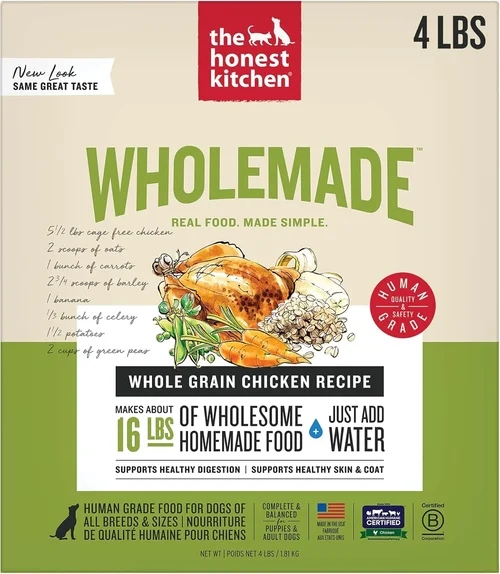
Best for Budget-Conscious Buyers: The Honest Kitchen Human Grade Dehydrated Dog Food – Chicken Recipe
This brand offers excellent value with human-grade ingredients, low-heat dehydration, and clear sourcing. At around $3.50 per day, it’s affordable without sacrificing quality.
Best Overall Value: Sojos Complete Freeze-Dried Raw Dog Food – Turkey Recipe
Though technically freeze-dried, Sojos uses a similar gentle process and offers outstanding nutrition at a mid-range price. Highly palatable and easy to rehydrate.
Best Premium Option: Stella & Chewy’s Freeze-Dried Raw Dinner Patties – Duck Duck Goose
With 95% meat, organs, and bone, plus added probiotics, this is a top-tier choice for dogs needing high-protein, biologically appropriate nutrition.
Best for Beginners: Primal Freeze-Dried Dog Food – Beef Formula
Simple, clean ingredients and straightforward rehydration make this ideal for first-time users. Comes in convenient bite-sized pieces.
Best for Advanced Users: Open Farm RawMix Dehydrated Dog Food – Grass-Fed Lamb
Combines dehydrated meat with freeze-dried raw bits for enhanced flavor and nutrition. Ethically sourced and third-party tested.
Conclusion: Making the Right Choice
Choosing the best dehydrated dog food isn’t just about picking the most expensive or popular brand—it’s about finding the right match for your dog’s unique needs, your lifestyle, and your values. By focusing on ingredient quality, processing methods, and transparency, you can ensure your pup gets a diet that supports long-term health and vitality.
Remember, the best food is one your dog enjoys, digests well, and thrives on. Don’t be afraid to experiment, ask questions, and consult your veterinarian. With the insights from this guide, you’re now equipped to navigate the market with confidence and make informed decisions that benefit your furry companion for years to come.
Whether you’re feeding a senior dog, a working athlete, or a curious puppy, dehydrated food offers a convenient, nutritious, and delicious option that bridges the gap between raw and kibble. Take the time to evaluate your options, prioritize quality over convenience, and invest in a diet that truly nourishes from the inside out. Your dog deserves nothing less.