

Choosing the right dog food isn’t just about picking a bag off the shelf—it’s one of the most important decisions you’ll make for your dog’s long-term health, energy levels, coat quality, digestion, and overall well-being. With thousands of brands, formulas, and marketing claims flooding the market in 2026, it’s easy to feel overwhelmed. From grain-free kibble to raw frozen diets, limited-ingredient recipes to vet-recommended therapeutic formulas, the options seem endless. Yet, not all dog foods are created equal. Some promise premium nutrition but fall short on ingredient transparency or sourcing standards. Others may suit one breed perfectly but cause digestive upset in another.
This comprehensive buying guide cuts through the noise to help you make an informed, confident decision tailored to your dog’s unique needs. Whether you’re a first-time pet parent or a seasoned dog owner looking to upgrade your pup’s diet, you’ll learn how to evaluate ingredients, understand nutritional labels, compare price points, and avoid common pitfalls. We’ll cover everything from life-stage requirements and dietary sensitivities to sustainability practices and brand reliability. By the end of this guide, you’ll have the knowledge and tools to choose a dog food that supports your dog’s health—not just today, but for years to come.
The dog food market in 2026 is more dynamic and competitive than ever. Driven by consumer demand for transparency, clean labeling, and science-backed nutrition, leading brands are investing heavily in research, sustainable sourcing, and innovative formats like air-dried, freeze-dried, and fresh-cooked meals. At the same time, budget-friendly options have improved significantly, offering better quality than ever before. However, this abundance of choice also means more confusion. Misleading claims like “natural,” “holistic,” or “premium” are unregulated and can mislead even the most careful shoppers. That’s why understanding what truly matters—ingredient quality, nutritional adequacy, manufacturing standards, and your dog’s individual needs—is essential. This guide will equip you with the expertise to navigate the market wisely, ensuring your dog gets the best possible nutrition without overspending or compromising on safety.

What to Look for When Buying Dog Food
1. Ingredient Quality & Sourcing
The foundation of any great dog food is high-quality, identifiable ingredients. Start by scanning the ingredient list—ingredients are listed by weight, so the first few items should be real, named animal proteins like “chicken,” “salmon,” or “lamb,” not vague terms like “meat meal” or “by-product meal.” Look for whole meats or meat meals that specify the animal source (e.g., “deboned chicken” or “turkey meal”). Avoid foods that list grains or fillers like corn, soy, or wheat as primary ingredients, as these offer little nutritional value and can trigger allergies in sensitive dogs.
Equally important is ingredient sourcing. Reputable brands disclose where their ingredients come from—whether it’s human-grade farms in the U.S., New Zealand, or Europe—and often highlight partnerships with trusted suppliers. Brands that use organic, free-range, or grass-fed meats typically command a higher price but offer superior nutritional profiles and ethical standards. Be wary of “mystery meats” or ingredients sourced from countries with lax food safety regulations. Transparency is a hallmark of quality; if a brand doesn’t clearly state its sourcing practices, it’s a red flag.
2. Nutritional Adequacy & AAFCO Compliance
Not all dog foods meet the same nutritional standards. The Association of American Feed Control Officials (AAFCO) sets guidelines for complete and balanced pet nutrition, and reputable brands formulate their foods to meet these standards. Look for a statement on the packaging such as “Formulated to meet the nutritional levels established by the AAFCO Dog Food Nutrient Profiles” or “Animal feeding tests substantiate that this product provides complete and balanced nutrition.” This ensures the food contains the right balance of protein, fat, carbohydrates, vitamins, and minerals for your dog’s life stage—whether puppy, adult, or senior.
However, AAFCO compliance alone doesn’t guarantee quality. Some brands meet minimum requirements but use lower-quality ingredients to do so. That’s why it’s crucial to pair AAFCO verification with ingredient analysis. For example, a food may meet protein requirements by using plant-based proteins like pea protein, which are less bioavailable to dogs than animal proteins. Always consider the source and digestibility of nutrients, not just the percentages listed on the label.
3. Life Stage & Breed-Specific Needs
Dogs have different nutritional needs depending on their age, size, and breed. Puppies require higher levels of protein, fat, and calories to support rapid growth, while senior dogs benefit from lower-calorie diets with joint-supporting ingredients like glucosamine and chondroitin. Large and giant breeds need controlled calcium and phosphorus levels to prevent skeletal issues, whereas small breeds may thrive on higher-energy, nutrient-dense foods.
Some brands offer breed-specific formulas tailored to these needs—think “Large Breed Puppy” or “Small Breed Senior” recipes. While not all dogs require such specialized diets, these formulas can be helpful for dogs with known sensitivities or growth concerns. Additionally, working dogs, pregnant or nursing females, and highly active breeds may need performance-focused diets with increased protein and fat. Always match the food to your dog’s current life stage and activity level, and consult your veterinarian if you’re unsure.
4. Dietary Restrictions & Allergies
Food allergies and sensitivities are more common in dogs than many owners realize. Common allergens include beef, chicken, dairy, wheat, soy, and eggs. If your dog experiences itching, ear infections, gastrointestinal upset, or chronic paw licking, a food allergy could be the culprit. In such cases, limited-ingredient diets (LIDs) or novel protein sources like duck, venison, or kangaroo can help identify and eliminate triggers.
Hypoallergenic or hydrolyzed protein diets are also available, often prescribed by veterinarians for severe allergies. These foods break down proteins into smaller molecules that the immune system is less likely to react to. Grain-free diets have gained popularity, but they’re not necessary for all dogs and have been linked to potential heart issues (dilated cardiomyopathy) in some breeds when paired with high levels of legumes like peas and lentils. Always consult your vet before switching to a specialized diet, especially if your dog has a known medical condition.
5. Form & Texture Preferences
Dog food comes in various forms—kibble, wet (canned), semi-moist, freeze-dried, air-dried, fresh, and raw. Each has pros and cons. Kibble is convenient, cost-effective, and helps reduce plaque buildup due to its crunchy texture. Wet food offers higher moisture content, which can benefit dogs with urinary tract issues or those who don’t drink enough water. It’s also more palatable for picky eaters.
Freeze-dried and air-dried foods retain more nutrients than traditional kibble and often contain higher meat content, making them a popular choice for owners seeking a middle ground between raw and processed diets. Fresh-cooked meals, delivered via subscription services, are minimally processed and highly digestible but come at a premium price. Raw diets (BARF—Biologically Appropriate Raw Food) mimic a dog’s ancestral diet but require careful handling to avoid bacterial contamination and nutritional imbalances.
Consider your dog’s preferences, dental health, and your lifestyle. For example, a busy owner might prefer kibble for its shelf stability, while a dog with dental issues may benefit from softer wet food. Some owners even rotate between formats to provide variety and balance.
6. Brand Reputation & Transparency
Not all dog food brands are created equal when it comes to ethics, safety, and customer service. Research the brand’s history—have there been recalls? How do they respond to customer concerns? Do they publish ingredient sourcing details, feeding trials, or third-party test results? Brands with a strong reputation often invest in veterinary nutritionists, conduct feeding studies, and maintain open communication with pet parents.
Look for certifications like USDA Organic, Non-GMO Project Verified, or Global Animal Partnership (GAP) ratings, which indicate higher standards in sourcing and production. Social proof matters too—check online reviews, forums, and vet recommendations. A brand that’s transparent about its supply chain, manufacturing processes, and nutritional philosophy is more likely to produce safe, high-quality food.
7. Price & Value for Money
Dog food prices vary widely, from budget bags under $20 to premium fresh meals costing over $5 per pound. While it’s tempting to go for the cheapest option, low-cost foods often use fillers, by-products, and artificial preservatives that can compromise your dog’s health over time. That said, expensive doesn’t always mean better. Some mid-range brands offer excellent nutrition at a fair price.
To assess value, calculate the cost per pound or per serving and compare it to the ingredient quality and nutritional profile. A $50 bag of kibble that lasts a month for a 50-pound dog may be more economical than a $30 bag that requires larger portions due to lower density. Also consider long-term health benefits—investing in high-quality food can reduce vet bills related to obesity, allergies, or digestive issues.
8. Packaging & Storage
Packaging plays a crucial role in maintaining food freshness and preventing spoilage. Look for resealable bags, especially for kibble, to keep air and moisture out. Some premium brands use nitrogen-flushed packaging or vacuum-sealed pouches to extend shelf life. Wet food should come in BPA-free cans or Tetra Pak containers that preserve nutrients without harmful chemicals.
Storage is another consideration. Kibble can be stored in a cool, dry place for months, but once opened, it should be used within 6–8 weeks to prevent rancidity. Fresh and raw foods require refrigeration or freezing and have shorter shelf lives. If you travel frequently or have limited storage space, choose a format that fits your lifestyle. Some owners use airtight containers to store kibble, which helps maintain freshness and prevents pests.
Different Types of Dog Food

Common Buying Mistakes to Avoid

❌ Mistake: Choosing Based on Marketing Claims Alone
Why it’s bad: Terms like “natural,” “premium,” or “gourmet” are not regulated and can be used by any brand, regardless of actual quality. A food labeled “grain-free” might still contain low-quality fillers like potato starch or pea protein, which offer little nutritional benefit and may contribute to heart issues in some dogs.
What to do instead: Always read the ingredient list and guaranteed analysis. Focus on the first five ingredients and look for real meat, named fats (e.g., “chicken fat”), and digestible carbohydrates. Ignore flashy packaging and buzzwords.
❌ Mistake: Ignoring Your Dog’s Life Stage
Why it’s bad: Feeding a puppy food to an adult dog can lead to obesity due to excess calories, while feeding adult food to a senior dog may deprive them of joint support and easier-to-digest proteins. Life-stage nutrition is critical for long-term health.
What to do instead: Match the food to your dog’s age, size, and activity level. Use AAFCO statements to verify the food is appropriate for your dog’s life stage. When in doubt, consult your veterinarian.
❌ Mistake: Overlooking Ingredient Sourcing
Why it’s bad: Ingredients sourced from countries with poor food safety standards may contain contaminants, antibiotics, or hormones. This can lead to chronic health issues or foodborne illness.
What to do instead: Choose brands that disclose ingredient origins and prioritize U.S., Canadian, or European sourcing. Look for third-party certifications that verify ethical and safe practices.
❌ Mistake: Switching Foods Too Quickly
Why it’s bad: Sudden diet changes can cause gastrointestinal upset, including diarrhea, vomiting, or refusal to eat. Dogs have sensitive digestive systems that need time to adapt.
What to do instead: Transition gradually over 7–10 days, mixing increasing amounts of the new food with the old. Monitor your dog’s stool and energy levels during the switch.
❌ Mistake: Feeding Only One Protein Source Long-Term
Why it’s bad: While limited-ingredient diets are useful for allergy testing, feeding the same protein for years can increase the risk of developing sensitivities. Variety supports a diverse gut microbiome.
What to do instead: Rotate proteins every few months if your dog tolerates them well. For example, alternate between chicken, lamb, and fish-based recipes to provide nutritional variety.
❌ Mistake: Neglecting Portion Control
Why it’s bad: Overfeeding is a leading cause of obesity in dogs, which can lead to diabetes, joint problems, and reduced lifespan. Even high-quality food can harm your dog if portions are too large.
What to do instead: Follow feeding guidelines on the package as a starting point, then adjust based on your dog’s weight, activity level, and body condition. Use a measuring cup—never guess.
❌ Mistake: Buying in Bulk Without Testing
Why it’s bad: Purchasing a large bag of food only to find your dog refuses to eat it or has an adverse reaction is a waste of money and can disrupt your dog’s routine.
What to do instead: Start with a small bag or sample pack to test palatability and digestibility. Many brands offer trial sizes or money-back guarantees.
Budget Guidelines: How Much Should You Spend?
Entry-Level ($15–$30 per 20–30 lb bag): These foods are widely available at big-box stores and supermarkets. While convenient, they often contain fillers like corn, soy, and by-products. Protein sources may be vague (e.g., “meat meal”), and artificial preservatives like BHA or BHT are common. Best for budget-conscious owners with healthy, low-maintenance dogs, but not ideal for long-term feeding or dogs with sensitivities.
Mid-Range ($30–$60 per 20–30 lb bag): This is the sweet spot for most dog owners. These foods typically feature named animal proteins, limited fillers, and natural preservatives like mixed tocopherols. Many are AAFCO-compliant and offer life-stage-specific formulas. Brands in this range often invest in quality control and ingredient transparency. Great value for the price, especially for active or moderately sensitive dogs.
Premium ($60–$100 per 20–30 lb bag): Premium foods prioritize high-quality, human-grade ingredients, often sourced from sustainable or ethical farms. They may include novel proteins, superfoods like blueberries or kale, and probiotics for digestive health. Manufacturing is typically done in small batches with rigorous testing. Ideal for dogs with allergies, high energy needs, or owners who want the best without going fully raw or fresh.
Luxury ($100+ per bag or $3–$8 per lb for fresh/raw): These diets represent the top tier of canine nutrition. Fresh-cooked meals are delivered weekly, often customized to your dog’s weight, breed, and health goals. Raw and freeze-dried options use whole, unprocessed ingredients with minimal handling. While expensive, they offer maximum bioavailability and are excellent for dogs with chronic health issues or owners seeking a biologically appropriate diet. Best for those willing to invest in long-term health and convenience.
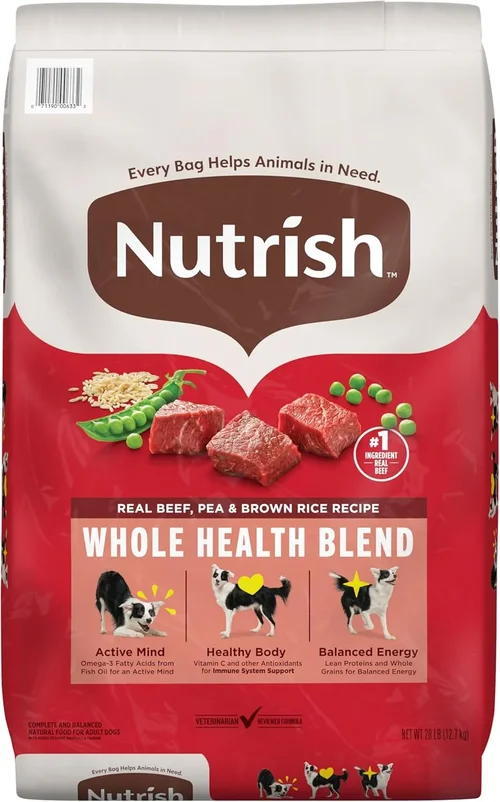
Expert Tips for Getting the Best Deal
- Buy in bulk during sales: Many online retailers offer discounts on multi-bag purchases or subscriptions. Sign up for newsletters to get alerts on seasonal promotions (e.g., Black Friday, end-of-summer sales).
- Compare cost per pound: Don’t just look at the bag price—calculate how much you’re paying per pound of food. A smaller, denser bag may be more economical than a larger, low-quality one.
- Use subscription services wisely: Fresh food delivery services often offer discounts for recurring orders. However, ensure you can commit to the schedule and storage requirements.
- Check return policies: Some brands offer money-back guarantees if your dog doesn’t like the food. This reduces risk when trying a new product.
- Join loyalty programs: Pet stores like Chewy, Petco, and Rover offer rewards points, free shipping, and exclusive deals for members.
- Ask your vet for samples: Many veterinary clinics receive sample packs from reputable brands. This is a great way to test new foods at no cost.
- Monitor your dog’s response: Keep a feeding journal to track energy levels, coat condition, stool quality, and appetite. This helps you assess whether the food is truly working.
- Rotate brands occasionally: While consistency is important, rotating between high-quality brands every 6–12 months can prevent nutrient deficiencies and reduce allergy risk.

Frequently Asked Questions
Q: How often should I change my dog’s food?
A: There’s no strict rule, but most experts recommend evaluating your dog’s diet every 6–12 months. If your dog is thriving—maintaining a healthy weight, having good energy, and producing firm stools—there’s no need to change. However, life changes (e.g., aging, pregnancy, activity level shifts) may warrant a new formula. Always transition gradually to avoid digestive upset.
Q: Is grain-free dog food better?
A: Not necessarily. While grain-free diets can help dogs with grain allergies, most dogs don’t have such sensitivities. The FDA has investigated a potential link between grain-free diets high in legumes (peas, lentils, chickpeas) and dilated cardiomyopathy (DCM) in some breeds. Unless your vet recommends it, a balanced diet with whole grains like brown rice or oats can be perfectly healthy.
Q: Can I mix wet and dry food?
A: Absolutely! Many owners combine wet and dry food to enhance palatability, increase moisture intake, and provide variety. Just adjust portion sizes to avoid overfeeding. For example, replace half a cup of kibble with a quarter can of wet food.
Q: How do I know if my dog has a food allergy?
A: Common signs include chronic itching, ear infections, gastrointestinal issues (vomiting, diarrhea), and excessive licking of paws. Food allergies are different from intolerances—they involve the immune system. An elimination diet under veterinary supervision is the gold standard for diagnosis.
Q: Is raw food safe for dogs?
A: Raw diets can be nutritious but come with risks, including bacterial contamination (Salmonella, E. coli) and nutritional imbalances if not properly formulated. If you choose raw, use commercially prepared, balanced recipes and practice strict hygiene. Consult your vet, especially if you have young children or immunocompromised individuals in the household.
Q: Should I feed my dog once or twice a day?
A: Most adult dogs do well with two meals per day, which helps regulate digestion and prevent bloat in large breeds. Puppies may need three to four meals. Consistency in timing is more important than frequency.
Q: Can I make homemade dog food?
A: Yes, but it requires careful planning to ensure nutritional balance. Homemade diets often lack essential nutrients like calcium, taurine, and vitamin E unless supplemented properly. Work with a veterinary nutritionist to create a balanced recipe. Pre-mixes and supplements can help, but they add cost and complexity.
Q: What’s the difference between “chicken meal” and “deboned chicken”?
A: “Deboned chicken” is fresh meat with most of the water removed, making it a high-quality protein source. “Chicken meal” is rendered, dried chicken tissue that’s concentrated in protein and fat. Both can be excellent, but deboned chicken is typically higher on the ingredient list and more digestible. Avoid “meat meal” without a specified source.
Q: How long can I store opened dog food?
A: Dry kibble should be used within 6–8 weeks of opening to prevent rancidity. Store in an airtight container in a cool, dry place. Wet food can be refrigerated for up to 5–7 days in a sealed container. Freeze-dried and raw foods should be stored according to package instructions—usually in the freezer for long-term storage.
Q: Are expensive dog foods worth it?
A: It depends on your dog’s needs. For healthy dogs, a mid-range food with quality ingredients may be sufficient. However, dogs with allergies, digestive issues, or high activity levels often benefit from premium or specialized diets. Consider the long-term health savings—better nutrition can reduce vet bills and improve quality of life.
Our Final Recommendations
Best for Budget-Conscious Buyers: Purina ONE SmartBlend True Instinct – Offers real meat as the first ingredient, natural fiber for digestion, and essential nutrients at an affordable price. AAFCO-compliant and widely available.
Best Overall Value: Wellness CORE Grain-Free Original – High-protein, grain-free formula with deboned turkey, probiotics, and omega fatty acids. Excellent ingredient quality for the price, ideal for active adult dogs.
Best Premium Option: Orijen Original – Biologically appropriate with 85% animal ingredients, including fresh regional meats, organs, and cartilage. Freeze-dried coating enhances palatability. A top choice for owners seeking ancestral nutrition.
Best for Beginners: Royal Canin Medium Adult – Vet-recommended, easy-to-digest formula with precise nutrition for medium breeds. Great for first-time owners who want a reliable, science-backed option.
Best for Advanced Users: The Farmer’s Dog – Fresh-cooked, human-grade meals customized to your dog’s profile. Delivered weekly, minimally processed, and highly digestible. Ideal for owners willing to invest in cutting-edge nutrition.
Conclusion: Making the Right Choice
Choosing the best dog food in 2026 doesn’t have to be overwhelming. By focusing on ingredient quality, nutritional adequacy, life-stage needs, and your dog’s individual health, you can cut through the marketing noise and make a decision that supports long-term vitality. Remember, the best food is one that your dog enjoys, digests well, and thrives on—not necessarily the most expensive or trendiest option.
Prioritize transparency, consult your veterinarian when needed, and don’t be afraid to experiment within safe boundaries. Whether you choose kibble, wet food, or a fresh subscription, consistency and observation are key. Monitor your dog’s weight, coat, energy, and digestion, and adjust as needed. Your dog’s health is a journey, and the right nutrition is one of the most powerful tools you have.
Take the time to research, compare, and invest wisely. A small effort now can lead to years of happiness, energy, and well-being for your four-legged companion. Start with the recommendations in this guide, use the tips to find the best deal, and always keep your dog’s unique needs at the center of your decision. After all, they deserve nothing less than the best.