
As our beloved canine companions age, their nutritional needs shift in ways that can significantly impact their health, energy levels, and overall quality of life. Just like humans, senior dogs require a specialized diet to support joint function, maintain a healthy weight, support cognitive health, and address age-related digestive changes. Unfortunately, many pet owners unknowingly continue feeding their older dogs the same food they’ve always eaten—food that may no longer meet their evolving needs. This oversight can lead to weight gain, joint stiffness, reduced immunity, and even a shortened lifespan. That’s why choosing the right senior dog food is not just a matter of preference—it’s a vital component of responsible pet care in your dog’s golden years.
In this comprehensive 2026 buying guide, we’ll walk you through everything you need to know to make an informed, confident decision when selecting the best delivery dog food for your senior dog. Whether you’re shopping for a 7-year-old small breed or a 12-year-old large breed, we’ll break down the key factors to consider—from ingredient quality and nutritional balance to delivery convenience and budget. You’ll learn how to read labels like a pro, avoid common pitfalls, and understand what truly sets premium senior formulas apart from the rest. We’ll also compare top-rated delivery services, highlight expert-backed recommendations, and provide actionable tips to help you choose a food that supports your dog’s longevity, mobility, and vitality.
The market for senior dog food has exploded in recent years, with dozens of brands now offering specialized formulas tailored to aging canines. From subscription-based delivery services like The Farmer’s Dog and Ollie to premium kibble brands like Hill’s Science Diet and Royal Canin, the options can feel overwhelming. But not all senior dog foods are created equal. Some focus on joint support with added glucosamine and chondroitin, while others emphasize high-protein, low-fat recipes to preserve muscle mass without taxing the kidneys. Delivery services add another layer of convenience, offering fresh, human-grade meals straight to your door—but often at a higher price point. This guide cuts through the noise, helping you navigate the crowded landscape with clarity and confidence, so you can find the perfect match for your senior pup’s unique needs.

What to Look for When Buying Senior Dog Food
1. Nutritional Profile & Life Stage Appropriateness
One of the most critical factors in choosing senior dog food is ensuring the formula is specifically designed for aging dogs. Senior dogs typically have slower metabolisms, reduced activity levels, and increased susceptibility to chronic conditions like arthritis, kidney disease, and cognitive decline. A high-quality senior formula should reflect these changes with a balanced macronutrient profile: moderate protein to preserve lean muscle mass, lower fat to prevent obesity, and controlled phosphorus and sodium to support kidney and heart health. Look for foods that list a high-quality animal protein (like chicken, turkey, or fish) as the first ingredient, and avoid those with excessive fillers like corn, soy, or wheat.
Additionally, senior dog foods should include functional ingredients that address age-related concerns. For example, omega-3 fatty acids (especially EPA and DHA from fish oil) help reduce inflammation and support brain health. Antioxidants like vitamins E and C boost the immune system, while fiber aids digestion and helps regulate blood sugar. Some premium formulas also include probiotics for gut health and L-carnitine to assist with fat metabolism. Always check the AAFCO (Association of American Feed Control Officials) statement on the packaging to confirm the food meets nutritional standards for “maintenance” or “all life stages,” which ensures it’s appropriate for adult and senior dogs.
2. Protein Content & Digestibility
Contrary to popular belief, senior dogs still need adequate protein—often more than their younger counterparts—to prevent muscle wasting, a condition known as sarcopenia. However, the source and digestibility of that protein matter greatly. High-quality animal-based proteins are more bioavailable and easier for aging digestive systems to process than plant-based alternatives. Look for named meats (e.g., “deboned chicken” or “salmon meal”) rather than vague terms like “meat meal” or “animal by-products.”
Protein levels in senior dog food typically range from 18% to 25% on a dry matter basis, depending on the dog’s size, breed, and health status. Smaller breeds may benefit from higher protein to maintain energy, while dogs with kidney issues may require reduced phosphorus and moderate protein. Always consult your veterinarian if your dog has pre-existing conditions. Digestibility is equally important—foods with highly digestible ingredients reduce strain on the pancreas and kidneys and ensure your dog absorbs more nutrients. Fresh, gently cooked, or freeze-dried meals often score higher in digestibility than traditional kibble.
3. Joint & Mobility Support
Arthritis and joint stiffness are among the most common health issues in senior dogs, especially in larger breeds like Labradors, German Shepherds, and Golden Retrievers. Senior dog foods that include joint-supporting ingredients can make a noticeable difference in your dog’s comfort and mobility. Key components to look for include glucosamine and chondroitin sulfate, which help maintain cartilage health and reduce inflammation. Some formulas also include MSM (methylsulfonylmethane) and green-lipped mussel extract, both natural anti-inflammatories.
Omega-3 fatty acids, particularly EPA (eicosapentaenoic acid), are also crucial for reducing joint inflammation. A study published in the Journal of the American Veterinary Medical Association found that dogs with osteoarthritis showed significant improvement in mobility and pain reduction when fed diets supplemented with fish oil. When evaluating a senior dog food, check the guaranteed analysis for these ingredients and their concentrations. While many brands list them, the amounts can vary widely—opt for formulas that provide therapeutic levels, not just trace amounts for marketing purposes.
4. Weight Management & Caloric Density
As dogs age, their activity levels often decline, leading to a higher risk of obesity—a major contributor to diabetes, heart disease, and joint stress. Senior dog foods are typically formulated with fewer calories and more fiber to help dogs feel full without overeating. However, it’s important to balance calorie restriction with nutrient density. A food that’s too low in calories may lack essential vitamins and minerals, while one that’s too rich can lead to weight gain.
Look for senior formulas with a caloric density between 300–400 kcal per cup for dry food, depending on your dog’s size and activity level. Foods with added L-carnitine can help convert fat into energy and support lean muscle maintenance. Fiber sources like beet pulp, pumpkin, and sweet potatoes promote satiety and healthy digestion. Avoid foods with excessive carbohydrates from grains or starches, which can spike blood sugar and contribute to fat storage. If your dog is already overweight, consider a weight management formula specifically designed for seniors, which often includes higher protein and lower fat.
5. Digestive Health & Gut Support
Aging can slow down a dog’s digestive system, leading to issues like constipation, gas, and reduced nutrient absorption. Senior dog foods that prioritize digestive health often include prebiotics (like FOS and MOS), probiotics (live beneficial bacteria), and easily digestible carbohydrates. These ingredients help maintain a healthy gut microbiome, which is linked to immune function, mood regulation, and even cognitive health.
Probiotics are especially valuable in senior dogs, as studies show they can improve stool quality, reduce diarrhea, and enhance immune response. Look for brands that specify the strain and colony-forming units (CFUs) on the label—generic terms like “contains probiotics” aren’t enough. Prebiotics feed the good bacteria in the gut, creating a balanced environment. Ingredients like chicory root, yogurt, and fermented vegetables are excellent sources. Additionally, highly digestible proteins and fats reduce the workload on the pancreas and liver, which is particularly important for dogs with sensitive stomachs or early-stage organ decline.
6. Cognitive & Brain Health
Cognitive dysfunction syndrome (CDS), often referred to as “doggy dementia,” affects up to 68% of dogs over the age of 15. Symptoms include disorientation, changes in sleep patterns, house soiling, and reduced interaction with family members. Fortunately, certain nutrients can help slow cognitive decline and support brain function in senior dogs. Key ingredients include DHA (docosahexaenoic acid), a type of omega-3 fatty acid crucial for brain development and maintenance, and antioxidants like vitamin E, vitamin C, and beta-carotene, which combat oxidative stress in brain cells.
Some senior dog foods also include medium-chain triglycerides (MCTs), which provide an alternative energy source for aging brains. Phospholipids, found in egg yolks and fish, support cell membrane integrity. Brands like Hill’s Science Diet and Purina Pro Plan offer “mature cognition” formulas with these ingredients. While no food can reverse dementia, a diet rich in brain-supporting nutrients can help maintain mental sharpness and improve quality of life. If your dog is showing early signs of cognitive decline, consult your vet about combining dietary changes with environmental enrichment and supplements.
7. Delivery Convenience & Freshness
One of the biggest advantages of choosing a delivery-based senior dog food service is the convenience and freshness they offer. Traditional kibble can lose nutrients over time, especially if stored improperly, while fresh, refrigerated meals retain more of their natural vitamins and enzymes. Delivery services like The Farmer’s Dog, Ollie, and Nom Nom prepare meals in small batches and ship them frozen or chilled directly to your door, often with customizable portions based on your dog’s weight, age, and activity level.
These services typically use human-grade ingredients and avoid artificial preservatives, colors, and fillers. Many also offer vet-formulated recipes tailored to senior dogs, with options for joint support, weight management, or kidney health. The downside is cost—delivery services are generally more expensive than bagged kibble, with monthly subscriptions ranging from $80 to $200 depending on your dog’s size. However, the peace of mind that comes from knowing your dog is eating fresh, high-quality food may be worth the investment. Look for services with flexible plans, easy reordering, and responsive customer support.
8. Brand Transparency & Sourcing
Not all dog food brands are equally transparent about their sourcing and manufacturing practices. When choosing a senior dog food—especially one delivered to your home—it’s essential to know where the ingredients come from and how the food is made. Reputable brands will clearly list their ingredient sources, manufacturing locations, and quality control measures. Avoid companies that use vague terms like “meat meal” or “animal digest” without specifying the source.
Look for brands that conduct regular third-party testing for contaminants like heavy metals, aflatoxins, and bacteria. Some premium delivery services publish full ingredient traceability reports or partner with veterinary nutritionists to formulate their recipes. Certifications like USDA Organic, Non-GMO Project Verified, or AAFCO compliance can also indicate higher standards. Additionally, check for recalls or complaints on sites like the FDA’s pet food recall database. A brand’s willingness to be transparent is a strong indicator of its commitment to quality and safety.
Different Types of Senior Dog Food

Common Buying Mistakes to Avoid
❌ Mistake: Choosing Based Solely on Price
Why it’s bad: Opting for the cheapest senior dog food often means compromising on ingredient quality, nutritional balance, and safety. Low-cost brands may use fillers, by-products, and artificial preservatives that can harm your dog’s health over time. Senior dogs are especially vulnerable to poor nutrition due to reduced organ function and slower metabolism.
What to do instead: Focus on value, not just cost. Compare the cost per pound or per meal, and consider the long-term health benefits of higher-quality food. A slightly more expensive food that supports joint health or reduces vet bills is often a better investment.
❌ Mistake: Ignoring Your Dog’s Specific Health Needs
Why it’s bad: Not all senior dogs have the same needs. A dog with kidney disease requires a different diet than one with arthritis or obesity. Feeding a generic senior formula without considering individual health conditions can worsen symptoms or delay treatment.
What to do instead: Consult your veterinarian before switching foods. Ask for a nutritional assessment and consider blood work to identify any underlying issues. Choose a formula tailored to your dog’s specific needs—whether it’s low-phosphorus for kidney support or high-fiber for weight management.
❌ Mistake: Overlooking Ingredient Transparency
Why it’s bad: Vague ingredient lists like “meat meal” or “animal fat” can hide low-quality or unsafe sources. Some brands use misleading marketing terms like “natural” or “premium” without substantiating claims.
What to do instead: Read labels carefully. Look for named protein sources, whole grains or vegetables, and avoid artificial additives. Research the brand’s sourcing and manufacturing practices. Transparency is a hallmark of trustworthy companies.
❌ Mistake: Switching Foods Too Quickly
Why it’s bad: Sudden diet changes can cause digestive upset, including diarrhea, vomiting, and gas. Senior dogs are especially sensitive to abrupt transitions.
What to do instead: Gradually transition over 7–10 days, mixing increasing amounts of the new food with the old. Monitor your dog’s stool, energy, and appetite during the switch.
❌ Mistake: Assuming All “Senior” Labels Are Equal
Why it’s bad: The term “senior” is not regulated, so any brand can use it regardless of actual nutritional appropriateness. Some “senior” foods are just repackaged adult formulas with minor tweaks.
What to do instead: Look beyond the label. Check the guaranteed analysis, ingredient list, and AAFCO statement. Choose foods specifically formulated for aging dogs with appropriate protein, fat, and functional ingredients.
❌ Mistake: Neglecting Hydration
Why it’s bad: Senior dogs are prone to dehydration, which can exacerbate kidney and urinary issues. Dry kibble provides minimal moisture, and many older dogs drink less water.
What to do instead: Add water or low-sodium broth to dry food, or consider wet food or fresh meals with high water content. Ensure fresh water is always available and encourage drinking with multiple bowls or a pet fountain.
Budget Guidelines: How Much Should You Spend?
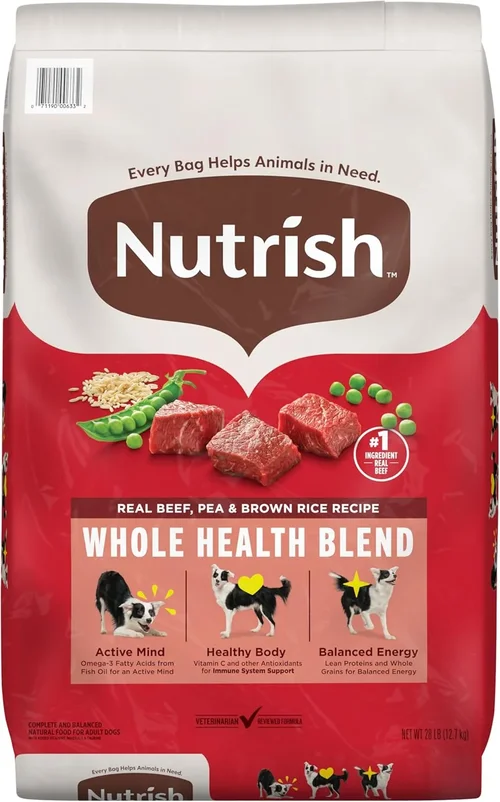
Entry-Level ($20–$40 per 15–20 lb bag): These foods are widely available at grocery and big-box stores. While convenient, they often contain fillers, by-products, and artificial additives. Suitable for healthy senior dogs with no special dietary needs, but not ideal for long-term health. Examples include Purina Dog Chow Senior and Pedigree Senior.
Mid-Range ($40–$70 per 15–20 lb bag): This is the sweet spot for most pet owners. Brands like Blue Buffalo Life Protection, Iams ProActive Health, and Nutro Ultra offer better ingredient quality, higher protein, and added functional nutrients. Many include glucosamine, omega-3s, and probiotics. Great for maintaining overall health in moderately active senior dogs.
Premium ($70–$120 per 15–20 lb bag or $80–$150/month for delivery): These foods use high-quality, often human-grade ingredients and are formulated with veterinary input. Examples include Hill’s Science Diet, Royal Canin, and fresh delivery services like The Farmer’s Dog. Ideal for dogs with health concerns, picky eaters, or owners who prioritize nutrition and convenience.
Luxury ($120+/month or $150+ per bag): Top-tier options like JustFoodForDogs, Nom Nom, and freeze-dried raw brands offer restaurant-quality meals with full ingredient traceability and customization. Best for dogs with complex health issues or owners willing to invest in optimal nutrition. Often used in conjunction with veterinary care.

Expert Tips for Getting the Best Deal
- Subscribe and Save: Most delivery services offer discounts (10–20%) for recurring orders. Set up a monthly subscription to lock in lower prices and never run out.
- Watch for Seasonal Sales: Brands often run promotions around holidays like Black Friday, National Pet Day, or back-to-school season. Stock up during these times.
- Compare Unit Prices: Use online tools or apps to compare cost per pound or per meal across brands and retailers. Don’t be fooled by “value-sized” bags that aren’t actually economical.
- Check Return Policies: If your dog doesn’t like the food or has a reaction, you should be able to return it. Reputable brands and delivery services often offer money-back guarantees.
- Ask Your Vet for Samples: Many premium brands provide free samples to veterinarians. Ask if your clinic has any to try before committing.
- Read Real Reviews: Look beyond star ratings. Read detailed customer reviews on sites like Chewy, Amazon, or the brand’s website to learn about palatability, packaging, and customer service.
- Consider a Trial Period: Start with a small bag or a one-month delivery plan to test how your dog responds. Monitor energy, coat condition, stool quality, and appetite.
- Combine with Supplements Wisely: While some senior foods include added supplements, avoid doubling up unless advised by your vet. Excess glucosamine or omega-3s can cause imbalances.

Frequently Asked Questions
Q: When should I switch my dog to senior food?
A: Most dogs can transition to senior food between 7 and 10 years of age, depending on breed and size. Small breeds age slower and may not need senior food until 10, while large breeds (over 50 lbs) may benefit from switching as early as 6. Consult your vet for personalized advice.
Q: Can I feed senior food to a younger dog?
A: It’s not recommended. Senior formulas are lower in calories and fat, which may not meet the energy needs of active adult dogs. Feeding senior food long-term to a younger dog could lead to nutrient deficiencies.
Q: Is fresh food better than kibble for senior dogs?
A: Fresh food often has higher moisture content, better digestibility, and fewer preservatives, which can benefit senior dogs with sensitive systems. However, high-quality kibble is more convenient and cost-effective. The best choice depends on your dog’s health, budget, and lifestyle.
Q: How often should I feed my senior dog?
A: Most senior dogs do well with two smaller meals per day to aid digestion and prevent bloating. Avoid free-feeding, as it can lead to overeating and weight gain.
Q: What if my senior dog is a picky eater?
A: Try warming the food slightly, adding low-sodium broth, or mixing in a small amount of wet food. Rotate flavors within the same brand to maintain nutritional balance while keeping meals interesting.
Q: Can senior dog food help with bad breath?
A: Some senior foods include ingredients like parsley or chlorophyll to freshen breath, but persistent bad breath may indicate dental disease or kidney issues. Regular dental care is essential.
Q: Are grain-free diets better for senior dogs?
A: Not necessarily. Unless your dog has a diagnosed grain allergy, whole grains like brown rice or oats provide beneficial fiber and energy. The FDA has raised concerns about grain-free diets and heart disease, so consult your vet before switching.
Q: How do I know if the food is working?
A: Look for improvements in energy levels, coat condition, stool quality, mobility, and appetite. Regular vet check-ups can also track changes in weight, bloodwork, and overall health.
Our Final Recommendations
Best for Budget-Conscious Buyers: Blue Buffalo Life Protection Formula Senior – Offers high-quality ingredients, added glucosamine, and omega-3s at a mid-range price. Widely available and vet-recommended.
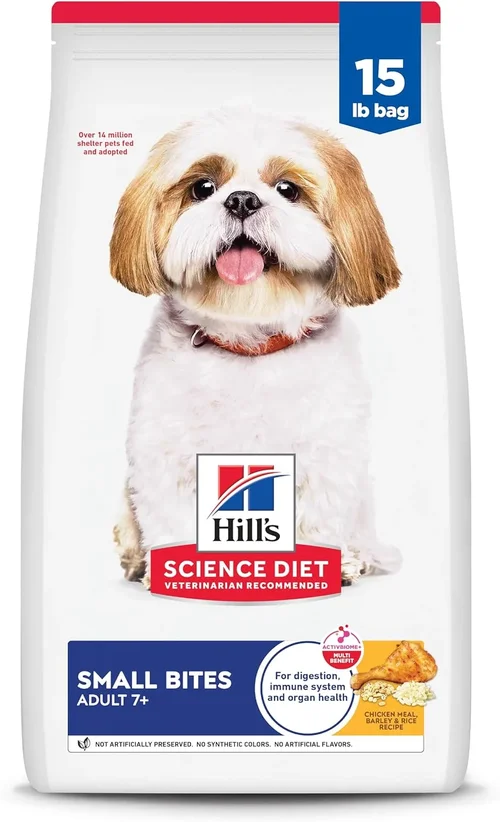
Best Overall Value: Hill’s Science Diet Adult 7+ – Clinically proven to support aging organs, with balanced nutrition and excellent palatability. Trusted by veterinarians for decades.
Best Premium Option: The Farmer’s Dog – Fresh, human-grade meals delivered to your door with customizable plans. Ideal for dogs with sensitivities or owners who want the best nutrition.
Best for Beginners: Purina Pro Plan Bright Mind Adult 7+ – Specifically formulated to support cognitive function with enhanced DHA and antioxidants. Easy to find and transition to.
Best for Advanced Users: Nom Nom Fresh Dog Food – Vet-formulated, portion-controlled meals with full ingredient transparency. Offers recipes for joint, kidney, and weight management.
Conclusion: Making the Right Choice
Choosing the right senior dog food is one of the most impactful decisions you can make for your aging companion. It’s not just about feeding them—it’s about supporting their health, comfort, and happiness in their later years. By focusing on high-quality ingredients, appropriate nutrition, and delivery convenience, you can help your dog maintain mobility, mental sharpness, and a strong immune system well into their golden years.
Remember, every dog is unique. What works for one senior pup may not suit another. Take the time to assess your dog’s individual needs, consult your veterinarian, and don’t be afraid to experiment—within reason—to find the perfect match. Whether you choose a trusted kibble brand or a cutting-edge delivery service, the goal is the same: to give your dog the best possible quality of life.
Use this guide as your roadmap. Prioritize transparency, nutrition, and convenience. Avoid common pitfalls, stay within your budget, and always keep your dog’s well-being at the center of your decision. With the right food, your senior dog can continue to thrive, enjoy their favorite activities, and share many more joyful moments by your side.