
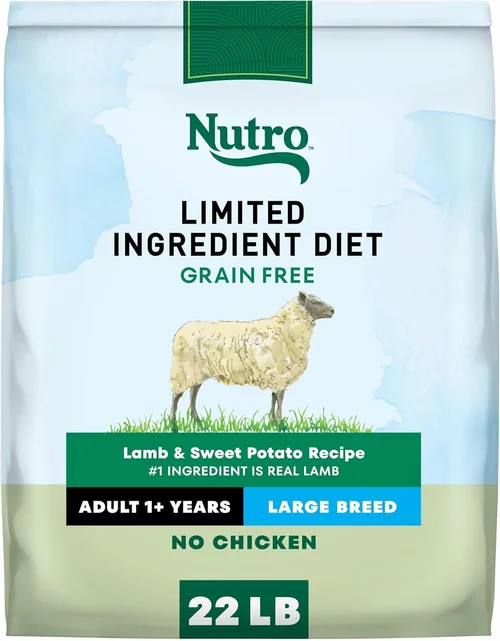
When it comes to caring for large breed dogs—whether it’s a gentle giant like a Great Dane, a loyal Labrador Retriever, or a powerful German Shepherd—nutrition plays a pivotal role in their overall health, longevity, and quality of life. Unlike smaller breeds, large dogs have unique physiological needs that directly impact their growth, joint health, metabolism, and susceptibility to certain conditions like hip dysplasia, obesity, and bloat. Choosing the right diet isn’t just about filling their bowl; it’s about supporting their skeletal development, maintaining lean muscle mass, and preventing chronic diseases that can shorten their lives. With the pet food market flooded with options—many of which make bold claims but lack scientific backing—it’s easy for even the most dedicated pet parents to feel overwhelmed.
This comprehensive guide is designed to cut through the noise and deliver expert-level insights into selecting the best diet dog food for large dogs in 2026. Whether you’re raising a puppy destined to weigh over 50 pounds or caring for a senior mastiff with sensitive digestion, you’ll learn exactly what to look for, what to avoid, and how to make informed decisions based on your dog’s age, activity level, and health status. We’ll explore key nutritional factors, compare different food types, highlight common pitfalls, and provide actionable tips to help you choose a diet that supports your dog’s long-term well-being. By the end of this guide, you’ll have the confidence and knowledge to select a high-quality, species-appropriate diet that keeps your large dog thriving at every stage of life.
The market for large breed dog food has evolved significantly in recent years, driven by increased awareness of canine nutrition, advances in veterinary science, and growing demand for transparency from pet food manufacturers. Today’s top brands don’t just meet basic AAFCO standards—they exceed them, incorporating research-backed ingredients, controlled calcium-to-phosphorus ratios, and functional additives like glucosamine, omega-3 fatty acids, and probiotics. However, not all “large breed” formulas are created equal. Some are little more than marketing gimmicks, while others are scientifically formulated to address the specific metabolic and structural challenges faced by bigger dogs. This guide will help you distinguish between marketing hype and genuine nutritional value, ensuring your dog gets the balanced, digestible, and sustainable diet they deserve.
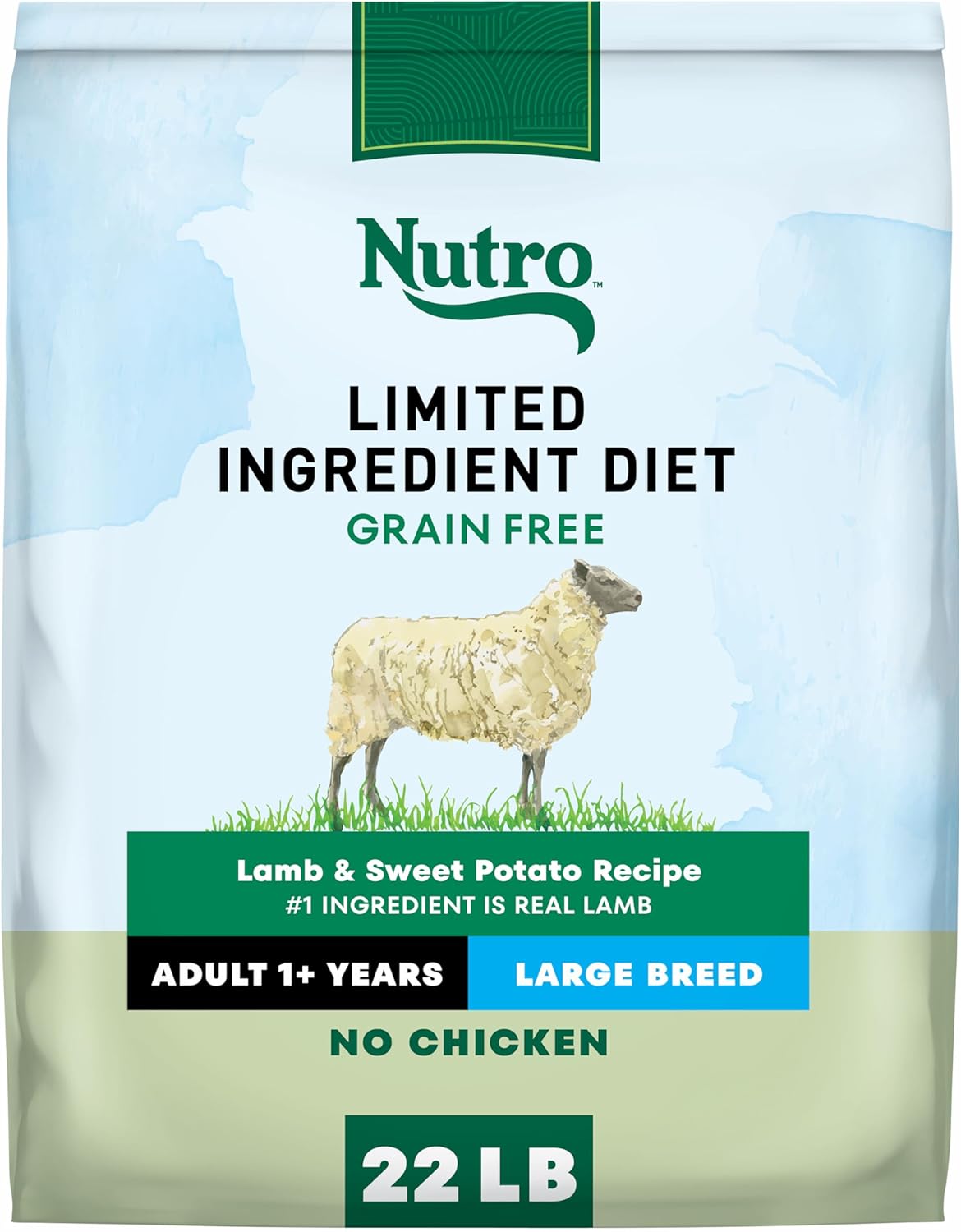
What to Look for When Buying Buying Guide
1. Protein Quality and Quantity
Protein is the cornerstone of any healthy dog diet, but for large breeds, the source and concentration matter more than ever. Large dogs require high-quality, highly digestible animal protein to support muscle maintenance, immune function, and tissue repair—especially during rapid growth phases in puppies and active adulthood. Look for named meat sources as the first ingredient, such as “deboned chicken,” “lamb meal,” or “salmon,” rather than vague terms like “meat by-products” or “animal digest.” The ideal protein content for large breed adults typically ranges from 22% to 26% on a dry matter basis, while puppies may benefit from slightly higher levels (up to 28%) to support controlled growth without excessive weight gain.
Avoid diets that rely heavily on plant-based proteins like corn gluten meal or soybean meal as primary protein sources—these are less bioavailable and can contribute to inflammation or digestive upset. Instead, prioritize foods where real meat or meat meals constitute the majority of the protein profile. Additionally, consider the amino acid profile: large dogs benefit from adequate levels of taurine, L-carnitine, and branched-chain amino acids, which support heart health and metabolic efficiency. If your dog has food sensitivities, novel proteins like duck, venison, or hydrolyzed salmon may be worth exploring under veterinary guidance.
2. Controlled Caloric Density and Fat Content
Large dogs are prone to obesity due to their slower metabolic rates and tendency toward sedentary behavior, especially as they age. Excess weight places undue stress on joints, increases the risk of diabetes, and can exacerbate conditions like arthritis. Therefore, managing caloric intake is critical. Look for diets specifically formulated for large breeds that offer moderate fat levels—typically between 10% and 14% on a dry matter basis—to provide energy without promoting weight gain. High-fat diets (over 16%) may be appropriate for highly active working dogs but are generally unsuitable for indoor or senior large breeds.
Caloric density should also be considered: some premium large breed formulas are designed to be nutrient-dense yet lower in calories per cup, allowing you to feed satisfying portions without overfeeding. Check the feeding guidelines on the packaging and adjust based on your dog’s body condition score (BCS). A BCS of 4–5 out of 9 is ideal—you should be able to feel (but not see) your dog’s ribs, and they should have a visible waist when viewed from above. Avoid foods with excessive fillers like corn, wheat, or rice, which can spike calories without adding nutritional value.
3. Joint Support Ingredients
Joint health is one of the most pressing concerns for large breed dogs. Conditions like hip dysplasia, elbow dysplasia, and osteoarthritis are common and can significantly impact mobility and comfort. The right diet can help mitigate these risks through targeted supplementation. Look for formulas that include glucosamine and chondroitin sulfate—compounds naturally found in cartilage that support joint integrity and reduce inflammation. Many premium brands now add these directly to their recipes, often sourced from chicken cartilage or green-lipped mussel extract.
Omega-3 fatty acids, particularly EPA and DHA from fish oil, are another essential component for joint and coat health. These anti-inflammatory fats help reduce stiffness and improve range of motion, especially in aging dogs. Aim for a minimum of 0.5% omega-3s in the diet, with a balanced omega-6 to omega-3 ratio (ideally between 5:1 and 10:1). Some advanced formulas also include MSM (methylsulfonylmethane) or hyaluronic acid for additional joint lubrication. If your dog shows early signs of stiffness or reluctance to climb stairs, consider discussing joint supplements with your vet—but starting with a diet rich in these nutrients is a proactive first step.
4. Calcium-to-Phosphorus Ratio
This is perhaps the most overlooked yet critical factor in large breed nutrition, especially for puppies. Rapid bone growth in large and giant breeds must be carefully managed to prevent developmental orthopedic diseases (DOD). Excessive calcium intake—common in diets not specifically designed for large breeds—can lead to abnormal bone formation, joint deformities, and lifelong mobility issues. The ideal calcium-to-phosphorus ratio for large breed puppies is between 1.1:1 and 1.4:1, with total calcium levels not exceeding 1.8% on a dry matter basis.
Adult large breeds still benefit from balanced mineral levels, though their requirements are slightly more flexible. Avoid “all-life-stages” foods for large breed puppies, as these often contain higher calcium levels suited for small breeds with faster metabolisms. Instead, opt for formulas labeled “for large breed puppies” or “growth” that adhere to AAFCO’s guidelines for large breed growth. Always check the guaranteed analysis on the label and, if in doubt, consult your veterinarian or a veterinary nutritionist. Proper mineral balance ensures strong, healthy bones without the risk of over-mineralization.
5. Digestibility and Gut Health
Large dogs often have sensitive digestive systems, and poor-quality ingredients can lead to gas, bloating, diarrhea, or even life-threatening conditions like gastric dilatation-volvulus (GDV), commonly known as bloat. Digestibility refers to how well your dog can break down and absorb nutrients from their food—higher digestibility means less waste, better stool quality, and improved nutrient uptake. Look for diets with highly digestible proteins and carbohydrates, such as chicken, turkey, lamb, sweet potatoes, and peas.
Probiotics and prebiotics are increasingly common in premium large breed formulas and play a vital role in maintaining a healthy gut microbiome. Ingredients like dried chicory root, beet pulp, and specific strains of Bacillus coagulans or Lactobacillus can support digestion, enhance immune function, and reduce inflammation. Fiber content should be moderate—around 3% to 5%—to promote regular bowel movements without causing loose stools. Avoid artificial colors, flavors, and preservatives like BHA, BHT, and ethoxyquin, which have been linked to digestive irritation and long-term health concerns.
6. Life Stage and Activity Level Appropriateness
Not all large breed dogs have the same nutritional needs. A 6-month-old Great Dane puppy requires a vastly different diet than a 7-year-old, moderately active Saint Bernard. Feeding the wrong life stage formula can lead to developmental problems, obesity, or nutrient deficiencies. Puppies need higher protein and fat for growth, but with controlled calories and minerals to prevent rapid weight gain. Adults benefit from maintenance formulas that support lean muscle and joint health, while seniors often require lower-calorie, higher-fiber diets with added joint and cognitive support.
Activity level also plays a role. Working dogs, agility competitors, or search-and-rescue canines may need higher-fat, higher-calorie diets to sustain energy, while couch potatoes thrive on lower-calorie, high-fiber options. Some brands offer “performance,” “light,” or “senior” variants within their large breed lines—take advantage of these tailored options. Always reassess your dog’s diet as they age or their lifestyle changes, and don’t hesitate to consult your vet for personalized recommendations.
7. Brand Transparency and Ingredient Sourcing
In an industry where “natural” and “premium” are loosely regulated terms, transparency is a hallmark of trustworthy brands. Reputable manufacturers disclose not only their ingredient list but also their sourcing practices, manufacturing locations, and quality control measures. Look for companies that perform regular third-party testing, publish nutritional adequacy statements, and are willing to answer questions about their formulations.
Avoid brands that use vague terms like “meat meal” without specifying the animal source, or those that list multiple grains or by-products near the top of the ingredient list. Instead, choose brands that prioritize human-grade or ethically sourced ingredients, avoid artificial additives, and have a history of safety and innovation. Reading customer reviews and checking for recalls can also provide insight into a brand’s reliability. Remember: a higher price doesn’t always mean better quality, but a lack of transparency is often a red flag.
8. Palatability and Feeding Transition
Even the most nutritionally complete diet is useless if your dog won’t eat it. Palatability—how appealing the food smells and tastes to your dog—is influenced by fat content, protein source, and kibble texture. Large breed dogs often prefer larger kibble sizes that encourage chewing, which can help reduce the risk of bloat by slowing eating speed. Some brands offer “slow-feeder” kibble designs or recommend using puzzle feeders to promote mindful eating.
When switching diets, always transition gradually over 7–10 days, mixing increasing amounts of the new food with the old to avoid digestive upset. Sudden changes can lead to vomiting, diarrhea, or refusal to eat. If your dog is a picky eater, consider rotating between two high-quality brands or incorporating small amounts of wet food or bone broth to enhance flavor. However, avoid frequent diet changes unless medically necessary, as consistency supports gut health and nutrient absorption.
Different Types of Buying Guide

Common Buying Mistakes to Avoid

❌ Mistake: Choosing “All-Life-Stages” Food for Large Breed Puppies
Why it’s bad: All-life-stages formulas are often too high in calcium and calories for large breed puppies, increasing the risk of skeletal abnormalities and obesity. Rapid growth caused by excess nutrients can lead to irreversible joint damage.
What to do instead: Always select a diet specifically labeled “for large breed puppies” or “growth” that meets AAFCO’s guidelines for large breed development. These formulas have controlled mineral levels and balanced energy to support steady, healthy growth.
❌ Mistake: Overfeeding Based on Package Guidelines
Why it’s bad: Feeding charts are estimates based on average dogs. Overfeeding—even with high-quality food—can lead to obesity, joint stress, and reduced lifespan. Many owners unintentionally overfeed by 20–30%.
What to do instead: Use the feeding guidelines as a starting point, then adjust based on your dog’s body condition score. Weigh your dog monthly and monitor waist definition. When in doubt, consult your vet for a personalized feeding plan.
❌ Mistake: Ignoring Ingredient Quality for Price
Why it’s bad: Cheap dog foods often contain fillers, by-products, and artificial additives that offer little nutritional value and may harm long-term health. Saving money upfront can lead to higher veterinary costs later.
What to do instead: Invest in a mid-to-high-tier brand that prioritizes whole ingredients and transparency. Look for AAFCO statements, named protein sources, and minimal processing. A slightly higher cost per pound often translates to better health and fewer medical issues.
❌ Mistake: Switching Diets Too Frequently
Why it’s bad: Frequent diet changes can disrupt gut flora, leading to diarrhea, gas, and food sensitivities. Dogs thrive on consistency, and constant switching makes it hard to identify food-related health issues.
What to do instead: Stick to one high-quality diet unless medically necessary. If you must switch, do so gradually over 7–10 days. Keep a food journal to track your dog’s response to different ingredients.
❌ Mistake: Neglecting Hydration
Why it’s bad: Large dogs, especially those on dry kibble, are prone to dehydration, which can contribute to kidney stones, urinary tract infections, and bloat. Water intake is often overlooked in diet planning.
What to do instead: Always provide fresh, clean water and consider adding wet food, bone broth, or water to kibble to increase moisture intake. Monitor water consumption—especially in hot weather or after exercise.
❌ Mistake: Assuming All “Natural” or “Grain-Free” Foods Are Better
Why it’s bad: The FDA has linked certain grain-free diets high in legumes (like peas and lentils) to dilated cardiomyopathy (DCM) in dogs. “Natural” is not a regulated term and doesn’t guarantee safety or quality.
What to do instead: Focus on complete nutrition rather than marketing buzzwords. Choose diets with whole grains (like oats or barley) if your dog tolerates them, and avoid excessive legumes unless prescribed by a vet.
❌ Mistake: Not Consulting a Veterinarian for Health Concerns
Why it’s bad: Self-diagnosing or treating conditions like arthritis, allergies, or obesity with over-the-counter diets can delay proper treatment and worsen outcomes.
What to do instead: Always involve your vet when making significant dietary changes, especially for puppies, seniors, or dogs with chronic conditions. They can recommend prescription diets or supplements tailored to your dog’s needs.
Budget Guidelines: How Much Should You Spend?
– Entry-Level ($1.50–$2.50 per pound): These diets often meet basic AAFCO standards but may rely on lower-quality proteins, fillers, and artificial preservatives. While suitable for short-term use or budget constraints, they may not support optimal health in large breeds long-term. Look for brands like Purina ONE Large Breed or Iams ProActive Health, which offer decent formulations at an affordable price.
– Mid-Range ($2.50–$4.00 per pound): This is the sweet spot for most large dog owners. Brands like Royal Canin Large Breed, Hill’s Science Diet Large Breed, and Nutro Ultra offer scientifically formulated diets with high-quality ingredients, joint support, and life-stage specificity. These diets balance cost and nutrition effectively.
– Premium ($4.00–$6.50 per pound): Ideal for owners prioritizing ingredient quality and health outcomes. Brands such as Orijen, Acana, Wellness CORE Large Breed, and Taste of the Wild High Prairie provide biologically appropriate recipes with named meats, probiotics, and functional additives. These diets often have higher protein and lower carbohydrate content.
– Luxury ($6.50+ per pound): Reserved for fresh, raw, or custom-formulated diets from companies like The Farmer’s Dog, Nom Nom, or Open Farm. These options offer human-grade ingredients, personalized nutrition, and minimal processing. Best for dogs with sensitivities or owners seeking the highest standard of care.

Expert Tips for Getting the Best Deal
– Buy in bulk during seasonal sales: Major retailers like Chewy, Petco, and Amazon often offer 20–30% off during Black Friday, Prime Day, or end-of-season clearances. Stock up on 3–6 months’ worth to maximize savings.
– Subscribe and save: Most online pet stores offer 5–15% discounts for auto-shipping. This ensures you never run out and locks in a lower price.
– Compare unit prices: Don’t just look at the total cost—check the price per pound or per cup. A larger bag may seem expensive but offer better value.
– Check for rebates and loyalty programs: Brands like Royal Canin and Hill’s offer mail-in rebates or points-based rewards for repeat purchases.
– Read return policies: Ensure the retailer allows returns if your dog doesn’t like the food. Some stores offer free samples or trial sizes.
– Test before committing: Buy a small bag first to assess palatability, stool quality, and energy levels. A 4–6 lb bag is usually sufficient for a two-week trial.
– Consult your vet for discounts: Many veterinary clinics carry prescription or therapeutic diets at competitive prices and may offer loyalty discounts.
– Avoid impulse buys based on packaging: Flashy labels and celebrity endorsements don’t guarantee quality. Focus on ingredient lists and nutritional adequacy statements.

Frequently Asked Questions
Q: Can I feed my large breed puppy adult dog food?
A: No. Adult dog food lacks the higher protein, fat, and controlled mineral levels needed for proper growth. Feeding adult food to a large breed puppy can result in stunted development or skeletal issues. Always use a large breed puppy formula until at least 12–18 months of age, depending on the breed.
Q: How often should I feed my large breed dog?
A: Most large breed adults do well with two meals per day to reduce the risk of bloat. Puppies under 6 months may need three to four smaller meals. Avoid free-feeding, as it can lead to overeating and obesity.
Q: Is grain-free food better for large dogs?
A: Not necessarily. While some dogs benefit from grain-free diets due to allergies, most tolerate grains well. The FDA has raised concerns about grain-free diets high in legumes linked to heart disease. Choose based on your dog’s individual needs, not trends.
Q: Can I mix wet and dry food?
A: Yes! Combining wet and dry food can increase palatability, hydration, and nutrient variety. Just adjust portions to avoid overfeeding—wet food is more calorie-dense per volume.
Q: How do I know if my dog is overweight?
A: Use the body condition score (BCS): you should be able to feel (not see) ribs, observe a waistline from above, and see an abdominal tuck from the side. If you can’t feel ribs or see a rounded abdomen, your dog may be overweight.
Q: Should I give my large dog joint supplements?
A: If your dog shows signs of stiffness, limping, or reluctance to move, consult your vet. Supplements like glucosamine, chondroitin, and omega-3s can help, but they work best when combined with a supportive diet and healthy weight.
Q: What’s the best way to transition to a new food?
A: Mix 25% new food with 75% old food for days 1–3, then 50/50 for days 4–6, then 75% new for days 7–9, and 100% new by day 10. Monitor for digestive upset and adjust speed if needed.
Q: Are raw diets safe for large dogs?
A: Raw diets can offer benefits but carry risks like bacterial contamination, nutritional imbalances, and choking hazards. If considering raw, consult a veterinary nutritionist to ensure the diet is complete and safe.
Q: How much should my large breed dog eat per day?
A: This varies by weight, age, and activity level. A 70-lb adult may need 3–4 cups daily, while a 100-lb dog may need 5–6 cups. Always follow feeding guidelines and adjust based on body condition.
Q: Can diet help with my dog’s shedding?
A: Yes. Diets rich in omega-3 and omega-6 fatty acids, biotin, and high-quality protein can improve coat health and reduce excessive shedding. Ensure your dog is also well-hydrated and groomed regularly.
Our Final Recommendations
– Best for Budget-Conscious Buyers: Purina Pro Plan Large Breed Adult – Offers excellent value with real chicken, joint support, and AAFCO-compliant nutrition at an affordable price.
– Best Overall Value: Royal Canin Large Breed Adult – Scientifically formulated with precise nutrient levels, large kibble to slow eating, and proven results in joint and digestive health.
– Best Premium Option: Orijen Original – High-protein, biologically appropriate recipe with 85% animal ingredients, ideal for active large breeds seeking optimal nutrition.
– Best for Beginners: Hill’s Science Diet Large Breed – Trusted by veterinarians, easy to find, and formulated for long-term health with clear feeding guidelines.
– Best for Advanced Users: The Farmer’s Dog – Fresh, human-grade, customized meals delivered to your door. Perfect for owners who want full control over ingredients and portioning.
Conclusion: Making the Right Choice
Choosing the right diet for your large breed dog is one of the most impactful decisions you’ll make as a pet parent. It’s not just about filling their bowl—it’s about investing in their mobility, longevity, and overall quality of life. From managing growth in puppies to supporting aging joints in seniors, nutrition plays a central role in every stage of your dog’s journey. By focusing on high-quality protein, balanced minerals, joint support, and digestive health, you can help your dog thrive well into their golden years.
Remember, no single diet is perfect for every dog. Your ideal choice will depend on your dog’s age, breed, activity level, and health status. Use this guide as a roadmap, but always tailor your decisions to your individual pet. When in doubt, consult your veterinarian or a certified veterinary nutritionist. And don’t forget to monitor your dog’s response—watch their energy, coat, stool, and mobility. These are the true indicators of whether a diet is working.
Ultimately, the best diet is one that your dog enjoys, digests well, and supports their long-term health. With the knowledge from this guide, you’re now equipped to make confident, informed choices that prioritize your dog’s well-being. Your large breed companion deserves nothing less than the best—start their journey to optimal health today.