

Pitbulls are more than just strong, muscular dogs—they’re loyal companions with high energy, intelligence, and a deep need for proper nutrition. As one of the most misunderstood breeds, Pitbulls often face misconceptions about their temperament, but when it comes to health and wellness, they deserve the same thoughtful care as any other dog. One of the most critical aspects of raising a healthy, happy Pitbull is feeding them the right diet. With so many dog food brands, formulas, and marketing claims flooding the market, choosing the best diet dog food for your Pitbull can feel overwhelming. That’s where this comprehensive buying guide comes in.
In this expert-level guide, we’ll walk you through everything you need to know to make an informed decision about your Pitbull’s nutrition in 2026. Whether you’re a first-time Pitbull owner or a seasoned enthusiast, you’ll learn how to evaluate ingredients, understand nutritional needs specific to the breed, avoid common pitfalls, and find a diet that supports your dog’s muscle development, coat health, energy levels, and long-term wellness. We’ll cover everything from budget considerations and ingredient quality to special dietary needs like weight management, allergies, and joint support. By the end of this guide, you’ll have the knowledge and confidence to choose a dog food that truly meets your Pitbull’s unique needs.
The dog food market has evolved significantly in recent years, with a growing emphasis on transparency, science-backed formulations, and breed-specific nutrition. In 2026, pet parents are more informed than ever, and companies are responding with higher-quality ingredients, cleaner labels, and innovative formulas tailored to different life stages, activity levels, and health conditions. For Pitbulls—who are prone to certain genetic predispositions like hip dysplasia, skin sensitivities, and obesity—choosing the right diet isn’t just about filling their bowl; it’s about investing in their vitality and longevity. This guide will help you navigate that decision with clarity and confidence.

What to Look for When Buying Diet Dog Food for Pitbulls
1. High-Quality Protein Sources
Protein is the cornerstone of any Pitbull’s diet. As a muscular, active breed, Pitbulls require a diet rich in animal-based proteins to support lean muscle mass, repair tissues, and maintain energy. Look for dog foods that list a named animal protein as the first ingredient—such as chicken, beef, lamb, or fish. Avoid vague terms like “meat meal” or “animal by-products,” which can indicate lower-quality or inconsistent sources. Ideally, the protein content should be between 25% and 30% for adult Pitbulls, with higher levels (up to 32%) recommended for puppies or highly active dogs. Real meat, not plant-based fillers like corn gluten meal or soy, should be the primary protein source.
2. Healthy Fats for Energy and Coat Health
Fats are essential for Pitbulls, providing concentrated energy and supporting healthy skin and a shiny coat. Omega-3 and Omega-6 fatty acids are particularly important—they reduce inflammation, support brain function, and improve skin conditions common in the breed. Look for sources like chicken fat, flaxseed, fish oil, or canola oil. Avoid artificial preservatives like BHA or BHT, which are sometimes used in fat-rich foods. The ideal fat content for adult Pitbulls is between 12% and 16%. Puppies and active dogs may benefit from slightly higher levels.
3. Limited, Digestible Carbohydrates
While Pitbulls don’t need a high-carb diet, they do benefit from moderate amounts of complex carbohydrates for sustained energy. However, many commercial dog foods overload on grains and starches, which can lead to weight gain and digestive issues. Opt for foods with easily digestible carbs like sweet potatoes, brown rice, oats, or peas. Avoid corn, wheat, and soy, which are common allergens and often used as cheap fillers. Grain-free options can be beneficial for dogs with sensitivities, but they’re not necessary for all Pitbulls—focus on digestibility and quality over trends.
4. Joint and Bone Support Ingredients
Pitbulls are predisposed to joint issues like hip and elbow dysplasia due to their size and muscular build. Diets rich in glucosamine, chondroitin, and MSM (methylsulfonylmethane) can help maintain cartilage health and reduce inflammation. Some premium formulas also include green-lipped mussel or turmeric for added joint support. These ingredients are especially important as your Pitbull ages or if they show signs of stiffness or reduced mobility. Look for foods that include these supplements naturally or as added functional ingredients.
5. Life Stage and Activity Level Appropriateness
Not all dog food is created equal—your Pitbull’s age, size, and activity level should dictate the type of food you choose. Puppies need higher protein and fat for growth, while senior dogs benefit from lower-calorie, joint-supportive formulas. Active or working Pitbulls require more calories and protein than sedentary ones. Choose a food labeled for your dog’s specific life stage: puppy, adult, or senior. Some brands offer “all life stages” formulas, but these may not meet the precise needs of growing puppies or aging dogs.
6. Ingredient Transparency and Sourcing
In 2026, ingredient transparency is no longer a luxury—it’s a necessity. Reputable brands clearly list where their ingredients come from, whether they’re human-grade, and if they’re sourced sustainably. Avoid companies that use vague language or hide behind proprietary blends. Look for brands that provide detailed sourcing information on their websites, including farm locations and processing methods. Transparency builds trust and ensures you’re feeding your Pitbull food that’s safe, ethical, and nutritious.
7. Avoidance of Artificial Additives
Artificial colors, flavors, and preservatives have no place in a healthy dog diet. These additives can trigger allergies, hyperactivity, or digestive upset in sensitive dogs like Pitbulls. Instead, choose foods preserved with natural alternatives like mixed tocopherols (vitamin E) or rosemary extract. Read the ingredient list carefully—avoid anything with “BHA,” “BHT,” “ethoxyquin,” or artificial dyes like Red 40 or Yellow 5. Clean labels with recognizable ingredients are always the best choice.
8. Brand Reputation and Customer Reviews
Not all dog food brands are created equal. Research the company’s history, manufacturing practices, and recall records. Brands with a long-standing reputation for quality and safety—such as Wellness, Blue Buffalo, or Orijen—are generally more reliable. Read verified customer reviews on trusted platforms like Chewy, Amazon, or Petco. Pay attention to feedback about palatability, digestive health, coat condition, and energy levels. Real-world experiences from other Pitbull owners can provide valuable insights.
Different Types of Diet Dog Food for Pitbulls
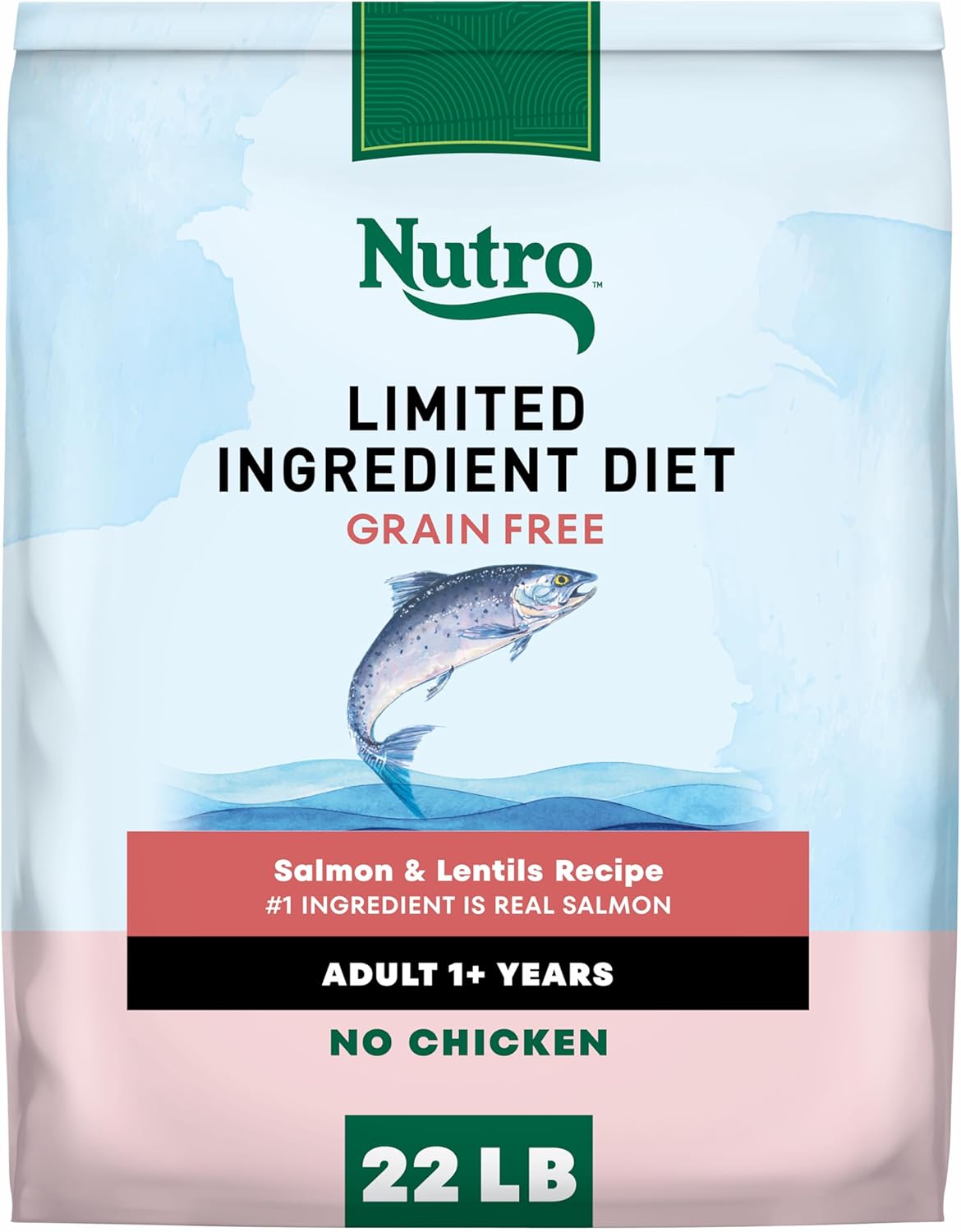
Common Buying Mistakes to Avoid

❌ Mistake: Choosing Based on Price Alone
Why it’s bad: Cheaper dog foods often use low-quality ingredients, fillers, and artificial additives that can harm your Pitbull’s health over time. While budget is important, the cheapest option isn’t always the best value when you consider long-term vet bills and reduced quality of life.
What to do instead: Focus on cost per pound and ingredient quality. A mid-range food with high-quality protein and healthy fats may cost more upfront but saves money in the long run by promoting better health.
❌ Mistake: Ignoring Life Stage Needs
Why it’s bad: Feeding a puppy formula to an adult Pitbull can lead to obesity, while senior dogs on high-calorie diets may gain excess weight. Each life stage has unique nutritional requirements.
What to do instead: Always select a food labeled for your dog’s specific life stage. If your Pitbull is highly active, look for performance or working dog formulas.
❌ Mistake: Overlooking Allergies and Sensitivities
Why it’s bad: Pitbulls are prone to skin allergies and food sensitivities. Feeding a diet with common allergens like chicken, beef, or grains can cause itching, ear infections, and digestive issues.
What to do instead: If your dog shows signs of allergies, consider a limited-ingredient diet or novel protein source like duck, rabbit, or venison. Consult your vet for allergy testing if symptoms persist.
❌ Mistake: Switching Foods Too Quickly
Why it’s bad: Sudden diet changes can upset your Pitbull’s digestive system, leading to diarrhea, vomiting, or refusal to eat.
What to do instead: Transition gradually over 7–10 days, mixing increasing amounts of the new food with the old. Monitor for any adverse reactions.
❌ Mistake: Relying Solely on Marketing Claims
Why it’s bad: Terms like “natural,” “premium,” or “holistic” are not regulated and can be misleading. A food labeled “grain-free” may still be high in potatoes or legumes, which can be problematic for some dogs.
What to do instead: Read the ingredient list and guaranteed analysis. Focus on what’s actually in the food, not the buzzwords on the bag.
❌ Mistake: Not Adjusting Portions Based on Activity
Why it’s bad: Overfeeding is a common issue in Pitbulls, leading to obesity, joint stress, and reduced lifespan. Even high-quality food can be harmful in excess.
What to do instead: Follow the feeding guidelines on the package, but adjust based on your dog’s weight, age, and activity level. Use a measuring cup—never free-feed.
❌ Mistake: Ignoring Hydration Needs
Why it’s bad: Dry kibble contains only 10% moisture, which can lead to dehydration, especially in active dogs or hot climates.
What to do instead: Always provide fresh water and consider adding wet food or bone broth to increase moisture intake. This supports kidney and urinary health.
Budget Guidelines: How Much Should You Spend?
– Entry-Level ($1.50–$2.50 per pound): These foods are widely available at big-box stores and supermarkets. While convenient, they often contain fillers like corn, wheat, and soy, and may use lower-quality protein sources. Suitable for short-term use or supplemental feeding, but not ideal for long-term health. Examples include Purina Dog Chow or Iams.
– Mid-Range ($2.50–$4.00 per pound): This is the sweet spot for most Pitbull owners. These foods offer better ingredient quality, higher protein content, and fewer artificial additives. Brands like Blue Buffalo Life Protection, Wellness Complete Health, and Nutro offer excellent options in this range. They balance affordability with nutrition, making them ideal for daily feeding.
– Premium ($4.00–$6.00 per pound): Premium foods use human-grade ingredients, novel proteins, and advanced formulations. They often include probiotics, joint support supplements, and superfoods like blueberries or kale. Brands like Orijen, Acana, and Taste of the Wild fall into this category. These are ideal for owners who want to invest in their dog’s long-term health and performance.
– Luxury ($6.00+ per pound): At the top tier are fresh, raw, or custom-formulated diets. Companies like The Farmer’s Dog, Nom Nom, or Open Farm offer personalized nutrition plans based on your dog’s age, weight, and activity level. These diets are minimally processed, highly digestible, and often delivered to your door. While expensive, they offer the highest level of nutritional precision and are ideal for dogs with complex health needs or owners seeking the absolute best.
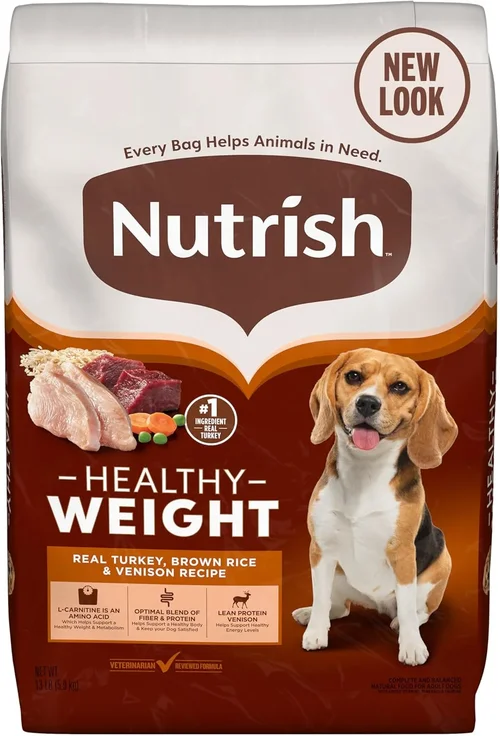
Expert Tips for Getting the Best Deal
– Buy in Bulk During Sales: Stock up on dog food during seasonal promotions like Black Friday, Prime Day, or end-of-year clearance events. Many online retailers offer 20–30% off large bags.
– Subscribe and Save: Use subscription services from Chewy, Amazon, or the brand’s website. You’ll often get 5–15% off every order and free shipping, plus the convenience of automatic delivery.
– Compare Unit Prices: Don’t just look at the total price—compare cost per pound or per serving. A larger bag may seem expensive but could be cheaper per unit than smaller sizes.
– Check for Coupons and Rebates: Sign up for brand newsletters, loyalty programs, or cashback apps like Rakuten. Many companies offer first-time buyer discounts or referral bonuses.
– Read Return Policies: If your Pitbull doesn’t like the food or has a reaction, you’ll want to return it. Choose retailers with flexible return policies, especially for unopened bags.
– Test Before Committing: Buy a small bag or sample pack first. Observe your dog’s digestion, coat condition, energy levels, and stool quality over 2–3 weeks before switching fully.
– Consider Local Pet Stores: Independent pet shops often carry premium brands and may offer personalized advice. Some even provide free samples or loyalty rewards.
– Watch for Recalls: Stay informed about product recalls by signing up for alerts from the FDA or PetFoodRecall.org. A great deal isn’t worth it if the food is unsafe.

Frequently Asked Questions
Q: Can Pitbulls eat grain-free dog food?
A: Yes, but only if they have a diagnosed grain allergy or sensitivity. Grain-free diets are not inherently healthier and may be linked to certain heart conditions (DCM) when they rely heavily on legumes like peas or lentils. Always consult your vet before making the switch.
Q: How much should I feed my Pitbull?
A: Feeding amounts vary by weight, age, and activity level. As a general rule, adult Pitbulls need about 1.5 to 2.5 cups of high-quality dry food per day, divided into two meals. Always follow the guidelines on the package and adjust based on your dog’s body condition.
Q: Is raw food safe for Pitbulls?
A: Raw diets can be safe if properly balanced and handled. However, they carry risks of bacterial contamination (like Salmonella) and nutritional imbalances if not formulated correctly. Consult a veterinary nutritionist before starting a raw diet.
Q: Can I mix wet and dry food?
A: Absolutely! Many owners mix wet food with kibble to increase palatability and moisture intake. Just adjust the total daily amount to avoid overfeeding.
Q: How often should I change my Pitbull’s food?
A: There’s no need to change food frequently unless your dog has allergies or health issues. Consistency is key—stick with a high-quality diet unless advised otherwise by your vet.
Q: What are signs my Pitbull isn’t tolerating their food well?
A: Watch for symptoms like diarrhea, vomiting, excessive gas, itchy skin, ear infections, or low energy. These could indicate a food intolerance or allergy.
Q: Are homemade diets a good option?
A: Homemade diets can be nutritious but require careful planning to ensure balanced nutrition. Work with a veterinary nutritionist to create a recipe that meets your Pitbull’s needs.
Q: Should I feed my Pitbull supplements?
A: Only if recommended by your vet. Many high-quality dog foods already include essential vitamins and minerals. Over-supplementing can cause imbalances.
Q: How do I know if my Pitbull is overweight?
A: You should be able to feel your dog’s ribs without seeing them, and they should have a visible waist when viewed from above. If you can’t feel the ribs or the waist is absent, your dog may be overweight.
Q: Can puppies eat adult dog food?
A: No. Puppies need higher levels of protein, fat, and calories for growth. Feeding adult food can stunt development and lead to nutritional deficiencies.
Our Final Recommendations
– Best for Budget-Conscious Buyers: Blue Buffalo Life Protection Formula Adult Chicken & Brown Rice – Offers high-quality protein, real meat as the first ingredient, and essential nutrients at an affordable price. Great for daily feeding without breaking the bank.
– Best Overall Value: Wellness Complete Health Adult Deboned Chicken & Oatmeal – Balances premium ingredients with reasonable pricing. Includes probiotics, antioxidants, and joint support—ideal for active Pitbulls.
– Best Premium Option: Orijen Original Grain-Free Dry Dog Food – Features 85% animal ingredients, including fresh regional meats. High protein, low carb, and biologically appropriate—perfect for performance and health.
– Best for Beginners: Purina Pro Plan Sport 30/20 – Specifically formulated for active dogs, this food supports muscle maintenance and energy. Easy to find and vet-recommended.
– Best for Advanced Users: The Farmer’s Dog Fresh Beef Recipe – Customized, human-grade meals delivered fresh. Ideal for owners who want personalized, minimally processed nutrition with full transparency.
Conclusion: Making the Right Choice
Choosing the best diet dog food for your Pitbull is one of the most important decisions you’ll make as a pet parent. It’s not just about filling their bowl—it’s about fueling their strength, supporting their health, and enhancing their quality of life. Throughout this guide, we’ve covered the essential factors to consider: from high-quality protein and healthy fats to ingredient transparency, life stage appropriateness, and budget considerations. We’ve also highlighted common mistakes to avoid and provided expert tips to help you get the best value for your money.
Remember, every Pitbull is unique. What works for one dog may not work for another. Pay attention to your dog’s individual needs—whether they’re a growing puppy, a senior with joint issues, or an active athlete. Monitor their weight, coat, energy levels, and digestion, and don’t hesitate to consult your veterinarian if you’re unsure. The right diet can make a world of difference in your Pitbull’s vitality, longevity, and happiness.
As you navigate the crowded dog food market in 2026, let this guide be your trusted companion. Prioritize quality over trends, transparency over marketing, and your dog’s well-being over convenience. With the knowledge and tools provided here, you’re now equipped to make a confident, informed choice that supports your Pitbull’s health for years to come. Your loyal, muscular, and loving companion deserves nothing less.