
As your beloved dog enters their golden years, their nutritional needs shift in ways that can significantly impact their health, energy levels, and overall quality of life. Senior dogs—typically defined as those over seven years old, though this varies by breed size—experience slower metabolisms, reduced activity levels, joint stiffness, and increased susceptibility to chronic conditions like kidney disease, heart issues, and obesity. Feeding them the right diet isn’t just about keeping them full; it’s about supporting their aging bodies with targeted nutrition that promotes longevity, mobility, and vitality. Unfortunately, the pet food market is flooded with options, many of which are marketed with buzzwords like “senior,” “premium,” or “holistic” without delivering on real nutritional value. This guide cuts through the noise to help you make an informed, science-backed decision.
In this comprehensive buying guide, you’ll learn exactly what to look for when choosing the best diet dog food for senior dogs in 2026. We’ll break down the critical nutritional components, ingredient quality, and formulation strategies that truly benefit aging canines. You’ll discover how to interpret labels, avoid misleading marketing claims, and match your dog’s specific health needs—whether they’re dealing with weight gain, arthritis, dental issues, or declining organ function—to the right food. We’ll also compare different types of senior dog diets, highlight common purchasing mistakes, provide budget-friendly recommendations, and share expert tips to help you get the most value for your money. By the end, you’ll have the confidence to choose a diet that supports your senior dog’s health at every stage.
The senior dog food market has evolved dramatically in recent years, driven by advances in veterinary nutrition and growing awareness among pet owners. Today’s best senior diets go beyond simply reducing calories—they incorporate functional ingredients like glucosamine for joint support, omega-3 fatty acids for brain and coat health, fiber for digestive wellness, and antioxidants to boost immunity. Brands now offer breed-specific formulations, weight management blends, and even prescription-grade options for dogs with medical conditions. However, with so many choices—from grain-free kibble to fresh-cooked meals and freeze-dried raw diets—it’s easy to feel overwhelmed. This guide simplifies the process by focusing on evidence-based criteria, real-world performance, and long-term health outcomes, ensuring your senior dog gets the nutrition they deserve.

What to Look for When Buying Senior Dog Food
1. High-Quality Protein Sources
Protein is the cornerstone of a senior dog’s diet, but not all proteins are created equal. As dogs age, their ability to digest and utilize protein can decline, making it essential to choose foods with highly digestible, animal-based proteins. Look for named sources like “chicken meal,” “deboned salmon,” or “turkey” listed as the first ingredient—avoid vague terms like “meat meal” or “animal by-products.” Senior dogs need adequate protein to maintain muscle mass, which naturally diminishes with age (a condition known as sarcopenia). However, protein levels should be balanced; too much can strain compromised kidneys, while too little leads to muscle wasting. Aim for a minimum of 18–25% crude protein on a dry matter basis, depending on your dog’s health status. For dogs with kidney disease, consult your vet about lower-protein options, but never feed a low-protein diet without professional guidance—muscle loss is a greater risk than protein overload in most cases.
2. Controlled Calorie Content
Senior dogs are prone to weight gain due to reduced activity and slower metabolisms. Obesity exacerbates joint problems, diabetes, and heart disease, so calorie control is crucial. Look for senior formulas that offer moderate to reduced calorie density—typically between 300–380 kcal per cup for dry food. However, don’t sacrifice nutrition for low calories. The best senior diets achieve this balance by using nutrient-dense ingredients and avoiding fillers like corn, wheat, and soy. Some brands include L-carnitine, a compound that helps convert fat into energy and supports lean muscle maintenance. If your dog is underweight or highly active, you may need a higher-calorie senior formula, so always consider individual needs over generic “low-cal” claims.
3. Joint Support Ingredients
Arthritis and joint stiffness are among the most common issues in senior dogs. The right diet can help manage inflammation and support cartilage health. Key ingredients to look for include glucosamine and chondroitin, which are naturally occurring compounds that help rebuild cartilage and reduce pain. Many premium senior foods include these as standard. Additionally, omega-3 fatty acids—especially EPA and DHA from fish oil—have potent anti-inflammatory effects. Aim for a food with at least 0.5% omega-3s on a dry matter basis. Some brands also add green-lipped mussel extract or turmeric, which have shown promise in clinical studies for joint health. If your dog is already on joint supplements, check for overlap to avoid over-supplementation.
4. Digestive Health and Fiber
Aging dogs often experience slower digestion, constipation, or sensitive stomachs. A diet with the right balance of fiber can promote regular bowel movements and support gut health. Look for soluble and insoluble fibers like beet pulp, pumpkin, psyllium husk, or chicory root. These ingredients feed beneficial gut bacteria and improve stool quality. Prebiotics (such as FOS and MOS) and probiotics (live beneficial bacteria) are increasingly common in senior formulas and can enhance nutrient absorption and immune function. Avoid excessive fiber, which can interfere with mineral absorption, and ensure the food doesn’t rely on low-quality fillers like cellulose or peanut hulls.
5. Antioxidants and Immune Support
As dogs age, their immune systems weaken, making them more vulnerable to infections and chronic diseases. Antioxidants like vitamins E and C, beta-carotene, and selenium help neutralize free radicals and support cellular health. Many senior diets include antioxidant blends with ingredients like blueberries, spinach, cranberries, and tomatoes. These not only boost immunity but also support cognitive function. Some studies suggest that antioxidant-rich diets may slow the progression of canine cognitive dysfunction syndrome (similar to Alzheimer’s in humans). Look for foods that list these ingredients prominently and avoid those with artificial preservatives like BHA, BHT, or ethoxyquin, which may have negative health effects.
6. Kidney and Heart Health Considerations
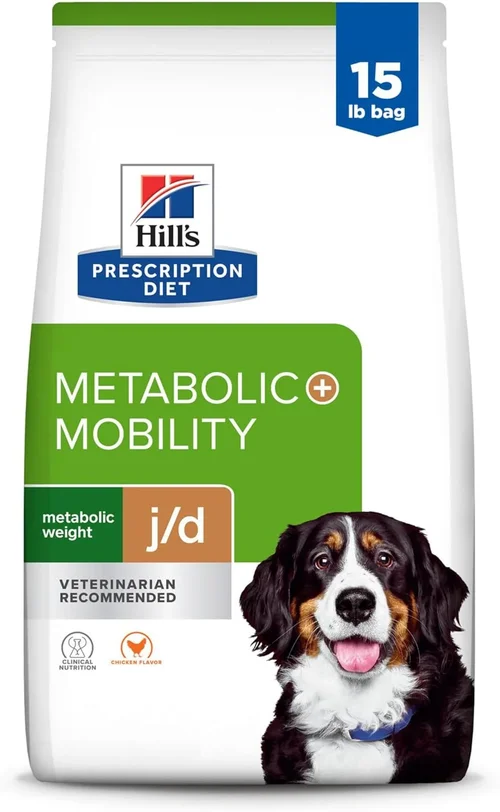
Kidney disease and heart conditions are prevalent in older dogs. While prescription diets are often necessary for diagnosed conditions, preventive nutrition can make a big difference. For kidney health, look for moderate phosphorus levels (ideally below 0.6% on a dry matter basis) and high-quality protein to reduce waste buildup. Sodium should also be controlled to support blood pressure, especially in dogs with heart disease—aim for less than 0.3% sodium unless otherwise advised by your vet. Some senior foods include added potassium and B-complex vitamins to support kidney function. Always consult your veterinarian before switching to a therapeutic diet, but even non-prescription senior foods should prioritize these elements for at-risk dogs.
7. Dental Health and Kibble Design
Dental disease affects over 80% of dogs by age three, and seniors are especially vulnerable. While no kibble can replace regular brushing, some are designed to reduce plaque and tartar buildup. Look for kibble with a larger, textured shape that encourages chewing and mechanical cleaning. Some brands incorporate enzymes or additives like sodium hexametaphosphate to inhibit tartar formation. If your dog has severe dental issues, consider softer diets or dental-specific formulas, but avoid feeding only wet food long-term, as it can contribute to plaque accumulation. Regular vet dental checkups remain essential, but the right food can be a helpful complement.
8. Brand Transparency and AAFCO Compliance
Not all pet food brands are equally reliable. Choose companies that are transparent about sourcing, manufacturing, and testing. Look for brands that perform feeding trials and meet AAFCO (Association of American Feed Control Officials) standards for complete and balanced nutrition. Avoid those that rely solely on nutrient profiles without real-world testing. Reputable brands will list their manufacturing facilities, provide batch codes for traceability, and respond to customer inquiries. Check for recalls and read third-party reviews. While price isn’t always an indicator of quality, extremely cheap foods often cut corners on ingredients and safety.
Different Types of Senior Dog Diets

Common Buying Mistakes to Avoid
❌ Mistake: Choosing Based on Marketing Claims Alone
Why it’s bad: Labels like “natural,” “grain-free,” or “holistic” are not regulated and can mislead consumers. A food marketed as “premium” may still contain low-quality ingredients or inadequate nutrition. Relying on buzzwords instead of ingredient lists and nutritional analysis can result in feeding a diet that doesn’t meet your dog’s needs.
What to do instead: Always read the ingredient list and guaranteed analysis. Look for named protein sources, avoid artificial additives, and verify AAFCO compliance. Use marketing claims as a starting point, not the deciding factor.
❌ Mistake: Ignoring Your Dog’s Individual Health Needs
Why it’s bad: Not all senior dogs are the same. A dog with kidney disease needs a very different diet than one with arthritis or obesity. Feeding a generic “senior” formula without considering specific conditions can worsen health issues or fail to address them.
What to do instead: Consult your veterinarian before switching diets, especially if your dog has chronic conditions. Consider blood work to assess organ function and tailor the diet accordingly.
❌ Mistake: Overlooking Portion Control and Feeding Guidelines
Why it’s bad: Even the best food can cause weight gain if overfed. Many owners misjudge portion sizes, leading to obesity, which accelerates joint problems and reduces lifespan.
What to do instead: Use a measuring cup to portion meals accurately. Adjust based on your dog’s weight, activity level, and body condition score. Monitor weight monthly and consult your vet if changes occur.
❌ Mistree: Switching Diets Too Quickly
Why it’s bad: Sudden diet changes can cause digestive upset, including vomiting, diarrhea, and loss of appetite. Senior dogs are especially sensitive to abrupt transitions.
What to do instead: Transition over 7–10 days by gradually mixing the new food with the old, increasing the ratio each day. This allows the gut microbiome to adapt.
❌ Mistake: Assuming All Senior Dogs Need Low-Protein Diets
Why it’s bad: This outdated belief can lead to muscle loss and weakness. Unless your dog has advanced kidney disease, they still need adequate protein to maintain muscle mass and immune function.
What to do instead: Feed high-quality, digestible protein unless your vet recommends otherwise. Monitor kidney values regularly and adjust as needed.
❌ Mistake: Neglecting Hydration
Why it’s bad: Senior dogs are more prone to dehydration, which can strain the kidneys and worsen urinary issues. Dry kibble alone may not provide enough moisture.
What to do instead: Add warm water or low-sodium broth to kibble, or incorporate wet food into the diet. Ensure fresh water is always available and encourage drinking.
❌ Mistake: Buying the Cheapest Option Without Research
Why it’s bad: Budget foods often use fillers, by-products, and artificial preservatives that offer little nutritional value and may harm long-term health.
What to do instead: Invest in quality nutrition—it can reduce vet bills and improve your dog’s quality of life. Look for value, not just low price.
Budget Guidelines: How Much Should You Spend?
Entry-Level ($1.00–$2.00 per pound): These diets are affordable and widely available but often rely on corn, wheat, and meat by-products. Protein quality is typically lower, and fillers are common. While some brands in this range meet basic nutritional standards, they may lack joint support, antioxidants, or digestive aids. Best for dogs with no health issues and tight budgets, but monitor for signs of poor digestion or weight gain.
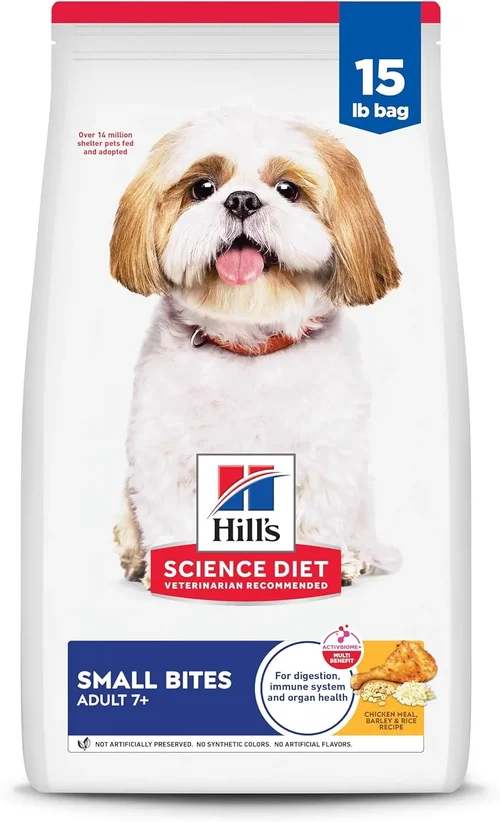
Mid-Range ($2.00–$4.00 per pound): This is the sweet spot for most senior dog owners. These diets offer named protein sources, moderate calories, and added benefits like glucosamine, omega-3s, and probiotics. Brands in this tier often perform feeding trials and avoid artificial additives. Examples include Hill’s Science Diet Senior, Royal Canin Aging, and Purina Pro Plan Bright Mind. Ideal for maintaining health and preventing common age-related issues.
Premium ($4.00–$7.00 per pound): These diets use high-quality, often human-grade ingredients, with minimal processing. They include functional additives, novel proteins, and advanced formulations for joint, cognitive, and immune support. Brands like Wellness Core Senior, Blue Buffalo Life Protection, and Nutro Ultra fall here. Best for dogs with specific needs or owners seeking optimal nutrition.
Luxury ($7.00+ per pound): Top-tier options include fresh, refrigerated meals (The Farmer’s Dog, Ollie), freeze-dried raw diets (Stella & Chewy’s, Primal), and custom-formulated plans. These offer maximum nutrient bioavailability, transparency, and convenience. While expensive, they can be worth it for dogs with sensitivities or owners prioritizing premium care.

Expert Tips for Getting the Best Deal
- Buy in Bulk When Possible: Larger bags often cost less per pound. Just ensure your dog will eat it before it expires and store it properly to maintain freshness.
- Subscribe and Save: Many online retailers (Chewy, Amazon) offer discounts for recurring deliveries. This also ensures you never run out.
- Watch for Seasonal Sales: Pet food brands often run promotions in January (New Year resolutions), July (summer sales), and November (Black Friday). Stock up during these periods.
- Compare Unit Prices: Don’t just look at the total cost—compare price per pound or per serving to find the best value.
- Check for Coupons and Rebates: Sign up for brand newsletters, use cashback apps, and look for mail-in rebates to reduce costs.
- Ask Your Vet for Samples: Some clinics provide free samples of therapeutic or premium diets, allowing you to test before committing.
- Read Return Policies: Ensure the retailer accepts returns if your dog doesn’t like the food or has a reaction.
- Rotate Proteins Gradually: Introducing variety can prevent allergies and keep your dog interested, but do it slowly to avoid digestive upset.

Frequently Asked Questions
Q: When should I switch my dog to senior food?
A: Most dogs can transition to senior food between 7 and 10 years old, depending on breed size. Small breeds age slower and may not need senior food until 10+, while large breeds may benefit as early as 6. Consult your vet to determine the right timing based on health and activity level.
Q: Can I mix wet and dry senior food?
A: Yes! Combining wet and dry food can increase palatability, improve hydration, and make meals more appealing, especially for picky eaters or dogs with dental issues. Just adjust portions to avoid overfeeding.
Q: Is grain-free senior food better?
A: Not necessarily. Grains like rice and oats are easily digestible and provide energy. The FDA has linked some grain-free diets to heart disease (DCM), so unless your dog has a grain allergy, whole grains can be a healthy part of their diet.
Q: How often should I feed my senior dog?
A: Most senior dogs do well with two meals per day to aid digestion and prevent bloating. Smaller, more frequent meals may benefit dogs with sensitive stomachs or medical conditions.
Q: Can senior dog food help with bad breath?
A: Some senior diets include ingredients that reduce plaque and tartar, but bad breath is often a sign of dental disease. Regular brushing and vet dental cleanings are essential. Diet can support, but not replace, oral care.
Q: What if my senior dog won’t eat the new food?
A: Try warming the food, adding broth, or mixing in a small amount of wet food. Ensure the transition is gradual. If refusal persists, consult your vet—it could signal an underlying health issue.
Q: Are homemade diets a good option for senior dogs?
A: Homemade diets can be nutritious but require careful balancing to avoid deficiencies. Work with a veterinary nutritionist to formulate a complete diet. Many owners choose to supplement commercial food with fresh ingredients instead.
Q: How do I know if the food is working?
A: Look for improvements in energy, coat condition, stool quality, mobility, and weight. Regular vet checkups with blood work can also confirm that organ function is stable.
Our Final Recommendations
Best for Budget-Conscious Buyers: Purina Pro Plan Bright Mind Adult 7+ – Offers excellent value with real chicken, glucosamine, and brain-supporting nutrients at an affordable price.
Best Overall Value: Hill’s Science Diet Senior 7+ Chicken Meal & Barley – Backed by veterinary research, this formula supports joint, heart, and immune health with high-quality ingredients.
Best Premium Option: Wellness Core Senior Grain-Free – Packed with deboned turkey, omega-3s, and probiotics, this diet delivers top-tier nutrition for active seniors.
Best for Beginners: Royal Canin Aging 12+ – Specifically designed for very senior dogs, with soft kibble, easy digestion, and targeted support for aging bodies.
Best for Advanced Users: The Farmer’s Dog Fresh Food – Customized, human-grade meals delivered to your door. Ideal for owners seeking maximum control and transparency.
Conclusion: Making the Right Choice
Choosing the best diet for your senior dog is one of the most impactful decisions you can make for their health and happiness. It’s not just about extending their life—it’s about enhancing the quality of every moment they share with you. By focusing on high-quality protein, joint support, digestive health, and individual needs, you can ensure your dog ages gracefully and comfortably. Avoid the pitfalls of marketing hype and one-size-fits-all solutions, and instead, prioritize transparency, veterinary guidance, and long-term wellness.
Remember, every dog is unique. What works for one senior may not suit another. Take the time to observe your dog’s behavior, energy levels, and physical condition. Work closely with your veterinarian to monitor health changes and adjust their diet as needed. Whether you choose a trusted mid-range kibble or invest in a premium fresh food plan, the right nutrition can make a profound difference.
Your senior dog has given you years of love, loyalty, and companionship. Now, it’s your turn to give them the care they deserve. Start with the right food—because a healthy diet is the foundation of a joyful, active, and fulfilling golden age.