

As our beloved canine companions age, their nutritional needs shift in ways that many pet parents overlook. Just like humans, senior dogs require a different balance of nutrients to maintain vitality, support joint health, manage weight, and slow the progression of age-related conditions. Unfortunately, not all dog foods marketed as “senior” formulas are created equal—some are little more than marketing gimmicks with minimal adjustments to standard adult kibble. This comprehensive buying guide is designed to cut through the noise and help you make an informed, compassionate choice for your aging dog.
In this guide, you’ll learn how to evaluate senior dog food based on science-backed criteria, not flashy labels or celebrity endorsements. We’ll walk you through the essential nutritional components your senior dog truly needs, explain how to interpret ingredient lists and guaranteed analyses, and highlight common pitfalls that even experienced pet owners fall into. Whether your dog is a spry 7-year-old small breed or a gentle giant entering his twilight years at 10+, this guide equips you with the knowledge to choose food that supports longevity, comfort, and quality of life.
The senior dog food market has exploded in recent years, with hundreds of brands—from legacy kibble makers to boutique raw food companies—offering specialized formulas. While this variety is a win for consumers, it also means more confusion. Some products prioritize palatability over nutrition, others use vague terms like “natural” or “holistic” without substantiation, and a surprising number still include fillers, artificial preservatives, or excessive carbohydrates. Our goal is to empower you to navigate this landscape with confidence, ensuring your dog gets the nourishment they deserve during their golden years.

What to Look for When Buying Senior Dog Food
1. High-Quality, Digestible Protein
Protein is the cornerstone of senior dog nutrition—but not all protein is created equal. As dogs age, their ability to digest and utilize protein declines, making highly bioavailable sources critical. Look for named animal proteins as the first ingredient (e.g., “deboned chicken,” “salmon meal,” or “turkey liver”) rather than vague terms like “meat meal” or “animal by-product meal.” These less-specific ingredients often come from lower-quality sources and may contain parts unsuitable for human consumption.
Aim for a crude protein content between 22% and 28% on a dry matter basis for most senior dogs. However, dogs with kidney disease may need reduced phosphorus and moderate protein levels—always consult your vet before making dietary changes for dogs with medical conditions. High-quality proteins support muscle mass retention, which naturally declines with age (a condition called sarcopenia). Without adequate protein, senior dogs risk losing strength, mobility, and immune function.
2. Controlled Calorie Density & Healthy Fats
Senior dogs are typically less active than their younger counterparts, which means their caloric needs drop—often by 20–40%. Yet many commercial senior foods still pack in calories, leading to weight gain, a major risk factor for arthritis, diabetes, and heart disease. Choose a formula with moderate fat levels (10–15% on a dry matter basis) from quality sources like chicken fat, salmon oil, or flaxseed.
Omega-3 fatty acids (especially EPA and DHA from fish oil) are particularly valuable for seniors. They reduce inflammation, support cognitive function, and improve coat and skin health. Avoid foods listing generic “vegetable oil” or “animal fat” without specifying the source—these can be rancid or low in beneficial compounds. Also, check that the food doesn’t rely heavily on carbohydrates for energy; excess grains or starches can contribute to obesity and blood sugar spikes.
3. Joint Support Ingredients
Arthritis affects over 80% of dogs over age 8, making joint health a top priority. Look for foods that include proven joint-supportive nutrients such as glucosamine, chondroitin sulfate, and MSM (methylsulfonylmethane). These compounds help maintain cartilage integrity and reduce inflammation. While they’re often added as supplements, some premium brands incorporate them directly into the kibble formulation.
Additionally, antioxidants like vitamin E, vitamin C, and selenium play a role in reducing oxidative stress in joints. Some formulas also include green-lipped mussel powder or turmeric, both of which have natural anti-inflammatory properties. If your dog shows signs of stiffness, reluctance to climb stairs, or limping, a diet rich in these ingredients can significantly improve comfort and mobility.
4. Fiber Content for Digestive Health
Digestive efficiency tends to decline with age, and many senior dogs struggle with constipation or irregular bowel movements. Adequate fiber—ideally 3–7% on a dry matter basis—helps regulate digestion without causing loose stools. Look for soluble and insoluble fiber sources like pumpkin, beet pulp, psyllium husk, or chicory root (a prebiotic that feeds beneficial gut bacteria).
Avoid foods with excessive corn, wheat, or soy, which can be hard to digest and may trigger sensitivities. Prebiotics and probiotics are also increasingly common in senior formulas and can promote a healthy gut microbiome, supporting immune function and nutrient absorption. If your dog has a sensitive stomach, consider a limited-ingredient diet or one specifically formulated for digestive support.
5. Low Sodium & Kidney-Friendly Formulation
Heart and kidney disease are prevalent in older dogs, and excessive sodium can exacerbate these conditions. The Association of American Feed Control Officials (AAFCO) doesn’t set maximum sodium levels for dog food, so it’s up to you to check labels. Aim for less than 0.3% sodium on a dry matter basis unless your vet recommends otherwise.
For dogs with early-stage kidney disease, lower phosphorus levels (ideally under 0.6% dry matter) are crucial to slow disease progression. Some senior foods are specifically designed with reduced phosphorus and high-quality protein to ease the workload on aging kidneys. Always work with your veterinarian to determine if your dog needs a therapeutic renal diet—but even healthy seniors benefit from kidney-conscious formulations.
6. Antioxidant & Cognitive Support
Cognitive dysfunction syndrome (CDS)—often called “doggy dementia”—affects up to 68% of dogs over 15. Diets rich in antioxidants, medium-chain triglycerides (MCTs), and omega-3s can help slow cognitive decline. Look for ingredients like blueberries, spinach, cranberries, and fish oil, which provide polyphenols and fatty acids that protect brain cells.
Some advanced senior formulas include MCT oil derived from coconut, which the liver converts into ketones—an alternative energy source for aging brains. While research is ongoing, studies show that diets enriched with these components can improve learning, memory, and overall alertness in senior dogs. If your dog seems disoriented, sleeps more than usual, or forgets house training, consider a food with cognitive support features.
7. Palatability & Texture Considerations
Appetite often wanes in older dogs due to reduced sense of smell, dental pain, or illness. A senior food must be highly palatable to encourage consistent eating. Wet or semi-moist foods can be more appealing than dry kibble, especially for dogs with missing teeth or gum disease. However, many owners prefer the convenience and dental benefits of kibble—so look for brands that use natural flavor enhancers like broth, liver hydrolysate, or dried meat powders instead of artificial additives.
Kibble size and shape also matter. Smaller, softer kibble is easier for senior dogs to chew and digest. Some brands offer “senior-specific” kibble designs that are easier to pick up and break down. If your dog has trouble with dry food, consider soaking kibble in warm water or low-sodium broth to soften it.
8. Transparency & Brand Reputation
Not all pet food companies prioritize your dog’s health over profit. Choose brands that disclose full ingredient sourcing, conduct feeding trials (not just lab analysis), and are transparent about manufacturing practices. Look for AAFCO statements on the packaging that confirm the food meets nutritional standards for “adult maintenance” or “all life stages”—senior-specific AAFCO profiles don’t exist, so this is the closest benchmark.
Reputable brands often publish third-party test results, employ board-certified veterinary nutritionists, and avoid controversial ingredients like BHA, BHT, ethoxyquin, and propylene glycol. Check online reviews, but be wary of overly promotional testimonials. Real feedback from long-term users—especially those with dogs similar in age, size, and health status to yours—is far more valuable.
Different Types of Senior Dog Food

Common Buying Mistakes to Avoid
❌ Mistake: Choosing Based Solely on “Senior” Labeling
Why it’s bad: The term “senior” is not regulated by AAFCO or the FDA. Any brand can slap it on a bag, even if the formula is nearly identical to their adult food. This leads to owners paying a premium for minimal nutritional adjustments.
What to do instead: Always read the ingredient list and guaranteed analysis. Compare the protein, fat, fiber, and key additives (like glucosamine) to standard adult formulas. If there’s no meaningful difference, it’s likely just marketing.
❌ Mistake: Ignoring Your Dog’s Individual Health Status
Why it’s bad: A food ideal for a healthy 8-year-old Labrador may be inappropriate for a 12-year-old Dachshund with early kidney disease. One-size-fits-all approaches ignore critical medical nuances.
What to do instead: Schedule a senior wellness exam with your vet before switching foods. Bloodwork can reveal hidden issues (like elevated creatinine or liver enzymes) that dictate dietary needs. Tailor your choice to your dog’s specific health profile.
❌ Mistake: Overlooking Moisture Content in Kibble
Why it’s bad: Dry kibble typically contains only 8–10% water, which can contribute to chronic dehydration—especially in older dogs prone to kidney issues. Low water intake exacerbates urinary and renal problems.
What to do instead: Consider adding wet food, bone broth, or water to kibble. Alternatively, rotate between dry and wet meals to boost hydration. Monitor your dog’s water bowl habits and urine output.
❌ Mistake: Switching Foods Too Quickly
Why it’s bad: Sudden dietary changes can cause vomiting, diarrhea, or refusal to eat—particularly in sensitive senior dogs whose digestive systems are less adaptable.
What to do instead: Transition gradually over 7–10 days: start with 25% new food + 75% old, then increase the ratio every 2–3 days. If your dog has a history of GI issues, extend the transition to 2–3 weeks.
❌ Mistake: Prioritizing Price Over Quality
Why it’s bad: Cheap foods often use fillers (corn, wheat, soy), low-grade proteins, and artificial preservatives that offer little nutritional value and may harm long-term health.
What to do instead: View dog food as healthcare investment. A slightly more expensive high-quality diet can reduce vet bills by preventing obesity, joint pain, and organ stress. Calculate cost per day, not per bag—smaller, nutrient-dense portions may actually save money.
❌ Mistake: Assuming All “Natural” or “Grain-Free” Foods Are Better
Why it’s bad: “Natural” has no strict definition in pet food, and grain-free diets have been linked to dilated cardiomyopathy (DCM) in some dogs due to legume-heavy formulations.
What to do instead: Focus on whole-food ingredients and avoid trendy labels. Whole grains like oats, barley, or brown rice are digestible and provide fiber and B vitamins. Only choose grain-free if your dog has a confirmed allergy.
❌ Mistake: Not Reassessing Needs Over Time
Why it’s bad: A dog’s nutritional requirements change as they age. What worked at 8 may not suffice at 12. Continuing the same food indefinitely ignores evolving health needs.
What to do instead: Reevaluate your dog’s diet annually (or biannually for dogs over 10). Adjust based on weight, activity level, coat condition, and vet recommendations.
Budget Guidelines: How Much Should You Spend?
Entry-Level ($1.00–$1.80/lb): These foods often meet minimum AAFCO standards but may use lower-quality proteins, fillers, and synthetic additives. Examples include store-brand “senior” lines or budget kibbles from major manufacturers. While acceptable for short-term use or financial constraints, they’re not ideal for long-term senior health. Look for at least one named meat source and avoid foods with corn as the first ingredient.
Mid-Range ($1.80–$3.00/lb): This is the sweet spot for most pet owners. Brands in this tier (like Wellness Core Senior, Blue Buffalo Life Protection Senior, or Nutro Ultra Senior) offer high-quality proteins, joint support, and balanced nutrition without breaking the bank. Many include probiotics, omega-3s, and limited fillers. You’ll find both dry and wet options, with good transparency about sourcing.
Premium ($3.00–$5.50/lb): These foods prioritize human-grade ingredients, novel proteins (like duck, lamb, or fish), and advanced formulations. Brands such as Orijen Senior, Taste of the Wild Pacific Stream Senior, and Fromm Gold Senior use meat meals, whole fruits/vegetables, and functional additives like green-lipped mussel. Ideal for dogs with sensitivities or owners seeking optimal nutrition.
Luxury ($5.50+/lb): Reserved for fresh, raw, or custom-formulated diets (e.g., The Farmer’s Dog, Nom Nom, or frozen raw brands like Stella & Chewy’s). These offer minimal processing, high palatability, and tailored nutrition but require refrigeration, careful handling, and significant budget commitment. Best for dedicated owners willing to invest in cutting-edge pet nutrition.
Expert Tips for Getting the Best Deal
- Buy in bulk during seasonal sales: Pet food retailers often discount senior formulas in January (post-holiday) and September (back-to-school). Subscribe-and-save programs (Chewy, Amazon) offer 5–15% off recurring orders.
- Compare cost per feeding, not per bag: A smaller, nutrient-dense kibble may cost more per pound but require fewer cups per day, ultimately saving money.
- Check local vet clinics and rescue groups: Some shelters partner with brands to offer discounted senior food for adopters or low-income pet owners.
- Read return policies carefully: If your dog refuses the food, you want the option to return unopened bags. Avoid retailers with strict no-return rules.
- Test small bags first: Many brands offer 4–6 lb trial sizes. Use these to assess palatability and digestive tolerance before committing to a 30 lb bag.
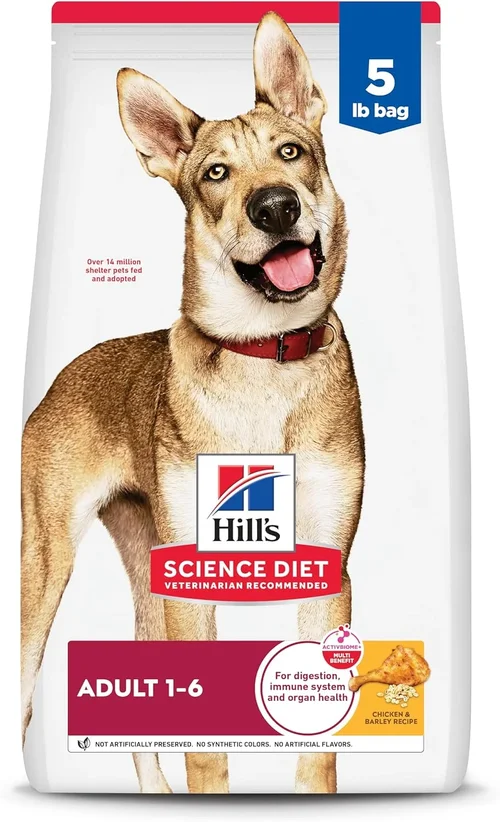
- Look for loyalty programs: Brands like Hill’s, Royal Canin, and Purina offer reward points, free samples, and vet-exclusive discounts.
- Don’t overlook frozen/fresh delivery services: While pricier, services like Nom Nom often provide portion-controlled meals that reduce waste and ensure freshness—ideal for picky seniors.
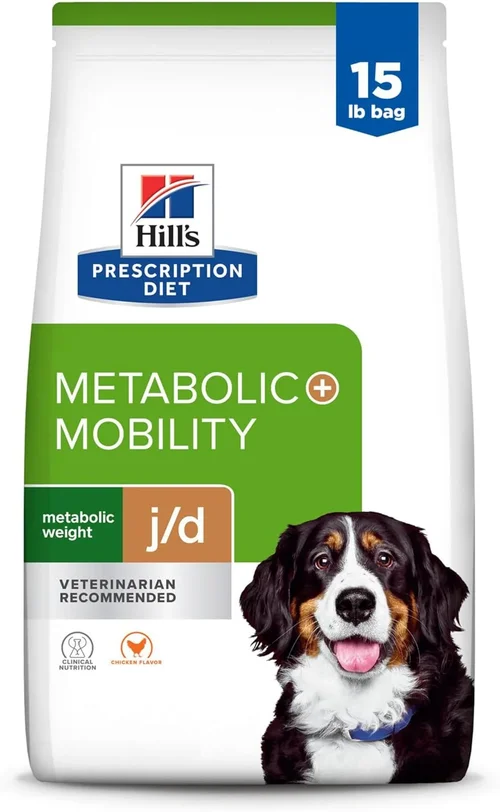
- Consult your vet before buying prescription diets: These are often covered by pet insurance and may be cheaper through veterinary channels than online retailers.

Frequently Asked Questions
Q: At what age should I switch my dog to senior food?
A: It depends on breed and size. Small dogs (under 20 lbs) can transition around 8–9 years, medium dogs (20–50 lbs) at 7–8 years, and large/giant breeds (over 50 lbs) as early as 5–6 years due to faster aging. However, some dogs remain active and healthy well into their teens—don’t switch solely based on age. Monitor energy, weight, and mobility, and consult your vet for personalized timing.
Q: Can I mix senior food with regular adult food?
A: Yes, especially during transitions. Mixing can help ease digestive adjustment and improve palatability. However, long-term mixing dilutes the benefits of the senior formula. If your dog tolerates the senior food well, aim to feed it exclusively.
Q: Is grain-free senior food better?
A: Not necessarily. Unless your dog has a diagnosed grain allergy, whole grains provide beneficial fiber and nutrients. The FDA has investigated links between grain-free diets and heart disease, so prioritize balanced formulations over trends.
Q: How much should I feed my senior dog?
A: Follow the feeding guidelines on the bag as a starting point, then adjust based on body condition. Use the 9-point body condition score—you should be able to feel (not see) ribs, and your dog should have a visible waist. Senior dogs often need 20–40% fewer calories than adults.
Q: What if my senior dog won’t eat the new food?
A: Try warming it slightly, adding low-sodium broth, or mixing in a spoonful of wet food. Ensure dental health isn’t the issue—painful teeth can deter eating. If refusal persists beyond 48 hours, consult your vet to rule out illness.
Q: Are supplements necessary with senior dog food?
A: Many quality senior foods already include joint and cognitive support. Avoid doubling up on supplements unless recommended by your vet—excess glucosamine or omega-3s can cause imbalances.
Q: Can senior food help with bad breath?
A: Not directly. Bad breath in seniors often signals dental disease or systemic issues. While some foods include odor-reducing ingredients like parsley or chlorophyll, professional dental cleaning is usually needed.
Q: Is it safe to feed senior food to younger dogs?
A: Generally not recommended. Senior formulas are lower in calories and certain nutrients (like calcium) that growing or active dogs need. Occasional mixing is fine, but don’t make it a staple for non-seniors.
Q: How long does it take to see benefits from a senior diet?
A: Improvements in coat, energy, and digestion may appear within 2–4 weeks. Joint and cognitive benefits can take 6–12 weeks. Be patient and consistent.
Our Final Recommendations
Best for Budget-Conscious Buyers: Purina Pro Plan Bright Mind Adult 7+ – Offers proven cognitive support with MCT oil, high-quality chicken, and joint nutrients at an accessible price (~$2.20/lb). Widely available and vet-recommended.
Best Overall Value: Wellness Core Grain-Free Senior Recipe – Features deboned turkey, glucosamine, taurine, and probiotics. Balanced nutrition, excellent ingredient transparency, and moderate pricing (~$2.80/lb).
Best Premium Option: Orijen Senior Biologically Appropriate – Packed with fresh regional meats, organs, and cartilage. 38% protein, low carb, and rich in omega-3s. Ideal for owners seeking species-appropriate nutrition (~$4.50/lb).
Best for Beginners: Blue Buffalo Life Protection Formula Senior – Familiar brand with clear labeling, real chicken, and LifeSource Bits (antioxidant blend). Easy to find in stores and online (~$2.60/lb).
Best for Advanced Users: The Farmer’s Dog Fresh Turkey Recipe – Custom-portioned, human-grade, gently cooked meals delivered to your door. Perfect for dogs with sensitivities or owners who want full control over ingredients (~$6.50/lb).
Conclusion: Making the Right Choice
Choosing the right senior dog food isn’t just about extending lifespan—it’s about enhancing the quality of every remaining day. Your dog has given you years of loyalty, joy, and unconditional love; now it’s your turn to return that care with thoughtful, informed nutrition. By focusing on high-quality protein, joint support, digestive health, and transparency, you can help your senior dog stay comfortable, active, and mentally sharp.
Remember, there’s no universal “best” food—only the best fit for your dog’s unique needs, lifestyle, and health status. Use this guide as your compass, but always partner with your veterinarian to make the final decision. And don’t forget the simplest act of all: observing your dog. Their energy, coat shine, stool quality, and enthusiasm at mealtime are the ultimate indicators of whether you’ve made the right choice.
Invest in their golden years today—they’ve earned it.