
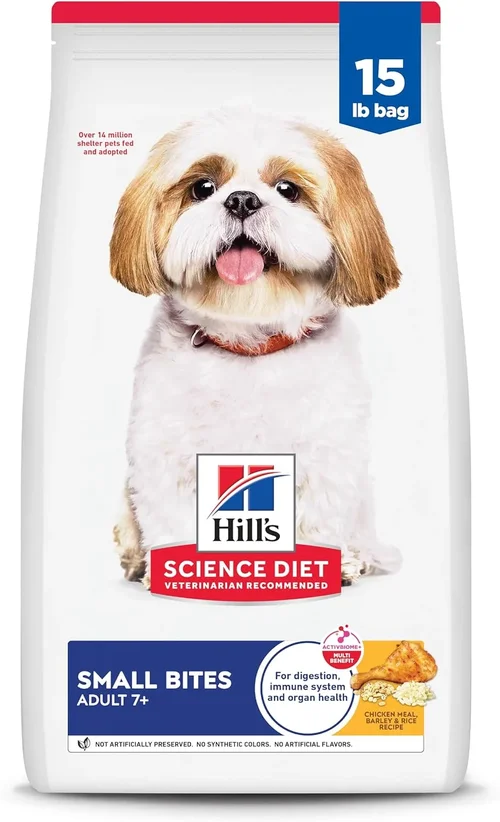
As your small senior dog enters their golden years, their nutritional needs shift dramatically. What once fueled a spry, energetic companion now requires thoughtful recalibration. Senior dogs—especially those under 20 pounds—often face challenges like slowed metabolism, joint stiffness, dental sensitivity, weight gain, and declining organ function. Feeding them the right diet isn’t just about maintaining energy; it’s about supporting longevity, mobility, and overall quality of life. Unfortunately, the pet food market is flooded with options, many of which are marketed with buzzwords like “premium,” “natural,” or “grain-free” without delivering on actual nutritional value. This guide cuts through the noise to help you make an informed, compassionate choice for your aging best friend.
In this comprehensive buying guide, you’ll learn exactly what to look for in a high-quality diet dog food tailored specifically for small senior dogs. We’ll break down the science behind senior canine nutrition, explain how to interpret ingredient labels, and highlight the most critical factors—from protein sources to joint support supplements—that impact your dog’s health. You’ll also discover common pitfalls to avoid, budget-friendly strategies, and expert-backed recommendations based on real-world performance and veterinary insights. Whether you’re transitioning your dog from adult kibble or seeking a more specialized formula, this guide equips you with the knowledge to choose wisely.
The market for senior dog food has expanded significantly in recent years, with brands like Hill’s Science Diet, Royal Canin, Purina Pro Plan, and Wellness introducing breed-specific and life-stage formulations. However, not all “senior” diets are created equal—many contain fillers, excessive carbohydrates, or insufficient protein for aging muscles. Small breeds have unique needs: they’re prone to obesity, dental disease, and kidney issues, so their food must be calorie-dense yet easy to chew and digest. Our goal is to help you navigate this complex landscape with confidence, ensuring your small senior dog gets the nourishment they deserve without overspending or compromising on quality.

What to Look for When Buying Buying Guide
1. High-Quality, Easily Digestible Protein
Protein is the cornerstone of any senior dog’s diet, especially for small breeds who need to maintain lean muscle mass as they age. However, not all proteins are equal. Look for named animal proteins as the first ingredient—such as “chicken,” “turkey,” or “salmon”—rather than vague terms like “meat meal” or “animal by-products.” These high-quality sources provide essential amino acids that support muscle maintenance, immune function, and tissue repair. As dogs age, their ability to digest and utilize protein declines, so easily digestible forms like deboned chicken, egg, or hydrolyzed proteins are ideal.
Avoid diets that rely heavily on plant-based proteins (like corn gluten meal or soy), which are less bioavailable for dogs. While some plant proteins can complement an animal-based diet, they should never replace it. The Association of American Feed Control Officials (AAFCO) recommends that senior dog foods contain at least 18–25% crude protein on a dry matter basis, but for small seniors prone to muscle loss, aiming for the higher end of that range—or even slightly above—is beneficial. Always check the guaranteed analysis on the label and calculate the dry matter percentage to compare brands accurately.
2. Controlled Calorie Content to Prevent Obesity
Small senior dogs are notoriously prone to weight gain due to reduced activity levels and slower metabolisms. Excess weight puts strain on aging joints, increases the risk of diabetes, and can shorten lifespan. Therefore, calorie control is paramount. Look for formulas specifically labeled “light,” “low-calorie,” or “weight management” for seniors, or check the kcal/kg (kilocalories per kilogram) value on the packaging. Ideal calorie density for small senior dogs typically ranges from 300–380 kcal per cup, depending on the dog’s size and activity level.
Be cautious of “senior” formulas that are still high in fat and calories—some brands market them as such but don’t adjust the energy content appropriately. Instead, opt for diets that use fiber sources like beet pulp, pumpkin, or oat bran to promote satiety without adding extra calories. These ingredients help your dog feel full longer, reducing begging and overeating. Additionally, consider portion control and feeding schedules: splitting meals into two smaller servings per day can aid digestion and metabolism.
3. Joint Support Supplements (Glucosamine & Chondroitin)
Arthritis and joint stiffness are common in senior dogs, particularly small breeds like Dachshunds, Pugs, and Shih Tzus, who are genetically predisposed to spinal and hip issues. Diets enriched with glucosamine and chondroitin sulfate can help maintain cartilage health and reduce inflammation. These compounds are naturally present in healthy cartilage but decline with age, so supplementation through diet is crucial.
Look for foods that list glucosamine and chondroitin in the ingredient panel—ideally at levels of at least 300–500 mg per 1,000 kcal. Some premium brands also include omega-3 fatty acids (from fish oil) and green-lipped mussel extract, which have anti-inflammatory properties. While these supplements won’t reverse advanced arthritis, they can slow progression and improve mobility when combined with weight management and gentle exercise. Always consult your vet before adding joint supplements separately, as over-supplementation can occur if the food already contains adequate levels.
4. Dental Health Support
Dental disease affects over 80% of dogs by age three, and small breeds are especially vulnerable due to crowded teeth and slower saliva flow. Poor oral health doesn’t just cause bad breath—it can lead to tooth loss, pain, and systemic infections affecting the heart, liver, and kidneys. Senior dog food should support dental wellness through texture, ingredients, and added compounds.
Kibble designed for small dogs often has a smaller, denser shape that encourages chewing, which helps scrape plaque from teeth. Some brands incorporate dental-specific kibble shapes or coatings with enzymes that reduce tartar buildup. Additionally, look for diets with added sodium hexametaphosphate (SHMP), a compound proven to inhibit calculus formation. Avoid soft or wet-only diets unless medically necessary, as they offer minimal dental cleaning benefit. If your dog has existing dental issues, consider pairing their diet with regular brushing and vet-recommended dental chews.
5. Digestive Health & Fiber Balance
As dogs age, their digestive systems become less efficient. Constipation, diarrhea, and food sensitivities become more common, particularly in small breeds with delicate gastrointestinal tracts. A senior diet should include moderate, fermentable fiber to support gut motility and microbiome health. Ideal fiber sources include pumpkin, sweet potato, beet pulp, and prebiotic fibers like fructooligosaccharides (FOS) and mannanooligosaccharides (MOS).
The total dietary fiber content should typically fall between 3–8% on a dry matter basis. Too little fiber can lead to constipation, while too much may cause gas and loose stools. Probiotics are another valuable addition—live beneficial bacteria like Lactobacillus and Bifidobacterium can improve nutrient absorption and immune function. Check the label for “live and active cultures” or specific strain listings. If your dog has a sensitive stomach, consider limited-ingredient diets or hydrolyzed protein formulas to minimize allergic reactions.
6. Antioxidants & Immune Support
The immune system weakens with age, making senior dogs more susceptible to infections, chronic inflammation, and diseases like cancer. Antioxidants play a vital role in neutralizing free radicals and supporting cellular health. Look for diets enriched with natural antioxidants such as vitamin E, vitamin C, beta-carotene, selenium, and polyphenols from fruits and vegetables.
Ingredients like blueberries, cranberries, spinach, carrots, and tomatoes not only provide antioxidants but also add flavor and phytonutrients. Some brands fortify their formulas with additional immune-boosting compounds like lutein (for eye health) and taurine (for heart function). These nutrients are especially important for small breeds, who may have shorter lifespans and higher metabolic rates. Avoid foods with synthetic preservatives like BHA, BHT, or ethoxyquin, which can generate free radicals and harm long-term health.
7. Kidney & Liver Support
Kidney and liver function naturally decline in senior dogs, and small breeds are at higher risk for conditions like chronic kidney disease (CKD) and hepatic lipidosis. While diet alone cannot cure these conditions, it can significantly slow progression and improve quality of life. For healthy seniors, choose foods with moderate, high-quality protein and controlled phosphorus levels—typically under 0.6% on a dry matter basis.
Excess phosphorus can strain aging kidneys, so avoid diets with bone meal, meat by-products, or excessive dairy. Sodium should also be limited (under 0.3%) to reduce blood pressure and kidney workload. Some senior formulas include L-carnitine to support liver metabolism and help convert fat into energy. If your dog has been diagnosed with early-stage kidney disease, consult your vet about therapeutic renal diets, which are specially formulated to reduce toxin buildup and support organ function.
8. Palatability & Texture for Picky Eaters
Senior dogs often experience reduced appetite due to dental pain, decreased sense of smell, or medication side effects. If your small dog is turning up their nose at meals, palatability becomes a critical factor. Look for diets with natural flavor enhancers like real meat broth, liver, or yeast extract—avoid artificial flavors and excessive salt.
Texture matters too. Some seniors struggle with hard kibble due to tooth loss or jaw weakness. In such cases, consider soft-moist kibble, semi-moist formulas, or soaking dry food in warm water or low-sodium broth to soften it. Rotating between dry and wet food can also stimulate interest. Brands like Hill’s Science Diet and Royal Canin offer senior-specific textures designed for easy chewing. Always transition gradually to avoid digestive upset, and monitor your dog’s weight and energy levels during the switch.
Different Types of Buying Guide

Common Buying Mistakes to Avoid
❌ Mistake: Choosing Based Solely on “Senior” Labeling
Why it’s bad: Many brands slap a “senior” label on formulas that are nearly identical to adult maintenance diets, with only minor tweaks to protein or fat content. These may not address the specific needs of aging small dogs, such as joint support or dental health.
What to do instead: Read the ingredient list and guaranteed analysis carefully. Look for targeted nutrients like glucosamine, omega-3s, and antioxidants. Compare dry matter percentages across brands to ensure you’re getting a truly senior-optimized formula.
❌ Mistake: Overlooking Calorie Density
Why it’s bad: Small senior dogs need fewer calories but still require nutrient-dense food. Feeding a high-calorie adult formula can lead to rapid weight gain, joint stress, and metabolic issues.
What to do instead: Calculate your dog’s resting energy requirement (RER) using their weight and adjust for activity level. Use the kcal/cup information on the label to determine appropriate portions. When in doubt, consult your vet for a personalized feeding plan.
❌ Mistake: Ignoring Dental Health Needs
Why it’s bad: Soft or wet-only diets may be convenient, but they don’t provide the mechanical cleaning action needed to prevent plaque and tartar buildup. This can accelerate dental disease in small breeds.
What to do instead: Choose kibble designed for small mouths with dental benefits, or supplement with dental chews and regular brushing. If your dog can’t chew hard kibble, opt for soft-moist or soaked formulas that still promote chewing.
❌ Mistake: Switching Foods Too Quickly
Why it’s bad: Sudden diet changes can cause gastrointestinal upset, including vomiting, diarrhea, and loss of appetite—especially in sensitive senior dogs.
What to do instead: Transition gradually over 7–10 days, mixing increasing amounts of the new food with the old. Monitor your dog’s stool, energy, and appetite throughout the process.
❌ Mistake: Falling for Marketing Buzzwords
Why it’s bad: Terms like “natural,” “holistic,” or “grain-free” don’t guarantee nutritional adequacy. Some grain-free diets have been linked to dilated cardiomyopathy (DCM) in dogs due to imbalanced taurine levels.
What to do instead: Focus on AAFCO statements, ingredient quality, and guaranteed analysis. Choose brands with transparent sourcing and third-party testing.
❌ Mistake: Not Consulting a Veterinarian
Why it’s bad: Senior dogs often have underlying health conditions that require specialized nutrition. What works for one dog may be harmful to another.
What to do instead: Schedule a senior wellness exam before making dietary changes. Your vet can recommend the best diet based on bloodwork, weight, and medical history.
Budget Guidelines: How Much Should You Spend?
- Entry-Level ($1.00–$1.80 per lb): These diets often contain lower-quality proteins, fillers like corn and wheat, and minimal supplements. While affordable, they may not meet the complex needs of small senior dogs and could lead to long-term health issues. Best for temporary use or dogs with no health concerns.
- Mid-Range ($1.80–$2.80 per lb): This is the sweet spot for most owners. Brands like Purina Pro Plan Bright Mind, Iams ProActive Health Senior, and Blue Buffalo Life Protection Senior offer balanced nutrition, joint support, and good palatability at a reasonable price. Ideal for healthy seniors needing reliable, vet-recommended formulas.
- Premium ($2.80–$4.00 per lb): These diets use high-quality, named proteins, limited fillers, and added functional ingredients like probiotics, omega-3s, and antioxidants. Examples include Hill’s Science Diet Small Paws Senior, Royal Canin Small Aging, and Wellness Complete Health Senior. Best for dogs with mild health issues or owners prioritizing long-term wellness.
- Luxury ($4.00+ per lb): Top-tier options include fresh, raw, or custom-formulated diets from brands like The Farmer’s Dog, Nom Nom, or Open Farm. These offer human-grade ingredients, personalized nutrition, and minimal processing. Ideal for owners willing to invest in cutting-edge nutrition, though they require more time, storage, and cost.

Expert Tips for Getting the Best Deal
- Buy in Bulk During Sales: Many retailers offer discounts on larger bags (15–20 lbs) during seasonal promotions like Black Friday or end-of-summer clearance. Stock up when prices drop, but ensure the food will be consumed before the expiration date.
- Subscribe & Save Online: Services like Chewy, Amazon Subscribe & Save, and Petco offer 5–15% off recurring orders. This ensures you never run out and locks in a lower price.
- Check for Rebates & Loyalty Programs: Brands like Hill’s and Royal Canin often provide mail-in rebates or points-based rewards through vet clinics or online portals.
- Compare Unit Prices: Don’t just look at the total cost—compare price per pound or per 1,000 kcal to find the best value.
- Ask Your Vet for Samples: Many veterinary offices carry samples of therapeutic and senior diets. Try a small amount before committing to a full bag.
- Read Return Policies: Ensure the retailer allows returns if your dog refuses the food or has an adverse reaction.
- Rotate Proteins Occasionally: While consistency is key, rotating between two trusted brands can prevent food sensitivities and keep your dog interested.
- Monitor Your Dog’s Response: Track weight, coat condition, energy levels, and stool quality for 4–6 weeks after switching. Adjust as needed.

Frequently Asked Questions
Q: How often should I feed my small senior dog?
A: Most small senior dogs benefit from two smaller meals per day instead of one large meal. This supports digestion, stabilizes blood sugar, and reduces the risk of bloat. Feed at consistent times to establish a routine.
Q: Can I mix wet and dry food for my senior dog?
A: Yes! Mixing wet and dry food can enhance palatability, increase moisture intake, and make meals more appealing to picky eaters. Just adjust portions to avoid overfeeding—wet food is typically higher in calories per volume.
Q: Is grain-free food better for senior dogs?
A: Not necessarily. Unless your dog has a diagnosed grain allergy, whole grains like brown rice or oats provide beneficial fiber and energy. The FDA has linked some grain-free diets to heart issues, so consult your vet before choosing grain-free.
Q: How do I know if my senior dog is overweight?
A: You should be able to feel (but not see) your dog’s ribs with light pressure. Their waist should be visible from above, and their abdomen should tuck up from the side. If unsure, ask your vet for a body condition score assessment.
Q: Should I give my senior dog supplements in addition to their food?
A: Only if recommended by your vet. Many senior diets already contain joint, immune, and digestive supplements. Over-supplementation can cause imbalances—especially with fat-soluble vitamins like A, D, and E.
Q: What if my senior dog refuses to eat their new food?
A: Try warming the food slightly, adding low-sodium broth, or mixing in a small amount of wet food. Ensure dental health isn’t the issue. If refusal persists for more than 24–48 hours, contact your vet—it could signal an underlying illness.
Q: How long does it take to see improvements after switching diets?
A: Most dogs show improved energy, coat condition, and digestion within 2–4 weeks. Joint and immune benefits may take 6–8 weeks. Be patient and consistent during the transition.
Q: Are homemade diets a good option for senior dogs?
A: Homemade diets can work but require careful formulation to avoid nutritional deficiencies. Consult a veterinary nutritionist to create a balanced recipe. Raw diets carry additional risks of bacterial contamination.
Q: Can senior dog food help with bad breath?
A: Yes, if the diet includes dental-supporting ingredients like SHMP or encourages chewing. However, persistent bad breath may indicate dental disease or internal issues—schedule a vet checkup.
Q: Is it safe to feed senior dog food to younger dogs?
A: Generally no. Senior diets are lower in calories and may lack the protein and fat levels needed for growth or high activity. Puppies and active adults should stick to life-stage-appropriate formulas.
Our Final Recommendations
- Best for Budget-Conscious Buyers: Purina Pro Plan Bright Mind Adult 7+ Small Breed – Offers excellent value with real chicken, DHA for cognitive support, and joint-friendly nutrients at under $2.00 per lb.
- Best Overall Value: Hill’s Science Diet Small Paws Senior 11+ – Clinically proven to support brain, joint, and immune health with high-quality ingredients and vet trust.
- Best Premium Option: Royal Canin Small Aging 12+ – Tailored for very senior small dogs with enhanced palatability, kidney support, and precise nutrient balance.
- Best for Beginners: Blue Buffalo Life Protection Formula Senior Small Breed – Easy to find, affordable, and includes LifeSource Bits with antioxidants—great for first-time senior diet switchers.
- Best for Advanced Users: The Farmer’s Dog Fresh Food (Senior Recipe) – Customized, human-grade meals delivered fresh with no preservatives. Ideal for owners seeking the pinnacle of nutrition and convenience.
Conclusion: Making the Right Choice
Choosing the best diet dog food for your small senior dog is one of the most impactful decisions you can make for their health and happiness. It’s not just about filling their bowl—it’s about providing targeted nutrition that supports aging joints, maintains muscle, protects vital organs, and enhances quality of life. By focusing on high-quality protein, controlled calories, joint support, and digestive health, you’re investing in years of comfort and vitality.
Remember, every dog is unique. What works for one may not suit another. Use this guide as a foundation, but always tailor your choice to your dog’s individual needs, preferences, and medical history. Consult your veterinarian, monitor your dog’s response, and don’t hesitate to adjust as they age. With the right diet, your small senior companion can enjoy their golden years with energy, comfort, and joy.
Start today—your dog deserves nothing less.