
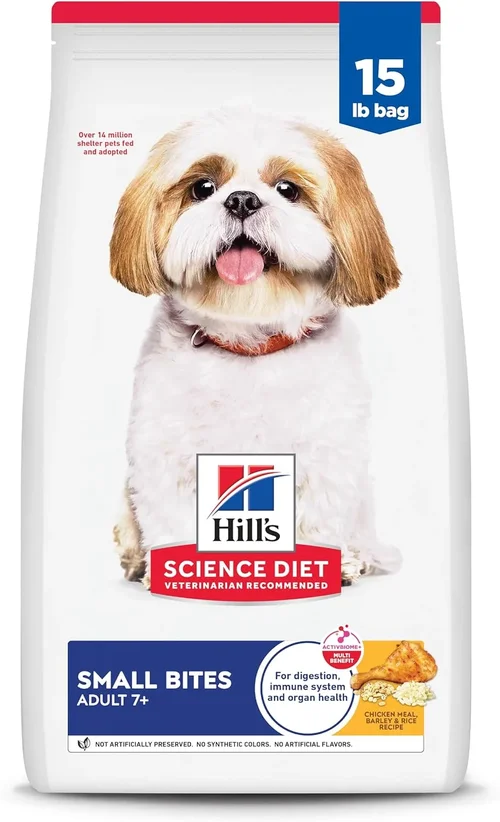
Choosing the right diet food for your dog is one of the most important decisions you’ll make as a pet parent. Just like humans, dogs thrive on balanced nutrition, and what they eat directly impacts their energy levels, coat health, digestion, immune function, and even lifespan. With obesity affecting nearly 56% of dogs in the United States alone, according to the Association for Pet Obesity Prevention, the demand for high-quality, scientifically formulated diet foods has never been higher. Whether your dog is struggling with weight gain, recovering from surgery, managing a chronic condition like diabetes or kidney disease, or simply needs a healthier lifestyle, selecting the right diet food can be transformative.
This comprehensive buying guide is designed to cut through the noise and confusion that often surrounds pet nutrition. The market is flooded with options—ranging from prescription veterinary diets to over-the-counter weight management formulas, grain-free blends, and limited-ingredient recipes. It’s easy to feel overwhelmed by marketing claims like “natural,” “holistic,” or “premium,” many of which lack regulatory oversight. Our goal is to empower you with expert-level knowledge so you can make informed, confident choices tailored to your dog’s unique needs. By the end of this guide, you’ll understand how to evaluate ingredients, interpret labels, compare brands, avoid common pitfalls, and ultimately choose a diet food that supports your dog’s long-term health and happiness.
We’ll explore everything from macronutrient balance and ingredient sourcing to price considerations and brand reliability. You’ll learn how different types of diet foods—such as weight management, therapeutic, senior-specific, and hypoallergenic formulas—cater to distinct health goals. We’ll also debunk myths, highlight red flags in packaging, and provide actionable tips for transitioning your dog to a new diet safely. Whether you’re feeding a Chihuahua or a Great Dane, a puppy or a senior, this guide will equip you with the tools to navigate the complex world of canine nutrition with clarity and confidence.

What to Look for When Buying Dog Diet Food
1. Nutritional Adequacy & AAFCO Compliance
The first and most critical factor in choosing any dog food—especially diet-specific formulas—is whether it meets the nutritional standards set by the Association of American Feed Control Officials (AAFCO). Look for a statement on the packaging that says the food is “complete and balanced” for your dog’s life stage (e.g., growth, maintenance, or senior). For therapeutic diets prescribed by veterinarians, AAFCO may not always apply, but the product should still be formulated under veterinary supervision. Avoid foods that only claim to be “fit for intermittent or supplemental feeding” unless used as directed by a vet. A diet lacking proper nutritional balance can lead to deficiencies or excesses that harm your dog over time.
2. Protein Source and Quality
High-quality animal protein should be the cornerstone of any healthy dog diet, especially for weight management or medical conditions requiring lean muscle preservation. Look for named meat sources like “chicken,” “salmon,” or “lamb” listed as the first ingredient—not vague terms like “meat meal” or “animal by-products.” Whole meats provide essential amino acids, while meat meals (rendered, dried animal tissue) can also be nutritious if sourced responsibly. For dogs with sensitivities, novel proteins like duck, venison, or rabbit may be preferable. Avoid diets where carbohydrates dominate the top ingredients, as this can lead to unnecessary calorie intake and poor satiety.
3. Calorie Density and Portion Control
One of the primary reasons owners seek diet food is to manage or reduce their dog’s weight. Therefore, calorie content per cup or can is crucial. Compare foods using kcal/kg or kcal/cup values—most reputable brands list these on the label. Ideal diet foods for weight loss typically range from 250–350 kcal per cup for dry formulas. However, lower calories aren’t always better; some ultra-low-calorie foods sacrifice nutrient density, requiring larger volumes to meet nutritional needs, which can be impractical for small breeds. Always follow feeding guidelines and adjust based on your dog’s activity level and body condition score (BCS), ideally assessed by your vet.
4. Fiber Content and Digestibility
Fiber plays a dual role in diet foods: it promotes satiety (helping your dog feel full longer) and supports healthy digestion. Look for moderate levels of both soluble and insoluble fiber—sources like beet pulp, pumpkin, psyllium husk, and cellulose are common and effective. However, excessive fiber can interfere with nutrient absorption and cause gastrointestinal upset. The ideal crude fiber content for weight management diets is usually between 8% and 12%. Additionally, highly digestible ingredients ensure your dog absorbs more nutrients and produces less waste, which is especially important for senior dogs or those with sensitive stomachs.
5. Added Functional Ingredients
Many modern diet foods include functional additives designed to support specific health outcomes. For example, L-carnitine is often added to weight management formulas to help convert fat into energy. Omega-3 fatty acids (from fish oil) reduce inflammation and support skin and coat health. Probiotics aid gut microbiome balance, while glucosamine and chondroitin benefit joint health in aging dogs. Antioxidants like vitamin E and selenium boost immune function. While these additions can be beneficial, they shouldn’t replace whole-food nutrition. Always verify that added ingredients are present in meaningful amounts—not just trace quantities for marketing purposes.
6. Ingredient Transparency and Sourcing
Reputable brands disclose not only what’s in their food but also where it comes from. Look for companies that specify country of origin for major ingredients (e.g., “chicken from U.S.-raised farms”) and avoid those that use ambiguous terms like “meat derivatives” or “animal digest.” Transparency extends to manufacturing practices—some brands conduct third-party testing for contaminants like heavy metals or mycotoxins. If a company refuses to answer questions about sourcing or processing, consider it a red flag. Ethical sourcing also matters: sustainably harvested fish, humanely raised poultry, and non-GMO vegetables reflect a brand’s commitment to quality and responsibility.
7. Veterinarian Recommendation and Clinical Backing
For dogs with medical conditions—such as pancreatitis, urinary crystals, or food allergies—prescription or therapeutic diets are often necessary. These are typically available only through veterinarians and are backed by clinical research. Even for non-medical weight loss, consulting your vet before switching foods ensures the chosen diet aligns with your dog’s health status. Some over-the-counter “diet” foods mimic prescription formulas but lack rigorous testing. If your dog has a diagnosed condition, never substitute a vet-recommended diet without professional guidance—doing so could worsen their health.
8. Palatability and Transition Ease
No matter how nutritious a food is, it’s useless if your dog refuses to eat it. Palatability depends on flavor, texture, aroma, and moisture content. Wet diet foods often appeal more to picky eaters due to their strong smell and soft consistency, while dry kibble may be preferred for dental health and convenience. When transitioning to a new diet, do so gradually over 7–10 days, mixing increasing amounts of the new food with the old to prevent digestive upset. Some brands offer trial-sized packages or money-back guarantees—take advantage of these to test acceptance before committing to a large bag.
Different Types of Dog Diet Food

Common Buying Mistakes to Avoid

❌ Mistake: Choosing Based Solely on Price
Why it’s bad: Opting for the cheapest option often means compromising on ingredient quality, nutritional balance, and safety. Low-cost foods may use fillers like corn syrup, soy, or unnamed meat meals that offer little nutritional value and can contribute to weight gain or allergies.
What to do instead: Focus on cost per pound of high-quality protein or per 1,000 kcal. A slightly more expensive food with better ingredients may actually be more economical in the long run due to smaller portion sizes and fewer vet bills.
❌ Mistake: Ignoring Your Dog’s Life Stage and Activity Level
Why it’s bad: Feeding a high-calorie puppy formula to a sedentary senior dog can lead to rapid weight gain. Conversely, underfeeding an active working dog on a low-calorie diet can cause muscle loss and fatigue.
What to do instead: Match the food to your dog’s age, size, breed, and daily activity. Use your vet’s body condition score assessment to determine if your dog needs weight loss, maintenance, or gain.
❌ Mistake: Falling for Marketing Buzzwords
Why it’s bad: Terms like “natural,” “organic,” or “grain-free” are not strictly regulated in pet food and don’t guarantee nutritional superiority. Some grain-free diets have been linked to dilated cardiomyopathy (DCM) in certain breeds due to legume-heavy formulations.
What to do instead: Read the ingredient list and guaranteed analysis, not just the front label. Prioritize AAFCO statements and consult your vet about trendy diets.
❌ Mistake: Not Transitioning Gradually
Why it’s bad: Switching foods abruptly can cause diarrhea, vomiting, or refusal to eat—even if the new food is healthier. The gut microbiome needs time to adapt.
What to do instead: Mix 25% new food with 75% old food for days 1–2, then 50/50 for days 3–4, 75% new for days 5–6, and 100% new by day 7–10. Monitor stool consistency and appetite closely.
❌ Mistake: Overlooking Moisture Content
Why it’s bad: Dry kibble typically contains only 10% moisture, which can contribute to dehydration—especially in dogs with kidney issues or those who don’t drink enough water. Chronic low water intake increases the risk of urinary stones.
What to do instead: Consider adding wet food, bone broth (low-sodium, onion-free), or water to kibble. For dogs with urinary concerns, wet therapeutic diets are often recommended.
❌ Mistake: Assuming All “Diet” Foods Are Equal
Why it’s bad: Not all weight management foods are created equal. Some simply reduce fat without adjusting protein or fiber, leading to muscle loss. Others use artificial sweeteners like xylitol, which is toxic to dogs.
What to do instead: Compare guaranteed analyses side by side. Ensure protein remains high (≥25% on a dry matter basis) and avoid foods with xylitol, propylene glycol, or excessive sugar alcohols.
❌ Mistake: Neglecting Regular Reassessment
Why it’s bad: A dog’s nutritional needs change with age, health status, and lifestyle. A food that worked for weight loss last year may now be too restrictive or insufficient.
What to do instead: Schedule biannual vet checkups and reassess your dog’s diet every 6–12 months. Adjust portions or switch formulas as needed based on body condition and bloodwork.
Budget Guidelines: How Much Should You Spend?
Entry-Level ($20–$35 per 15–20 lb bag): These foods often use by-product meals, corn, wheat, or soy as primary ingredients. While some meet AAFCO standards, they may lack optimal protein quality and include artificial preservatives. Best for temporary use or dogs with no health issues, but not ideal for long-term feeding or medical conditions.
Mid-Range ($35–$60 per bag): This is the sweet spot for most pet owners. Brands in this range typically feature named meat proteins, moderate fiber, and functional additives like probiotics or omega-3s. Many offer both weight management and maintenance formulas with good ingredient transparency. Examples include Hill’s Science Diet Perfect Weight and Purina Pro Plan Weight Management.
Premium ($60–$90 per bag): These diets emphasize human-grade ingredients, novel proteins, and advanced formulations. They often include fresh meats, limited carbohydrates, and scientifically backed supplements. Ideal for dogs with sensitivities, performance needs, or owners seeking top-tier nutrition. Brands like Wellness CORE Reduced Fat and Blue Buffalo Life Protection Healthy Weight fall here.
Luxury ($90+ per bag): Reserved for prescription therapeutic diets (e.g., Royal Canin Veterinary Diet, Hill’s Prescription Diet) or boutique brands using organic, locally sourced, or raw-inspired ingredients. These are essential for managing serious health conditions but come at a significant cost. Only invest if recommended by your veterinarian.

Expert Tips for Getting the Best Deal
– Time your purchases: Major retailers offer deep discounts during Black Friday, Cyber Monday, and end-of-season clearances. Sign up for newsletters to get early access to promotions.
– Use subscription services: Autoship programs from Chewy, Amazon, or brand websites often include 5–15% off plus free shipping. You can pause or cancel anytime.
– Compare unit prices: Don’t just look at total cost—calculate price per pound or per 1,000 kcal to find true value. A larger bag isn’t always cheaper per unit.
– Check return policies: If your dog refuses the food, can you return it? Reputable retailers allow returns within 30–60 days, even for opened bags.
– Ask your vet for samples: Many veterinary clinics provide free samples of prescription or therapeutic diets. This lets you test palatability before buying a full bag.
– Read verified buyer reviews: Look for patterns in feedback—consistent complaints about smell, texture, or digestive issues are red flags.
– Watch for recalls: Subscribe to FDA pet food recall alerts. Brands with frequent recalls may have quality control issues.
– Consider mixing diets: Some owners combine a high-quality dry food with a small amount of wet food to boost moisture and flavor without breaking the bank.

Frequently Asked Questions
Q: Can I feed my overweight dog regular food in smaller portions instead of diet food?
A: While reducing portion size can help, regular dog food isn’t formulated for weight loss. It often lacks sufficient fiber for satiety and may not maintain lean muscle mass during calorie restriction. Diet-specific foods are scientifically balanced to support safe, effective weight loss while meeting all nutritional needs.
Q: Is grain-free diet food always better for dogs?
A: Not necessarily. Grains like rice, oats, and barley provide digestible carbohydrates and fiber. Unless your dog has a diagnosed grain allergy (which is rare), whole grains can be part of a healthy diet. Recent FDA investigations suggest some grain-free diets high in peas, lentils, or potatoes may increase DCM risk in certain breeds.
Q: How long does it take to see results from a diet food?
A: Most dogs begin losing weight within 4–6 weeks of consistent feeding and exercise. However, gradual weight loss (1–2% of body weight per week) is safer than rapid loss. Monitor progress with monthly weigh-ins and body condition scoring.
Q: Can puppies or pregnant dogs eat diet food?
A: No. Diet foods are formulated for adult maintenance or weight loss and lack the higher calorie, protein, and nutrient density required for growth, lactation, or gestation. Always choose life-stage-appropriate formulas for puppies, pregnant, or nursing dogs.
Q: What if my dog has multiple health issues (e.g., diabetes and kidney disease)?
A: This requires careful veterinary guidance. Some conditions have conflicting dietary needs—for example, kidney diets are low in protein, while diabetic dogs benefit from consistent protein intake. Your vet may recommend a custom formulation or prioritize one condition while managing the other with medication.
Q: Are raw or homemade diets better than commercial diet foods?
A: Raw and homemade diets carry risks of bacterial contamination, nutritional imbalances, and high costs. While some dogs thrive on them, they require extensive knowledge and veterinary supervision. For most owners, high-quality commercial diet foods offer safer, more convenient, and scientifically validated nutrition.
Q: How do I know if my dog is allergic to an ingredient in their diet food?
A: Food allergies typically manifest as chronic itching, ear infections, or gastrointestinal issues (vomiting, diarrhea). Unlike intolerances, true allergies involve the immune system. An elimination diet under vet supervision—feeding a novel protein and carbohydrate for 8–12 weeks—is the gold standard for diagnosis.
Q: Can I mix two different diet foods?
A: Generally, it’s not recommended unless advised by your vet. Mixing formulas can alter the nutritional balance, especially in therapeutic diets. If transitioning, stick to one food at a time and follow a gradual schedule.
Q: Is it safe to add supplements to diet food?
A: Only if approved by your veterinarian. Many diet foods already include balanced levels of vitamins and minerals. Adding extra supplements can lead to toxicity (e.g., too much vitamin D or calcium). Always disclose all supplements during vet visits.
Q: What should I do if my dog refuses to eat the new diet food?
A: First, ensure the transition was gradual. Try warming the food slightly, adding low-sodium broth, or mixing in a small amount of wet food. If refusal persists beyond 48 hours, consult your vet—it could signal an underlying health issue or the need for a different formula.
Our Final Recommendations
– Best for Budget-Conscious Buyers: Purina Pro Plan Weight Management Formula – Offers excellent value with real chicken as the first ingredient, added L-carnitine, and AAFCO compliance. Widely available and vet-trusted.
– Best Overall Value: Hill’s Science Diet Perfect Weight – Clinically proven to help dogs lose weight while maintaining muscle mass. Contains prebiotic fiber for digestive health and comes in both dry and wet options.
– Best Premium Option: Wellness CORE Reduced Fat Grain-Free – Features deboned turkey, turkey meal, and pea fiber for high protein and moderate fat. Ideal for active dogs needing lean nutrition without grains.
– Best for Beginners: Blue Buffalo Life Protection Healthy Weight – Easy-to-find, affordable, and made with natural ingredients. Includes LifeSource Bits for antioxidants and avoids poultry by-product meals.
– Best for Advanced Users (Medical Needs): Royal Canin Veterinary Diet Canine Gastrointestinal Low Fat – Prescription-only formula for dogs with pancreatitis or sensitive digestion. Highly digestible and formulated under strict veterinary standards.
Conclusion: Making the Right Choice
Selecting the best diet food for your dog isn’t just about shedding pounds—it’s about investing in their vitality, longevity, and overall well-being. The right choice depends on a careful evaluation of your dog’s age, health status, activity level, and individual sensitivities, balanced against your budget and lifestyle. Remember, no single food is perfect for every dog, and what works today may need adjustment tomorrow.
Prioritize transparency, scientific backing, and veterinary input over flashy packaging or trendy labels. Take the time to read labels, compare options, and monitor your dog’s response closely. A successful dietary transition leads not only to a healthier weight but also to shinier coats, better digestion, more energy, and fewer trips to the vet.
Ultimately, you are your dog’s best advocate. Armed with the knowledge from this guide, you’re now equipped to navigate the complex world of canine nutrition with confidence. Don’t rush the decision—take your time, ask questions, and choose a diet that supports your dog’s unique journey toward optimal health. Your furry friend deserves nothing less.