
As our beloved canine companions age, their nutritional needs shift dramatically—especially for those who are less active. Senior dogs often face challenges like slower metabolisms, joint stiffness, weight gain, and declining organ function. Choosing the right dog food becomes more than just a matter of preference; it’s a critical component of maintaining their health, mobility, and quality of life in their golden years. Unfortunately, the pet food market is flooded with options, many of which are marketed as “senior” but fail to deliver on essential nutritional support. This guide cuts through the noise to help you make an informed, compassionate decision for your aging, less active dog.
In this comprehensive buyer’s guide, you’ll learn exactly what to look for in senior dog food—from ingredient quality and caloric density to joint support and digestive health. We’ll break down the key factors that matter most for older, less active dogs, compare different types of senior diets, highlight common pitfalls to avoid, and provide actionable tips to get the best value for your money. Whether you’re caring for a 10-year-old Labrador or a 14-year-old Chihuahua, this guide will equip you with the knowledge to choose a diet that supports longevity, comfort, and vitality.
The senior dog food market has evolved significantly in recent years, with brands investing heavily in research-backed formulations. However, not all “senior” labels are created equal. Some prioritize marketing over science, while others overlook the unique needs of low-energy dogs. By understanding what truly matters—and what’s just fluff—you can confidently select a food that aligns with your dog’s age, breed, activity level, and health status. Let’s dive into the essentials.

What to Look for When Buying Senior Dog Food
1. Caloric Density and Portion Control
One of the most critical considerations for older, less active dogs is caloric intake. As dogs age, their metabolism naturally slows down—by up to 20–30%—and reduced physical activity means they burn fewer calories. Feeding a high-calorie diet designed for active adults can quickly lead to weight gain, which exacerbates joint problems, diabetes, heart disease, and reduced mobility. Look for senior formulas that are moderately calorie-dense but not excessively so. Ideal senior dog foods typically range between 300–380 kcal per cup, depending on the brand and formulation.
Pay close attention to feeding guidelines on the packaging. Many owners overfeed simply because they don’t adjust portions for reduced activity. A 50-pound senior dog who’s mostly sedentary may only need 1.5 to 2 cups per day, whereas the same dog at peak activity might require 2.5 to 3 cups. Choose brands that provide clear, breed- and weight-specific feeding charts. Some premium brands even offer online calculators to help you determine the right amount based on your dog’s age, weight, and activity level.
2. High-Quality Protein Sources
Contrary to popular belief, senior dogs need just as much—if not more—high-quality protein than younger dogs. Muscle mass naturally declines with age (a condition called sarcopenia), and adequate protein helps preserve lean body mass, supports immune function, and aids in tissue repair. However, the source and digestibility of protein matter greatly. Look for named animal proteins as the first ingredient—such as “chicken,” “deboned turkey,” or “salmon”—rather than vague terms like “meat meal” or “animal by-products.”
Ideal senior dog foods contain 22–28% crude protein on a dry matter basis. Avoid formulas that rely heavily on plant-based proteins (like corn gluten meal or soy), as these are less bioavailable and harder for older dogs to digest. Additionally, consider the protein-to-fat ratio. While protein is essential, too much fat can contribute to weight gain. A balanced ratio ensures your dog gets the amino acids they need without excess calories.
3. Joint Support Ingredients
Arthritis and joint stiffness are common in older dogs, especially larger breeds. The right diet can play a significant role in managing discomfort and maintaining mobility. Look for foods enriched with glucosamine, chondroitin, and omega-3 fatty acids (particularly EPA and DHA from fish oil). These compounds have been clinically shown to reduce inflammation, support cartilage health, and improve joint lubrication.
Some premium senior formulas also include green-lipped mussel extract, MSM (methylsulfonylmethane), or turmeric—natural anti-inflammatory agents. While no food can replace veterinary care for severe arthritis, a diet rich in joint-supportive nutrients can slow progression and enhance comfort. If your dog shows signs of stiffness, limping, or reluctance to climb stairs, prioritize brands that emphasize joint health in their formulation.
4. Digestive Health and Fiber Content
Senior dogs often experience slower digestion, reduced gut motility, and increased susceptibility to constipation or diarrhea. A diet with the right balance of fiber is essential. Look for moderate levels of fermentable fiber from sources like beet pulp, pumpkin, chicory root, or flaxseed. These ingredients support healthy gut bacteria (probiotics), improve stool quality, and enhance nutrient absorption.
Avoid foods with excessive fillers like corn, wheat, or soy, which can irritate sensitive digestive systems. Some senior formulas include prebiotics (like FOS and MOS) or probiotics to promote a balanced microbiome. If your dog has a history of gastrointestinal issues, consider a limited-ingredient or novel protein diet (e.g., duck, venison, or hydrolyzed protein) to reduce the risk of food sensitivities.
5. Antioxidants and Immune Support
As dogs age, their immune systems weaken, making them more vulnerable to infections, chronic diseases, and oxidative stress. Antioxidants like vitamin E, vitamin C, beta-carotene, and selenium help neutralize free radicals and support cellular health. Many high-quality senior dog foods are fortified with these nutrients, often in combination with fruits and vegetables like blueberries, spinach, carrots, and sweet potatoes.
Look for formulas that list specific antioxidant sources rather than generic “mixed tocopherols” (which are primarily preservatives). A diet rich in natural antioxidants can help slow cognitive decline, support eye health, and reduce inflammation throughout the body. Some brands even include cognitive support ingredients like L-carnitine or medium-chain triglycerides (MCTs) to help maintain brain function in aging dogs.
6. Low to Moderate Fat Content
While fat is a concentrated energy source, older, less active dogs are prone to weight gain and pancreatitis—especially if they have a history of digestive issues. Senior dog foods should contain moderate fat levels, typically between 10–15% on a dry matter basis. Excess fat not only contributes to obesity but can also strain the liver and pancreas.
That said, not all fats are bad. Omega-3 and omega-6 fatty acids are essential for skin, coat, and joint health. The key is balance. Avoid foods with high-fat content (over 18%) unless your dog is underweight or has specific medical needs. Also, check the source of fat—named animal fats (like chicken fat) are preferable to generic “animal fat” or vegetable oils high in omega-6, which can promote inflammation if not balanced with omega-3s.
7. Dental Health Considerations
Dental disease is rampant in senior dogs, with over 80% of dogs over age three showing signs of periodontal disease. While no dry food can fully replace dental cleanings, some kibble is designed to reduce plaque and tartar buildup. Look for kibble with a larger, denser shape or a “dental” formulation that encourages chewing and mechanical cleaning of teeth.
Some brands incorporate enzymes or additives like sodium hexametaphosphate (SHMP) to inhibit tartar formation. If your dog has existing dental issues, consider softer textures or wet food options that are easier to eat. However, avoid foods with excessive carbohydrates or sugars, as these can contribute to tooth decay. Regular vet check-ups and dental care remain essential, but the right diet can be a helpful complement.
8. Brand Transparency and Ingredient Sourcing
Not all pet food companies are equally transparent about their sourcing, manufacturing, or testing practices. Choose brands that disclose where their ingredients come from, whether they conduct feeding trials, and if they adhere to AAFCO (Association of American Feed Control Officials) standards. Reputable brands often publish nutritional adequacy statements and provide detailed ingredient breakdowns on their websites.
Avoid companies that use vague terms like “flavor,” “by-product meal,” or “digest.” These can indicate lower-quality ingredients or inconsistent sourcing. Look for brands that prioritize human-grade or ethically sourced proteins, avoid artificial preservatives (like BHA, BHT, or ethoxyquin), and use natural preservatives like mixed tocopherols or rosemary extract. Transparency builds trust—and ensures your dog gets consistent, high-quality nutrition.
Different Types of Senior Dog Food

Common Buying Mistakes to Avoid
❌ Mistake: Choosing Based Solely on “Senior” Labeling
Why it’s bad: The term “senior” is not regulated by the FDA or AAFCO, meaning any brand can use it regardless of nutritional content. Some “senior” foods are nearly identical to adult formulas, with only minor tweaks. Relying on the label alone can lead to feeding a diet that doesn’t meet your dog’s specific needs.
What to do instead: Read the ingredient list and guaranteed analysis. Look for lower calories, higher protein, and joint-supporting nutrients. Compare the food’s nutritional profile to AAFCO senior standards rather than trusting the packaging.
❌ Mistake: Overfeeding Due to Reduced Activity
Why it’s bad: Many owners continue feeding the same amount as when their dog was younger, leading to obesity. Even a 10% weight gain can significantly impact joint health and lifespan in senior dogs.
What to do instead: Adjust portions based on your dog’s current weight and activity level. Use a body condition score (BCS) chart to assess if your dog is under, over, or at an ideal weight. Consult your vet for personalized feeding recommendations.
❌ Mistake: Ignoring Protein Quality
Why it’s bad: Some senior foods use low-quality protein sources like corn gluten meal or meat by-products, which are less digestible and don’t support muscle maintenance. This can accelerate sarcopenia and weaken the immune system.
What to do instead: Prioritize named animal proteins as the first ingredient. Check the crude protein percentage and ensure it’s from high-bioavailability sources. Avoid foods where plant proteins dominate the top ingredients.
❌ Mistake: Neglecting Hydration
Why it’s bad: Senior dogs are more prone to dehydration, especially if they eat only dry food. Dehydration can worsen kidney function, cause urinary tract issues, and reduce overall vitality.
What to do instead: Add water or low-sodium broth to dry kibble, or incorporate wet food into their diet. Ensure fresh water is always available, and monitor water intake—especially in hot weather or if your dog has kidney concerns.
❌ Mistake: Switching Foods Too Quickly
Why it’s bad: Sudden diet changes can upset your dog’s digestive system, leading to diarrhea, vomiting, or refusal to eat. This is especially risky for older dogs with sensitive stomachs.
What to do instead: Transition gradually over 7–10 days, mixing increasing amounts of the new food with the old. Start with 25% new food and 75% old, then adjust weekly until fully switched.
❌ Mistake: Overlooking Vet Recommendations
Why it’s bad: Senior dogs often have underlying health conditions (e.g., kidney disease, diabetes, heart issues) that require specialized nutrition. Feeding a generic senior food may worsen these conditions.
What to do instead: Schedule regular vet check-ups and discuss your dog’s diet with a professional. If your dog has a medical condition, ask about prescription diets or vet-recommended brands that address their specific needs.
❌ Mistake: Prioritizing Price Over Quality
Why it’s bad: Cheap dog foods often contain fillers, artificial additives, and low-quality ingredients that provide little nutritional value. Over time, this can lead to health problems that cost more in vet bills than the savings on food.
What to do instead: View dog food as an investment in your dog’s health. Mid-range and premium brands often offer better ingredients, higher digestibility, and targeted support—leading to fewer health issues and lower long-term costs.
Budget Guidelines: How Much Should You Spend?
When it comes to senior dog food, price doesn’t always equal quality—but it often correlates with ingredient sourcing, research, and manufacturing standards. Here’s a realistic breakdown of what to expect at different price points:
- Entry-Level ($1.00–$2.00/lb): These foods are typically available at big-box stores and supermarkets. While convenient, they often contain fillers like corn, wheat, and soy, along with by-product meals and artificial preservatives. Protein sources may be vague or plant-heavy. Best for short-term use or dogs with no health issues, but not ideal for long-term senior nutrition.
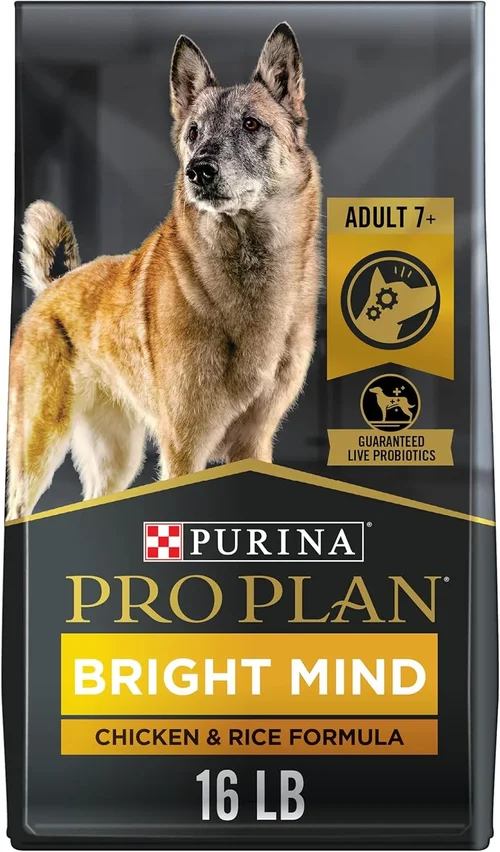
- Mid-Range ($2.00–$3.50/lb): This is the sweet spot for most senior dog owners. Brands in this range (like Hill’s Science Diet, Royal Canin, and Purina Pro Plan) offer balanced nutrition with named animal proteins, moderate fat, and added joint support. Many are AAFCO-compliant and backed by feeding trials. Great for dogs with mild health concerns or those transitioning from adult food.
- Premium ($3.50–$5.50/lb): These foods prioritize high-quality ingredients, often including human-grade proteins, limited fillers, and added functional nutrients like probiotics, antioxidants, and omega-3s. Brands like Wellness, Blue Buffalo, and Nutro fall here. Ideal for dogs with sensitivities, joint issues, or owners who want to maximize longevity and vitality.
- Luxury ($5.50+/lb): At the top end are fresh, freeze-dried, and veterinary prescription diets. These offer the highest ingredient quality, minimal processing, and targeted health support. While expensive, they can be transformative for dogs with chronic conditions or those needing highly digestible, nutrient-dense meals. Best for owners willing to invest in their dog’s long-term health.
Expert Tips for Getting the Best Deal
Finding the right senior dog food doesn’t have to break the bank. With a few smart strategies, you can get high-quality nutrition at a fair price:
- Buy During Seasonal Sales: Major pet retailers often run promotions in January (New Year’s health resolutions), July (summer clearance), and November (Black Friday). Stock up during these periods to save on premium brands.
- Compare Online vs. In-Store Prices: Online retailers like Chewy, Amazon, and Petco often offer lower prices, free shipping, and subscription discounts. However, check for auto-ship deals and return policies before committing.
- Look for Manufacturer Rebates and Coupons: Brands like Hill’s, Royal Canin, and Purina frequently offer mail-in rebates or digital coupons through their websites or vet clinics. These can reduce the cost of prescription or premium foods significantly.
- Consider Store Brands with Vet Approval: Some pet stores (like PetSmart’s Authority or Petco’s WholeHearted) offer high-quality senior formulas at lower prices than name brands. Many are formulated with veterinary input and meet AAFCO standards.
- Read Return Policies: If your dog doesn’t take to a new food, you’ll want the option to return it. Most reputable retailers allow returns within 30–60 days, even if the bag is opened—especially if your dog has a reaction.
- Test Small Quantities First: Before buying a 30-pound bag, try a smaller size or sample pack. Many brands offer trial sizes or money-back guarantees for first-time buyers.
- Ask Your Vet for Samples: Veterinarians often receive free samples of prescription or premium senior foods. Ask if they have any to try before purchasing.
- Join Loyalty Programs: Sign up for rewards programs at pet stores or online retailers. Points can be redeemed for discounts, free shipping, or exclusive deals.

Frequently Asked Questions
Q: When should I switch my dog to senior food?
A: Most dogs can transition to senior food between 7 and 10 years of age, depending on breed and size. Small breeds may wait until 10, while large breeds (like Great Danes or Mastiffs) may benefit from switching as early as 6. Consult your vet to determine the best timing based on your dog’s health and activity level.
Q: Can I mix wet and dry senior food?
A: Absolutely! Many owners combine wet and dry food to increase palatability, improve hydration, and make meals more appealing for picky eaters. Just adjust portions to avoid overfeeding—wet food is typically higher in moisture and lower in calories per volume.
Q: Is grain-free senior food better?
A: Not necessarily. While some dogs benefit from grain-free diets due to allergies, there’s no evidence that grain-free is inherently better for senior dogs. In fact, recent FDA investigations have linked certain grain-free diets to heart disease (DCM). Unless your dog has a diagnosed grain allergy, whole grains like oats, barley, or brown rice can be healthy sources of fiber and energy.
Q: How often should I feed my senior dog?
A: Most senior dogs do well with two meals per day, which helps regulate digestion and blood sugar. Avoid free-feeding, as it can lead to overeating and weight gain. Consistent meal times also support routine and reduce anxiety.
Q: What if my senior dog refuses to eat?
A: Loss of appetite in older dogs can signal dental pain, illness, or depression. Try warming the food, adding low-sodium broth, or switching to a more aromatic formula. If refusal persists for more than 24–48 hours, consult your vet immediately—it could indicate a serious health issue.
Q: Can senior dog food help with bad breath?
A: While no food can fully eliminate bad breath caused by dental disease, some senior formulas include ingredients that reduce plaque and tartar. However, regular dental cleanings and chew toys are more effective. If breath is unusually foul, it may indicate gum disease or internal issues—see your vet.
Q: Are supplements necessary with senior dog food?
A: It depends. Many high-quality senior foods already include joint, immune, and cognitive support. However, if your dog has specific conditions (e.g., severe arthritis or kidney disease), your vet may recommend additional supplements like fish oil, glucosamine, or probiotics. Always consult a professional before adding supplements to avoid overdosing.
Q: How long can I keep opened senior dog food?
A: Once opened, dry kibble should be stored in an airtight container and used within 6 weeks to maintain freshness and prevent rancidity. Wet food should be refrigerated and consumed within 3–5 days. Check expiration dates and avoid feeding expired food, as nutrient degradation can occur.
Q: Is it safe to feed senior food to younger dogs?
A: Generally, no. Senior foods are lower in calories and may not provide enough energy or nutrients for growing or active dogs. Feeding senior food to a puppy or adult dog can lead to malnutrition or stunted growth. Stick to age-appropriate formulas unless directed by a vet.
Our Final Recommendations
After extensive research and analysis, here are our top picks for senior dog food in 2026, tailored to different needs and budgets:
- Best for Budget-Conscious Buyers: Purina Pro Plan Bright Mind Adult 7+ – Offers excellent value with real chicken, added DHA for cognitive support, and a balanced nutrient profile. Priced under $2.50/lb, it’s a reliable choice for healthy seniors.
- Best Overall Value: Hill’s Science Diet Adult 7+ Small Bites – Formulated with veterinarians, this food includes high-quality protein, joint support, and easy-to-digest ingredients. Ideal for small to medium breeds with mild health concerns.
- Best Premium Option: Wellness Complete Health Senior Deboned Chicken & Barley – Features named animal proteins, probiotics, and antioxidant-rich fruits and vegetables. Great for owners seeking natural, holistic nutrition without fillers.
- Best for Beginners: Blue Buffalo Life Protection Formula Senior – A user-friendly option with clear labeling, real meat, and added glucosamine. Easy to find in stores and online, making it a great starting point for new senior dog owners.
- Best for Advanced Users: The Honest Kitchen Human Grade Dehydrated Senior Dog Food – A minimally processed, whole-food diet that’s rehydrated with water. Perfect for owners who want maximum control over ingredients and are willing to invest in top-tier nutrition.
Conclusion: Making the Right Choice
Choosing the best senior dog food for your less active companion is one of the most impactful decisions you can make for their health and happiness. It’s not just about extending their life—it’s about enhancing the quality of every moment they have left with you. By focusing on caloric balance, high-quality protein, joint support, and digestive health, you can help your dog stay comfortable, mobile, and vibrant well into their golden years.
Remember, every dog is unique. What works for one senior may not suit another. Use this guide as a foundation, but always tailor your choice to your dog’s individual needs, preferences, and health status. Consult your veterinarian regularly, monitor your dog’s weight and energy levels, and don’t hesitate to adjust their diet as they age.
Your senior dog has given you years of loyalty, love, and joy. Now, it’s your turn to give them the best care possible—starting with the food in their bowl. With the right nutrition, you can ensure their later years are filled with comfort, dignity, and the simple pleasures of life by your side.