
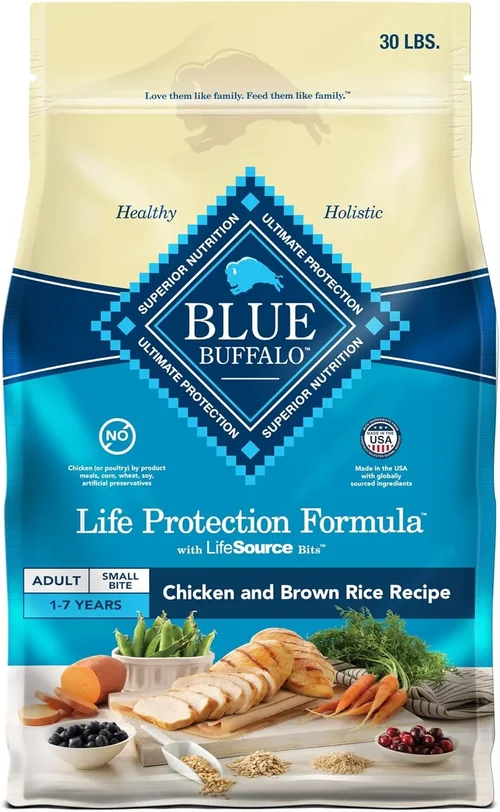
Choosing the right dog food for your furry companion is one of the most important decisions you’ll make as a pet parent. It’s not just about filling their bowl—it’s about supporting their long-term health, energy levels, coat quality, digestion, and overall well-being. With thousands of brands, formulas, and marketing claims flooding the market, it’s easy to feel overwhelmed. That’s why this comprehensive buying guide exists: to cut through the noise, debunk myths, and help you make an informed, confident decision based on science, transparency, and your dog’s unique needs.
In this guide, you’ll learn how to evaluate dog food like a pro—understanding ingredient lists, nutritional requirements, life stage considerations, and budget realities. We’ll walk you through the key factors that truly matter, compare different types of dog food (kibble, wet, raw, freeze-dried), highlight common pitfalls to avoid, and provide expert-backed recommendations tailored to various lifestyles and budgets. Whether you’re feeding a tiny Chihuahua or a giant Great Dane, a senior dog with joint issues or a high-energy puppy, this guide equips you with the knowledge to choose the best possible nutrition for your canine companion.
The dog food industry has exploded in recent years, with everything from boutique organic brands to mass-market giants vying for your attention. While innovation has brought better ingredients and more specialized formulas, it’s also led to confusion. Terms like “natural,” “grain-free,” “human-grade,” and “holistic” are often used loosely—sometimes even misleadingly. Our goal is to help you navigate this complex landscape with clarity and confidence, so you can focus less on marketing hype and more on what actually nourishes your dog.

What to Look for When Buying Dog Food
1. Nutritional Adequacy & AAFCO Compliance
One of the most critical factors in choosing dog food is whether it meets established nutritional standards. The Association of American Feed Control Officials (AAFCO) sets guidelines for complete and balanced pet nutrition. Look for a statement on the packaging that says the food is “formulated to meet AAFCO Dog Food Nutrient Profiles” or has undergone feeding trials. This ensures the food provides all essential nutrients in proper proportions.
Why it matters: Dogs have specific dietary needs that vary by age, size, and activity level. A food that isn’t nutritionally complete can lead to deficiencies or excesses over time, potentially causing serious health issues like heart disease, bone disorders, or immune dysfunction. For example, some grain-free diets have been linked to dilated cardiomyopathy (DCM) in dogs due to imbalances in taurine and other nutrients.
What to look for: Always check the back or side panel for the AAFCO statement. It should specify whether the food is suitable for “growth,” “maintenance,” “all life stages,” or “gestation/lactation.” If you’re feeding a puppy, avoid adult maintenance formulas—they lack the extra calcium, protein, and calories growing dogs need.
2. Ingredient Quality & Transparency
Not all ingredients are created equal. High-quality dog food starts with real, identifiable protein sources—like chicken, beef, lamb, or fish—listed as the first ingredient. Avoid vague terms like “meat meal” or “animal by-product meal,” which can include low-quality or inconsistent sources.
Why it matters: Dogs are primarily carnivores and thrive on animal-based proteins. The quality of these proteins directly impacts muscle development, energy, and coat health. Additionally, whole foods like sweet potatoes, peas, carrots, and blueberries provide natural vitamins, minerals, and antioxidants that support immune function and digestion.
What to look for: Prioritize brands that list specific meat sources (e.g., “deboned chicken” instead of “poultry”) and avoid artificial preservatives (like BHA, BHT, or ethoxyquin), colors, and flavors. Transparency is key—brands that publish full ingredient sourcing information and manufacturing practices are generally more trustworthy.
For example, a high-quality kibble might list: “Deboned chicken, chicken meal, brown rice, oatmeal, peas, chicken fat (preserved with mixed tocopherols), flaxseed…” This tells you exactly what you’re feeding your dog. In contrast, a lower-quality option might read: “Meat meal, corn, wheat, soy, artificial flavors…”—ingredients that are harder to identify and potentially less nutritious.
3. Life Stage & Breed-Specific Needs
Dogs have different nutritional requirements depending on their age, size, and breed. Puppies need more calories, protein, and calcium for growth, while senior dogs benefit from lower-calorie diets with joint-supporting supplements like glucosamine and chondroitin. Large breeds are prone to hip dysplasia and may require controlled calcium levels, while small breeds often have faster metabolisms and need nutrient-dense food.
Why it matters: Feeding the wrong formula can lead to developmental problems, obesity, or chronic health issues. For instance, large-breed puppies fed high-calorie diets may grow too quickly, increasing the risk of skeletal disorders. Similarly, senior dogs with reduced activity levels can easily become overweight on standard adult food.
What to look for: Choose a food specifically formulated for your dog’s life stage (puppy, adult, senior) and, if possible, their size (small, medium, large). Some brands offer breed-specific formulas—like those for German Shepherds or Golden Retrievers—that address common health concerns. Always consult your veterinarian if your dog has special dietary needs due to medical conditions.
4. Digestibility & Gut Health
A food can have premium ingredients, but if your dog can’t digest it properly, those nutrients go to waste. Digestibility refers to how well your dog’s body can break down and absorb the food. High digestibility means more nutrients are used and less waste is produced.
Why it matters: Poor digestion can lead to gas, bloating, diarrhea, or constipation. Over time, it may contribute to inflammatory bowel disease (IBD) or food sensitivities. A highly digestible diet supports a healthy gut microbiome, which is linked to immune function, mood, and even skin health.
What to look for: Look for easily digestible protein sources (like chicken, turkey, or salmon), moderate fiber content (from sources like pumpkin or beet pulp), and added probiotics or prebiotics. Brands like Purina Pro Plan and Hill’s Science Diet often include live probiotics to support gut health.
You can also monitor your dog’s stool quality—firm, well-formed stools are a good sign of digestibility. If your dog has frequent loose stools or excessive gas, it may be time to switch foods.
5. Allergies & Sensitivities
Food allergies and sensitivities are more common than many pet owners realize. Symptoms can include itchy skin, ear infections, chronic licking, vomiting, or diarrhea. While true food allergies are relatively rare (affecting about 10% of dogs with skin issues), food intolerances are more widespread.
Why it matters: Chronic discomfort from allergies can significantly impact your dog’s quality of life. Identifying and eliminating trigger ingredients can lead to dramatic improvements in health and happiness.
What to look for: Common allergens include beef, dairy, chicken, wheat, soy, and eggs. If you suspect a food sensitivity, consider a limited-ingredient diet (LID) with a novel protein (like duck, venison, or rabbit) and a single carbohydrate source (like sweet potato or peas). Brands like Natural Balance, Wellness Simple, and Blue Buffalo Basics specialize in LID formulas.
Important: Always conduct an elimination diet under veterinary supervision. Simply switching to a “grain-free” or “natural” food won’t solve the problem if the real allergen is still present.
6. Budget & Price Range
Dog food prices vary widely—from under $1 per pound for budget kibble to over $5 per pound for premium raw or freeze-dried options. While it’s tempting to go for the cheapest option, remember that you often get what you pay for.
Why it matters: Lower-cost foods often use fillers, by-products, and artificial additives to cut costs. These may save money upfront but can lead to higher veterinary bills down the line due to health issues. Conversely, the most expensive food isn’t always the best—some brands charge a premium for marketing, not nutrition.
What to look for: Aim for the best value within your budget. Mid-range brands like Merrick, Taste of the Wild, and Nutro offer high-quality ingredients at reasonable prices. Calculate cost per feeding, not just per bag—some foods are more calorie-dense, so you feed less.
For example, a 30-pound bag of premium kibble at $70 may seem expensive, but if it lasts two months for a 50-pound dog, that’s about $1.17 per day. Compare that to a $40 bag that lasts only three weeks—$1.90 per day. Always do the math.
7. Brand Reputation & Transparency
Not all dog food brands are equally trustworthy. Some have a long history of quality and safety, while others have faced recalls or lack transparency about sourcing and manufacturing.
Why it matters: A brand’s reputation reflects its commitment to safety, quality control, and ethical practices. Recalls due to contamination (like aflatoxin or Salmonella) can pose serious health risks. Transparency builds trust—brands that openly share information about ingredient sourcing, testing, and manufacturing are more likely to be reliable.
What to look for: Research the brand’s history. Have they had recalls? Do they publish third-party test results? Are they members of the Pet Food Institute or other industry groups? Look for brands that conduct feeding trials, not just formulate to AAFCO standards.
Reputable brands like Royal Canin, Hill’s Science Diet, and Orijen have veterinary nutritionists on staff and invest heavily in research. Smaller brands like The Honest Kitchen or Open Farm emphasize traceability and ethical sourcing.
8. Packaging & Freshness
Even the best ingredients can degrade if the food isn’t stored or packaged properly. Exposure to air, light, and moisture can cause fats to oxidize and vitamins to break down, reducing nutritional value and potentially creating harmful compounds.
Why it matters: Rancid fats can cause digestive upset and long-term health issues. Fresh food supports better palatability and nutrient absorption.
What to look for: Choose foods in sealed, resealable bags with oxygen barriers. Avoid damaged or bloated packaging, which may indicate spoilage. Store food in a cool, dry place and use it within the recommended timeframe after opening (usually 4–6 weeks for kibble).
Some premium brands use nitrogen-flushed packaging to extend freshness. Freeze-dried and dehydrated foods often have longer shelf lives and retain more nutrients than traditional kibble.
Different Types of Dog Food

Common Buying Mistakes to Avoid

❌ Mistake: Choosing Based on Marketing Claims
Why it’s bad: Terms like “natural,” “premium,” or “holistic” are not regulated and can be misleading. A food labeled “grain-free” might still contain low-quality fillers like potatoes or peas in excess, which can contribute to heart issues in some dogs.
What to do instead: Focus on the ingredient list and nutritional adequacy statement, not the front label. Research the brand’s reputation and look for third-party certifications like AAFCO compliance or NSF certification.
❌ Mistake: Ignoring Your Dog’s Individual Needs
Why it’s bad: Feeding a one-size-fits-all diet can lead to nutritional imbalances. A high-protein food might be great for an active Border Collie but too rich for a sedentary Bulldog.
What to do instead: Consider your dog’s age, size, breed, activity level, and health status. Consult your vet for personalized recommendations, especially if your dog has medical conditions.
❌ Mistake: Switching Foods Too Quickly
Why it’s bad: Sudden changes can cause digestive upset, including diarrhea and vomiting. Dogs have sensitive digestive systems that need time to adapt.
What to do instead: Transition gradually over 7–10 days, mixing increasing amounts of the new food with the old. Start with 25% new food, then 50%, then 75%, before fully switching.
❌ Mistake: Overfeeding or Underfeeding
Why it’s bad: Obesity is a leading health issue in dogs and can shorten lifespan. Underfeeding can lead to malnutrition and low energy.
What to do instead: Follow the feeding guidelines on the package as a starting point, then adjust based on your dog’s body condition. Use a body condition score chart—your dog should have a visible waist and you should be able to feel (not see) their ribs.
❌ Mistake: Buying the Most Expensive Option
Why it’s bad: High price doesn’t always equal high quality. Some premium brands charge more for packaging and marketing than for superior ingredients.
What to do instead: Compare ingredient lists and nutritional profiles across brands. Look for value—best nutrition per dollar—not just the highest price tag.
❌ Mistake: Neglecting Water Intake
Why it’s bad: Dogs on dry food especially need access to fresh water. Dehydration can lead to kidney stones, urinary tract infections, and other issues.
What to do instead: Always provide clean, fresh water. Consider adding wet food or water to kibble to increase moisture intake, especially for senior dogs or those prone to urinary issues.
❌ Mistake: Not Reading the Full Label
Why it’s bad: The front of the bag is designed to sell; the back contains the facts. Skipping the ingredient list and feeding guidelines can lead to poor choices.
What to do instead: Always read the entire label—ingredients, guaranteed analysis, feeding instructions, and AAFCO statement. If you can’t understand it, the food may not be right for your dog.
Budget Guidelines: How Much Should You Spend?
- Entry-Level ($1.00–$2.00 per pound): These foods often contain fillers like corn, wheat, and soy, and may use by-product meals. They meet basic AAFCO standards but may lack optimal nutrition. Best for temporary use or multi-dog households on a tight budget. Examples: Pedigree, Purina Dog Chow.
- Mid-Range ($2.00–$3.50 per pound): This is the sweet spot for most pet owners. These brands use real meat as the first ingredient, avoid artificial additives, and offer life-stage-specific formulas. Examples: Merrick, Taste of the Wild, Nutro, Iams.
- Premium ($3.50–$5.50 per pound): High-quality proteins, limited ingredients, and added supplements like probiotics, glucosamine, and omega fatty acids. Often made in smaller batches with rigorous testing. Examples: Orijen, Acana, Wellness Core, Blue Buffalo Wilderness.
- Luxury ($5.50+ per pound): Includes raw, freeze-dried, and fresh-cooked options. These diets emphasize human-grade ingredients, ethical sourcing, and minimal processing. Best for dogs with allergies, high energy needs, or owners seeking the absolute best. Examples: The Honest Kitchen, JustFoodForDogs, Stella & Chewy’s.

Expert Tips for Getting the Best Deal
- Buy in bulk when possible: Larger bags often cost less per pound. Just ensure you can store the food properly to maintain freshness.
- Subscribe and save: Many online retailers (Chewy, Amazon) offer discounts for recurring deliveries—usually 5–15% off.
- Watch for seasonal sales: Major holidays like Black Friday, Memorial Day, and end-of-year clearance events often feature deep discounts on pet food.
- Compare retailers: Prices can vary significantly between pet stores, big-box retailers, and online platforms. Use price-tracking tools or apps to find the best deal.
- Check for manufacturer rebates: Some brands offer mail-in rebates or digital coupons through their websites or apps.
- Consider store brands: Retailers like Costco (Kirkland Signature), Target (Simply Nourished), and Walmart (Ol’ Roy) often offer high-quality private-label foods at lower prices.
- Read return policies: If your dog doesn’t like the food or has a reaction, you’ll want the option to return or exchange it. Most reputable retailers allow returns on unopened bags.
- Ask your vet for samples: Many veterinary clinics receive samples from premium brands. This is a great way to test a new food before committing.

Frequently Asked Questions
Q: Is grain-free dog food better?
A: Not necessarily. While some dogs benefit from grain-free diets due to allergies, most dogs digest grains like rice and oats just fine. The FDA has investigated a potential link between grain-free diets and DCM in dogs, so consult your vet before switching.
Q: Can I mix wet and dry food?
A: Yes! Many owners combine both for variety, added moisture, and enhanced palatability. Just adjust portions to avoid overfeeding.
Q: How often should I change my dog’s food?
A: There’s no need to switch unless your dog has dietary issues, you’re introducing a new life stage, or you find a better option. Frequent changes can upset digestion.
Q: Is raw food safe?
A: Raw diets can offer benefits but carry risks of bacterial contamination (like Salmonella). If you choose raw, follow strict hygiene practices and consult your vet.
Q: How do I know if my dog is allergic to their food?
A: Symptoms include itching, ear infections, vomiting, or diarrhea. Work with your vet to conduct an elimination diet to identify triggers.
Q: Can puppies eat adult dog food?
A: No. Puppies need higher levels of protein, fat, and calcium for growth. Adult food lacks these nutrients and can stunt development.
Q: What’s the difference between “chicken meal” and “chicken”?
A: “Chicken” refers to fresh meat with high water content. “Chicken meal” is rendered, dehydrated meat that’s more protein-dense. Both can be high-quality, but meal provides more concentrated nutrition.
Q: How long can I store opened dog food?
A: Dry kibble should be used within 4–6 weeks of opening. Store in an airtight container in a cool, dry place. Wet food should be refrigerated and used within 3–5 days.
Q: Are homemade diets better?
A: They offer control but require careful balancing to avoid deficiencies. Work with a veterinary nutritionist to formulate a complete diet.
Q: What if my dog refuses to eat the new food?
A: Try mixing it with their old food, warming it slightly, or adding a topper like bone broth or plain yogurt. Be patient—some dogs take time to adjust.
Our Final Recommendations
- Best for Budget-Conscious Buyers: Purina ONE SmartBlend – Offers real meat as the first ingredient, AAFCO-compliant nutrition, and added vitamins at an affordable price. Great for everyday feeding without sacrificing quality.
- Best Overall Value: Merrick Grain-Free Real Chicken & Sweet Potato – High-protein, limited ingredients, and made in the USA. Priced reasonably for the quality, it’s a favorite among pet owners and vets alike.
- Best Premium Option: Orijen Original – Biologically appropriate with 85% animal ingredients, including fresh regional meats. Ideal for dogs with high energy needs or sensitivities.
- Best for Beginners: Hill’s Science Diet Adult – Veterinarian-recommended, widely available, and formulated for easy digestion. A safe, reliable choice for new dog owners.
- Best for Advanced Users: The Honest Kitchen Human-Grade Dehydrated – Whole-food, human-grade ingredients that you rehydrate at home. Perfect for owners who want maximum control and transparency.
Conclusion: Making the Right Choice
Choosing the best dog food isn’t about finding the most expensive or trendiest option—it’s about understanding your dog’s unique needs and matching them with a food that delivers real, measurable nutrition. From ingredient quality and life stage considerations to budget and digestibility, every factor plays a role in your dog’s long-term health and happiness.
Remember, the best food is one that your dog enjoys eating, digests well, and thrives on. Don’t be afraid to experiment—within reason—and always consult your veterinarian when in doubt. Your dog depends on you for more than love and walks; they rely on you to make smart, informed decisions about their nutrition.
Use this guide as your roadmap. Read labels, ask questions, and prioritize transparency and quality over flashy packaging. With the right knowledge, you can confidently choose a dog food that supports a long, vibrant, and healthy life for your four-legged friend.