
When it comes to caring for your Corgi, few decisions are as important as choosing the right dog food. These energetic, intelligent herding dogs—whether Pembroke Welsh or Cardigan Welsh—have unique nutritional needs that differ significantly from larger breeds or more sedentary companions. With their short legs, long backs, and tendency toward weight gain, Corgis require a carefully balanced diet to support joint health, maintain an ideal body condition, and fuel their spirited personalities. Yet, with hundreds of dog food brands flooding the market—each claiming to be “premium,” “natural,” or “vet-recommended”—it’s easy for even the most dedicated pet parent to feel overwhelmed.
This comprehensive buying guide is designed to cut through the noise and help you make an informed, confident decision about what to feed your Corgi in 2026. Whether you’re a first-time Corgi owner or a seasoned enthusiast looking to upgrade your pup’s diet, you’ll learn exactly what to look for in high-quality dog food, how to avoid common pitfalls, and which brands truly deliver on their promises. We’ll explore everything from ingredient quality and life stage considerations to budget-friendly options and premium formulas backed by veterinary science. By the end of this guide, you’ll have a clear roadmap to selecting a dog food that supports your Corgi’s health, happiness, and longevity.
The dog food market has evolved dramatically over the past decade, driven by increased consumer awareness, advances in pet nutrition research, and growing demand for transparency. Today’s top brands prioritize whole-food ingredients, avoid artificial additives, and often tailor formulas to specific breeds, sizes, and health conditions. For Corgis—who are prone to obesity, hip dysplasia, and intervertebral disc disease (IVDD)—these advancements aren’t just nice-to-haves; they’re essential. This guide will walk you through the key factors that matter most for Corgi nutrition, compare different types of dog food available today, and provide expert-backed recommendations to ensure your furry friend thrives.

What to Look for When Buying Dog Food for Corgis
1. High-Quality Protein Sources
Protein is the cornerstone of any healthy dog diet, especially for active, muscular breeds like Corgis. Look for dog foods where a named animal protein—such as deboned chicken, turkey, lamb, or salmon—is listed as the first ingredient. Avoid vague terms like “meat meal” or “animal by-product meal,” which can include low-quality or inconsistent sources. The Association of American Feed Control Officials (AAFCO) recommends a minimum of 18% protein for adult maintenance and 22% for growth, but many experts suggest aiming higher—around 25–30%—for working or active small breeds like Corgis.
Why does this matter? Corgis were bred to herd livestock all day, which means they have a higher metabolic rate and muscle mass relative to their size. High-quality protein supports lean muscle development, aids in recovery after play or exercise, and helps maintain a healthy coat and skin. Additionally, real meat provides essential amino acids like taurine and L-carnitine, which are crucial for heart health and fat metabolism—both important considerations given Corgis’ predisposition to obesity and cardiac issues.
2. Controlled Fat Content with Healthy Fatty Acids
While fat is a concentrated energy source, Corgis are notorious for gaining weight easily—even with moderate portions. That’s why fat content must be carefully balanced. Ideal dog foods for Corgis should contain between 10–15% crude fat. Anything significantly higher increases the risk of obesity, which exacerbates back problems and joint stress due to their long spines and short legs.
But not all fats are created equal. Look for sources rich in omega-3 and omega-6 fatty acids, such as fish oil (from salmon or anchovies), flaxseed, or chia seeds. These support skin health, reduce inflammation, and may help manage conditions like arthritis—a common concern as Corgis age. Avoid foods with excessive plant-based oils like corn or soybean oil, which offer less nutritional benefit and can contribute to weight gain.
3. Appropriate Kibble Size and Shape
Corgis have small mouths and strong jaws, but their unique facial structure—short muzzle and wide skull—means they can struggle with oversized kibble. Large pellets may lead to choking, inefficient chewing, or rapid swallowing, which increases the risk of bloat (though less common in Corgis than in deep-chested breeds) and poor digestion.
Opt for small to medium-sized kibble designed for small or toy breeds. Some premium brands even offer breed-specific kibble shapes that encourage slower eating and better nutrient absorption. For example, kibble with ridges or grooves can help scrape plaque from teeth, supporting dental health—another area where Corgis need extra attention due to their crowded teeth and susceptibility to periodontal disease.
4. Joint and Spinal Support Ingredients
One of the most critical—and often overlooked—aspects of Corgi nutrition is support for their spine and joints. Due to their elongated bodies and short limbs, Corgis are genetically predisposed to intervertebral disc disease (IVDD), a painful condition where spinal discs herniate or rupture. Obesity dramatically increases this risk, but even lean Corgis benefit from proactive nutritional support.
Look for dog foods that include glucosamine, chondroitin, and MSM (methylsulfonylmethane)—compounds known to support cartilage health and reduce inflammation. Omega-3 fatty acids (especially EPA and DHA from fish oil) also play a key role in managing joint stiffness. Some advanced formulas even incorporate green-lipped mussel extract or turmeric for additional anti-inflammatory benefits.
5. Limited, Digestible Carbohydrates
Corgis don’t need massive amounts of carbohydrates, but they do benefit from digestible sources that provide sustained energy without spiking blood sugar. Avoid fillers like corn, wheat, and soy—common allergens that offer little nutritional value and can contribute to weight gain.
Instead, look for complex carbs such as sweet potatoes, peas, lentils, or oats. These are rich in fiber, which supports healthy digestion and helps your Corgi feel full longer—key for preventing overeating. Fiber also promotes gut microbiome balance, which is linked to immune function and even mood regulation in dogs.
Be cautious with grain-free diets unless your Corgi has a diagnosed grain allergy. Recent FDA investigations have raised concerns about a potential link between certain grain-free diets (especially those high in legumes like peas and lentils) and dilated cardiomyopathy (DCM) in dogs. While the evidence isn’t conclusive, many veterinarians now recommend including whole grains like brown rice or barley unless contraindicated.
6. Life Stage and Activity Level Appropriateness
Not all dog food is created equal across life stages. Puppies, adults, and seniors have vastly different nutritional needs. Corgi puppies, for instance, require higher levels of calcium and phosphorus for bone development—but too much can lead to skeletal abnormalities. Adult Corgis need maintenance-level nutrition focused on weight management and energy balance. Senior Corgis (typically 7+ years) benefit from reduced calories, increased fiber, and added joint support.
Additionally, consider your Corgi’s activity level. A couch-loving Corgi who naps most of the day needs fewer calories than one who herds sheep or competes in agility trials. Many premium brands now offer “light,” “active,” or “performance” variants to match your dog’s lifestyle. Always check the feeding guidelines and adjust portions based on your Corgi’s body condition score (aim for a visible waist and palpable ribs).
7. Transparency and Brand Reputation
In an industry rife with misleading marketing, transparency is non-negotiable. Reputable brands clearly list all ingredients, specify the source of proteins and fats, and provide detailed nutritional information. They also conduct feeding trials or follow AAFCO nutrient profiles to ensure their food meets established standards.
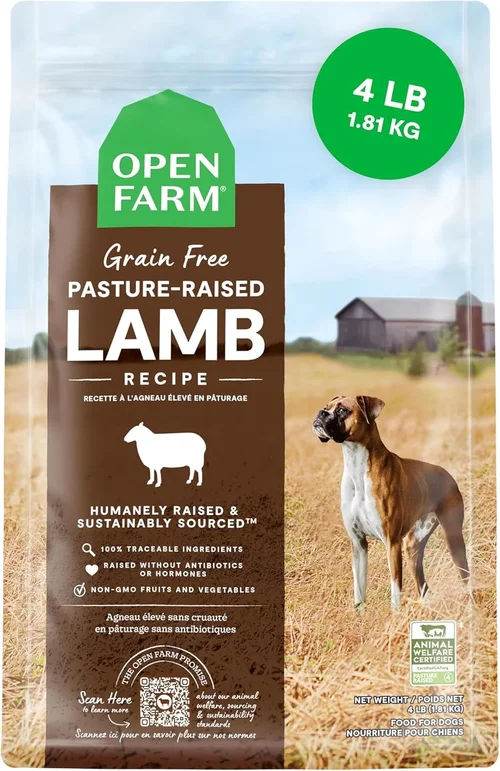
Look for brands that publish third-party test results, disclose their manufacturing facilities, and have a history of recalls (or, better yet, none at all). Companies like Royal Canin, Hill’s Science Diet, and Purina Pro Plan have veterinary nutritionists on staff and invest heavily in research. Emerging brands like The Honest Kitchen, Open Farm, and Wellness often emphasize human-grade ingredients and sustainable sourcing.
Avoid brands that use vague language like “natural flavors” or “meat derivatives.” If a company won’t tell you exactly what’s in the bag, it’s a red flag.
8. Palatability and Digestibility
Even the most nutritious dog food is useless if your Corgi won’t eat it. Palatability matters—especially for picky eaters. However, don’t confuse taste with health. Some brands use artificial flavors, sugars, or excessive salt to make food more appealing, which can harm your dog over time.
Instead, look for natural palatability enhancers like real meat broths, dehydrated liver, or freeze-dried coatings. These boost flavor without compromising nutrition. Digestibility is equally important: highly digestible foods mean more nutrients are absorbed and less waste is produced. Signs of good digestibility include firm stools, minimal gas, and consistent energy levels.
You can assess digestibility by monitoring your Corgi’s stool quality over a two-week transition period. If stools become loose or unusually large, the food may not be well-suited to your dog’s system.
Different Types of Dog Food for Corgis

Each type of dog food has its place in a Corgi’s diet, depending on your lifestyle, budget, and your dog’s individual needs. Dry kibble remains the most popular choice due to its convenience, affordability, and dental benefits. Wet food can be a great supplement for hydration or to entice reluctant eaters. Raw and fresh diets appeal to owners who want to mimic a natural canine diet but require careful handling and higher costs. Dehydrated options offer a middle ground—convenient like kibble but closer to raw in nutrition. Prescription diets should only be used under veterinary guidance for diagnosed conditions.
Common Buying Mistakes to Avoid

❌ Mistake: Choosing Based Solely on Price
Why it’s bad: Cheap dog food often relies on fillers, by-products, and artificial preservatives that provide little nutritional value and may harm your Corgi over time. Low-cost brands may also use lower-quality protein sources, leading to digestive issues or allergies.
What to do instead: Focus on value, not just cost. A slightly more expensive bag that meets your Corgi’s nutritional needs will save money in vet bills down the line. Calculate cost per pound and consider how long the bag will last based on your dog’s portion size.
❌ Mistake: Ignoring Feeding Guidelines
Why it’s bad: Overfeeding is the number one cause of obesity in Corgis. Even high-quality food can lead to weight gain if portions are too large. Conversely, underfeeding can result in nutrient deficiencies and low energy.
What to do instead: Use the feeding chart on the bag as a starting point, then adjust based on your Corgi’s body condition. Weigh your dog monthly and aim for a healthy weight (typically 25–30 lbs for Pembroke Welsh Corgis). Consult your vet if unsure.
❌ Mistake: Switching Foods Too Quickly
Why it’s bad: Sudden changes in diet can cause diarrhea, vomiting, or refusal to eat. Corgis with sensitive stomachs are especially prone to digestive upset.
What to do instead: Transition gradually over 7–10 days. Start with 25% new food and 75% old, increasing the ratio every few days until fully switched. Monitor stool consistency and appetite throughout.
❌ Mistake: Overlooking Expiration Dates and Storage
Why it’s bad: Rancid fats and spoiled ingredients can cause illness. Opened kibble exposed to air and moisture loses nutritional value and may grow mold.
What to do instead: Check expiration dates before buying. Store kibble in an airtight container in a cool, dry place. Use within 6 weeks of opening. For wet food, refrigerate leftovers and use within 3–4 days.
❌ Mistake: Falling for Marketing Buzzwords
Why it’s bad: Terms like “grain-free,” “holistic,” or “superfood” are not regulated and can mislead consumers. A food labeled “natural” may still contain low-quality ingredients.
What to do instead: Read the ingredient list and guaranteed analysis. Look for specific, identifiable ingredients and avoid vague terms. Research the brand’s reputation and recall history.
❌ Mistake: Not Consulting a Veterinarian
Why it’s bad: Every Corgi is unique. Health conditions like allergies, kidney issues, or IVDD require specialized nutrition that over-the-counter foods may not address.
What to do instead: Schedule a wellness exam before making major diet changes. Your vet can recommend brands or formulas tailored to your Corgi’s age, weight, and health status.
Budget Guidelines: How Much Should You Spend?
– Entry-Level ($1.50–$2.50/lb): What to expect… Basic kibble with moderate protein, some fillers, and minimal supplements. Brands like Purina Dog Chow or Iams fall here. Suitable for healthy Corgis on a tight budget, but may lack joint support or premium ingredients. Monitor your dog closely for digestive issues or weight gain.
– Mid-Range ($2.50–$3.50/lb): Sweet spot for most buyers… These foods offer high-quality proteins, limited fillers, and added benefits like glucosamine or omega fatty acids. Examples include Blue Buffalo Life Protection, Wellness Complete Health, and Nutro Wholesome Essentials. Ideal for maintaining overall health without breaking the bank.
– Premium ($3.50–$5.00/lb): For enthusiasts and professionals… Formulated with human-grade ingredients, novel proteins (like duck or venison), and advanced nutrition science. Brands like Orijen, Acana, and Fromm include probiotics, prebiotics, and breed-specific formulations. Excellent for active Corgis or those with mild sensitivities.
– Luxury ($5.00+/lb): Top-tier features… Includes fresh, raw, or air-dried options with minimal processing. The Honest Kitchen, Stella & Chewy’s, and Open Farm offer traceable sourcing, organic ingredients, and customized nutrition. Best for owners prioritizing transparency and cutting-edge pet nutrition, though cost may be prohibitive for daily use.

Expert Tips for Getting the Best Deal
– Buy in bulk during sales: Major retailers like Chewy, Petco, and Amazon often run seasonal promotions (e.g., Black Friday, Prime Day). Stock up on 3–6 months’ supply when discounts hit 20–30%.
– Subscribe and save: Many online pet stores offer 5–15% off for auto-delivery. This ensures you never run out and locks in lower prices.
– Check local shelters and vet clinics: Some organizations partner with pet food brands to offer discounted or donated food to adopters.
– Compare unit prices: Don’t just look at total cost—calculate price per pound or per cup. A larger bag isn’t always cheaper per unit.
– Read return policies: If your Corgi refuses the food or has a reaction, you want the option to return or exchange it. Most reputable retailers allow returns within 30 days.
– Test small bags first: Before committing to a 30-pound bag, buy a 4–6 lb trial size to see how your Corgi responds.
– Join loyalty programs: Pet stores like PetSmart and Chewy reward frequent buyers with points, free shipping, and exclusive deals.
– Ask your vet for samples: Many veterinary offices receive free samples from manufacturers. These can help you test new formulas risk-free.

Frequently Asked Questions
Q: Can I feed my Corgi puppy adult dog food?
A: No—puppy food is specifically formulated with higher levels of protein, fat, calcium, and calories to support rapid growth. Feeding adult food to a puppy can lead to developmental issues, especially in bones and joints. Switch to adult food around 12–14 months of age.
Q: Is grain-free food better for Corgis?
A: Not necessarily. Unless your Corgi has a diagnosed grain allergy, whole grains like brown rice or oats provide beneficial fiber and nutrients. Recent research suggests some grain-free diets may increase the risk of heart disease, so consult your vet before going grain-free.
Q: How often should I feed my Corgi?
A: Most adult Corgis do well with two meals per day—morning and evening. Puppies under 6 months may need three to four smaller meals. Consistent feeding times help regulate digestion and prevent begging.
Q: My Corgi is overweight. What should I do?
A: First, consult your vet to rule out medical causes. Then, switch to a weight management formula with reduced calories and increased fiber. Measure portions carefully, limit treats, and increase daily exercise. Avoid “light” foods that use artificial sweeteners.
Q: Can I make homemade dog food for my Corgi?
A: Yes, but it requires careful planning to ensure nutritional balance. Homemade diets must include the right ratios of protein, fat, carbs, vitamins, and minerals. Work with a veterinary nutritionist to create a safe, complete recipe.
Q: Are raw diets safe for Corgis?
A: Raw diets can offer benefits but carry risks like bacterial contamination (Salmonella, E. coli) and nutritional imbalances if not properly formulated. If you choose raw, use commercially prepared, tested products and practice strict hygiene.
Q: How do I know if my Corgi has a food allergy?
A: Symptoms include chronic itching, ear infections, diarrhea, or vomiting. Food allergies are often triggered by proteins like chicken or beef. An elimination diet under veterinary supervision is the gold standard for diagnosis.
Q: Should I add supplements to my Corgi’s food?
A: Only if recommended by your vet. Many high-quality dog foods already contain optimal levels of vitamins and minerals. Over-supplementing can cause toxicity—especially with fat-soluble vitamins like A and D.
Q: Can Corgis eat fruits and vegetables?
A: Yes—in moderation. Safe options include blueberries, carrots, green beans, and apples (no seeds). Avoid grapes, raisins, onions, and garlic, which are toxic. Always introduce new foods slowly.
Q: How long does it take to see results from a new diet?
A: Most owners notice improvements in coat shine, energy, and stool quality within 2–4 weeks. For skin or allergy issues, it may take 6–8 weeks of consistent feeding.
Our Final Recommendations
– Best for Budget-Conscious Buyers: Purina Pro Plan Sensitive Skin & Stomach (Salmon & Rice) – Offers high-quality salmon protein, prebiotic fiber, and omega fatty acids at an affordable price. Gentle on digestion and supports skin health.
– Best Overall Value: Blue Buffalo Life Protection Formula (Chicken & Brown Rice) – Features real deboned chicken, whole grains, and LifeSource Bits with antioxidants. Includes glucosamine for joint support—ideal for active Corgis.
– Best Premium Option: Orijen Original Grain-Free – Biologically appropriate with 85% animal ingredients, including fresh regional meats. High protein (38%) and rich in omega fatty acids. Best for owners willing to invest in top-tier nutrition.
– Best for Beginners: Hill’s Science Diet Small Paws Adult – Specifically designed for small breeds, with small kibble, balanced nutrition, and vet-recommended formulas. Easy to find and trusted by professionals.
– Best for Advanced Users: The Honest Kitchen Human-Grade Dehydrated – Made with human-grade, whole-food ingredients. Just add water to rehydrate. Perfect for owners seeking minimal processing and maximum transparency.
Conclusion: Making the Right Choice
Choosing the best dog food for your Corgi isn’t just about picking the most expensive bag on the shelf or following the latest trend. It’s about understanding your dog’s unique physiology, lifestyle, and health needs—and matching them with a diet that supports long-term wellness. From prioritizing high-quality proteins and joint-supporting ingredients to avoiding common pitfalls like overfeeding or misleading labels, every decision you make contributes to your Corgi’s quality of life.
Remember, there’s no one-size-fits-all solution. What works for one Corgi may not suit another. Stay observant, consult your veterinarian regularly, and don’t be afraid to experiment—within reason—to find the perfect fit. With the knowledge from this guide, you’re now equipped to navigate the crowded dog food market with confidence, ensuring your beloved Corgi stays healthy, happy, and full of the playful spirit that makes them so special.
Your Corgi depends on you for more than just walks and belly rubs—they rely on you to make informed choices about their nutrition. Take the time to read labels, compare options, and invest in a diet that truly nourishes. After all, a well-fed Corgi is a joyful companion for years to come.