

Boxers are high-energy, muscular dogs with a reputation for loyalty, intelligence, and boundless enthusiasm. Originally bred as working dogs in Germany, they thrive on physical activity, mental stimulation, and a diet that supports their unique physiology. But what many new and even experienced Boxer owners don’t realize is that feeding your Boxer isn’t just about filling a bowl—it’s about fueling a powerhouse. With their deep chests, sensitive digestive systems, and predisposition to certain health issues like hip dysplasia, heart conditions, and allergies, choosing the right food and treats is critical to their long-term well-being.
This guide is designed to cut through the noise of marketing claims, ingredient jargon, and overwhelming product choices. Whether you’re a first-time Boxer parent or a seasoned owner looking to upgrade your pup’s nutrition, you’ll find everything you need to make informed, confident decisions. We’ll walk you through the essential factors to consider when selecting dog food and treats, compare different types of diets, highlight common pitfalls, and provide expert-backed recommendations tailored specifically to Boxers. By the end, you’ll know exactly what to look for—and what to avoid—to keep your Boxer healthy, happy, and thriving.
The dog food market has exploded in recent years, with hundreds of brands offering everything from grain-free kibble to raw frozen meals and organic, human-grade treats. While this variety is great for customization, it also makes it harder to distinguish between truly beneficial products and those that are more hype than help. For Boxers, whose nutritional needs differ significantly from smaller breeds or less active dogs, a one-size-fits-all approach simply won’t cut it. This guide demystifies the process, offering science-based insights and practical advice to help you navigate the crowded marketplace with confidence.

What to Look for When Buying Buying Guide
1. High-Quality Protein Sources
Boxers are muscular, athletic dogs that require a diet rich in high-quality animal protein to maintain lean muscle mass, support energy levels, and promote overall health. Look for dog foods where the first ingredient is a named animal protein—such as chicken, turkey, beef, or fish—rather than vague terms like “meat meal” or “animal by-product.” The protein should be real, identifiable, and minimally processed. For example, “deboned chicken” or “salmon” is far superior to “chicken by-product meal” or “poultry digest.”
Protein content should ideally be between 25% and 30% for adult Boxers, with higher levels (up to 32%) recommended for puppies or highly active dogs. Avoid foods with excessive fillers like corn, wheat, or soy, which can trigger allergies and offer little nutritional value. Also, be cautious of plant-based proteins like pea protein or lentils being used as primary protein sources—while they can complement animal proteins, they shouldn’t replace them.
2. Healthy Fats for Skin, Coat, and Energy
Fats are a concentrated source of energy and are essential for maintaining a shiny coat, healthy skin, and proper brain function. Boxers benefit from diets containing omega-3 and omega-6 fatty acids, which help reduce inflammation, support joint health, and prevent dry, itchy skin. Look for ingredients like salmon oil, flaxseed, chicken fat, or canola oil—these are rich in beneficial fatty acids.
Avoid foods with excessive saturated fats or those that use low-quality fat sources like “animal fat” without specifying the source. Trans fats and hydrogenated oils are also red flags. The fat content in dog food should typically range from 12% to 18% for adult Boxers. Puppies and active adults may benefit from slightly higher levels, especially if they’re training or competing.
Omega-3s, in particular, are crucial for Boxers prone to inflammatory conditions like allergies or arthritis. Fish-based oils (like salmon or menhaden) are superior to plant-based sources because they contain EPA and DHA, the active forms of omega-3s that dogs can readily use.
3. Digestibility and Gut Health
Boxers are known for having sensitive stomachs. Many suffer from gas, bloating, or irregular bowel movements, especially if their food contains hard-to-digest ingredients. Digestibility refers to how well your dog’s body can break down and absorb nutrients from their food. Highly digestible foods result in smaller, firmer stools and better nutrient absorption.
Look for foods with prebiotics (like chicory root or beet pulp), probiotics (live beneficial bacteria), and easily digestible carbohydrates such as sweet potatoes, oats, or brown rice. Avoid artificial colors, flavors, and preservatives like BHA, BHT, and ethoxyquin, which can irritate the digestive system.
Novel proteins (like duck, venison, or lamb) can be helpful for Boxers with food sensitivities or allergies. If your dog has chronic digestive issues, consider a limited-ingredient diet or one formulated for sensitive stomachs.
4. Joint and Bone Support
Boxers are prone to joint issues like hip and elbow dysplasia, as well as arthritis as they age. Their large, muscular build puts extra stress on their joints, making joint support a top priority. Look for foods that include glucosamine, chondroitin, and MSM (methylsulfonylmethane)—natural compounds that support cartilage health and reduce inflammation.
Additionally, calcium and phosphorus levels must be balanced to support strong bones without causing developmental issues, especially in growing puppies. Excess calcium can lead to skeletal abnormalities, so avoid over-supplementation. Foods formulated for large or giant breeds often have optimized mineral ratios.
Omega-3 fatty acids also play a role in joint health by reducing inflammation. Some premium dog foods include green-lipped mussel extract, which is rich in glycosaminoglycans and has been shown to support joint function.
5. Life Stage and Activity Level Appropriateness
Not all dog food is created equal—your Boxer’s age, size, and activity level should dictate your choice. Puppies need higher protein and fat levels to support rapid growth, while senior Boxers benefit from lower-calorie diets with added joint support and fiber for digestion.
Active or working Boxers (such as those in agility, obedience, or search-and-rescue) require more calories and protein than sedentary pets. Conversely, overweight or less active Boxers need calorie-controlled formulas to prevent obesity, which can exacerbate joint problems and shorten lifespan.
Always choose a food labeled for your dog’s life stage: “Puppy,” “Adult,” “Senior,” or “All Life Stages.” “All Life Stages” foods meet AAFCO standards for growth, maintenance, and reproduction, making them suitable for most dogs, but may not be optimized for specific needs.
6. Ingredient Transparency and Sourcing
Transparency is key when evaluating dog food brands. Reputable companies clearly list all ingredients, including the source of proteins, fats, and carbohydrates. They should also disclose where ingredients are sourced and how the food is manufactured. Look for brands that use human-grade ingredients and avoid fillers, by-products, and artificial additives.
Be wary of vague terms like “meat meal” or “animal digest.” These can include parts of animals not fit for human consumption and may vary widely in quality. Instead, opt for brands that specify the animal source (e.g., “chicken meal” or “salmon meal”).
Third-party certifications like AAFCO (Association of American Feed Control Officials) compliance, USDA organic certification, or non-GMO verification can provide additional assurance of quality. However, don’t rely solely on labels—research the brand’s reputation and recall history.
7. Treats That Complement Nutrition
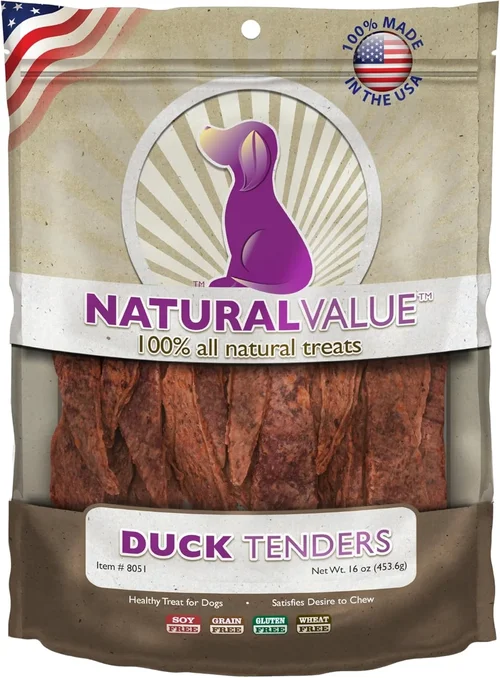
Treats should enhance your Boxer’s diet, not undermine it. Many commercial treats are high in sugar, salt, and artificial ingredients, which can lead to weight gain, dental issues, and digestive problems. Choose treats made with real meat, limited ingredients, and no fillers or by-products.
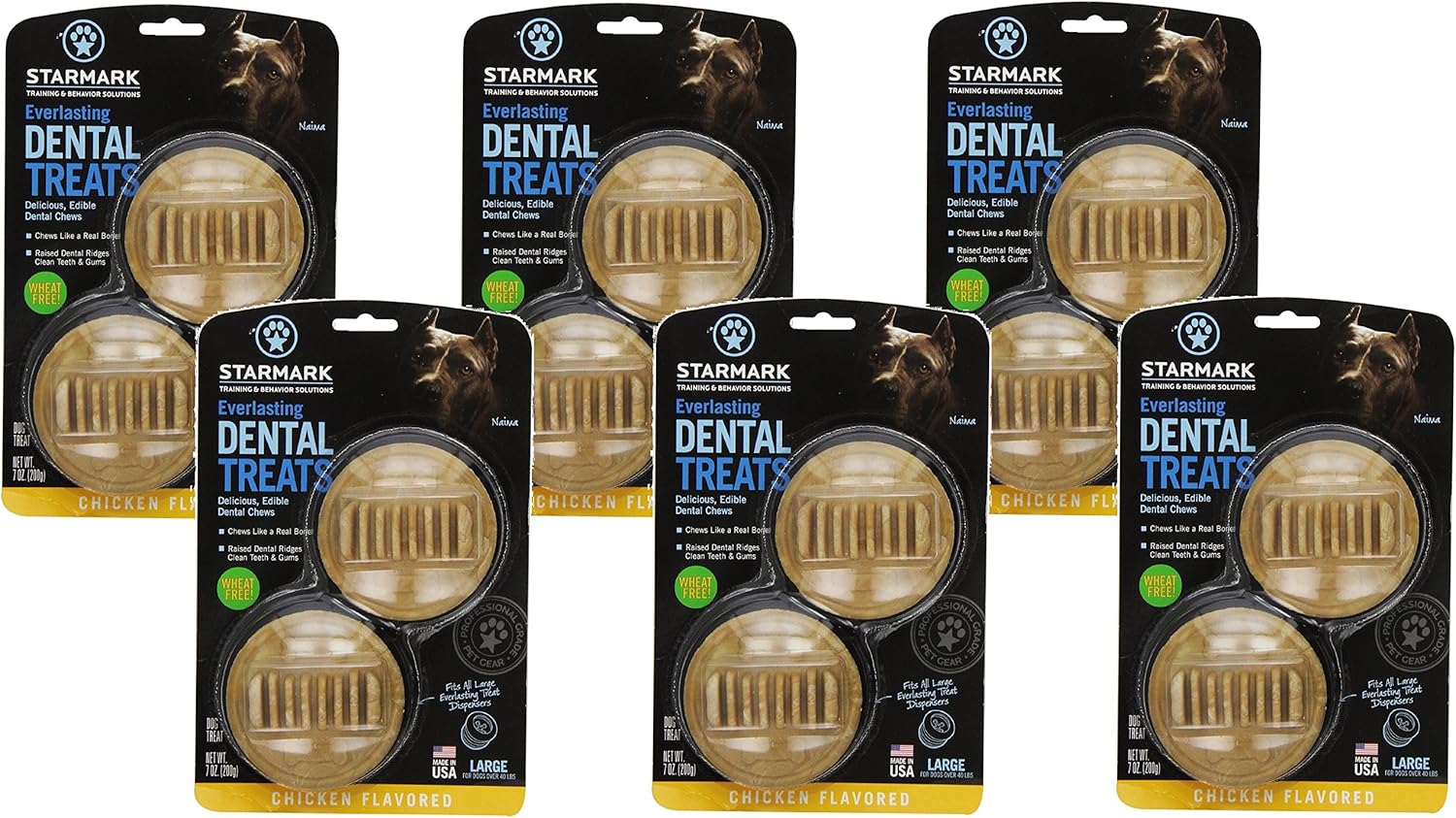
Functional treats—those designed to support specific health needs—are a great option. For example, dental treats can help reduce plaque and tartar, while joint-support treats contain glucosamine and chondroitin. Training treats should be small, soft, and low in calories to avoid overfeeding during sessions.
Avoid treats with xylitol, a sugar substitute that is toxic to dogs, even in small amounts. Also, be cautious of rawhide, which can pose choking hazards or cause intestinal blockages. Safer alternatives include bully sticks, dehydrated meats, or rubber chew toys.
Remember: treats should make up no more than 10% of your Boxer’s daily caloric intake. Over-treating can lead to obesity and nutritional imbalances.
8. Brand Reputation and Recall History
Not all dog food brands are created equal. Some have a long history of quality and safety, while others have been involved in recalls due to contamination, mislabeling, or nutritional imbalances. Research the brand’s recall history through the FDA’s public database or consumer watchdog sites.
Look for brands with a strong commitment to research, transparency, and customer service. Companies that employ veterinary nutritionists or partner with independent labs for testing are often more reliable. Customer reviews can also provide insight, but take them with a grain of salt—look for consistent themes rather than isolated complaints.
Established brands like Royal Canin, Hill’s Science Diet, and Purina Pro Plan have decades of research backing their formulas, while newer premium brands like The Honest Kitchen, Open Farm, and Wellness often emphasize natural ingredients and ethical sourcing.
Different Types of Buying Guide

Common Buying Mistakes to Avoid
❌ Mistake: Choosing Food Based Solely on Price
Why it’s bad: Cheaper dog foods often use low-quality ingredients, fillers, and by-products that can lead to health problems over time. While budget is important, skimping on nutrition can result in higher veterinary bills down the line.
What to do instead: Focus on value, not just cost. Look for foods that offer high-quality ingredients at a reasonable price. Mid-range brands like Wellness Core or Blue Buffalo often provide excellent nutrition without the premium price tag.
❌ Mistake: Ignoring Life Stage and Activity Level
Why it’s bad: Feeding a puppy food to an adult Boxer can lead to obesity and joint stress. Conversely, senior dogs need fewer calories and more joint support. Mismatched nutrition can shorten lifespan and reduce quality of life.
What to do instead: Always select food formulated for your Boxer’s age and activity level. If your dog is highly active, consider performance formulas with higher protein and fat.
❌ Mistake: Overfeeding Treats
Why it’s bad: Boxers love food and can easily become overweight if given too many treats. Obesity increases the risk of diabetes, heart disease, and joint problems.
What to do instead: Limit treats to 10% of daily calories. Use low-calorie training treats and incorporate praise and play as rewards.
❌ Mistake: Switching Foods Too Quickly
Why it’s bad: Sudden changes in diet can cause diarrhea, vomiting, and stomach upset. Boxers are especially prone to digestive sensitivity.
What to do instead: Transition gradually over 7–10 days, mixing increasing amounts of new food with the old.
❌ Mistake: Falling for Marketing Hype
Why it’s bad: Terms like “natural,” “premium,” or “holistic” are not regulated and can be misleading. A food labeled “grain-free” may still be low in quality.
What to do instead: Read ingredient lists and guaranteed analysis. Focus on what’s actually in the food, not the packaging.
❌ Mistake: Neglecting Hydration
Why it’s bad: Boxers are prone to overheating and dehydration, especially in warm climates. Dry food alone may not provide enough moisture.
What to do instead: Add water or low-sodium broth to kibble, or incorporate wet food into the diet. Always provide fresh, clean water.
❌ Mistake: Not Consulting a Veterinarian
Why it’s bad: Every dog is different. A food that works for one Boxer may not suit another, especially if there are underlying health conditions.
What to do instead: Discuss your dog’s diet with your vet, especially if they have allergies, digestive issues, or chronic conditions.
Budget Guidelines: How Much Should You Spend?
- Entry-Level ($1.50–$2.50/lb): These foods often contain fillers like corn, wheat, and soy, with lower-quality protein sources. While they meet basic nutritional standards, they may not support optimal health for active or sensitive Boxers. Suitable for short-term use or dogs with no health issues.
- Mid-Range ($2.50–$4.00/lb): This is the sweet spot for most Boxer owners. Brands like Wellness, Blue Buffalo, and Nutro offer high-quality ingredients, balanced nutrition, and good digestibility. Many include probiotics, joint support, and natural preservatives.
- Premium ($4.00–$6.00/lb): These foods use human-grade ingredients, novel proteins, and advanced formulations. Brands like The Honest Kitchen, Open Farm, and Orijen focus on transparency, sustainability, and bioavailability. Ideal for dogs with allergies or performance needs.
- Luxury ($6.00+/lb): Top-tier options include raw, fresh, or custom-formulated diets. These are often subscription-based and delivered frozen or refrigerated. While expensive, they offer the highest level of customization and ingredient quality. Best for dogs with complex health needs or owners seeking the absolute best.

Expert Tips for Getting the Best Deal
- Buy in Bulk: Larger bags of kibble often cost less per pound. Just ensure you can store it properly to maintain freshness.
- Subscribe and Save: Many online retailers (like Chewy or Amazon) offer discounts for recurring deliveries.
- Watch for Sales: Major holidays (Black Friday, Memorial Day) often feature deep discounts on pet food.
- Use Rewards Programs: Sign up for loyalty programs at pet stores to earn points and receive exclusive offers.
- Compare Unit Prices: Don’t just look at the total cost—check the price per pound or ounce to find the best value.
- Read Return Policies: Ensure you can return unopened bags if your dog doesn’t like the food.
- Test Small Quantities First: Buy a small bag or sample pack before committing to a large purchase.
- Ask for Samples: Some brands offer free samples or trial sizes on their websites.
Frequently Asked Questions
Q: Can Boxers eat grain-free food?
A: Yes, but only if they have a diagnosed grain allergy or sensitivity. Most dogs, including Boxers, can digest grains like rice and oats without issue. Recent studies have also linked grain-free diets to a potential risk of dilated cardiomyopathy (DCM) in some breeds, so consult your vet before making the switch.
Q: How often should I feed my Boxer?
A: Adult Boxers should be fed twice daily—once in the morning and once in the evening. Puppies under six months may need three to four meals per day. Consistent feeding times help regulate digestion and prevent bloat.
Q: What are the signs of a food allergy in Boxers?
A: Common signs include chronic ear infections, itchy skin, hot spots, gastrointestinal issues (vomiting, diarrhea), and excessive licking of paws. If you suspect an allergy, work with your vet to identify the trigger through an elimination diet.
Q: Is raw food safe for Boxers?
A: Raw diets can be nutritious but carry risks of bacterial contamination (like Salmonella or E. coli) and nutritional imbalances if not properly formulated. If you choose raw, opt for commercially prepared, balanced meals from reputable brands.
Q: How much should I feed my Boxer?
A: Feeding amounts vary by weight, age, and activity level. Most adult Boxers (50–80 lbs) need 3–4 cups of high-quality kibble per day, split into two meals. Always follow the guidelines on the packaging and adjust based on your dog’s body condition.
Q: Can I make homemade dog food for my Boxer?
A: Yes, but it requires careful planning to ensure nutritional balance. Consult a veterinary nutritionist to create a recipe that meets AAFCO standards. Homemade diets often lack essential vitamins and minerals if not properly supplemented.
Q: Are there specific treats that help with Boxer health?
A: Yes. Dental chews can reduce plaque, while joint-support treats with glucosamine are great for older Boxers. Avoid treats with artificial additives or high sugar content.
Q: How do I know if my Boxer is overweight?
A: You should be able to feel your Boxer’s ribs without seeing them. Their waist should be visible when viewed from above, and they should have an abdominal tuck when viewed from the side. If you’re unsure, ask your vet for a body condition score.
Q: Should I feed my Boxer before or after exercise?
A: Avoid feeding large meals immediately before or after vigorous exercise to reduce the risk of bloat (gastric dilatation-volvulus), a life-threatening condition common in deep-chested breeds like Boxers. Wait at least 1–2 hours after eating before intense activity.
Q: Can Boxers have peanut butter?
A: Yes, in moderation—but only if it’s xylitol-free. Many commercial peanut butters contain xylitol, which is toxic to dogs. Look for natural, unsweetened varieties and use sparingly as a treat.
Our Final Recommendations
- Best for Budget-Conscious Buyers: Purina Pro Plan Sport 30/20 – High protein, supports active dogs, affordable at around $2.80/lb.
- Best Overall Value: Wellness Core Grain-Free Original – Balanced nutrition, real meat first, includes probiotics and joint support.
- Best Premium Option: The Honest Kitchen Human Grade Dehydrated Dog Food – Made with whole foods, minimally processed, great for sensitive dogs.
- Best for Beginners: Blue Buffalo Life Protection Formula – Easy to find, trusted brand, good ingredient quality.
- Best for Advanced Users: Open Farm RawMix Kibble – Combines kibble with freeze-dried raw pieces, ethically sourced, high digestibility.
Conclusion: Making the Right Choice
Choosing the right food and treats for your Boxer is one of the most important decisions you’ll make as a pet parent. It’s not just about keeping them full—it’s about supporting their energy, health, and longevity. By focusing on high-quality protein, healthy fats, digestibility, and life-stage appropriateness, you can ensure your Boxer thrives from puppyhood to their golden years.
Remember, no single food is perfect for every dog. What works for one Boxer may not suit another. Stay observant, consult your veterinarian, and don’t be afraid to adjust your approach based on your dog’s unique needs. With the right nutrition, your Boxer will have the stamina to play, the strength to protect, and the vitality to bring joy to your life for years to come.
Take the time to read labels, compare options, and invest in your dog’s health. A little research now can prevent costly health problems later. Your Boxer deserves the best—start giving it to them today.