
When it comes to your dog’s health, nutrition plays a foundational role—just as important as regular vet visits, exercise, and affection. Yet, with thousands of dog food options flooding the market, choosing the right one can feel overwhelming. Walmart, one of the largest retailers in the U.S., offers a surprisingly diverse selection of dog foods at accessible price points, making it a go-to destination for pet parents seeking convenience without compromising quality. But not all dog foods are created equal, and what works for one pup might not suit another. That’s why this comprehensive buying guide exists: to help you cut through the noise, understand what truly matters in canine nutrition, and find the best dog food at Walmart that aligns with your dog’s unique needs, your lifestyle, and your budget.
In this expert-level guide, you’ll learn how to evaluate dog food labels like a pro, identify high-quality ingredients, avoid common marketing traps, and make informed decisions based on your dog’s age, size, breed, and health status. We’ll break down the key factors to consider—from protein sources and grain content to price ranges and brand reputation—and compare different types of dog food available at Walmart, including dry kibble, wet food, grain-free formulas, and limited-ingredient diets. You’ll also discover practical tips for maximizing value, avoiding costly mistakes, and ensuring your furry friend gets the balanced nutrition they deserve. Whether you’re feeding a rambunctious puppy, a senior dog with sensitive digestion, or a high-energy working breed, this guide equips you with the knowledge to choose wisely.

What to Look for When Buying Dog Food at Walmart
1. Protein Source and Quality
Protein is the cornerstone of any healthy dog diet. Dogs are omnivores with a strong need for high-quality animal-based proteins to support muscle development, immune function, and overall vitality. When evaluating dog food at Walmart, always check the ingredient list: the first ingredient should be a named meat source—such as “chicken,” “beef,” or “salmon”—not a vague term like “meat meal” or “animal by-product.” Whole meats provide complete amino acid profiles, while meat meals (like “chicken meal”) are concentrated sources of protein that have had moisture removed, making them highly digestible and nutrient-dense.
Avoid foods that list “corn gluten meal” or “soy protein isolate” as primary protein sources—these are plant-based fillers that lack the essential amino acids dogs need. Look for foods that meet AAFCO (Association of American Feed Control Officials) standards for complete and balanced nutrition, which ensures the food provides all necessary nutrients in proper proportions. For active dogs or those with higher metabolic needs, aim for foods with 25–30% protein content; for less active or senior dogs, 18–22% may be sufficient.
2. Ingredient Transparency and Sourcing
Not all ingredients are created equal, and transparency is key to understanding what you’re feeding your dog. Reputable brands clearly list every ingredient in descending order by weight, with no hidden additives or vague terms. At Walmart, you’ll find a mix of well-known national brands and private-label options (like Ol’ Roy), so it’s crucial to read labels carefully. Look for foods that disclose the origin of key ingredients—especially meat and fats—and avoid those with artificial colors, flavors, or preservatives like BHA, BHT, and ethoxyquin.
Natural preservatives such as mixed tocopherols (vitamin E) and rosemary extract are safer alternatives. Also, be wary of “mystery meats” like “poultry by-product meal” or “animal digest,” which can come from unspecified sources and may include parts not fit for human consumption. Brands like Purina, Iams, and Blue Buffalo often provide detailed sourcing information on their websites, even if not printed on the bag. If a brand is vague about where its ingredients come from, it’s a red flag.
3. Life Stage and Breed-Specific Needs
Dogs have different nutritional requirements depending on their life stage, size, and breed. Puppies need higher levels of protein, fat, and calories to support rapid growth, while senior dogs benefit from lower-calorie formulas with joint-supporting ingredients like glucosamine and chondroitin. Large breeds (like Great Danes or German Shepherds) require controlled calcium and phosphorus levels to prevent skeletal issues, whereas small breeds (like Chihuahuas or Dachshunds) often thrive on smaller kibble sizes and higher fat content for energy.
Walmart carries a wide range of life-stage-specific formulas, including puppy, adult, and senior recipes. Some brands, like Hill’s Science Diet and Royal Canin, even offer breed-specific lines tailored to the unique needs of popular breeds. Always match the food to your dog’s current life stage—feeding an adult formula to a growing puppy can lead to developmental problems, while senior food may not provide enough energy for a young, active dog. Check the AAFCO statement on the packaging to confirm the food is formulated for your dog’s life stage.
4. Grain Content and Carbohydrate Sources
The debate over grains in dog food is ongoing, but the truth is that most dogs can digest grains perfectly well. Whole grains like brown rice, oats, and barley provide valuable fiber, energy, and essential nutrients. However, some dogs with food sensitivities or allergies may benefit from grain-free options. It’s important to note that grain-free doesn’t automatically mean healthier—many grain-free diets replace grains with legumes like peas, lentils, and potatoes, which have been linked to a potential risk of diet-associated dilated cardiomyopathy (DCM) in certain breeds.
When choosing a grain-free formula at Walmart, ensure it uses high-quality protein sources and doesn’t rely heavily on starchy fillers. Look for foods that include digestible carbohydrates like sweet potatoes or quinoa, which offer sustained energy without spiking blood sugar. If your dog has no known allergies, a balanced diet with whole grains is often the safest and most cost-effective choice. Always consult your veterinarian before switching to a grain-free diet, especially if your dog is a breed predisposed to heart issues.
5. Price vs. Value
Dog food prices at Walmart can range from under $10 for a 15-pound bag of budget kibble to over $60 for premium, specialty formulas. While it’s tempting to go for the cheapest option, remember that you often get what you pay for. Low-cost foods may use lower-quality proteins, fillers like corn and wheat, and artificial additives to cut costs. These ingredients can lead to digestive issues, dull coats, and increased vet bills down the line.
Instead of focusing solely on price per pound, consider the cost per feeding and the nutritional value. A slightly more expensive food with higher protein and fewer fillers may require smaller portions, ultimately saving you money over time. Mid-range brands like Purina Pro Plan, Iams ProActive Health, and Blue Buffalo Life Protection offer excellent balance between quality and affordability. Use Walmart’s online price comparison tools and in-store promotions to stretch your budget further without sacrificing nutrition.
6. Brand Reputation and Recall History
Not all dog food brands are equally reliable. Some have a long history of quality control and transparency, while others have faced recalls due to contamination, nutritional imbalances, or misleading labeling. Before purchasing, research the brand’s recall history through the FDA’s pet food recall database. Brands like Royal Canin, Hill’s Science Diet, and Wellness have strong track records and rigorous testing protocols, while lesser-known or private-label brands may not undergo the same level of scrutiny.
Customer reviews on Walmart.com can also provide insight into real-world performance—look for consistent feedback about palatability, coat condition, and digestive health. However, be cautious of overly positive or suspiciously uniform reviews, which may be fake. Stick to brands that are transparent about their manufacturing processes, conduct third-party testing, and are willing to answer customer questions. A reputable brand will stand behind its product with a satisfaction guarantee or easy return policy.
7. Special Dietary Needs and Health Conditions
Some dogs require specialized diets due to allergies, sensitivities, or medical conditions like kidney disease, diabetes, or obesity. Walmart carries a growing selection of therapeutic and limited-ingredient dog foods, including options for sensitive stomachs, weight management, and skin allergies. For example, Purina Pro Plan Sensitive Skin & Stomach uses salmon as the primary protein and includes prebiotic fiber for digestive health, while Hill’s Science Diet Perfect Weight helps overweight dogs shed pounds safely.
If your dog has a diagnosed condition, always consult your veterinarian before switching foods. Prescription diets are often necessary for serious health issues and may not be available at Walmart, but many over-the-counter formulas can support mild to moderate concerns. Look for foods labeled “veterinarian recommended” or “formulated for sensitive systems,” and avoid making drastic dietary changes without professional guidance. Sudden switches can cause gastrointestinal upset, so transition gradually over 7–10 days.
8. Packaging, Shelf Life, and Storage
The way dog food is packaged can impact its freshness and safety. High-quality kibble should come in a sealed, resealable bag with a clear expiration date and batch code for traceability. Avoid bags that are torn, bloated, or have a strong chemical smell—these are signs of spoilage or contamination. Wet food should be stored in airtight cans or pouches and refrigerated after opening, with unused portions consumed within 3–5 days.
Consider your dog’s consumption rate when choosing package size. A 40-pound bag may seem economical, but if it takes months to finish, the food may lose its nutritional potency and become rancid. Smaller bags (10–15 pounds) are ideal for small dogs or those trying a new formula. Store dry food in a cool, dry place in an airtight container to preserve freshness and prevent pests. Never feed expired food—even if it looks and smells fine, it may lack essential nutrients or harbor harmful bacteria.
Different Types of Dog Food at Walmart

Common Buying Mistakes to Avoid

❌ Mistake: Choosing Based Solely on Price
Why it’s bad: The cheapest dog food often uses low-quality ingredients, fillers, and artificial additives that can lead to health problems over time. Dogs may eat more to feel full, increasing long-term costs and potentially causing obesity or digestive issues.
What to do instead: Focus on value, not just price. Compare cost per feeding and prioritize foods with high-quality proteins, minimal fillers, and AAFCO certification. Mid-range brands often offer the best balance of affordability and nutrition.
❌ Mistake: Ignoring the Ingredient List
Why it’s bad: Marketing claims like “natural,” “premium,” or “holistic” are not regulated and can be misleading. Without reading the ingredient list, you might be feeding your dog a diet high in corn, soy, or unnamed meat by-products.
What to do instead: Always read the ingredient list first. Look for named meat sources as the first ingredient, avoid artificial preservatives, and steer clear of vague terms like “meat meal” or “animal fat.”
❌ Mistake: Feeding the Wrong Life Stage Formula
Why it’s bad: Puppy food is too rich for adult dogs and can cause weight gain, while adult food lacks the nutrients needed for growing puppies. Senior dogs may struggle with high-calorie diets, leading to joint stress and reduced mobility.
What to do instead: Match the food to your dog’s current life stage. Check the AAFCO statement on the packaging to ensure it’s formulated for growth, maintenance, or senior needs.
❌ Mistake: Switching Foods Too Quickly
Why it’s bad: Sudden dietary changes can cause diarrhea, vomiting, or refusal to eat. Dogs have sensitive digestive systems that need time to adapt to new ingredients.
What to do instead: Transition gradually over 7–10 days, mixing increasing amounts of the new food with the old. Monitor your dog’s stool and energy levels during the switch.
❌ Mistake: Overlooking Special Dietary Needs
Why it’s bad: Dogs with allergies, sensitivities, or medical conditions may react poorly to standard formulas. Ignoring these needs can worsen symptoms and lead to chronic health issues.
What to do instead: Consult your veterinarian if your dog shows signs of food intolerance (itching, ear infections, digestive upset). Choose limited-ingredient or prescription diets as recommended.
❌ Mistake: Buying in Bulk Without Testing
Why it’s bad: A large bag of food may go to waste if your dog refuses to eat it or has an adverse reaction. This is especially risky with new or specialty formulas.
What to do instead: Start with a small bag or sample size to test palatability and tolerance. Many brands offer trial sizes or money-back guarantees.
❌ Mistake: Storing Food Improperly
Why it’s bad: Exposure to air, heat, and moisture can cause dog food to spoil, lose nutrients, or become infested with pests. Rancid fats can be harmful to dogs.
What to do instead: Store dry food in an airtight container in a cool, dry place. Use within 6 weeks of opening and never feed expired food.
Budget Guidelines: How Much Should You Spend?
Entry-Level ($0.50–$1.20 per pound): These budget-friendly options, such as Ol’ Roy or Walmart’s Great Value brand, are widely available and convenient. While they meet basic nutritional standards, they often rely on corn, wheat, and meat by-products as primary ingredients. Best for dogs with no health issues and tight budgets, but monitor for signs of poor digestion or dull coat.
Mid-Range ($1.20–$2.50 per pound): This is the sweet spot for most pet owners. Brands like Purina Pro Plan, Iams, and Blue Buffalo offer high-quality proteins, balanced nutrition, and added benefits like probiotics or joint support. These foods provide excellent value and are suitable for healthy dogs of all life stages.
Premium ($2.50–$4.00 per pound): Premium formulas, such as Hill’s Science Diet, Royal Canin, and Wellness Core, use human-grade ingredients, novel proteins, and advanced nutritional science. Ideal for dogs with specific health needs, picky eaters, or owners who prioritize ingredient quality and transparency.
Luxury ($4.00+ per pound): These top-tier options include raw, freeze-dried, or fresh-cooked diets like The Honest Kitchen or Open Farm. They offer the highest ingredient standards, minimal processing, and often sustainable sourcing. Best for enthusiasts willing to invest in optimal nutrition, but may not be practical for large dogs or multi-pet households.

Expert Tips for Getting the Best Deal
- Shop During Seasonal Sales: Walmart often runs pet food promotions around holidays like Memorial Day, Black Friday, and back-to-school season. Stock up during these periods to lock in lower prices.
- Use Walmart+ for Free Shipping: Walmart+ members get free shipping on dog food orders, plus access to exclusive deals and early sale access. The $98 annual fee pays for itself with just a few large orders.
- Compare Unit Prices Online: Use Walmart.com’s price comparison tool to see cost per pound or per can. This helps you identify the best value, especially when comparing different sizes of the same product.
- Sign Up for Auto-Ship: Many brands offer discounts (up to 15%) for recurring deliveries. This ensures you never run out and saves money over time.
- Check for Manufacturer Rebates: Some brands, like Purina and Hill’s, offer mail-in rebates or digital coupons through their websites. Combine these with Walmart’s low prices for maximum savings.
- Read Return Policies: Ensure the store or website allows returns on unopened dog food. This protects you if your dog refuses the food or has an adverse reaction.
- Test Before Committing: Buy a small bag first to assess palatability and digestive tolerance. Many premium brands offer sample sizes or money-back guarantees.
- Ask for In-Store Samples: Some Walmart locations carry free samples near the pet aisle. This is a great way to try new foods without spending money.

Frequently Asked Questions
Q: Is Walmart dog food safe?
A: Yes, most dog food sold at Walmart meets AAFCO standards and is safe for consumption. However, quality varies by brand. Stick to reputable labels and avoid products with a history of recalls or poor reviews.
Q: Can I feed my puppy adult dog food?
A: No. Puppies require higher levels of protein, fat, and calories for growth. Adult food lacks these nutrients and can lead to developmental issues. Always choose a formula labeled for puppies.
Q: Is grain-free dog food better?
A: Not necessarily. Grain-free diets are beneficial for dogs with grain allergies, but they’re not inherently healthier. Some grain-free foods use legumes linked to heart issues. Consult your vet before switching.
Q: How often should I change my dog’s food?
A: Only change food when necessary—such as for health reasons, life stage transitions, or intolerance. Frequent changes can upset your dog’s stomach. When switching, do so gradually over 7–10 days.
Q: Can I mix wet and dry food?
A: Yes! Many owners combine wet and dry food to enhance palatability and increase moisture intake. Just adjust portions to avoid overfeeding and maintain a balanced diet.
Q: How much should I feed my dog?
A: Feeding guidelines are on the package, but individual needs vary. Consider your dog’s age, weight, activity level, and metabolism. Monitor body condition and adjust portions as needed.
Q: What should I do if my dog refuses to eat the new food?
A: Try mixing it with a small amount of wet food, broth, or their previous food. Warm it slightly to enhance aroma. If refusal persists, consult your vet to rule out medical issues.
Q: Are private-label brands like Ol’ Roy safe?
A: They meet basic nutritional standards but often use lower-quality ingredients. Suitable for budget-conscious owners, but monitor your dog’s health closely. Consider upgrading if you notice dull coat or digestive issues.
Q: How long does dog food last after opening?
A: Dry kibble should be used within 6 weeks of opening if stored properly. Wet food must be refrigerated and consumed within 3–5 days. Always check expiration dates.
Q: Can I buy prescription dog food at Walmart?
A: Most prescription diets are only available through veterinarians. However, Walmart carries some over-the-counter therapeutic formulas that can support mild health concerns. Always consult your vet first.
Our Final Recommendations
Best for Budget-Conscious Buyers: Purina ONE SmartBlend Chicken & Rice – Offers high-quality protein, real chicken as the first ingredient, and added vitamins at an affordable price. Widely available at Walmart and backed by Purina’s research.
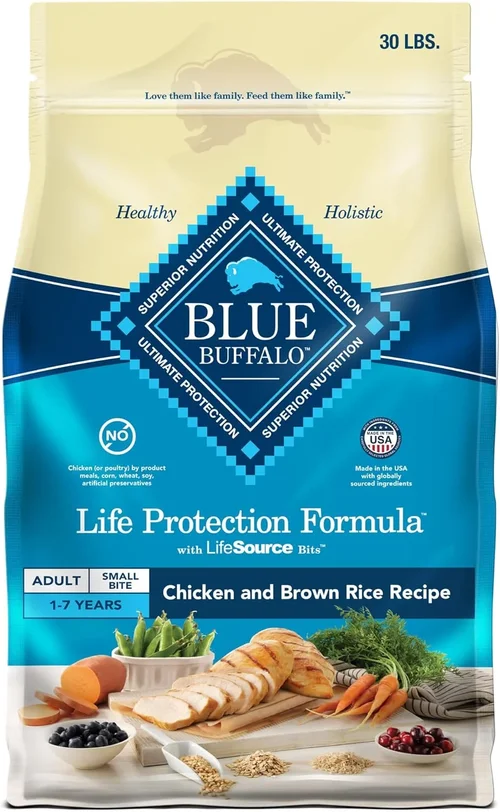
Best Overall Value: Blue Buffalo Life Protection Formula – Combines real meat, whole grains, and LifeSource Bits with antioxidants. Priced competitively and trusted by pet owners for consistent quality.
Best Premium Option: Hill’s Science Diet Adult Perfect Weight – Veterinarian-recommended for weight management, with natural ingredients and proven results. Ideal for overweight or less active dogs.
Best for Beginners: Iams ProActive Health Adult Minichunks – Simple, balanced nutrition with easy-to-digest ingredients. Great for first-time dog owners or those new to reading labels.
Best for Advanced Users: Wellness CORE Grain-Free Original – High-protein, grain-free formula with novel proteins and superfoods. Perfect for owners seeking biologically appropriate nutrition and willing to invest in premium quality.
Conclusion: Making the Right Choice
Choosing the best dog food at Walmart doesn’t have to be a daunting task. By focusing on key factors like protein quality, ingredient transparency, life stage needs, and brand reputation, you can confidently select a diet that supports your dog’s health and happiness. Avoid common pitfalls like price-only decisions or ignoring special dietary needs, and always prioritize gradual transitions and proper storage.
Remember, every dog is unique. What works for your neighbor’s Labrador may not suit your senior Chihuahua. Use this guide as a starting point, but stay attuned to your dog’s individual responses—coat shine, energy levels, stool quality, and overall well-being are the ultimate indicators of a good diet. With Walmart’s wide selection and the insights from this guide, you’re well-equipped to make a smart, informed choice that keeps your furry friend thriving for years to come.
Now it’s your turn: assess your dog’s needs, compare your options, and take the next step toward better nutrition. Your dog deserves nothing less.