

Small dogs may be tiny in stature, but their nutritional needs are anything but simple. As a veterinarian and long-time pet nutrition consultant, I’ve seen firsthand how the right diet can transform a lethargic, itchy, or underweight small breed dog into a vibrant, energetic companion. Yet, with hundreds of dog food brands flooding the market—each claiming to be “the best”—choosing the right food for your pint-sized pup can feel overwhelming. This comprehensive buying guide cuts through the noise to deliver expert-backed, practical advice tailored specifically for small dogs.
Whether you’re welcoming a new Chihuahua puppy into your home, caring for a senior Pomeranian, or managing the dietary sensitivities of a picky Yorkshire Terrier, this guide will equip you with everything you need to make an informed decision. You’ll learn how to decode ingredient labels, understand life-stage-specific nutrition, compare kibble sizes, evaluate protein sources, and avoid common marketing traps. We’ll also break down price tiers, highlight top-performing brands, and share insider tips to help you get the most value without compromising on quality. By the end, you won’t just know which foods are best—you’ll know why they’re best for your small dog’s unique physiology and lifestyle.
The small dog food market has exploded in recent years, driven by rising pet ownership and growing awareness of species-appropriate nutrition. From grain-free formulas to limited-ingredient diets, cold-pressed kibble to fresh-cooked meals, options abound. But not all small dog foods are created equal. Many are formulated for marketing appeal rather than biological need, using fillers, artificial additives, or inappropriate nutrient profiles that can lead to obesity, dental issues, or digestive upset. This guide is designed to help you navigate that complexity with confidence, ensuring your furry friend gets the balanced, high-quality nutrition they deserve—no matter their age, breed, or health status.

What to Look for When Buying Small Dog Food
1. High-Quality Protein Sources
Protein is the cornerstone of any healthy dog diet, but it’s especially critical for small breeds. Due to their rapid metabolisms, small dogs require more protein per pound of body weight than larger dogs. Look for named animal proteins—such as “chicken,” “salmon,” or “turkey”—listed as the first ingredient. Avoid vague terms like “meat meal” or “animal by-products,” which can include low-quality or inconsistent sources. Ideally, the protein should be human-grade and sourced from reputable farms. For example, a food that lists “deboned chicken” as the first ingredient followed by “chicken meal” (a concentrated, dried form of muscle meat) offers both fresh and preserved protein for optimal amino acid delivery.
2. Appropriate Kibble Size and Shape
One of the most overlooked aspects of small dog nutrition is kibble size. Small breeds have tiny mouths and short snouts, making it difficult—and sometimes painful—to chew large or awkwardly shaped pieces. Kibble that’s too big can lead to choking, poor digestion, or avoidance of eating altogether. Look for foods specifically labeled “for small breeds” or “small kibble.” These are typically under 10mm in diameter and designed for easy picking up and chewing. Some brands even use textured or porous kibble to promote dental health by reducing plaque buildup during chewing.
For example, Royal Canin’s Miniature Adult formula features uniquely shaped kibble that encourages chewing and helps clean teeth. Similarly, Wellness CORE Small Breed uses small, dense nuggets that are easy for little jaws to manage. If your dog is a fast eater, consider kibble with a slower-feed design or pair dry food with a puzzle feeder to improve digestion and mental stimulation.
3. Life Stage and Activity Level Alignment
Not all small dog foods are suitable for every life stage. Puppies, adults, and seniors have vastly different nutritional requirements. Small breed puppies, for instance, grow rapidly and need higher fat and calorie density to support development—but they’re also prone to hypoglycemia, so frequent, nutrient-rich meals are essential. Adult small dogs benefit from balanced calories to prevent obesity, while seniors often need joint support, lower phosphorus for kidney health, and easily digestible proteins.
Always match the food to your dog’s life stage. A 6-month-old Maltese puppy should not be eating a senior formula, just as a 12-year-old Dachshund shouldn’t be on a high-growth puppy diet. Additionally, consider activity level: a highly active Jack Russell Terrier may need more calories and fat than a sedentary Shih Tzu. Many premium brands offer life-stage-specific lines (e.g., Blue Buffalo Life Protection Formula for Small Breed Puppies vs. Small Breed Senior), making it easier to tailor nutrition precisely.
4. Digestibility and Gut Health Support
Small dogs are notorious for sensitive stomachs. Ingredients that are hard to digest—like corn, soy, or unnamed meat meals—can trigger gas, diarrhea, or chronic loose stools. Look for foods with highly digestible proteins (e.g., chicken, lamb, or fish) and easily absorbed carbohydrates such as sweet potatoes, oats, or peas. Prebiotics (like FOS and MOS) and probiotics are also valuable additions, as they support a healthy gut microbiome.
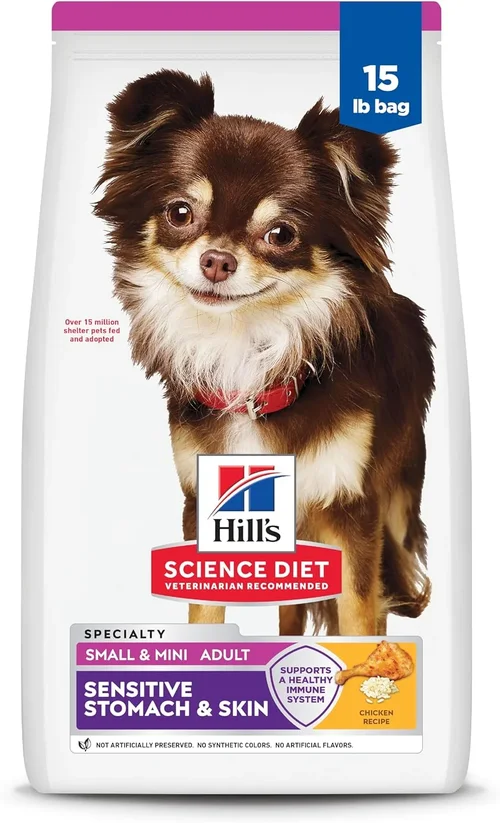
Brands like Hill’s Science Diet and Purina Pro Plan often include probiotics in their small breed formulas, which can improve stool quality and reduce digestive upset. If your dog has a history of food sensitivities, consider a limited-ingredient diet with a single novel protein (e.g., duck or venison) and a single carbohydrate source. These are less likely to trigger allergic reactions and make it easier to identify problem ingredients.
5. Calorie Density and Portion Control
Small dogs have high metabolic rates but limited stomach capacity. This means they need calorie-dense food to meet their energy needs without overeating. However, many commercial small breed foods are excessively high in fat and calories, contributing to obesity—a leading health issue in small dogs. The ideal small breed food should provide 350–450 kcal per cup, depending on the formula.
Always follow feeding guidelines based on your dog’s weight and activity level, but monitor body condition regularly. A healthy small dog should have a visible waist when viewed from above and palpable ribs without excessive fat covering. If your dog is gaining weight, reduce portions or switch to a lower-calorie formula. Some brands, like Nutro Ultra Small Breed, offer weight management lines that are lower in fat but still nutrient-rich.
6. Ingredient Transparency and Sourcing
Not all dog food companies are transparent about where their ingredients come from. Reputable brands will disclose sourcing practices, manufacturing locations, and third-party testing. Look for companies that use human-grade ingredients, avoid artificial preservatives (like BHA, BHT, or ethoxyquin), and list full ingredient names. Avoid foods with vague terms like “flavor” or “by-product meal.”
For example, The Honest Kitchen and Open Farm provide detailed sourcing information on their websites, including farm origins and sustainability practices. Brands that are members of the Pet Food Institute (PFI) or have AAFCO (Association of American Feed Control Officials) compliance statements are generally more reliable. Always check the label for an AAFCO nutritional adequacy statement—this confirms the food meets minimum standards for your dog’s life stage.
7. Dental Health Considerations
Dental disease affects over 80% of small dogs by age three due to crowded teeth and poor chewing habits. While no food can replace regular brushing, some kibble designs and ingredients can help reduce plaque and tartar. Look for foods with dental benefits, such as larger kibble that requires chewing, textured surfaces, or added ingredients like parsley or green tea extract for fresher breath.
Some brands, like Hills Prescription Diet t/d, are specifically designed to reduce tartar through mechanical action and chemical additives. Others, like Purina DentaLife, use a unique porous texture that collapses when chewed, cleaning teeth as the dog eats. While these aren’t substitutes for professional cleanings, they can significantly slow plaque buildup between vet visits.
8. Brand Reputation and Recall History
A brand’s track record matters. Research whether a company has had recent recalls, especially for contamination (e.g., Salmonella, aflatoxin) or nutritional imbalances. Brands with a history of transparency, rigorous testing, and quick response to issues are generally more trustworthy. Check the FDA’s pet food recall database and consumer review sites like DogFoodAdvisor.com for insights.
For example, brands like Royal Canin, Hill’s Science Diet, and Purina have long histories of research-backed formulations and strong veterinary support. Newer brands like Ollie and Nom Nom offer fresh, human-grade meals with excellent safety records. Avoid brands with frequent recalls or vague ingredient sourcing—your dog’s health isn’t worth the risk.
Different Types of Small Dog Food

Common Buying Mistakes to Avoid
❌ Mistake: Choosing Food Based on Marketing Claims
Why it’s bad: Phrases like “natural,” “holistic,” or “premium” are unregulated and can be used by any brand—even those with low-quality ingredients. A food labeled “grain-free” might still contain fillers like potato starch or pea protein, which can spike blood sugar and contribute to obesity.
What to do instead: Focus on the ingredient list and guaranteed analysis, not the front-of-package buzzwords. Look for named proteins, minimal fillers, and AAFCO compliance.
❌ Mistake: Overfeeding Due to Misleading Portion Sizes
Why it’s bad: Many small breed foods are calorie-dense, but feeding guidelines are often based on ideal weight—not actual weight. Overfeeding leads to obesity, joint stress, and reduced lifespan.
What to do instead: Weigh your dog regularly and adjust portions based on body condition. Use a kitchen scale for accuracy, and split meals into 2–3 smaller feedings per day.
❌ Mistake: Ignoring Life Stage Needs
Why it’s bad: Feeding a senior dog a high-calorie puppy formula can cause rapid weight gain and strain the kidneys. Conversely, a growing puppy on a senior diet may not get enough energy or nutrients.
What to do instead: Always select a formula that matches your dog’s age, size, and health status. Consult your vet if unsure.
❌ Mistake: Switching Foods Too Quickly
Why it’s bad: Sudden diet changes can cause vomiting, diarrhea, or refusal to eat. Small dogs are especially sensitive to abrupt shifts in gut bacteria.
What to do instead: Transition over 7–10 days, gradually increasing the new food while decreasing the old. Start with 25% new food, then 50%, 75%, and finally 100%.
❌ Mistake: Assuming All “Small Breed” Foods Are Equal
Why it’s bad: Some “small breed” formulas are just repackaged adult foods with smaller kibble. They may lack the higher protein, fat, and calorie density small dogs need.
What to do instead: Read the label carefully. Look for foods that specify “formulated for small breeds” and list higher protein and fat percentages than standard adult formulas.
❌ Mistake: Neglecting Hydration
Why it’s bad: Small dogs on dry food alone may not drink enough water, increasing the risk of urinary crystals or kidney issues—especially in breeds like Miniature Schnauzers.
What to do instead: Add warm water or low-sodium broth to kibble, or mix in wet food to boost moisture intake. Always provide fresh water.
Budget Guidelines: How Much Should You Spend?
– Entry-Level ($1.00–$2.00/lb): These foods often use by-product meals, corn, or soy as fillers. While affordable, they may lack optimal nutrition and digestibility. Suitable for short-term use or multi-dog households on a tight budget, but not ideal for long-term health. Examples include Iams ProActive Health Small Breed and Pedigree Small Dog.
– Mid-Range ($2.00–$3.50/lb): This is the sweet spot for most small dog owners. Brands like Blue Buffalo Life Protection, Nutro Ultra, and Wellness CORE offer high-quality proteins, limited fillers, and life-stage-specific formulas. They balance cost and nutrition well, making them a smart investment in your dog’s long-term health.
– Premium ($3.50–$6.00/lb): These foods use human-grade ingredients, novel proteins, and advanced formulations. Brands like Orijen, Acana, and Fromm offer biologically appropriate diets with high meat content and minimal processing. Ideal for dogs with sensitivities or owners who prioritize ingredient quality.
– Luxury ($6.00+/lb): Includes fresh, raw, or custom-formulated meals from brands like Ollie, Nom Nom, or The Farmer’s Dog. These are minimally processed, delivered fresh, and tailored to your dog’s needs. While expensive, they offer the highest nutrient retention and palatability—perfect for picky eaters or dogs with complex health issues.

Expert Tips for Getting the Best Deal
– Buy during seasonal sales: Look for discounts in January (post-holiday), May (Pet Month), and November (Black Friday). Many retailers offer 20–30% off premium brands.
– Subscribe and save: Brands like Chewy, Amazon, and Ollie offer subscription discounts (up to 15%) and free shipping. You can pause or cancel anytime.
– Compare unit prices: Don’t just look at the total price—check the cost per pound or per cup. A larger bag may seem expensive but offer better value.
– Check return policies: If your dog doesn’t like the food, can you return it? Most reputable retailers allow returns within 30 days.
– Test small bags first: Before committing to a 15-pound bag, buy a 4-pound trial size to see if your dog tolerates and enjoys it.
– Ask your vet for samples: Many veterinary clinics have sample packs from trusted brands. This is a great way to test high-end foods at no cost.
– Read verified reviews: Look for reviews from verified purchasers on sites like Chewy or Amazon. Pay attention to comments about palatability, digestion, and coat condition.
– Consider mixing foods: Some owners mix dry and wet food or alternate between two brands to provide variety and balance nutrition.

Frequently Asked Questions
Q: Can small dogs eat regular dog food?
A: Technically yes, but it’s not ideal. Regular kibble is often too large, and the nutrient profile may not meet the high-energy needs of small breeds. Small breed-specific formulas are better tailored to their metabolism, jaw size, and dental health.
Q: How often should I feed my small dog?
A: Puppies under 6 months should eat 3–4 small meals daily. Adults do well with 2 meals, and seniors may benefit from 2–3 smaller feedings to aid digestion and prevent hypoglycemia.
Q: Is grain-free food better for small dogs?
A: Not necessarily. Grain-free diets are only beneficial if your dog has a diagnosed grain sensitivity. Most dogs tolerate grains like rice or oats well. In fact, some grain-free diets have been linked to dilated cardiomyopathy (DCM) due to high legume content—so consult your vet before switching.
Q: Should I feed my small dog wet or dry food?
A: Both have benefits. Dry food promotes dental health and is convenient. Wet food increases hydration and is great for picky eaters. Many owners use a combination—dry for meals, wet as a topper or treat.
Q: How do I know if my small dog is overweight?
A: You should be able to feel your dog’s ribs without pressing hard, and they should have a visible waist when viewed from above. If you can’t feel the ribs or see a “pot belly,” your dog may be overweight.
Q: Can I make homemade food for my small dog?
A: Yes, but it’s challenging to balance nutrients properly. Homemade diets require careful planning and supplementation to avoid deficiencies. Consult a veterinary nutritionist to create a balanced recipe.
Q: What should I do if my small dog refuses to eat?
A: First, rule out medical issues with a vet visit. If healthy, try warming the food, adding broth, or mixing in a small amount of wet food. Avoid frequent diet changes, as this can worsen picky eating.
Q: Are raw diets safe for small dogs?
A: Raw diets carry risks of bacterial contamination (Salmonella, E. coli) and nutritional imbalances. If you choose raw, use commercially prepared, tested products and practice strict hygiene. Freeze-dried raw is a safer alternative.
Our Final Recommendations
– Best for Budget-Conscious Buyers: Blue Buffalo Life Protection Formula Small Breed – Offers high-quality chicken, brown rice, and life-stage-specific nutrition at a mid-range price. Widely available and vet-recommended.
– Best Overall Value: Wellness CORE Small Breed – Grain-free, high-protein (34%), with probiotics and small kibble. Excellent for active small dogs and those with sensitivities.
– Best Premium Option: Orijen Original Small Breed – Biologically appropriate with 85% animal ingredients, including fresh regional meats. Ideal for owners who prioritize ingredient quality and ancestral nutrition.
– Best for Beginners: Hill’s Science Diet Small Paws Adult – Trusted by vets, easy to find, and formulated with digestible ingredients and dental benefits. Great for first-time small dog owners.
– Best for Advanced Users: Ollie Fresh Dog Food – Customized, human-grade meals delivered fresh. Perfect for owners who want maximum control over ingredients and are willing to invest in top-tier nutrition.
Conclusion: Making the Right Choice
Choosing the right food for your small dog isn’t just about picking a brand—it’s about understanding your dog’s unique needs and matching them with a diet that supports long-term health. From protein quality and kibble size to life stage alignment and ingredient transparency, every detail matters. Avoid the pitfalls of marketing hype, overfeeding, and rushed transitions, and instead focus on what truly nourishes your pet.
Remember, the best food is one your dog enjoys eating, digests well, and thrives on. Monitor their energy, coat condition, stool quality, and weight regularly, and don’t hesitate to consult your veterinarian if something seems off. With the insights from this guide, you’re now equipped to make a confident, informed decision—one that will keep your small dog healthy, happy, and by your side for many years to come.
Take the next step: review your current food against the criteria in this guide, consider a trial of one of our top recommendations, and observe the difference in your dog’s vitality. Your furry friend deserves nothing less than the best.