
Choosing the right dog food bowl for your French Bulldog might seem like a small decision—but it’s one that can have a surprisingly big impact on your pup’s health, comfort, and overall mealtime experience. French Bulldogs are a unique breed with specific physical and behavioral traits that make standard dog bowls less than ideal. Their brachycephalic (short-nosed) facial structure, tendency to gulp food quickly, susceptibility to bloat and gas, and sensitivity to overheating all play a role in what kind of bowl will work best for them. A poorly chosen bowl could lead to digestive issues, discomfort, or even long-term health problems. That’s why investing time in finding the perfect feeding solution is not just about convenience—it’s about supporting your dog’s well-being.
In this comprehensive buying guide, you’ll learn everything you need to know to select the best dog food bowl for your Frenchie. We’ll break down the key factors to consider—from material safety and design ergonomics to anti-slip features and slow-feed functionality. You’ll discover the different types of bowls available on the market today, understand common mistakes owners make (and how to avoid them), and get expert-backed advice on budgeting, timing your purchase, and maximizing value. Whether you’re a first-time French Bulldog owner or a seasoned enthusiast looking to upgrade your feeding setup, this guide will equip you with the knowledge to make a confident, informed decision.
The market for dog food bowls has exploded in recent years, with countless options ranging from basic stainless steel dishes to high-tech smart feeders with app connectivity. While variety is great, it can also be overwhelming—especially when you’re trying to meet the specific needs of a breed as distinctive as the French Bulldog. Some bowls claim to prevent bloat, others promise to slow down eating, and many boast stylish designs or eco-friendly materials. But not all claims are backed by science or real-world performance. Our goal here is to cut through the noise, highlight what truly matters for Frenchies, and help you find a bowl that’s safe, functional, durable, and tailored to your dog’s unique physiology and habits.
What to Look for When Buying Buying Guide
1. Material Safety and Non-Toxicity
When it comes to your French Bulldog’s food bowl, material matters—more than you might think. Dogs, especially curious chewers like Frenchies, can ingest tiny particles from low-quality or deteriorating bowls, which may contain harmful chemicals like BPA, phthalates, or lead. These toxins have been linked to hormonal imbalances, organ damage, and other serious health issues. Always opt for bowls made from food-grade, non-toxic materials. Stainless steel is widely regarded as the gold standard: it’s non-porous, rust-resistant, easy to clean, and doesn’t leach chemicals. Ceramic bowls can be safe if they’re labeled “lead-free” and “cadmium-free,” but cracked or chipped ceramic should be discarded immediately, as bacteria can grow in the fractures. Avoid plastic bowls entirely—they scratch easily, harbor bacteria, and often contain endocrine-disrupting compounds.
2. Design for Brachycephalic Breeds
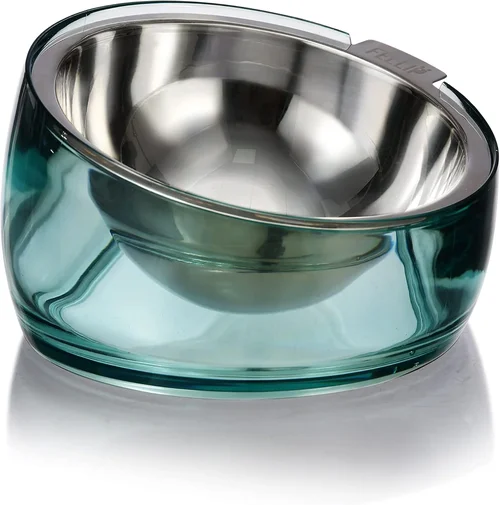
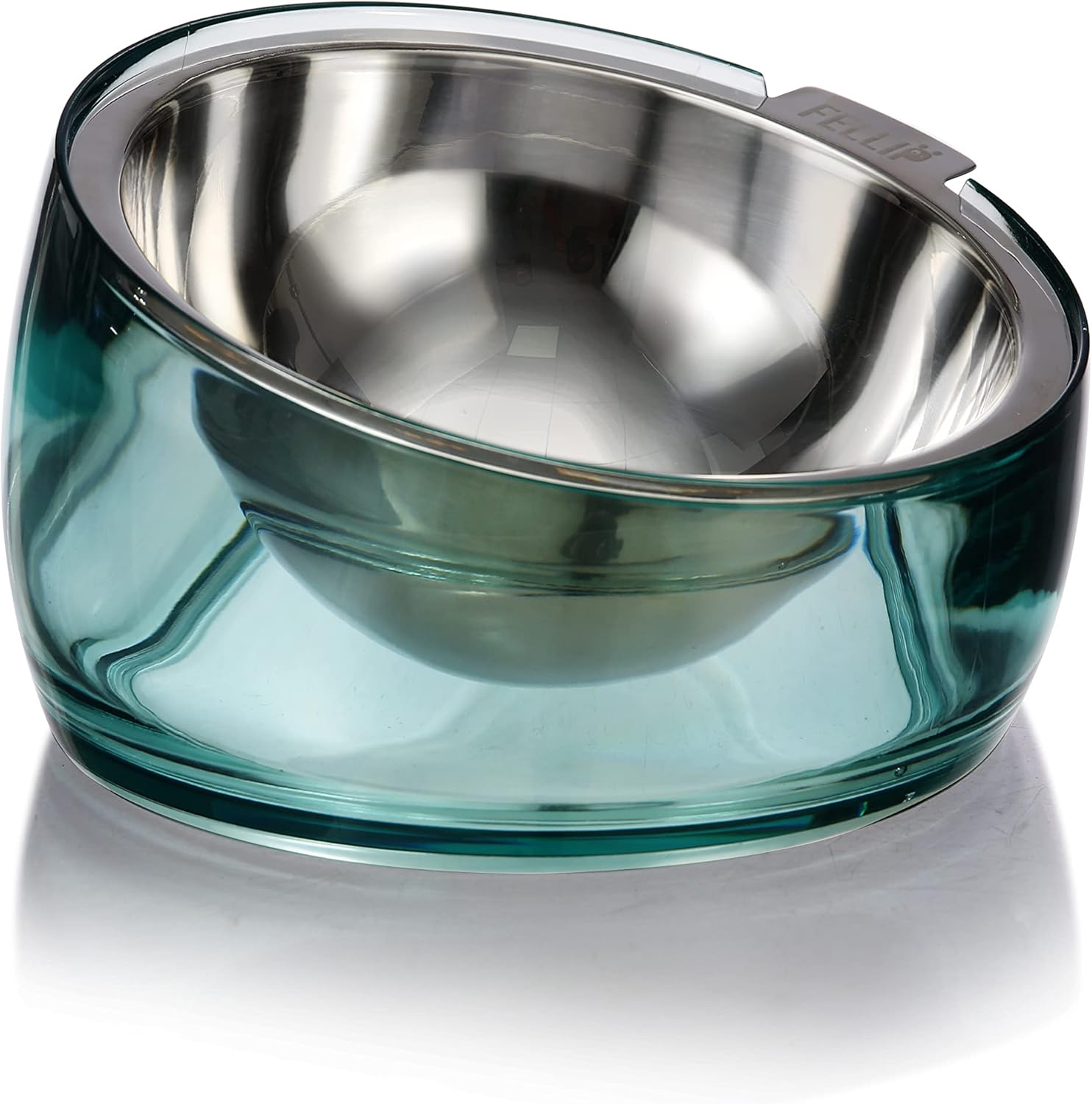
French Bulldogs have flat faces and short muzzles, which means they struggle to reach deep or narrow bowls comfortably. A bowl that’s too tall or narrow forces them to crane their necks awkwardly or push their faces deep into the dish, increasing the risk of choking, aspiration, or neck strain. The ideal bowl for a Frenchie should be shallow and wide, allowing easy access to food without requiring excessive bending or stretching. Some manufacturers now offer “brachycephalic-friendly” bowls specifically designed with a low profile and wide opening. These often feature a gently sloped interior to guide food toward the center, making it easier for your dog to eat without frustration. Additionally, consider bowls with a slightly elevated base—not too high, but enough to reduce strain on the neck and improve posture during meals.
3. Slow-Feed Functionality
French Bulldogs are notorious for eating too fast. This rapid consumption can lead to choking, vomiting, bloating (gastric dilatation-volvulus or GDV), and excessive gas—all of which are serious concerns for this breed. Slow-feed bowls are engineered to discourage gulping by incorporating ridges, mazes, or raised obstacles that force your dog to eat around them. This not only slows down ingestion but also promotes better digestion and mental stimulation. When choosing a slow-feed bowl, ensure the design isn’t overly complex—some puzzles are so challenging that dogs give up or become stressed. For Frenchies, look for moderate resistance: enough to slow them down, but not so much that it causes frustration. Also, make sure the ridges are smooth and easy to clean; sharp edges or hard-to-reach crevices can trap food and breed bacteria.
4. Stability and Anti-Slip Features
French Bulldogs are energetic eaters who often push, nudge, or even flip their bowls while feeding. A sliding or tipping bowl not only creates a mess but can also startle your dog or cause spills that attract pests. Stability is crucial. Look for bowls with non-slip bases—silicone rings, rubber feet, or weighted bottoms—that keep the dish firmly in place during mealtime. Some premium models come with suction cups that adhere to tile or hardwood floors, though these may not work well on textured surfaces. Weighted stainless steel bowls are another excellent option, as their heft naturally resists movement. Avoid lightweight plastic or thin ceramic bowls, which are prone to tipping. If your Frenchie is particularly enthusiastic at mealtime, consider placing the bowl on a placemat or using a dedicated feeding station with built-in stabilization.
5. Ease of Cleaning and Hygiene
Hygiene is non-negotiable when it comes to your dog’s food and water bowls. Bacteria, mold, and food residue can accumulate quickly—especially in warm, moist environments—leading to infections, bad breath, or digestive upset. Choose bowls that are dishwasher-safe for hassle-free cleaning. Stainless steel and high-quality ceramic are typically safe for top-rack dishwashing, while some silicone or plastic components may warp under high heat. Avoid bowls with glued-on bases, decorative coatings, or intricate designs that trap moisture and debris. Smooth, seamless interiors are ideal. For daily maintenance, rinse bowls after each use and perform a deep clean at least once a week. If you notice any lingering odors, discoloration, or slimy residue, it’s time to replace the bowl—even if it looks intact.
6. Size and Capacity Appropriateness
French Bulldogs are small to medium-sized dogs, typically weighing between 16 and 28 pounds, so their food intake is relatively modest. However, their bowl size should still accommodate their meals comfortably without overcrowding or underfilling. A bowl that’s too large may encourage overeating or make it difficult for your dog to locate food in the corners. Conversely, a bowl that’s too small can lead to frustration and inefficient feeding. As a general rule, choose a bowl that holds about 1–2 cups of dry kibble for adult Frenchies, depending on their age, activity level, and dietary needs. Puppies may need smaller, shallower bowls that are easier to access. Always measure your dog’s daily portion and test-fit it in the bowl before purchasing. Some brands offer breed-specific sizing guides—take advantage of these when available.
7. Temperature Regulation and Heat Resistance
French Bulldogs are highly sensitive to heat due to their brachycephalic anatomy, which impairs their ability to cool themselves through panting. During hot weather or in warm indoor environments, a metal bowl left in direct sunlight can become uncomfortably hot, potentially burning your dog’s mouth or discouraging them from drinking. Similarly, cold water in a metal bowl can feel excessively chilly in winter. To mitigate this, consider bowls with insulated walls or those made from materials that don’t conduct temperature extremes—such as high-grade silicone or double-walled stainless steel. Avoid placing bowls near heaters, radiators, or sunny windows. If you live in a hot climate, you might also explore cooling bowls that use gel inserts or evaporative technology to keep water refreshingly cool without electricity.
8. Aesthetic and Lifestyle Compatibility
While functionality should always come first, there’s no reason your dog’s bowl can’t also complement your home decor or reflect your personal style. Many owners appreciate bowls that look clean, modern, and cohesive with their kitchen or living space. Options range from minimalist brushed stainless steel to colorful ceramic designs, personalized engravings, or even smart bowls with LED indicators. That said, don’t sacrifice practicality for aesthetics. A beautifully painted bowl with a toxic glaze is a health hazard. Likewise, overly ornate designs with hard-to-clean nooks aren’t worth the visual appeal. Think of your bowl as both a functional tool and a lifestyle accessory—choose something that balances form and function, and that you’ll be happy to see every day.
Different Types of Buying Guide

Common Buying Mistakes to Avoid
❌ Mistake: Choosing Based Solely on Price
Why it’s bad: Opting for the cheapest bowl available often means compromising on material quality, safety, and durability. Low-cost plastic or poorly glazed ceramic bowls can leach toxins, scratch easily, and harbor bacteria—putting your Frenchie’s health at risk. A $5 bowl might seem like a bargain, but if it needs replacing every few months or causes digestive issues, it ends up costing more in the long run.
What to do instead: View your dog bowl as a long-term investment in your pet’s health. Spend a little more upfront on a high-quality stainless steel or certified ceramic bowl that will last years and keep your dog safe.
❌ Mistake: Ignoring Your Dog’s Eating Style
Why it’s bad: Not all French Bulldogs eat the same way. Some are dainty nibblers, while others inhale their food in seconds. Using a standard bowl for a fast eater increases the risk of choking, vomiting, and bloat—a life-threatening condition. Similarly, a deep bowl can frustrate a brachycephalic dog who struggles to reach the bottom.
What to do instead: Observe your dog’s eating habits. If they gulp food, invest in a slow-feed bowl. If they seem uncomfortable reaching down, choose a shallow, wide design. Tailor the bowl to your dog’s behavior, not just their size.
❌ Mistake: Overlooking Cleaning Requirements
Why it’s bad: Bowls with complex designs, glued components, or porous surfaces are difficult to clean thoroughly. Food particles and moisture trapped in crevices can lead to bacterial growth, yeast infections, or foul odors. Many owners assume “it looks clean” means it’s safe—but invisible microbes pose real risks.
What to do instead: Prioritize bowls with smooth, seamless interiors and dishwasher-safe construction. Avoid decorative elements that compromise hygiene. Clean bowls daily and sanitize weekly.
❌ Mistake: Buying Oversized or Undersized Bowls
Why it’s bad: A bowl that’s too large encourages overeating and makes it hard for your Frenchie to locate food in the corners. One that’s too small leads to frustration, spillage, and inefficient feeding. Both scenarios can affect your dog’s nutrition and mealtime enjoyment.
What to do instead: Measure your dog’s daily food portion and test it in the bowl before purchasing. Choose a size that allows comfortable access without excess space. Many brands offer sizing charts—use them!
❌ Mistake: Neglecting Anti-Slip Features
Why it’s bad: Sliding bowls create messes, startle dogs, and can lead to spills that attract ants or mold. French Bulldogs, with their stocky builds and eager appetites, are especially prone to pushing bowls around.
What to do instead: Always choose bowls with non-slip bases—rubber feet, silicone rings, or weighted bottoms. For extra security, use a placemat or feeding station designed to hold bowls in place.
❌ Mistake: Assuming All “Frenchie-Specific” Bowls Are Equal
Why it’s bad: The market is flooded with products marketed as “perfect for French Bulldogs,” but many are gimmicky or poorly designed. Some elevated bowls are too high, others have unsafe materials, and a few slow-feed designs are so complex that dogs refuse to eat.
What to do instead: Read reviews from other French Bulldog owners. Look for evidence-based design—not just marketing claims. Test the bowl with your dog and be willing to return it if it doesn’t work.
❌ Mistake: Forgetting About Water Bowls
Why it’s bad: While much attention is paid to food bowls, water bowls are equally important—especially for brachycephalic breeds who may drink quickly or struggle with deep dishes. A poor water bowl can lead to dehydration, spills, or discomfort.
What to do instead: Apply the same criteria to water bowls: material safety, shallow design, stability, and ease of cleaning. Consider a separate slow-drink bowl if your Frenchie gulps water.
Budget Guidelines: How Much Should You Spend?
When it comes to dog food bowls, price doesn’t always correlate with quality—but it often reflects material, design, and durability. Here’s a realistic breakdown of what to expect at different price points, tailored specifically for French Bulldog owners:
Entry-Level ($8 – $15): At this price, you’ll find basic stainless steel or simple ceramic bowls. These are often single-piece, unadorned dishes without anti-slip features or slow-feed designs. While they can be safe and functional if made from food-grade materials, they may lack stability or longevity. Ideal for budget-conscious buyers who prioritize hygiene over extras—but inspect carefully for rust, sharp edges, or poor craftsmanship.
Mid-Range ($16 – $35): This is the sweet spot for most French Bulldog owners. Bowls in this range typically offer better build quality, non-slip bases, and thoughtful designs like shallow profiles or moderate slow-feed ridges. You’ll find reputable brands like Neater Feeder, Outward Hound, and PetSafe offering reliable options. These bowls balance affordability with functionality and are often dishwasher-safe and vet-recommended.
Premium ($36 – $75): Premium bowls include elevated feeders, advanced slow-feed systems, or smart features like portion tracking. Materials are top-tier—think surgical-grade stainless steel, double-walled insulation, or antimicrobial coatings. These are ideal for owners who want long-term value, enhanced comfort for their dog, or solutions for specific health concerns like bloat or joint pain. Brands like PetFusion, Bergan, and SureFeed dominate this space.
Luxury ($75+): At the high end, you’ll find designer bowls, custom-engraved sets, or high-tech smart feeders with app connectivity, timers, and cameras. While these offer convenience and style, they’re often overkill for the average Frenchie. Reserve this tier if you’re a tech enthusiast, have multiple dogs with complex dietary needs, or simply value premium aesthetics and automation.

Expert Tips for Getting the Best Deal
Finding the right bowl at the right price requires strategy. Here are proven tips from veterinarians, pet nutritionists, and experienced French Bulldog owners to help you save money without sacrificing quality:
- Shop During Seasonal Sales: Major retailers like Chewy, Amazon, and Petco often run discounts during Black Friday, Cyber Monday, and back-to-school periods. Sign up for newsletters to get early access to deals.
- Buy Bundles: Many brands sell food and water bowl sets at a reduced price compared to buying separately. Look for kits that include placemats or storage containers for added value.
- Check Veterinarian Recommendations: Some clinics partner with pet product companies and offer exclusive discounts to clients. Ask your vet if they have preferred brands or promo codes.
- Read Verified Owner Reviews: Focus on reviews from French Bulldog owners—they’ll highlight breed-specific pros and cons that general reviews might miss. Look for patterns in feedback (e.g., “my Frenchie loves this slow bowl”).
- Test Before Committing: If possible, buy one bowl first to see how your dog responds. Return policies vary, so choose retailers with flexible returns (e.g., Chewy offers 30-day returns on most items).
- Consider Refurbished or Open-Box Items: High-end smart bowls sometimes appear as open-box deals on Amazon Warehouse or manufacturer sites—often at 30–50% off with full warranty coverage.
- Prioritize Warranty and Support: Reputable brands stand behind their products. A bowl with a 1–2 year warranty signals confidence in durability. Avoid no-name brands with no customer service contact.
- Use Cashback and Rewards Programs: Apps like Rakuten or credit cards with pet store rewards can add 2–5% cash back on your purchase—small savings that add up over time.

Frequently Asked Questions
Q: Can I use a regular dog bowl for my French Bulldog?
A: Technically yes, but it’s not ideal. Regular bowls are often too deep or narrow for brachycephalic breeds, forcing uncomfortable eating postures. A shallow, wide bowl designed for flat-faced dogs will improve comfort and reduce health risks.
Q: Are elevated bowls safe for French Bulldogs?
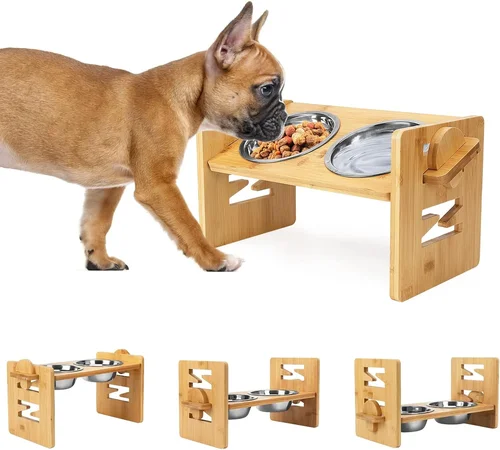
A: Elevated bowls can be beneficial for older Frenchies with arthritis or joint pain, as they reduce neck strain. However, for young, healthy dogs, the evidence on bloat prevention is mixed. If you choose an elevated feeder, keep the height low—no more than 4–6 inches—to avoid overextension.
Q: How often should I replace my dog’s food bowl?
A: Replace stainless steel or ceramic bowls if they show signs of damage—rust, cracks, chips, or deep scratches. Even undamaged bowls should be replaced every 2–3 years due to microscopic wear that can harbor bacteria. Plastic bowls should be replaced every 6–12 months.
Q: Do slow-feed bowls really work?
A: Yes—when designed properly. Studies show that slow-feed bowls can reduce eating speed by 50–70%, significantly lowering the risk of bloat and improving digestion. Choose one with smooth, moderate obstacles and test it with your dog.
Q: Can I put my dog’s bowl in the dishwasher?
A: Only if it’s labeled dishwasher-safe. Most stainless steel and high-quality ceramic bowls are safe for the top rack. Avoid washing bowls with glued bases, painted designs, or silicone components at high temperatures.
Q: What’s the best material for a French Bulldog bowl?
A: Food-grade stainless steel is the top choice for its durability, hygiene, and safety. Ceramic is acceptable if lead-free and unchipped. Avoid plastic entirely.
Q: Should food and water bowls be the same size?
A: Not necessarily. Water bowls can be slightly larger to encourage hydration, especially in hot weather. Food bowls should match your dog’s meal portion. Many owners prefer separate bowls for easier cleaning and refilling.
Q: Are personalized bowls worth it?
A: Personalization adds sentimental value and helps identify your dog’s bowl in multi-pet households. Just ensure the engraving or paint doesn’t compromise the bowl’s hygiene or safety.
Q: Can a bad bowl cause health problems?
A: Absolutely. Toxic materials, poor design, or unsanitary conditions can lead to infections, digestive issues, choking, or long-term illness. Always prioritize safety and ergonomics.
Q: Where should I place my Frenchie’s food bowl?
A: Choose a quiet, low-traffic area away from litter boxes, doors, and loud appliances. Elevate slightly if needed, but avoid placing it in direct sunlight or near heat sources.
Our Final Recommendations
After extensive research and consultation with veterinarians and French Bulldog specialists, here are our top picks across key categories:
Best for Budget-Conscious Buyers: Neater Feeder Express Stainless Steel Bowl ($12–$18) – Simple, durable, shallow design with a non-slip base. Perfect for owners who want quality without extras.
Best Overall Value: Outward Hound Fun Slow Feeder Bowl ($16–$22) – Combines slow-feed functionality with a wide, shallow profile ideal for Frenchies. Easy to clean and highly rated by owners.
Best Premium Option: PetFusion Elevated Dog Bowls ($55–$65) – Adjustable height, solid wood base, and stainless steel bowls. Great for older dogs or those with joint issues.
Best for Beginners: PetSafe Healthy Pet Simply Feed Automatic Bowl ($40–$50) – Not a traditional bowl, but a smart feeder that dispenses portions on a schedule. Ideal for new owners managing feeding routines.
Best for Advanced Users: SureFeed Microchip Pet Feeder ($130–$150) – High-tech bowl that opens only for your dog’s microchip, preventing food theft in multi-pet homes. Includes app tracking and portion control.
Conclusion: Making the Right Choice
Selecting the best dog food bowl for your French Bulldog is about more than just aesthetics or convenience—it’s a vital part of supporting their unique health needs and enhancing their daily life. From material safety and brachycephalic-friendly design to slow-feed functionality and ease of cleaning, every detail matters. By understanding the key factors, avoiding common pitfalls, and aligning your choice with your dog’s behavior and your budget, you can make a decision that benefits your Frenchie for years to come.
Remember, there’s no one-size-fits-all solution. What works for one French Bulldog might not suit another. Observe your dog, listen to their cues, and don’t hesitate to try different options until you find the perfect match. And when in doubt, consult your veterinarian—they can provide personalized advice based on your dog’s age, weight, and medical history.
Investing in the right bowl is a small step with big rewards: better digestion, reduced health risks, happier mealtimes, and a stronger bond with your beloved companion. So take your time, do your research, and choose wisely. Your Frenchie deserves nothing less.