

When it comes to caring for a large breed dog—whether it’s a gentle giant like a Great Dane, a powerful Mastiff, or an energetic Labrador—every detail matters. From nutrition and exercise to grooming and comfort, owners of large dogs know that their pets have unique needs. One often-overlooked but critically important element is the food bowl. You might think any old bowl will do, but the truth is, the right dog food bowl can significantly impact your dog’s health, eating habits, and overall well-being.
Large breed dogs are especially prone to certain health issues, such as bloat (gastric dilatation-volvulus or GDV), joint stress, and obesity. A poorly designed or inappropriate food bowl can exacerbate these risks. For example, a shallow bowl that forces a large dog to hunch over while eating can increase the likelihood of bloat, a life-threatening condition. Similarly, a flimsy bowl that tips over not only creates a mess but can also lead to inconsistent feeding and stress during mealtime. That’s why choosing the best dog food bowl for large breeds isn’t just about convenience—it’s about safety, comfort, and long-term health.
In this comprehensive guide, we’ll walk you through everything you need to know to make an informed decision. You’ll learn about the key factors to consider when selecting a bowl, from material and size to ergonomic design and ease of cleaning. We’ll compare different types of bowls, highlight common mistakes to avoid, and provide expert tips to help you get the best value for your money. Whether you’re a first-time large breed owner or a seasoned pet parent looking to upgrade, this guide will equip you with the knowledge to choose a bowl that supports your dog’s unique needs. The market is flooded with options—ranging from basic stainless steel dishes to high-tech slow-feeders and elevated stands—so we’ll cut through the noise and help you find the perfect match for your furry companion.

What to Look for When Buying Buying Guide
1. Size and Capacity
One of the most critical factors when selecting a dog food bowl for a large breed is size. Large dogs require significantly more food than smaller breeds, so a bowl that’s too small will lead to frequent refills, frustration, and potentially overeating if your dog feels rushed. Look for bowls with a capacity of at least 4 to 8 cups, depending on your dog’s size and dietary needs. For example, a 100-pound German Shepherd may need a 6-cup bowl, while a 150-pound Saint Bernard might require an 8-cup or larger option.
But it’s not just about volume—depth and diameter matter too. A wide, shallow bowl may seem spacious, but it can encourage gulping and increase the risk of bloat. Conversely, a deep, narrow bowl might be difficult for a dog with a broad muzzle to access comfortably. The ideal bowl should allow your dog to eat without straining their neck or having to dig too deeply. Measure your dog’s muzzle width and consider their eating style (do they lick, scoop, or gulp?) when choosing the right dimensions.
2. Material and Durability
The material of the bowl plays a huge role in its longevity, safety, and ease of maintenance. For large breeds, durability is non-negotiable. These dogs are strong, and many are enthusiastic eaters who can easily damage flimsy bowls. Stainless steel is the gold standard for a reason: it’s rust-resistant, non-porous (so it won’t harbor bacteria), easy to clean, and virtually indestructible. High-quality stainless steel bowls are also dishwasher-safe and won’t leach harmful chemicals into your dog’s food.
Ceramic bowls are another popular option, especially for their aesthetic appeal. However, they can chip or crack over time, and low-quality ceramics may contain lead or other toxins. If you choose ceramic, make sure it’s labeled as food-safe and lead-free. Plastic bowls are lightweight and inexpensive, but they’re prone to scratching, which can trap bacteria and lead to skin irritations or infections. They’re generally not recommended for large breeds, especially aggressive chewers.
Silicone bowls are flexible and portable, making them great for travel, but they’re not ideal for everyday use with large dogs due to their tendency to tip or collapse under weight. Ultimately, stainless steel offers the best balance of strength, hygiene, and value for large breed owners.
3. Elevated Design and Ergonomics
Elevated food bowls are increasingly recommended for large breed dogs, and for good reason. Raising the bowl to chest or shoulder height can improve posture during meals, reduce strain on the neck and spine, and aid digestion. This is particularly beneficial for older dogs or those with arthritis, hip dysplasia, or other joint issues. Studies have also suggested that elevated feeders may help reduce the risk of bloat by promoting slower, more controlled eating.
When choosing an elevated bowl, pay attention to the height. The general rule is that the top of the bowl should be level with your dog’s elbow when standing. For a Great Dane, this could be 18–24 inches off the ground, while a Boxer might need 12–16 inches. Many elevated feeders come with adjustable heights, which is ideal if you have multiple dogs or plan to use the stand as your puppy grows.
Look for stands with a wide, stable base to prevent tipping. Some models include non-slip feet or rubberized bottoms to keep the entire setup firmly in place. Pairing an elevated stand with a slow-feeder bowl can further enhance mealtime comfort and safety.
4. Anti-Slip and Stability Features
Large dogs can be messy eaters. They often push their bowls around the floor, creating chaos and potentially spilling food and water. A bowl that slides or tips easily is not only frustrating but can also lead to incomplete meals or dehydration if water is spilled. To prevent this, look for bowls with anti-slip features such as rubberized bases, weighted bottoms, or silicone grips.
Weighted bowls are especially effective for strong, energetic dogs. The added mass keeps the bowl in place, even when your dog gets excited during mealtime. Some bowls come with suction cups or non-slip mats that adhere to tile or hardwood floors. These are particularly useful in homes with slick surfaces.
Stability is also crucial for elevated feeders. A wobbly stand can startle your dog or cause spills. Choose models with a sturdy, wide base and secure bowl attachments. If you’re using a standalone bowl on the floor, consider placing it on a placemat or non-slip rug to anchor it in place.
5. Slow-Feed Design
Many large breed dogs are prone to eating too quickly, which can lead to choking, vomiting, and—most seriously—bloat. Slow-feeder bowls are designed with ridges, mazes, or raised obstacles that force your dog to eat more slowly and chew their food thoroughly. This not only improves digestion but also promotes better nutrient absorption and can help with weight management.
When evaluating slow-feeders, look for designs that are challenging but not frustrating. The obstacles should be spaced appropriately for your dog’s muzzle size. A bowl with overly complex patterns might discourage eating, while one that’s too simple won’t slow consumption effectively. Some slow-feeders are made of stainless steel with welded-in dividers, while others use silicone or plastic inserts.
It’s also important to clean slow-feeders thoroughly. Food can get trapped in the crevices, leading to bacterial growth if not washed properly. Dishwasher-safe models are ideal, but if hand-washing, use a bottle brush to reach all areas.
6. Ease of Cleaning and Maintenance
Hygiene is paramount when it comes to your dog’s food and water bowls. Bacteria, mold, and food residue can accumulate quickly, especially in warm, moist environments. A bowl that’s difficult to clean is more likely to be neglected, putting your dog’s health at risk.
Stainless steel bowls are the easiest to clean—most are dishwasher-safe and can be wiped down with a damp cloth. Avoid bowls with intricate designs, glued-on parts, or painted surfaces, as these can harbor bacteria and degrade over time. Ceramic bowls should be checked for cracks or chips regularly, as damaged areas can trap germs.
For elevated feeders, consider how easy it is to disassemble and clean both the stand and the bowls. Some models have removable bowls that can be washed separately, while others require wiping down the entire structure. If you travel with your dog, a collapsible or portable bowl might be convenient, but ensure it’s still easy to clean and dry completely to prevent mildew.
7. Aesthetic and Home Integration
While functionality should always come first, many pet owners also want their dog’s bowls to blend with their home decor. Fortunately, there are now stylish options that don’t sacrifice performance. Elevated feeders come in a variety of finishes—wood, metal, ceramic, and even bamboo—that can complement your kitchen or living room.
Some brands offer customizable options, such as engraved names or color-coordinated sets. While these features won’t impact your dog’s health, they can enhance your overall experience and make mealtime feel more intentional. Just be sure that aesthetic choices don’t compromise durability or safety. For example, a beautifully painted ceramic bowl may look great, but if the glaze contains lead, it’s not worth the risk.
8. Brand Reputation and Customer Support
Not all dog bowl brands are created equal. Some companies specialize in pet ergonomics and safety, while others prioritize style over substance. Research the brand’s reputation by reading customer reviews, checking for certifications (like FDA-approved materials), and looking into their warranty and return policies.
Reputable brands often provide detailed product specifications, care instructions, and responsive customer service. They’re also more likely to stand behind their products with warranties or satisfaction guarantees. Avoid unknown or ultra-cheap brands that cut corners on materials or manufacturing. A slightly higher upfront cost can save you money and stress in the long run by preventing replacements or health issues.
Different Types of Buying Guide

Common Buying Mistakes to Avoid
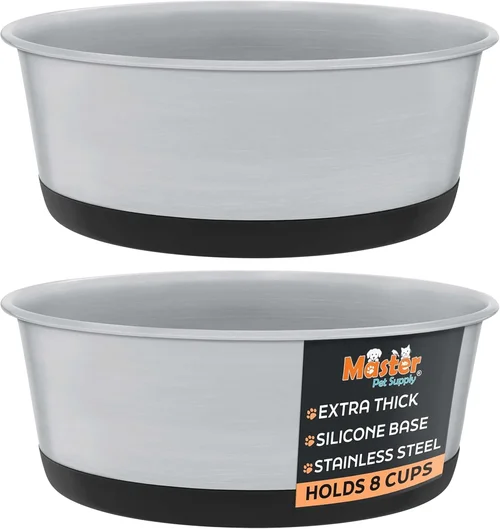
❌ Mistake: Choosing a Bowl That’s Too Small
Why it’s bad: A bowl that’s too small forces your dog to eat in uncomfortable positions, increases the risk of spills, and may lead to overeating if they feel rushed. For large breeds, inadequate capacity can also result in frequent refills, disrupting feeding routines.
What to do instead: Measure your dog’s daily food intake and choose a bowl with at least 1–2 extra cups of capacity. Consider a larger diameter to accommodate their muzzle width.
❌ Mistake: Ignoring Elevated Feeder Benefits
Why it’s bad: Feeding from floor level can strain your dog’s neck and spine, especially as they age. It may also contribute to bloat in susceptible breeds.
What to do instead: Invest in an elevated feeder with adjustable height. Position the bowl so it’s level with your dog’s elbow when standing.
❌ Mistake: Using Plastic Bowls
Why it’s bad: Plastic scratches easily, harboring bacteria that can cause chin acne, infections, or digestive issues. It’s also less durable and can be chewed or cracked by strong dogs.
What to do instead: Opt for stainless steel or high-quality ceramic. Avoid plastic unless it’s BPA-free and used only for travel.
❌ Mistake: Overlooking Slow-Feed Needs
Why it’s bad: Fast eating is a major risk factor for bloat, a life-threatening condition common in deep-chested large breeds like Great Danes and German Shepherds.
What to do instead: Use a slow-feed bowl or puzzle feeder to encourage chewing and slower consumption. Monitor your dog’s eating speed and adjust as needed.
❌ Mistake: Neglecting Cleaning Routines
Why it’s bad: Dirty bowls can lead to bacterial growth, foul odors, and health problems. Residue in crevices or under mats can attract pests.
What to do instead: Wash bowls daily with hot, soapy water or in the dishwasher. Use a brush for slow-feeders and check for hidden food particles.
❌ Mistake: Prioritizing Style Over Function
Why it’s bad: A beautiful bowl that’s unstable, hard to clean, or made of unsafe materials can compromise your dog’s health and safety.
What to do instead: Choose function first, then find a design that fits your home. Look for brands that balance aesthetics with durability.
❌ Mistake: Buying Without Reading Reviews
Why it’s bad: Not all products perform as advertised. Some bowls tip easily, rust quickly, or have poor ergonomics.
What to do instead: Read verified customer reviews, especially from other large breed owners. Look for feedback on stability, cleaning, and longevity.
Budget Guidelines: How Much Should You Spend?
– Entry-Level ($10 – $25): At this price point, you’ll find basic stainless steel or plastic bowls. These are functional for occasional use or as backups, but may lack anti-slip features or durability. Ideal for budget-conscious owners who prioritize simplicity.
– Mid-Range ($25 – $60): This is the sweet spot for most large breed owners. You’ll find high-quality stainless steel bowls with weighted bases, slow-feed designs, and elevated stands. These offer excellent value, combining durability, safety, and functionality.
– Premium ($60 – $120): Premium options include advanced elevated feeders with adjustable heights, non-slip technology, and designer finishes. Some models come with dual bowls for food and water, or integrated storage. Perfect for owners who want long-term investment and enhanced comfort.
– Luxury ($120+): Top-tier feeders often feature handcrafted materials, custom engraving, smart technology (like portion control or timers), and medical-grade stainless steel. These are ideal for enthusiasts, breeders, or dogs with specific health needs.

Expert Tips for Getting the Best Deal
– Buy During Pet Sales: Major retailers like Chewy, Petco, and Amazon often run seasonal sales (e.g., Black Friday, National Pet Day). Sign up for newsletters to get early access to discounts.
– Check for Bundles: Some elevated feeders come with matching food and water bowls, saving you money compared to buying separately.
– Read Return Policies: Ensure the retailer offers a hassle-free return window in case the bowl doesn’t fit or your dog dislikes it.
– Test Before Committing: If possible, try a basic model first to see how your dog responds to elevated feeding or slow-feed designs.
– Look for Warranties: Reputable brands often offer 1–3 year warranties against defects. This is a sign of confidence in their product.
– Buy Direct from Manufacturers: Some brands offer exclusive colors or discounts on their websites, plus faster shipping.
– Consider Used or Refurbished: Gently used elevated feeders can be found on sites like Facebook Marketplace or eBay. Just sanitize thoroughly before use.
– Ask Your Vet: If your dog has specific health concerns, your veterinarian may recommend certain bowl types or brands based on clinical experience.

Frequently Asked Questions
Q: Do elevated bowls really prevent bloat?
A: Research is mixed, but many veterinarians believe elevated feeders can reduce the risk of bloat by promoting better posture and slower eating. However, they’re not a guarantee—other factors like genetics, diet, and exercise also play a role.
Q: Can I use a slow-feed bowl for water?
A: It’s not recommended. Slow-feed designs are meant for food. Use a separate, wide water bowl to ensure your dog stays hydrated without frustration.
Q: How often should I replace my dog’s food bowl?
A: Stainless steel bowls can last a lifetime if well-maintained. Replace ceramic or plastic bowls if they crack, chip, or show signs of wear. Inspect monthly.
Q: Are automatic feeders better than regular bowls?
A: Automatic feeders are great for portion control and scheduling, but they don’t replace the need for a proper bowl. Use them with high-quality, slow-feed dishes for best results.
Q: Can puppies use elevated feeders?
A: Yes, but choose an adjustable model that grows with your puppy. Start low and increase height as they grow to avoid joint strain.
Q: What’s the best way to clean a slow-feed bowl?
A: Use a bottle brush and hot, soapy water. Rinse thoroughly and air dry. Dishwasher-safe models should be placed on the top rack to avoid warping.
Q: Do I need separate bowls for food and water?
A: Yes. Dogs drink more water than they eat food, and separate bowls prevent contamination and make cleaning easier.
Q: Can I use a human dinner plate as a dog bowl?
A: Not recommended. Human plates are often too shallow, may have sharp edges, and aren’t designed for canine use. Stick to pet-specific bowls.
Q: Are weighted bowls safe for all dogs?
A: Generally yes, but avoid them for dogs with mobility issues who may struggle to reach the bowl. Consult your vet if unsure.
Q: How do I stop my dog from flipping the bowl?
A: Use a weighted or suction-based bowl, place it on a non-slip mat, or switch to an elevated feeder with secure attachments.
Our Final Recommendations
– Best for Budget-Conscious Buyers: Pawtion Stainless Steel Bowl – Affordable, durable, and dishwasher-safe. Comes in multiple sizes and has a non-slip base.
– Best Overall Value: Neater Feeder Elevated Dog Bowl System – Combines elevated design with spill containment, adjustable height, and stainless steel bowls. Ideal for large breeds.
– Best Premium Option: PetFusion Elevated Feeder with Slow-Feed Bowl – Sleek design, medical-grade steel, and integrated slow-feed technology. Perfect for health-conscious owners.
– Best for Beginners: Outward Hound Slow Feeder Bowl – Simple, effective, and easy to clean. Great for first-time slow-feed users.
– Best for Advanced Users: SureFeed Microchip Pet Feeder – High-tech option with RFID recognition, portion control, and app connectivity. Ideal for multi-dog households or dogs with dietary restrictions.
Conclusion: Making the Right Choice
Choosing the best dog food bowl for your large breed isn’t just about picking something that holds food—it’s about supporting your dog’s health, comfort, and happiness at every meal. From preventing bloat and joint strain to promoting better digestion and hygiene, the right bowl can make a meaningful difference in your pet’s life.
We’ve covered the essential factors: size, material, elevation, stability, slow-feed design, ease of cleaning, and brand reliability. We’ve compared different types, highlighted common pitfalls, and provided budget-friendly and premium options to suit every need. Now, it’s time to take action.
Start by assessing your dog’s specific needs. Are they a fast eater? Do they have joint pain? Is bloat a concern in their breed? Use this guide to narrow down your options and prioritize features that matter most. Don’t be swayed by flashy designs or low prices—invest in quality that lasts.
Remember, your dog relies on you for their well-being. A small change like upgrading their food bowl can have a big impact. Whether you choose a simple stainless steel dish or a high-tech elevated feeder, make sure it’s safe, comfortable, and tailored to your dog’s lifestyle.
Take the time to research, read reviews, and consult your vet if needed. And when you find the perfect bowl, you’ll not only be feeding your dog—you’ll be caring for them in one of the most fundamental ways possible. Here’s to many happy, healthy meals ahead.