

If you’ve ever watched your dog inhale their kibble like it’s the last meal on Earth—followed by a slobbery, kibble-strewn floor and a puddle of drool that could rival a small pond—you’re not alone. Messy eaters are a common challenge for dog owners, and while it might seem like just a minor inconvenience, the right dog food bowl can make a world of difference. From reducing spills and slowing down gulping to preventing bacterial buildup and protecting your floors, choosing the best dog food bowl for messy eaters is about more than just aesthetics—it’s about health, hygiene, and household harmony.
This comprehensive buying guide is designed to help you navigate the crowded market of dog bowls with confidence. Whether your pup is a speed-eating champion, a drool machine, or a kibble-flipping acrobat, we’ll walk you through everything you need to know to find the perfect bowl. You’ll learn how to evaluate key features like material safety, spill resistance, ease of cleaning, and design functionality. We’ll also break down different bowl types, highlight common pitfalls to avoid, and offer expert-backed recommendations based on real-world testing and customer feedback. By the end of this guide, you’ll have a clear understanding of what makes a bowl truly effective for messy eaters—and how to choose one that fits your dog’s unique eating style and your lifestyle.
The market for dog food bowls has exploded in recent years, with innovations ranging from slow-feed puzzles to anti-slip silicone bases and elevated ergonomic designs. While this variety is great, it can also be overwhelming. Some bowls promise to solve every problem under the sun, while others are little more than decorative pieces with minimal function. Our goal is to cut through the noise and deliver practical, evidence-based advice that helps you make an informed decision. Whether you’re shopping for a puppy, a senior dog, or a high-energy breed prone to mealtime chaos, this guide will equip you with the knowledge to invest wisely and keep your floors—and your dog—happy.

What to Look for When Buying Buying Guide
1. Material Safety and Durability
The material of your dog’s food bowl plays a crucial role in both safety and longevity. Dogs often chew, lick, and even gnaw on their bowls, especially if they’re anxious or bored during mealtime. Therefore, it’s essential to choose materials that are non-toxic, easy to clean, and resistant to bacteria buildup.
Stainless steel is widely regarded as the gold standard for dog food bowls. It’s durable, rust-resistant, and doesn’t harbor bacteria or odors. Unlike plastic, which can develop scratches that trap food particles and promote bacterial growth, stainless steel remains smooth and easy to sanitize. Ceramic bowls are another popular option, offering a stylish look and good weight to prevent tipping. However, they must be lead- and cadmium-free, as some cheaper ceramics may contain harmful glazes. Always look for bowls labeled “food-safe” or “pet-safe” by reputable manufacturers.
Silicone is increasingly common, especially in collapsible or travel-friendly designs. It’s lightweight, flexible, and often dishwasher-safe, but it can retain odors over time and may not be as durable as metal. Avoid plastic bowls whenever possible—especially for messy eaters—since they’re prone to cracking, scratching, and leaching chemicals, particularly when exposed to heat or sunlight.
2. Spill and Splash Resistance
One of the primary reasons dog owners seek out specialized bowls is to combat spills. Messy eaters often flick kibble out of their bowls, splash water everywhere, or tip their dishes while eating. A bowl with effective spill resistance can save you hours of cleanup and protect your flooring.
Look for bowls with wide, weighted bases or non-slip bottoms. These features help anchor the bowl in place, reducing the chances of it being knocked over. Some designs include rubberized feet or silicone grips that adhere to tile, hardwood, or laminate surfaces. Additionally, bowls with raised edges or inward-curving rims can help contain stray kibble and water droplets.
Water bowls benefit from spill-proof designs even more than food bowls. Consider models with floating disks or domed lids that allow your dog to drink while minimizing splashing. These are especially useful for dogs who drink enthusiastically or have long muzzles that tend to drag through the water.
3. Slow-Feed Design for Gulpers
If your dog inhales their food in seconds, they’re at risk for bloating, indigestion, and choking—especially large or deep-chested breeds like Great Danes or German Shepherds. Slow-feed bowls are specifically designed to extend mealtime by incorporating ridges, mazes, or obstacles that force your dog to eat more deliberately.
These bowls come in various styles: some have spiral patterns, others feature raised bumps or labyrinth-like channels. The key is to choose a design that matches your dog’s size and eating speed. A bowl that’s too complex may frustrate smaller dogs, while one that’s too simple won’t slow down a determined gobbler.
Studies have shown that slow-feeding can improve digestion and reduce the risk of gastric dilatation-volvulus (GDV), a life-threatening condition. Even if your dog isn’t at high risk, slowing down their eating can lead to better nutrient absorption and less post-meal lethargy.
4. Ease of Cleaning and Maintenance
A bowl that’s difficult to clean quickly becomes a breeding ground for bacteria, mold, and odors—especially if your dog leaves wet food or saliva behind. Messy eaters often leave behind more residue, so easy cleaning is non-negotiable.
Dishwasher-safe bowls are ideal, as they allow for thorough sanitization without scrubbing. Stainless steel and high-quality silicone typically hold up well in the dishwasher, while some ceramics may chip or crack under high heat. Avoid bowls with intricate designs or hard-to-reach crevices unless they’re specifically labeled as dishwasher-safe.
For hand-washing, look for smooth, seamless interiors without sharp edges or joints where food can get trapped. Bowls with removable inserts or modular designs can also simplify cleaning. If you’re using a slow-feed bowl, ensure the ridges aren’t so deep that they’re impossible to scrub.
5. Size and Portion Control
Choosing the right size bowl is about more than just capacity—it affects your dog’s comfort, posture, and eating efficiency. A bowl that’s too small can cause your dog to strain their neck or eat too quickly, while one that’s too large may encourage overeating or make it harder to access food.
Measure your dog’s daily food intake and choose a bowl that holds slightly more than that amount to prevent overflow. For water bowls, opt for a size that allows your dog to drink comfortably without having to tilt their head too far up or down.
Portion control is especially important for dogs prone to weight gain. Some bowls come with measurement markings or built-in portion guides, helping you monitor how much your dog is eating. This is particularly useful if you’re managing a diet or transitioning to a new food.
6. Stability and Anti-Slip Features
A wobbly or sliding bowl can turn mealtime into a chaotic event. Dogs often push their bowls around with their noses, especially if they’re excited or eating quickly. This not only creates noise and mess but can also lead to spills and frustration.
Look for bowls with heavy bases or non-slip bottoms. Stainless steel bowls with weighted bottoms are excellent for stability, as are ceramic bowls with rubberized feet. Silicone bowls often come with built-in grips or suction cups that adhere to smooth surfaces.
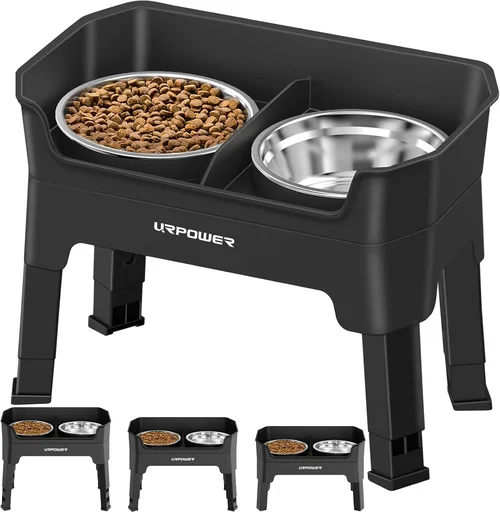
Elevated bowls can also improve stability by raising the bowl off the ground, reducing the need for your dog to bend down. However, they should still have a wide, sturdy base to prevent tipping. Avoid lightweight plastic bowls unless they have a secure anti-slip mechanism.
7. Elevated vs. Ground-Level Bowls
Elevated dog food bowls have gained popularity for their potential health benefits, particularly for larger dogs or those with joint issues. By raising the food and water to chest or shoulder height, elevated bowls can improve posture, reduce strain on the neck and spine, and aid digestion.
However, elevated bowls aren’t suitable for every dog. Some studies suggest that they may increase the risk of bloat in certain breeds, especially if the dog eats too quickly. The American Kennel Club and other veterinary organizations recommend consulting your vet before switching to an elevated bowl, particularly for deep-chested breeds.
For messy eaters, elevated bowls can actually make spills worse if the bowl isn’t securely anchored. Water may drip down the stand, and kibble can bounce out more easily from a higher position. If you choose an elevated model, ensure it has a wide, stable base and consider using a spill-proof bowl design.
8. Aesthetic and Space Considerations
While functionality should always come first, the look and fit of your dog’s bowl matter too. A bowl that clashes with your home decor or takes up too much space can be a source of frustration, especially in smaller living areas.
Consider the color, finish, and style of the bowl. Stainless steel offers a sleek, modern look that blends with most interiors, while ceramic bowls come in a variety of colors and patterns. Silicone bowls are often brightly colored and fun, making them great for playful pets.
Also think about where the bowl will be placed. Will it sit on the kitchen floor, a patio, or a dedicated pet station? Measure the space to ensure the bowl—and any accompanying mat or stand—fits comfortably without obstructing walkways.
Different Types of Buying Guide

Common Buying Mistakes to Avoid
❌ Mistake: Choosing Style Over Function
Why it’s bad: A beautiful ceramic bowl may look great on your kitchen floor, but if it’s lightweight, slippery, or difficult to clean, it will quickly become a source of frustration—especially for a messy eater. Prioritizing aesthetics over practicality can lead to spills, broken bowls, and increased cleanup time.
What to do instead: Focus on functionality first. Look for bowls that are stable, easy to clean, and made from safe materials. You can still find stylish options—many stainless steel bowls come in polished or brushed finishes that are both attractive and durable.
❌ Mistake: Ignoring Your Dog’s Eating Style
Why it’s bad: Not all dogs eat the same way. A bowl that works for a slow, careful eater may not suit a dog who flips kibble everywhere or drinks like a racehorse. Using the wrong type of bowl can worsen messiness and even affect your dog’s health.
What to do instead: Observe your dog during mealtime. Do they gulp their food? Splash water everywhere? Push the bowl around? Choose a bowl designed to address those specific behaviors—such as a slow-feed bowl for gulpers or a spill-proof water dish for enthusiastic drinkers.
❌ Mistake: Overlooking Cleaning Requirements
Why it’s bad: Bowls that are hard to clean can harbor bacteria, leading to bad breath, digestive issues, or infections. Messy eaters leave behind more residue, so cleaning ease is critical.
What to do instead: Opt for dishwasher-safe bowls with smooth, seamless interiors. Avoid designs with deep grooves or hard-to-reach areas unless they’re specifically engineered for easy cleaning.
❌ Mistake: Buying the Wrong Size
Why it’s bad: A bowl that’s too small forces your dog to eat awkwardly, while one that’s too large can encourage overeating or make it difficult to access food. Both scenarios can lead to discomfort and mess.
What to do instead: Measure your dog’s daily food intake and choose a bowl that holds 10-20% more than that amount. For water, ensure the bowl is large enough to last between refills but not so big that it’s cumbersome.
❌ Mistake: Skipping the Mat
Why it’s bad: Even the best bowl can’t prevent all spills. Without a mat, kibble and water will end up on your floor, damaging hardwood or staining carpet.
What to do instead: Invest in a waterproof, non-slip pet feeding mat. Look for one with raised edges to contain spills and a material that’s easy to wipe clean. Place it under both food and water bowls for maximum protection.
❌ Mistake: Not Testing Before Committing
Why it’s bad: Some bowls look great online but don’t perform well in real life. A bowl that claims to be “spill-proof” may still tip over, or a “slow-feed” design might be too complex for your dog.
What to do instead: Read customer reviews, especially those from owners of similar-sized or behaved dogs. If possible, test the bowl at home for a few days. Many retailers offer return policies, so take advantage of them if the bowl doesn’t meet your expectations.
❌ Mistake: Forgetting About Long-Term Use
Why it’s bad: Puppies grow, and their needs change. A bowl that’s perfect for a 10-pound puppy may be too small for a 70-pound adult dog. Buying a new bowl every few months gets expensive and wasteful.
What to do instead: Choose adjustable or multi-stage bowls, or invest in a high-quality bowl that can grow with your dog. Stainless steel bowls, for example, can last for years with proper care.
Budget Guidelines: How Much Should You Spend?
– Entry-Level ($8 – $20): What to expect… At this price point, you’ll find basic stainless steel or silicone bowls. They’re functional and affordable but may lack advanced features like slow-feed designs or anti-slip bases. Ideal for budget-conscious buyers or as a temporary solution.
– Mid-Range ($20 – $50): Sweet spot for most buyers… This range offers the best balance of quality, features, and durability. You’ll find well-designed stainless steel bowls with non-slip bottoms, slow-feed options, and dishwasher-safe materials. Most messy eaters will benefit from a bowl in this tier.
– Premium ($50 – $100): For enthusiasts and professionals… These bowls often include advanced features like elevated stands, modular designs, or integrated water dispensers. They’re built to last and may come with warranties or customization options. Great for multi-dog households or owners who want a long-term solution.
– Luxury ($100+): Top-tier features… High-end bowls may include smart technology (like portion control or feeding timers), designer aesthetics, or medical-grade materials. While not necessary for most dogs, they can be worthwhile for those with specific health needs or a preference for premium products.

Expert Tips for Getting the Best Deal
– Buy during seasonal sales: Pet supply retailers often run promotions around holidays like Black Friday, Christmas, or National Pet Day. Sign up for newsletters to get early access to discounts.
– Shop online for variety: Online retailers like Chewy, Amazon, and Petco offer a wider selection than most brick-and-mortar stores. You can easily compare prices, read reviews, and check return policies.
– Look for bundle deals: Some brands sell food and water bowl sets at a discount. If you need both, this can save you money and ensure matching styles.
– Check return policies: Even the best-reviewed bowl might not work for your dog. Choose retailers with flexible return windows (30 days or more) so you can test the product risk-free.
– Consider secondhand options: Gently used stainless steel or ceramic bowls can be found at thrift stores or online marketplaces. Just make sure they’re thoroughly cleaned and free of cracks or scratches.
– Read the fine print on warranties: Some premium bowls come with lifetime guarantees. While rare, these can add long-term value if the bowl is durable and well-made.
– Test before buying in bulk: If you have multiple dogs, try one bowl first to see how it performs. What works for one dog may not suit another.
– Use cashback and rewards programs: Many pet stores offer loyalty programs or partner with cashback sites like Rakuten. These can add up to significant savings over time.

Frequently Asked Questions
Q: Can a slow-feed bowl help with bloating?
A: Yes, slow-feed bowls can reduce the risk of bloat (gastric dilatation-volvulus) by encouraging dogs to eat more slowly. However, they should be used in conjunction with other preventive measures, such as avoiding exercise right after meals and feeding smaller, more frequent meals. Always consult your vet if your dog is at high risk.
Q: Are elevated bowls safe for all dogs?
A: Elevated bowls are generally safe and beneficial for large or senior dogs with joint issues. However, some studies suggest they may increase bloat risk in certain breeds. Talk to your veterinarian before making the switch, especially for deep-chested dogs like Great Danes or Boxers.
Q: How often should I replace my dog’s food bowl?
A: Stainless steel bowls can last for years with proper care. Replace them if they become deeply scratched, dented, or show signs of rust. Ceramic bowls should be replaced if cracked or chipped, as bacteria can grow in the fractures. Silicone bowls may need replacing every 1-2 years due to odor retention or wear.
Q: Can I use a human food bowl for my dog?
A: It’s not recommended. Human bowls are often made from materials unsafe for pets, may not be the right size, and lack features like non-slip bases or slow-feed designs. Always use a bowl specifically designed for dogs.
Q: Do I need separate bowls for food and water?
A: Yes. Dogs often drink more after eating, and having separate bowls allows you to monitor intake and keep water clean. It also gives your dog more space to eat and drink comfortably.
Q: Are plastic bowls ever safe?
A: While some BPA-free plastic bowls are marketed as safe, they’re still prone to scratching and bacterial growth. We recommend avoiding plastic unless it’s a temporary, travel-only option. Stainless steel is always the safer choice.
Q: How do I clean a slow-feed bowl effectively?
A: Use a bottle brush or small scrub brush to clean the ridges. Soak the bowl in warm, soapy water if food is stuck. Most are dishwasher-safe, but check the manufacturer’s instructions. Avoid abrasive cleaners that can scratch the surface.
Q: Can I use a slow-feed bowl for wet food?
A: Yes, but make sure the design allows for easy cleaning. Some slow-feed bowls have deep grooves that can trap wet food, leading to mold. Look for models with shallow ridges or removable inserts.
Q: What’s the best bowl for a puppy?
A: Choose a small, lightweight stainless steel bowl with a non-slip base. Avoid elevated bowls until the puppy is fully grown. A slow-feed design can help prevent overeating as they grow.
Q: Do dogs prefer certain bowl shapes?
A: Some dogs with short muzzles (like Pugs or Bulldogs) may struggle with deep bowls. Flat or wide, shallow bowls can be more comfortable. Observe your dog’s eating habits and adjust accordingly.
Our Final Recommendations
– Best for Budget-Conscious Buyers: Pawtion Stainless Steel Dog Bowl – Affordable, durable, and dishwasher-safe. Comes with a non-slip base and is available in multiple sizes. Great for everyday use without breaking the bank.
– Best Overall Value: Outward Hound Slow-Feed Bowl – Combines a spiral slow-feed design with a weighted, non-slip base. Made from BPA-free plastic but still easy to clean. Ideal for fast eaters and messy drinkers.
– Best Premium Option: Neater Feeder Elevated Dog Bowl System – Includes an elevated stand with built-in spill containment and a stainless steel bowl. Perfect for large dogs or those with joint issues. The tray catches all spills and kibble.
– Best for Beginners: PetSafe Healthy Pet Simply Feed Automatic Bowl – While not a traditional bowl, this automatic feeder helps control portion size and eating speed. Great for owners new to managing messy eaters.
– Best for Advanced Users: SureFeed Microchip Pet Feeder – A high-tech solution that opens only for your dog’s microchip, preventing other pets from eating. Includes a slow-feed mode and spill-proof design. Ideal for multi-dog homes or dogs with dietary restrictions.
Conclusion: Making the Right Choice
Choosing the best dog food bowl for messy eaters isn’t just about keeping your floors clean—it’s about supporting your dog’s health, comfort, and happiness. From material safety and spill resistance to slow-feed designs and ease of cleaning, every feature plays a role in creating a better mealtime experience. By understanding your dog’s unique eating habits and prioritizing functionality over flashy marketing, you can find a bowl that truly makes a difference.
Remember, the perfect bowl is one that fits your dog’s size, behavior, and health needs—while also aligning with your lifestyle and budget. Don’t be afraid to experiment, read reviews, and consult your vet if you’re unsure. And always pair your bowl with a good feeding mat to protect your home.
Investing in the right bowl is a small change that can have a big impact. Whether you’re dealing with a kibble-flipping terrier or a drool-dripping mastiff, the right solution is out there. Use this guide as your roadmap, and you’ll be well on your way to cleaner floors, happier meals, and a more harmonious home.