
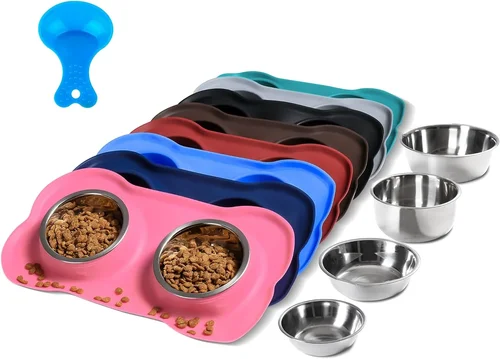
Choosing the right dog food bowl for your puppy might seem like a small decision, but it’s one that can have a surprisingly big impact on your pup’s health, comfort, and long-term feeding habits. Puppies are in a critical stage of growth and development, and their nutritional needs are vastly different from adult dogs. A poorly designed or inappropriate bowl can lead to digestive issues, behavioral problems during mealtime, or even physical discomfort—especially as your puppy grows rapidly in those first 6 to 12 months. From slowing down fast eaters to preventing bloat in deep-chested breeds, the right bowl does more than just hold kibble—it supports healthy development.
In this comprehensive buying guide, we’ll walk you through everything you need to know to make an informed decision. Whether you’re a first-time pet parent or a seasoned dog owner welcoming a new furry family member, you’ll learn how to evaluate key features like material safety, size appropriateness, ease of cleaning, and design functionality. We’ll break down the different types of puppy food bowls available today—from slow-feeders and elevated stands to stainless steel basics and interactive puzzle bowls—and help you understand which style best suits your puppy’s breed, eating habits, and lifestyle. By the end of this guide, you’ll be equipped with expert knowledge to choose a bowl that promotes safe, stress-free, and enjoyable mealtimes for years to come.
The market for puppy-specific food bowls has exploded in recent years, driven by increased awareness of canine nutrition and wellness. What was once a simple choice between plastic and metal has evolved into a sophisticated ecosystem of specialized products designed to address everything from portion control to dental health. Brands now offer bowls with non-slip bases, antimicrobial coatings, adjustable heights, and even smart technology that tracks eating patterns. With so many options flooding the market, it’s easy to feel overwhelmed—or worse, to settle for a generic bowl that doesn’t meet your puppy’s unique needs. This guide cuts through the noise, offering clear, evidence-based advice to help you navigate the crowded landscape and invest wisely in a product that supports your puppy’s growth and happiness.

What to Look for When Buying Buying Guide
1. Material Safety and Non-Toxicity
The material your puppy’s food bowl is made from is arguably the most important factor to consider. Puppies are naturally curious and tend to chew, lick, and even nibble on their bowls—especially during teething. This means any harmful chemicals or toxins leaching from the bowl could end up inside your pup. Avoid plastic bowls labeled with recycling codes 3 (PVC), 6 (polystyrene), or 7 (other, often containing BPA), as these may contain endocrine disruptors or phthalates. Instead, opt for food-grade stainless steel, ceramic with lead-free glazes, or BPA-free, high-quality silicone. Stainless steel is particularly recommended by veterinarians for its durability, non-porous surface (which resists bacteria), and ease of sanitization. Always check manufacturer certifications like FDA-approved or LFGB-compliant materials to ensure safety.
2. Size and Portion Appropriateness
Puppies come in all shapes and sizes—from tiny Chihuahuas to rapidly growing Great Danes—and their bowl size should reflect their current and projected adult size. A bowl that’s too large can encourage overeating or make it difficult for small breeds to reach their food comfortably. Conversely, a bowl that’s too small may lead to spills, frustration, or inadequate nutrition intake. Measure your puppy’s daily food portion and choose a bowl with a capacity that allows for a full meal without overflowing. For growing puppies, consider adjustable or expandable bowls, or plan to upgrade every few months. Depth also matters: shallow bowls work well for brachycephalic (flat-faced) breeds like Bulldogs or Pugs, while deeper bowls suit longer-snouted dogs like Collies or Shepherds.
3. Stability and Non-Slip Design
Nothing is more frustrating than watching your puppy push their bowl across the kitchen floor during mealtime. Unstable bowls not only create messes but can also cause stress or anxiety around feeding. Look for bowls with weighted bases, rubberized bottoms, or silicone grips that anchor them firmly to the floor. Elevated feeders often include anti-tip designs, which are especially helpful for larger breeds prone to knocking over standard bowls. For puppies who are particularly energetic or playful at mealtime, a non-slip mat placed underneath the bowl adds an extra layer of security. Stability also reduces the risk of accidental ingestion of foreign objects if your pup tries to “chase” a sliding bowl.
4. Ease of Cleaning and Hygiene
Bacteria, mold, and food residue can accumulate quickly in poorly designed bowls, leading to gastrointestinal issues or skin irritations in sensitive puppies. Choose bowls that are dishwasher-safe or have smooth, seamless interiors without hard-to-reach crevices. Stainless steel and high-quality silicone are naturally resistant to bacterial growth and easy to wipe down. Avoid textured surfaces or decorative grooves that trap moisture and kibble particles. If using ceramic, ensure the glaze is intact and free of chips—cracks can harbor bacteria. For multi-pet households, individual bowls that are easy to sanitize between uses are essential to prevent cross-contamination. Regular cleaning (ideally daily) is non-negotiable for maintaining your puppy’s health.
5. Slow-Feed Features for Fast Eaters
Some puppies gulp their food in seconds, which can lead to choking, vomiting, or even life-threatening bloat—especially in large or deep-chested breeds like German Shepherds, Great Danes, or Boxers. Slow-feed bowls are designed with ridges, mazes, or raised obstacles that force puppies to eat more slowly and chew their food properly. These bowls not only improve digestion but also provide mental stimulation, turning mealtime into a rewarding challenge. When choosing a slow-feeder, ensure the design isn’t too complex for your puppy’s age or size—overly intricate patterns may frustrate younger pups. Look for models with rounded edges and removable inserts for easier cleaning.
6. Elevation and Ergonomics
Elevated food bowls have gained popularity for their potential benefits in promoting better posture and reducing strain on a puppy’s neck and joints. For medium to large breeds, an elevated feeder can help align the esophagus with the stomach, potentially reducing the risk of bloat and improving digestion. However, elevation isn’t always necessary—small breeds or puppies under 6 months may not benefit and could even find it harder to reach their food. If you choose an elevated stand, ensure it’s adjustable to grow with your puppy and that the height is appropriate (typically 4–8 inches for most breeds). Always consult your veterinarian before switching to an elevated feeder, especially if your puppy has a history of gastric issues.
7. Durability and Chew Resistance
Puppies are notorious for chewing on anything within reach—including their food bowls. A durable bowl should withstand enthusiastic gnawing without cracking, chipping, or releasing harmful particles. Stainless steel is the gold standard for chew resistance, while high-grade silicone offers flexibility without breaking. Avoid thin plastic or low-quality ceramics, which can shatter and pose a choking hazard. If your puppy is a persistent chewer, consider bowls with reinforced rims or those specifically marketed as “indestructible.” Durability also ties into long-term value: investing in a well-made bowl now can save you from frequent replacements and potential vet bills down the line.
8. Aesthetic and Practical Integration
While functionality should always come first, many pet owners appreciate bowls that complement their home decor or fit seamlessly into their daily routines. Modern designs range from minimalist stainless steel sets to colorful silicone bowls with matching water dishes. Some models include built-in water reservoirs or stackable storage features for travel. Consider whether you need a single bowl or a set, and whether portability is important (e.g., for crate training or travel). However, never sacrifice safety or hygiene for style—always prioritize materials and design features that support your puppy’s health over visual appeal.
Different Types of Buying Guide

Common Buying Mistakes to Avoid
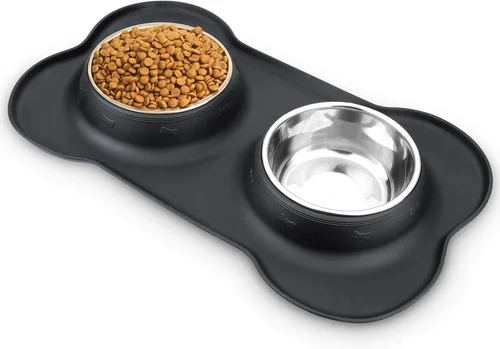
❌ Mistake: Choosing Based Solely on Price
Why it’s bad: Opting for the cheapest bowl available often means compromising on material quality, safety, and durability. Low-cost plastic bowls may contain harmful chemicals, chip easily, or harbor bacteria in microscopic scratches. Over time, these issues can lead to health problems or require frequent replacements, ultimately costing more.
What to do instead: View your puppy’s food bowl as a long-term investment in their health. Allocate a reasonable budget ($15–$40) for a high-quality, safe, and durable option that will last through their growth stages.
❌ Mistake: Ignoring Your Puppy’s Breed and Size
Why it’s bad: A bowl that works for a 5-pound Yorkie won’t suit a 70-pound Labrador puppy. Using an ill-fitting bowl can cause discomfort, inefficient eating, or even posture issues. Flat-faced breeds may struggle with deep bowls, while large breeds may need elevation to eat comfortably.
What to do instead: Research breed-specific feeding recommendations and choose a bowl that matches your puppy’s current size and expected adult weight. Consider adjustable or multi-stage bowls if your puppy is growing rapidly.
❌ Mistake: Overlooking Cleaning Requirements
Why it’s bad: Bowls that are difficult to clean encourage bacterial buildup, which can lead to infections, bad breath, or digestive upset. Textured surfaces, glued-on rubber bases, or complex slow-feed designs with tight corners are common culprits.
What to do instead: Prioritize dishwasher-safe, seamless designs with minimal crevices. Clean bowls daily with hot, soapy water or in the dishwasher to maintain hygiene.
❌ Mistake: Assuming All Elevated Feeders Are Beneficial
Why it’s bad: While elevated feeders can help some dogs, they’re not universally beneficial. For small puppies or breeds prone to certain orthopedic conditions, elevation may actually increase strain or discomfort. Some studies also suggest elevated feeders might increase bloat risk in certain breeds if not used correctly.
What to do instead: Consult your veterinarian before introducing an elevated feeder. Use them only when medically recommended or for large breeds where posture support is clearly beneficial.
❌ Mistake: Buying a Bowl That’s Too Small or Too Large
Why it’s bad: A bowl that’s too small forces your puppy to eat quickly or spill food, while an oversized bowl may encourage overeating or make it hard for small dogs to access their meal. Both scenarios can disrupt healthy eating habits.
What to do instead: Measure your puppy’s daily food portion and choose a bowl that holds that amount comfortably with room to spare. Upgrade as your puppy grows.
❌ Mistake: Neglecting Non-Slip Features
Why it’s bad: Sliding bowls create mess, stress, and can even cause accidents if your puppy slips while trying to reach their food. They also make slow-feeding ineffective if the bowl moves around.
What to do instead: Always choose bowls with rubberized bases, silicone feet, or weighted bottoms. Pair with a non-slip mat for added stability, especially on tile or hardwood floors.
❌ Mistake: Falling for Gimmicks Without Function
Why it’s bad: Some bowls come with flashy features like LED lights, Bluetooth tracking, or overly complex puzzle designs that look impressive but offer little real benefit—or worse, frustrate your puppy.
What to do instead: Focus on core functionality: safety, hygiene, appropriate size, and eating comfort. If you want interactive features, ensure they’re age-appropriate and don’t hinder your puppy’s ability to eat.
Budget Guidelines: How Much Should You Spend?
- Entry-Level ($8–$15): At this price point, you’ll find basic stainless steel or BPA-free plastic bowls. While some are safe and functional, avoid ultra-cheap options with thin walls or questionable materials. These are best for temporary use or as backup bowls. Look for brands with clear material certifications.
- Mid-Range ($15–$30): This is the sweet spot for most puppy owners. You’ll find high-quality stainless steel bowls with non-slip bases, simple slow-feed designs, or durable silicone options. These bowls offer excellent value, combining safety, durability, and practical features without unnecessary frills.
- Premium ($30–$60): Premium bowls often include advanced features like adjustable elevation, antimicrobial coatings, modular slow-feed systems, or designer aesthetics. Brands in this range typically offer better warranties, superior craftsmanship, and breed-specific sizing. Ideal for owners who prioritize long-term use and specialized needs.
- Luxury ($60+): Top-tier options may include smart bowls with portion control, eating speed monitors, or integrated water dispensers. While innovative, these are often overkill for most puppies unless recommended by a vet for medical reasons. Reserve this tier for tech-savvy owners or those with specific health concerns.

Expert Tips for Getting the Best Deal
- Buy During Pet Supply Sales: Major retailers like Chewy, Petco, and Amazon often run seasonal promotions—especially around holidays like Black Friday, Prime Day, or National Pet Day. Sign up for newsletters to get early access to discounts.
- Check Manufacturer Websites Directly: Some brands offer exclusive deals, bundle packages (e.g., bowl + mat + scoop), or loyalty programs when you buy directly. You may also find refurbished or “open-box” items at reduced prices.
- Read Verified Customer Reviews: Look beyond star ratings. Focus on reviews from owners of puppies similar in breed and size to yours. Pay attention to comments about durability, ease of cleaning, and real-world performance.
- Consider Multi-Pack Deals: If you have multiple pets or want backups, multi-packs often offer significant savings per unit. Just ensure all bowls meet your safety standards.
- Test Before Committing to Sets: If considering an elevated feeder or interactive bowl, start with a single unit to see how your puppy responds before investing in a full set.
- Review Return Policies: Choose retailers with hassle-free returns in case the bowl doesn’t suit your puppy. Some companies even offer trial periods for premium products.
- Look for Warranty Coverage: Reputable brands often provide 1–3 year warranties against defects. This is a sign of confidence in their product’s durability.
- Ask Your Veterinarian: Vets often have recommendations based on clinical experience. They may also know which brands are trusted in professional settings.

Frequently Asked Questions
Q: Can I use a regular adult dog bowl for my puppy?
A: It depends on the size and design. While some adult bowls may work temporarily, puppies benefit from appropriately sized, shallow, or slow-feed options that match their developmental stage. Using an adult bowl too early can lead to poor eating posture or difficulty accessing food.
Q: How often should I replace my puppy’s food bowl?
A: Replace bowls immediately if they crack, chip, or show signs of wear. Otherwise, stainless steel bowls can last years with proper care. Silicone and plastic bowls should be inspected monthly and replaced every 6–12 months, especially if chewed or scratched.
Q: Are ceramic bowls safe for puppies?
A: Only if they are lead-free, high-fired, and have an intact glaze. Avoid handmade or imported ceramics unless certified food-safe. Chipped ceramic can harbor bacteria and pose a choking risk.
Q: Do slow-feed bowls really prevent bloat?
A: While they don’t eliminate bloat risk entirely, slow-feed bowls can significantly reduce it by preventing rapid ingestion of air and food. They are especially recommended for large, deep-chested breeds.
Q: Should I elevate my puppy’s food bowl?
A: Not necessarily. Elevation is most beneficial for medium to large breeds over 6 months old. Consult your vet before making this change, as improper use can sometimes increase bloat risk.
Q: Can puppies eat from plastic bowls?
A: Only if they are BPA-free, food-grade, and not chewed. However, stainless steel is generally safer and more hygienic long-term.
Q: How do I clean a slow-feed bowl effectively?
A: Disassemble all parts if possible. Use a bottle brush for tight corners and run through the dishwasher or soak in warm, soapy water. Rinse thoroughly to remove all soap residue.
Q: Are travel bowls necessary for puppies?
A: If you travel frequently or take your puppy on outings, a collapsible silicone bowl is convenient and space-saving. Ensure it’s sturdy enough to hold food without collapsing.
Q: Can a food bowl affect my puppy’s behavior?
A: Absolutely. A bowl that’s too small, unstable, or difficult to eat from can cause frustration, anxiety, or resource guarding. A well-designed bowl promotes calm, confident eating.
Q: What’s the best material for a teething puppy?
A: Stainless steel is ideal—it’s durable, non-toxic, and won’t break if chewed. Avoid hard plastics or ceramics that could damage emerging teeth.
Our Final Recommendations
- Best for Budget-Conscious Buyers: Pawtion Stainless Steel Dog Bowl – Affordable, dishwasher-safe, and available in multiple sizes. Simple, reliable, and vet-recommended.
- Best Overall Value: Outward Hound Fun Feeder Slow Bowl – Combines slow-feed functionality with durable construction at a mid-range price. Great for fast eaters and mental stimulation.
- Best Premium Option: Neater Feeder Elevated Dog Bowl System – Adjustable height, spill-proof design, and high-quality materials. Ideal for large breed puppies with growing needs.
- Best for Beginners: PetSafe Healthy Pet Simply Feed Automatic Bowl – While not automatic, their basic stainless steel line is user-friendly, easy to clean, and perfect for first-time owners.
- Best for Advanced Users: SureFeed Microchip Pet Feeder – A smart bowl that opens only for your puppy’s microchip, preventing food stealing in multi-pet homes. High-tech but worth it for complex feeding needs.
Conclusion: Making the Right Choice
Selecting the best dog food bowl for your puppy is about more than convenience—it’s a foundational decision that supports their physical health, emotional well-being, and lifelong eating habits. From material safety and proper sizing to functional design and ease of maintenance, every detail matters during this critical growth phase. By prioritizing your puppy’s unique needs over trends or aesthetics, you’ll create a mealtime environment that’s safe, enjoyable, and conducive to healthy development.
Remember, the “best” bowl isn’t necessarily the most expensive or feature-rich—it’s the one that fits your puppy’s breed, size, eating style, and your household’s routine. Use the guidelines in this article to evaluate options critically, avoid common pitfalls, and invest wisely. And don’t hesitate to consult your veterinarian if you’re unsure—especially when it comes to elevated feeders or medical concerns like bloat.
Your puppy deserves the best start in life, and that begins with the basics: clean water, nutritious food, and a bowl that makes every meal a positive experience. Take the time to choose well—you’ll thank yourself (and your pup) for years to come.