
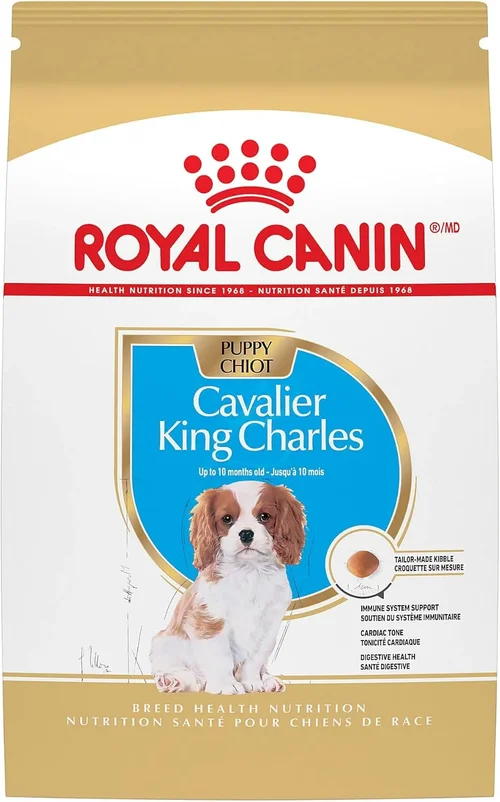
When it comes to raising a happy, healthy Cockapoo in the UK, few decisions are as important as choosing the right dog food. These adorable crossbreeds—typically a mix of Cocker Spaniel and Poodle—combine intelligence, energy, and affection in a compact, low-shedding package. But with their unique genetic makeup comes specific nutritional needs that not all commercial dog foods are designed to meet. Whether you’re welcoming your first Cockapoo puppy or upgrading your senior dog’s diet, selecting the best dog food can significantly impact their coat quality, digestion, energy levels, and long-term health.
This comprehensive buying guide is designed to cut through the noise of marketing claims and overwhelming product choices. We’ll walk you through everything you need to know—from understanding ingredient labels and life stage requirements to comparing premium brands available in the UK market. By the end of this article, you’ll have the knowledge and confidence to choose a dog food that supports your Cockapoo’s breed-specific needs, fits your budget, and aligns with your values around pet nutrition. Whether you’re shopping online at trusted retailers like Pets at Home, Zooplus, or Amazon UK, or visiting local pet stores, this guide will help you make an informed decision.
The UK dog food market is more diverse—and competitive—than ever. From grain-free formulas and hypoallergenic options to raw diets and vet-recommended kibble, the choices can feel endless. But not all dog foods are created equal, especially when it comes to small to medium-sized breeds like Cockapoos, who often have sensitive stomachs, dental issues, and a tendency toward obesity if not properly nourished. This guide will help you navigate the landscape with clarity, offering expert insights, practical tips, and honest recommendations based on real-world feeding experiences, veterinary advice, and nutritional science.

What to Look for When Buying Dog Food for Your Cockapoo
1. High-Quality Protein Sources
Protein is the cornerstone of any healthy dog diet, and for Cockapoos—active, muscular dogs with moderate to high energy needs—it’s especially critical. Look for dog foods where real meat (like chicken, lamb, salmon, or duck) is listed as the first ingredient. Avoid vague terms like “meat meal” or “animal by-products,” which can include low-quality or inconsistent sources. Instead, opt for named meals such as “chicken meal” or “salmon meal,” which are concentrated forms of protein that have had moisture removed, making them more nutrient-dense.
Cockapoos benefit from a diet with at least 22–26% protein for adults and 28–32% for puppies. This supports muscle maintenance, healthy skin, and a glossy coat—something Cockapoos are known for. Additionally, high-quality animal proteins provide essential amino acids like taurine and L-carnitine, which support heart health and metabolism. If your Cockapoo has food sensitivities, consider novel protein sources like venison, rabbit, or hydrolyzed protein formulas, which are less likely to trigger allergic reactions.
2. Appropriate Fat Content for Energy and Coat Health
Fats are a concentrated source of energy and play a vital role in maintaining your Cockapoo’s luxurious, wavy coat. Look for dog foods with a fat content between 12% and 16% for adult dogs. The best sources include animal fats like chicken fat or salmon oil, as well as plant-based oils such as flaxseed or canola oil, which provide omega-3 and omega-6 fatty acids.
These essential fatty acids reduce inflammation, support brain function, and promote a soft, shiny coat—something every Cockapoo owner wants. Omega-3s, in particular, are anti-inflammatory and can help manage skin conditions like atopic dermatitis, which some Cockapoos are prone to due to their Poodle heritage. Avoid foods with excessive fat, especially from unnamed sources like “animal fat,” which may come from low-quality or rancid materials.
3. Digestibility and Sensitive Stomach Support
Cockapoos are known for having sensitive digestive systems. Many owners report issues like gas, loose stools, or food intolerances, especially when switching diets too quickly or feeding low-quality kibble. To avoid this, choose dog foods with highly digestible ingredients such as chicken, turkey, rice, sweet potato, and pumpkin.
Look for formulas that include prebiotics (like chicory root or FOS/MOS) and probiotics, which support gut health and improve nutrient absorption. These ingredients help maintain a balanced microbiome, reducing the risk of diarrhea and bloating. Additionally, avoid artificial preservatives like BHA, BHT, and ethoxyquin, which can irritate the digestive tract and have been linked to long-term health concerns.
4. Life Stage and Size-Specific Formulas
Not all dog foods are suitable for every life stage. Cockapoos typically weigh between 5–15 kg and stand 25–38 cm tall, placing them firmly in the small to medium breed category. As such, they benefit from kibble designed for smaller jaws and higher metabolic rates.
Puppies need higher levels of protein, fat, and calories to support rapid growth, while adult dogs require balanced nutrition to maintain weight and energy. Senior Cockapoos (7+ years) may benefit from lower-calorie diets with added joint support like glucosamine and chondroitin. Always choose a formula labeled for your dog’s specific life stage: “puppy,” “adult,” or “senior.”
Additionally, small-breed kibble is often smaller in size and higher in calorie density, which helps prevent overeating and supports dental health by encouraging chewing. Avoid large kibble pieces that your Cockapoo might swallow whole, increasing the risk of choking or digestive blockages.
5. Grain Inclusion vs. Grain-Free: What’s Right for Your Cockapoo?
The grain-free debate has been a hot topic in pet nutrition for years. While some owners swear by grain-free diets, the truth is more nuanced. For most Cockapoos, grains like rice, oats, and barley are not only safe but beneficial—they provide fiber, B vitamins, and slow-releasing energy.
Grain-free diets often replace grains with legumes like peas, lentils, or potatoes, which can be harder to digest and have been linked to a potential risk of dilated cardiomyopathy (DCM) in some dogs, especially when fed long-term. Unless your Cockapoo has a diagnosed grain allergy (which is rare), there’s no need to avoid grains. In fact, whole grains can support digestive health and help maintain stable blood sugar levels.
That said, if your dog shows signs of food sensitivity—itching, ear infections, or gastrointestinal upset—a grain-free or limited-ingredient diet may be worth trying under veterinary supervision.
6. Artificial Additives and Preservatives
The UK has stricter regulations on pet food labeling than many other countries, but that doesn’t mean all brands are free from questionable additives. Avoid dog foods containing artificial colors (like Red 40 or Blue 2), flavors, or sweeteners such as propylene glycol or corn syrup. These offer no nutritional value and may contribute to hyperactivity or allergic reactions.
Instead, look for natural preservatives like mixed tocopherols (vitamin E), rosemary extract, or citric acid. These are safer and more stable over time. Also, be cautious of “flavor enhancers” like yeast extract or hydrolyzed protein, which can mask low-quality ingredients.
7. Brand Reputation and Transparency
Not all dog food brands are equally committed to quality and transparency. When choosing a brand, consider its history, manufacturing practices, and willingness to disclose ingredient sourcing. Reputable UK brands like Lily’s Kitchen, James Wellbeloved, and Arden Grange are known for their high standards, ethical sourcing, and detailed nutritional information.
Look for brands that:
– Manufacture their own food (not contract manufacturers)
– Conduct feeding trials
– Publish ingredient traceability reports
– Are members of the Pet Food Manufacturers’ Association (PFMA)
Avoid brands with a history of recalls or vague ingredient lists. Transparency is a strong indicator of quality and accountability.
8. Price vs. Value: Understanding What You’re Paying For
Dog food pricing in the UK can range from £10 to over £60 for a 10kg bag. While it’s tempting to go for the cheapest option, remember that you often get what you pay for. Low-cost brands may use fillers like corn, soy, or wheat gluten to bulk up the food, which offer little nutritional value and can lead to weight gain or allergies.
Instead of focusing solely on price per kilogram, consider cost per feeding. Premium foods are often more nutrient-dense, meaning you feed less per meal. Over time, this can balance out the higher upfront cost. Additionally, investing in high-quality food may reduce vet bills related to diet-related illnesses like obesity, skin conditions, or digestive disorders.
Different Types of Dog Food for Cockapoos
Common Buying Mistakes to Avoid
❌ Mistake: Choosing Based Solely on Price
Why it’s bad: Cheap dog food often contains fillers, by-products, and low-quality proteins that can lead to obesity, allergies, and poor coat condition. Over time, the cost of treating diet-related health issues can far exceed the savings on food.
What to do instead: Focus on value, not just price. Calculate cost per meal and prioritize nutrient density. A slightly more expensive food may require smaller portions and lead to better long-term health.
❌ Mistake: Ignoring Life Stage Requirements
Why it’s bad: Feeding a puppy formula to an adult Cockapoo can lead to excessive weight gain and nutrient imbalances. Conversely, adult food may not provide enough energy for a growing puppy.
What to do instead: Always select a food labeled for your dog’s life stage. Transition gradually when switching (e.g., from puppy to adult) over 7–10 days to avoid digestive upset.
❌ Mistake: Overlooking Ingredient Order
Why it’s bad: Ingredients are listed by weight. If corn or wheat appears before meat, the food is likely filler-heavy and low in protein.
What to do instead: Scan the first five ingredients. Real meat should be first, followed by recognizable carbohydrates and vegetables. Avoid vague terms like “meat derivatives.”
❌ Mistake: Feeding Too Much or Too Little
Why it’s bad: Overfeeding leads to obesity, a common issue in Cockapoos due to their love of food and tendency toward sedentary lifestyles. Underfeeding can cause malnutrition and low energy.
What to do instead: Follow the feeding guidelines on the package, but adjust based on your dog’s activity level, age, and body condition. Use a measuring cup—never guess.
❌ Mistake: Switching Foods Too Quickly
Why it’s bad: Sudden changes can cause diarrhea, vomiting, or refusal to eat. Cockapoos with sensitive stomachs are especially vulnerable.
What to do instead: Transition over 7–10 days: start with 25% new food and 75% old, gradually increasing the ratio. Monitor stool consistency and appetite.
❌ Mistake: Believing All “Natural” or “Organic” Claims
Why it’s bad: Terms like “natural” and “organic” are not strictly regulated in UK pet food. Some brands use them for marketing, even if the food contains low-quality ingredients.
What to do instead: Look for certifications like Soil Association (organic) or PFMA membership. Read the full ingredient list and guaranteed analysis.
❌ Mistake: Ignoring Your Dog’s Individual Needs
Why it’s bad: Every Cockapoo is different. What works for one may not suit another, especially if they have allergies, activity limitations, or health conditions.
What to do instead: Observe your dog’s response to food—coat shine, energy, stool quality, and weight. Consult your vet if you notice changes in behavior or health.
Budget Guidelines: How Much Should You Spend?
Entry-Level (£10–£20 per 10kg): These foods are widely available at supermarkets and discount pet stores. While convenient, they often contain lower-quality proteins, fillers like corn and soy, and artificial additives. Best for short-term use or budget constraints, but not ideal for long-term health.
Mid-Range (£20–£35 per 10kg): This is the sweet spot for most Cockapoo owners. Brands like James Wellbeloved, Arden Grange, and Wagg offer balanced nutrition with named meat sources, digestible grains, and no artificial preservatives. These foods support overall health and are widely available in the UK.
Premium (£35–£50 per 10kg): Premium brands like Lily’s Kitchen, Burns, and Canagan use high-quality, often human-grade ingredients. They include novel proteins, superfoods (like blueberries and spinach), and functional additives like glucosamine and probiotics. Ideal for dogs with sensitivities or owners who prioritize natural nutrition.
Luxury (£50+ per 10kg): These include freeze-dried raw, air-dried, and custom-formulated diets. Brands like Paleo Ridge, Nutriment, and Bella & Duke offer biologically appropriate nutrition with minimal processing. Best for owners committed to a raw or ancestral diet, though they require more time, storage, and handling.

Expert Tips for Getting the Best Deal
– Buy during seasonal sales: Look for discounts in January (post-Christmas), July (summer clearance), and November (Black Friday). Many UK pet stores run promotions during these periods.
– Subscribe and save: Retailers like Zooplus, Pets at Home, and Amazon UK offer 10–15% off for recurring deliveries. This also ensures you never run out.
– Compare prices online: Use price comparison sites like PetFood.expert or Google Shopping to find the best deals across multiple retailers.
– Check for loyalty schemes: Pets at Home’s VIP Club and Pet Supermarket’s rewards program offer points, discounts, and free delivery.
– Read return policies: Some brands offer money-back guarantees if your dog doesn’t like the food. This is especially useful when trying a new formula.
– Ask your vet for samples: Many premium brands provide free samples through veterinary clinics. This lets you test the food before committing.
– Monitor your dog’s response: Keep a feeding journal noting energy, coat condition, stool quality, and appetite. This helps you assess whether the food is working.
– Don’t overbuy: While bulk is cost-effective, dog food loses freshness over time. Store in an airtight container and use within 6 weeks of opening.

Frequently Asked Questions
Q: How often should I feed my Cockapoo?
A: Adult Cockapoos should be fed twice daily—once in the morning and once in the evening. Puppies under 6 months may need three to four small meals. This helps maintain stable energy and prevents bloating.
Q: Can I mix wet and dry food?
A: Yes! Many owners combine wet food (for palatability and hydration) with dry kibble (for dental health and convenience). Just adjust portions to avoid overfeeding. A common ratio is 75% dry and 25% wet.
Q: Is grain-free food better for Cockapoos?
A: Not necessarily. Unless your dog has a diagnosed grain allergy, whole grains like rice and oats are safe and beneficial. Grain-free diets may increase the risk of DCM and are often more expensive.
Q: How do I know if my Cockapoo is overweight?
A: You should be able to feel (but not see) your dog’s ribs. There should be a visible waist when viewed from above. If you can’t feel the ribs or the waist is absent, consult your vet for a weight management plan.
Q: Can I make homemade dog food for my Cockapoo?
A: Yes, but it requires careful planning to ensure nutritional balance. Consult a veterinary nutritionist to create a recipe that meets AAFCO standards. Homemade diets often lack essential nutrients if not properly formulated.
Q: What should I do if my Cockapoo has food allergies?
A: Common signs include itching, ear infections, and digestive issues. Work with your vet to identify triggers through an elimination diet. Limited-ingredient or hydrolyzed protein foods can help.
Q: How long does it take to see results from a new dog food?
A: Most dogs show improvements in coat, energy, and digestion within 2–4 weeks. Full benefits may take up to 8 weeks, especially for skin or allergy issues.
Q: Are raw diets safe for Cockapoos?
A: Raw diets can be safe if handled properly, but they carry risks of bacterial contamination (like Salmonella) and nutritional imbalances. If you choose raw, follow strict hygiene and consult your vet.
Q: Should I feed my senior Cockapoo differently?
A: Yes. Senior dogs need fewer calories but more fiber, joint support, and antioxidants. Look for foods with glucosamine, chondroitin, and L-carnitine to support aging bodies.
Q: Where can I buy the best dog food in the UK?
A: Top retailers include Pets at Home, Zooplus, Amazon UK, VetUK, and direct-from-brand websites like Lily’s Kitchen and Arden Grange. Always check for stock availability and delivery options.
Our Final Recommendations
Best for Budget-Conscious Buyers: James Wellbeloved Adult Small Breed – A trusted UK brand offering balanced nutrition with turkey, rice, and no artificial additives. Priced around £25 for 10kg, it’s excellent value for money.
Best Overall Value: Arden Grange Adult Small Breed – High in chicken protein, includes prebiotics and joint support, and is free from wheat and soya. Widely available and vet-recommended.
Best Premium Option: Lily’s Kitchen Chicken & Turkey Recipe – Made with 70% fresh meat, organic vegetables, and no processed ingredients. Ideal for owners who want restaurant-quality food for their pet.
Best for Sensitive Stomachs: Burns Sensitive Digestion – A hypoallergenic formula with duck and rice, designed for dogs with digestive issues. Gentle, effective, and vet-approved.
Best for Puppies: Canagan Small Breed Puppy – Grain-free, high-protein, and packed with DHA for brain development. Perfect for growing Cockapoo puppies.
Best Raw Alternative: Nutriment Adult Dog Food – A complete raw diet with 80% meat, bone, and offal. Available frozen or freeze-dried, it’s a top choice for raw feeders.
Conclusion: Making the Right Choice
Choosing the best dog food for your Cockapoo is one of the most impactful decisions you’ll make as a pet owner. It affects everything from their energy levels and coat shine to their long-term health and happiness. By focusing on high-quality ingredients, life stage appropriateness, and your dog’s individual needs, you can find a food that supports their unique physiology and lifestyle.
Remember, there’s no one-size-fits-all solution. What works for one Cockapoo may not suit another. Stay observant, be willing to adjust, and don’t hesitate to consult your veterinarian if you’re unsure. With the knowledge from this guide, you’re now equipped to navigate the UK dog food market with confidence—whether you’re shopping online, in-store, or considering a raw or homemade approach.
Your Cockapoo deserves the best. Invest in their nutrition today, and you’ll enjoy years of tail wags, cuddles, and vibrant health together. Start by reviewing your current food’s label, comparing it to our recommendations, and making a change if needed. Your dog will thank you—one delicious bite at a time.