

When it comes to feeding your Dalmatian, not all dog foods are created equal. These elegant, athletic dogs come with a unique set of nutritional needs that many pet owners overlook—often with serious consequences. Dalmatians are genetically predisposed to a condition called hyperuricemia, which affects how their bodies process purines—compounds found in certain proteins. This can lead to the formation of urate stones in the urinary tract, a painful and potentially life-threatening issue if not managed properly. As a result, choosing the right dog food isn’t just about taste or convenience; it’s a critical component of your Dalmatian’s long-term health.
This comprehensive buying guide is designed to help you navigate the crowded and often confusing world of commercial dog food with confidence. Whether you’re a first-time Dalmatian owner or a seasoned enthusiast looking to upgrade your pup’s diet, we’ll walk you through everything you need to know. You’ll learn how to decode ingredient labels, understand nutritional requirements specific to Dalmatians, compare different food types, and avoid common pitfalls that could compromise your dog’s well-being. We’ve researched dozens of brands, consulted veterinary nutritionists, and analyzed real-world user feedback to bring you actionable, evidence-based recommendations.
The market for dog food has exploded in recent years, with hundreds of brands touting “premium,” “natural,” or “grain-free” formulas. While innovation is welcome, it has also led to misinformation and marketing hype that can mislead even the most well-intentioned pet parents. For Dalmatians, whose dietary needs differ significantly from other breeds, this noise can be especially dangerous. Our goal is to cut through the clutter and provide you with a clear, practical roadmap to selecting the best possible food for your spotted companion—one that supports urinary health, maintains energy levels, promotes a shiny coat, and keeps your Dalmatian thriving at every life stage.

What to Look for When Buying Dog Food for Dalmatians
1. Low Purine Protein Sources
Dalmatians lack a key enzyme (urate oxidase) needed to efficiently break down purines, which are naturally present in animal tissues. High-purine proteins like organ meats (liver, kidney), game meats (venison, rabbit), and certain fish (anchovies, sardines) can increase uric acid levels and raise the risk of stone formation. Instead, opt for low-purine protein sources such as eggs, dairy (in moderation), chicken, turkey, lamb, and beef—though beef should still be fed sparingly due to moderate purine content. Always check the ingredient list: the first ingredient should be a named, high-quality protein source, but avoid those known to be high in purines.
2. Controlled Protein Levels
While protein is essential for muscle maintenance and energy, Dalmatians don’t require excessively high protein levels—especially if those proteins are high in purines. Most adult Dalmatians thrive on diets containing 18–25% crude protein on a dry matter basis. Puppies and highly active dogs may need slightly more, but always ensure the protein comes from low-purine sources. Excess protein can strain the kidneys and contribute to urinary imbalances, so balance is key. Look for foods that list whole meats (not meat meals or by-products) as the primary ingredient and avoid formulas marketed as “high-protein” unless specifically formulated for urinary health.
3. Optimal Mineral Balance (Especially Magnesium & Phosphorus)
Mineral content plays a crucial role in urinary stone formation. High levels of magnesium and phosphorus can promote the development of struvite and calcium oxalate stones, which—while less common than urate stones in Dalmatians—can still occur. Aim for dog foods with moderate mineral levels and avoid those listing excess bone meal or mineral supplements. Additionally, some brands add citrate, which helps alkalize urine and reduce stone risk. Always check the guaranteed analysis on the packaging for mineral percentages and consult your vet if you’re unsure.
4. Moisture Content & Hydration Support
Wet or canned food contains significantly more moisture than dry kibble—typically 70–80% water versus 10% in kibble. Increased hydration dilutes urine, reducing the concentration of minerals and acids that contribute to stone formation. For Dalmatians prone to urinary issues, incorporating wet food into their diet (or even feeding exclusively wet food) can be a game-changer. If you prefer dry food, always ensure your dog has constant access to fresh water and consider adding water or low-sodium broth to their meals to boost intake.
5. Grain Inclusion vs. Grain-Free Considerations
Contrary to popular belief, grains are not inherently harmful to dogs—and for Dalmatians, they can actually be beneficial. Whole grains like brown rice, oats, and barley provide digestible carbohydrates, fiber, and essential B vitamins. They also tend to be lower in purines compared to some legumes and potatoes used in grain-free diets. Recent FDA investigations have linked certain grain-free diets high in peas, lentils, and potatoes to dilated cardiomyopathy (DCM) in dogs. Unless your Dalmatian has a diagnosed grain allergy, there’s no compelling reason to avoid grains—and they may even support better urinary health.
6. Life Stage Appropriateness
Dalmatian puppies, adults, and seniors have vastly different nutritional needs. Puppies require higher calories, calcium, and DHA for brain development, while seniors benefit from lower-calorie, joint-supportive formulas with added glucosamine and chondroitin. Always choose a food labeled for your dog’s specific life stage: “puppy,” “adult,” or “senior.” Avoid “all life stages” formulas unless recommended by your vet, as they may not provide the precise nutrient balance your Dalmatian needs at a given age.
7. Brand Transparency & AAFCO Compliance
Not all dog food brands are transparent about their sourcing, manufacturing, or testing practices. Look for companies that clearly state they meet AAFCO (Association of American Feed Control Officials) nutritional standards and provide feeding trials or nutrient profiles. Reputable brands will list a phone number or email for customer inquiries, publish ingredient sourcing information, and avoid vague terms like “meat by-products” or “animal digest.” Transparency is a strong indicator of quality and accountability.
8. Veterinarian Recommendations & Specialized Formulas
If your Dalmatian has a history of urinary stones or other health issues, your veterinarian may recommend a therapeutic or prescription diet. Brands like Hill’s Prescription Diet, Royal Canin Veterinary Diet, and Purina Pro Plan Veterinary Diets offer science-backed formulas designed specifically for urinary health in Dalmatians. These diets are often low in purines, controlled in minerals, and formulated to maintain a healthy urine pH. While more expensive, they can be lifesaving for at-risk dogs.
Different Types of Dog Food for Dalmatians

Common Buying Mistakes to Avoid
❌ Mistake: Choosing High-Purine Proteins
Why it’s bad: Feeding your Dalmatian foods rich in organ meats, game, or certain fish can dramatically increase uric acid levels, leading to painful urinary stones and potential blockages—especially in males. This is one of the most dangerous mistakes a Dalmatian owner can make.
What to do instead: Stick to low-purine proteins like chicken, turkey, eggs, and limited amounts of beef or lamb. Always read ingredient lists carefully and avoid anything listing liver, kidney, or anchovies as primary ingredients.
❌ Mistake: Ignoring Moisture Content
Why it’s bad: Dry kibble alone can lead to chronic low-level dehydration, concentrating urine and increasing stone formation risk. Many owners don’t realize their Dalmatian isn’t drinking enough water to compensate.
What to do instead: Mix wet food into dry kibble, add water or broth to meals, or consider switching to a primarily wet diet. Monitor water intake daily and encourage drinking with multiple bowls or a pet fountain.
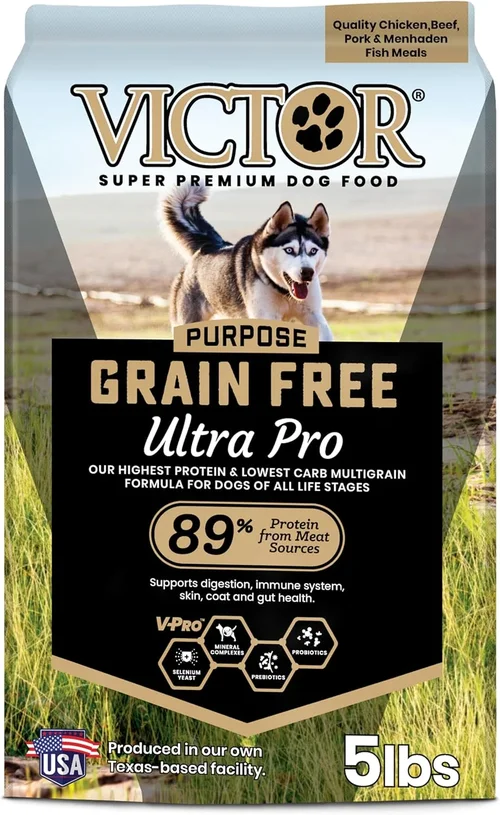
❌ Mistake: Falling for “Grain-Free” Marketing
Why it’s bad: Grain-free diets often replace grains with high-purine legumes like peas and lentils, which can be problematic for Dalmatians. They may also lack the fiber and nutrients found in whole grains.
What to do instead: Choose diets with digestible grains like brown rice or oats unless your dog has a confirmed grain allergy. Focus on overall ingredient quality rather than trendy labels.
❌ Mistake: Overfeeding or Free-Feeding
Why it’s bad: Obesity puts extra strain on the urinary and musculoskeletal systems. Free-feeding can also make it harder to monitor intake and detect changes in appetite—early signs of health issues.
What to do instead: Follow portion guidelines based on weight and activity level, feed measured meals twice daily, and adjust as needed. Use a kitchen scale for accuracy.
❌ Mistake: Not Transitioning Gradually
Why it’s bad: Sudden diet changes can cause digestive upset, diarrhea, or refusal to eat—especially in sensitive Dalmatians.
What to do instead: Transition over 7–10 days by mixing increasing amounts of new food with the old. Start with 25% new food and gradually increase to 100%.
❌ Mistake: Skipping Regular Vet Checkups
Why it’s bad: Urinary issues can develop silently. Without routine urinalysis and blood work, stones may go undetected until they cause a blockage—a medical emergency.
What to do instead: Schedule annual vet visits with urinary health screenings. Keep a log of your dog’s water intake, urination frequency, and any changes in behavior.
❌ Mistake: Buying Based on Price Alone
Why it’s bad: Cheap dog foods often use low-quality, high-purine ingredients and fillers that compromise long-term health. The cost of treating urinary stones far exceeds the savings on food.
What to do instead: Invest in a mid-to-high-tier brand that prioritizes low-purine proteins and urinary support. Think of food as preventive healthcare.
Budget Guidelines: How Much Should You Spend?
Entry-Level ($1.50–$2.50/lb):
At this price point, you’ll find basic kibble from mainstream brands like Purina One, Iams, or Pedigree. While convenient and widely available, these foods often contain by-products, corn, and higher-purine proteins. They may not be ideal for Dalmatians unless carefully vetted. Look for formulas specifically labeled for urinary health or sensitive systems.
Mid-Range ($2.50–$4.00/lb):
This is the sweet spot for most Dalmatian owners. Brands like Royal Canin, Hill’s Science Diet, and Wellness offer science-backed formulas with low-purine proteins, controlled minerals, and added urinary support. These diets strike a balance between affordability and quality, making them ideal for daily feeding.
Premium ($4.00–$6.00/lb):
Premium brands such as Orijen, Acana, and The Honest Kitchen use high-quality, human-grade ingredients and often include fresh meats, fruits, and vegetables. While many are excellent, Dalmatian owners must still check for low-purine content. Some premium lines now offer breed-specific or urinary health formulas worth considering.
Luxury ($6.00+/lb):
At this tier, you’ll find fresh, refrigerated, or custom-formulated diets from companies like Nom Nom, JustFoodForDogs, or Farmer’s Dog. These are minimally processed, highly digestible, and often tailored to individual needs. While expensive, they can be ideal for Dalmatians with chronic health issues or picky appetites—especially when supervised by a vet.

Expert Tips for Getting the Best Deal
- Buy in bulk during sales: Many online retailers (Chewy, Petco, Amazon) offer discounts on multi-bag purchases or subscription orders. Stock up during Black Friday or end-of-season sales.
- Subscribe and save: Auto-shipping programs often include 5–15% off and free delivery. Just set reminders to pause or cancel if your dog’s needs change.
- Compare unit prices: Don’t just look at total cost—check price per pound or per can. A larger bag isn’t always cheaper per unit.
- Use vet clinic promotions: Some veterinary hospitals offer discounts on prescription diets or wellness packages that include food.
- Check return policies: If your Dalmatian refuses the food or has a reaction, you’ll want a hassle-free return option. Most reputable brands offer satisfaction guarantees.
- Rotate proteins wisely: To prevent sensitivities, rotate between low-purine proteins (chicken, turkey, eggs) every few months—but avoid high-purine swaps.
- Monitor your dog’s response: Keep a food journal noting energy levels, coat condition, stool quality, and urination patterns. This helps identify what works best.
- Consult a veterinary nutritionist: For complex cases, a board-certified vet nutritionist can create a custom diet plan—often covered by pet insurance.

Frequently Asked Questions
Q: Can Dalmatians eat chicken?
A: Yes, chicken is an excellent low-purine protein source for Dalmatians and is safe as a primary ingredient in their diet. Just ensure it’s not paired with high-purine additives like liver or giblets.
Q: Is grain-free food bad for Dalmatians?
A: Not inherently, but many grain-free diets use high-purine legumes like peas and lentils, which can be problematic. Unless your dog has a grain allergy, whole grains are generally safer and more balanced.
Q: How often should I feed my Dalmatian?
A: Adult Dalmatians do best with two measured meals per day. Puppies under six months may need three to four smaller meals to support growth and prevent hypoglycemia.
Q: Can I feed my Dalmatian a raw diet?
A: Raw diets can work if carefully formulated with low-purine proteins and balanced nutrients. However, they require strict hygiene, supplementation, and veterinary oversight to avoid deficiencies or bacterial contamination.
Q: What are the signs of urinary stones in Dalmatians?
A: Watch for frequent urination, straining, blood in urine, accidents indoors, or licking the genital area. Male Dalmatians are at higher risk of blockages, which are life-threatening emergencies.
Q: Should I add supplements to my Dalmatian’s food?
A: Only under veterinary guidance. Excess supplements—especially vitamins C and D—can disrupt mineral balance. Omega-3s for coat health are generally safe and beneficial.
Q: Can Dalmatians eat dairy?
A: In small amounts, yes. Cottage cheese and plain yogurt are low-purine and can be used as occasional treats. Avoid high-lactose products like milk.
Q: How long does it take to see improvements after switching food?
A: Digestive changes may appear within days, but coat, energy, and urinary health improvements can take 4–8 weeks. Be patient and consistent.
Q: Is it okay to mix wet and dry food?
A: Absolutely! Combining wet and dry food boosts hydration, enhances palatability, and can help manage urinary health—just adjust portions to avoid overfeeding.
Q: What if my Dalmatian refuses to eat the new food?
A: Try warming it slightly, adding low-sodium broth, or mixing in a small amount of their old food. If refusal persists beyond a few days, consult your vet to rule out underlying issues.
Our Final Recommendations
Best for Budget-Conscious Buyers: Royal Canin Dalmatian Adult Dry Dog Food
Specifically formulated for the breed, this kibble features low-purine proteins, controlled minerals, and added urinary support—all at a reasonable price point. Ideal for owners seeking science-backed nutrition without breaking the bank.
Best Overall Value: Hill’s Science Diet Adult Perfect Weight
While not breed-specific, this formula uses chicken as the primary protein, includes whole grains, and supports healthy weight and urinary function. Highly rated by vets and owners alike.
Best Premium Option: Nom Nom Fresh Dog Food (Chicken Recipe)
Fresh, human-grade ingredients delivered to your door. The chicken recipe is low in purines, highly digestible, and customizable based on your dog’s profile. Perfect for owners willing to invest in top-tier nutrition.
Best for Beginners: Purina Pro Plan Sensitive Skin & Stomach (Salmon & Rice)
Though salmon is moderately high in purines, this formula is gentle on digestion and includes probiotics. Best for healthy Dalmatians without urinary history—avoid if your dog is prone to stones.
Best for Advanced Users (with urinary issues): Hill’s Prescription Diet u/d Canine
A therapeutic diet designed to dissolve urate stones and prevent recurrence. Requires a vet’s prescription but is clinically proven and life-saving for at-risk Dalmatians.
Conclusion: Making the Right Choice
Choosing the best dog food for your Dalmatian isn’t just about picking a bag off the shelf—it’s about understanding your dog’s unique biology and committing to their long-term health. From avoiding high-purine proteins to prioritizing hydration and mineral balance, every decision you make impacts their quality of life. While the market offers countless options, the right choice will align with your Dalmatian’s age, activity level, and health status—and be backed by transparency, science, and veterinary support.
Remember, no single food is perfect for every dog. What works for one Dalmatian may not suit another. Stay observant, keep communication open with your vet, and don’t hesitate to adjust your approach as your dog ages or their needs change. By investing time in research and choosing wisely, you’re not just feeding your dog—you’re giving them the foundation for a vibrant, pain-free life. Your spotted companion deserves nothing less.