
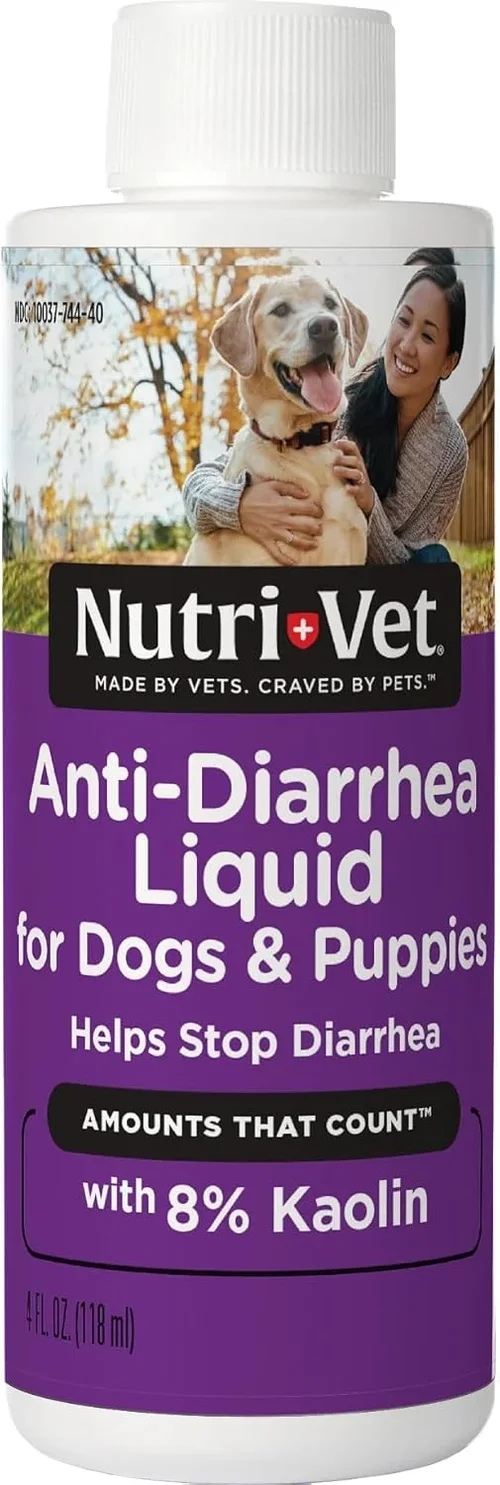
If your dog is suffering from diarrhea, you’re not alone—and you’re not powerless. Digestive upset is one of the most common health concerns pet owners face, affecting dogs of all breeds, sizes, and ages. Whether it’s a sudden bout after scavenging from the trash or a recurring issue tied to food sensitivities, diarrhea can be distressing for both you and your furry companion. While occasional loose stools may resolve on their own, persistent or severe diarrhea can lead to dehydration, nutrient loss, and more serious underlying conditions if left unaddressed.
That’s where the right dog food comes in. Choosing a high-quality, easily digestible diet tailored to sensitive stomachs can make a world of difference in managing and resolving diarrhea. The market is flooded with options—from prescription veterinary diets to over-the-counter “sensitive stomach” formulas—but not all are created equal. Some promise relief but fall short on nutrition, while others are overly restrictive or loaded with fillers that do more harm than good. This guide cuts through the noise to help you make an informed, confident decision based on science, expert insight, and real-world results.
In this comprehensive buying guide, you’ll learn exactly what to look for in a dog food designed to soothe digestive upset, how to compare different types of formulas, and which brands consistently deliver results. We’ll walk you through key factors like ingredient quality, digestibility, fiber content, and probiotics, and help you avoid common pitfalls that could prolong your dog’s discomfort. Whether you’re dealing with acute diarrhea or chronic digestive issues, this guide will equip you with the knowledge to choose the best possible diet for your dog’s recovery and long-term gut health.

What to Look for When Buying Dog Food for Diarrhea
1. Highly Digestible Protein Sources
When your dog has diarrhea, their digestive system is inflamed and struggling to break down and absorb nutrients. That’s why the protein source in their food matters more than ever. Look for single-source, highly digestible proteins like chicken, turkey, duck, or lamb—preferably listed as the first ingredient. These proteins are easier on the gut and less likely to trigger allergic reactions or further irritation.
Avoid foods with vague labels like “meat meal” or “animal by-products,” as these can be inconsistent in quality and harder to digest. Novel proteins like venison or rabbit may be beneficial if your dog has a known food allergy, but they’re not always necessary for simple cases of diarrhea. The key is consistency and purity—your dog needs a protein they can process without added stress.
Also, be cautious with plant-based proteins like soy or corn gluten meal. While they provide protein, they’re often less bioavailable and can worsen digestive issues in sensitive dogs. Stick to animal-based proteins that are gentle yet nourishing.
2. Limited Ingredient Formulas
Simplicity is your ally when managing diarrhea. Limited ingredient diets (LIDs) contain fewer components, reducing the chance of triggering a reaction. These formulas typically feature one protein source and one carbohydrate source, making it easier to identify and eliminate potential irritants.
For example, a food with chicken and rice is easier to digest than one with chicken, beef, peas, potatoes, and flaxseed. The fewer ingredients, the less work your dog’s gut has to do. This is especially important during recovery, when the digestive tract needs time to heal.
That said, “limited” doesn’t mean “low quality.” A good LID should still provide complete and balanced nutrition. Look for AAFCO (Association of American Feed Control Officials) certification to ensure the food meets your dog’s nutritional needs. Avoid brands that sacrifice essential nutrients just to keep the ingredient list short.
3. Optimal Fiber Content and Type
Fiber plays a dual role in digestive health: it can either help firm up stools or worsen diarrhea, depending on the type and amount. Soluble fiber, like that found in pumpkin, beet pulp, or psyllium husk, absorbs water and forms a gel-like substance in the gut, which can help slow digestion and firm loose stools.
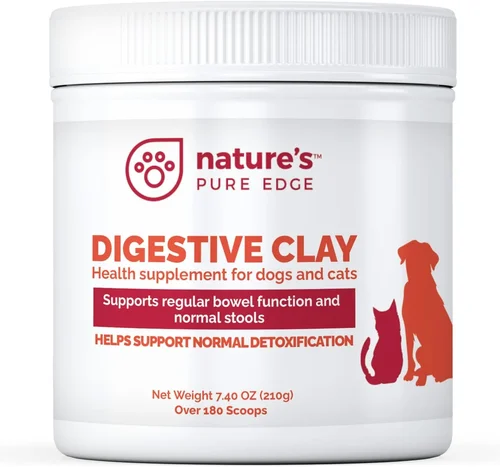
Insoluble fiber, such as cellulose or corn bran, adds bulk but can speed up transit time—potentially worsening diarrhea. Aim for foods with moderate levels of soluble fiber and minimal insoluble fiber. Some veterinarians even recommend adding plain canned pumpkin (not pie filling) to your dog’s meals during recovery.
The ideal fiber content for a dog with diarrhea is typically between 3% and 5% crude fiber. Too little won’t help regulate bowel movements; too much can irritate the gut. Check the guaranteed analysis on the packaging to verify fiber levels.
4. Probiotics and Gut-Supporting Additives
A healthy gut microbiome is essential for digestion and immune function. Diarrhea often disrupts the balance of good and bad bacteria in the intestines, leading to prolonged symptoms. That’s where probiotics come in—live beneficial bacteria that help restore gut flora.
Look for dog foods that include probiotics such as Lactobacillus acidophilus, Bifidobacterium animalis, or Enterococcus faecium. These strains have been shown to improve stool quality and reduce the duration of diarrhea in dogs. Some premium brands even use stabilized, microencapsulated probiotics to ensure they survive the manufacturing process and reach the gut alive.
Prebiotics like FOS (fructooligosaccharides) and MOS (mannanoligosaccharides) are also valuable. They act as food for probiotics, helping them thrive. Together, probiotics and prebiotics form a powerful duo for gut healing.
5. Easily Digestible Carbohydrates
Carbohydrates provide energy, but not all carbs are created equal when your dog has diarrhea. Simple, easily digestible carbs like white rice, oatmeal, or potatoes are gentle on the stomach and help bind stools. These starches are broken down slowly, providing steady energy without overwhelming the digestive system.
Avoid complex carbohydrates like corn, wheat, or barley, which can be harder to digest and may ferment in the gut, leading to gas and bloating. Similarly, avoid foods with high sugar content or artificial sweeteners like xylitol, which is toxic to dogs.
Cooked, plain white rice is a classic home remedy for canine diarrhea—and for good reason. It’s bland, low in fat, and highly digestible. Many commercial dog foods for sensitive stomachs include rice as a primary carbohydrate source for this exact reason.
6. Low Fat Content
Fat is an important energy source, but high-fat diets can be difficult for a compromised digestive system to process. Fat slows gastric emptying and can exacerbate diarrhea, especially in dogs with pancreatitis or other gastrointestinal conditions.
Look for dog foods with a fat content between 10% and 15% on a dry matter basis. This provides enough energy without overloading the pancreas or intestines. Avoid foods with added oils or fatty meats like duck fat or salmon oil unless specifically recommended by your vet.
If your dog has a history of pancreatitis, your veterinarian may recommend an even lower-fat diet. In such cases, prescription diets like Hill’s Prescription Diet i/d Low Fat or Royal Canin Gastrointestinal Low Fat may be necessary.
7. No Artificial Additives or Fillers
Artificial colors, flavors, preservatives, and fillers offer no nutritional value and can irritate a sensitive digestive system. Ingredients like BHA, BHT, ethoxyquin, and artificial dyes have been linked to allergic reactions and gastrointestinal upset in some dogs.
Instead, opt for foods preserved with natural alternatives like mixed tocopherols (a form of vitamin E) or rosemary extract. These are safer and less likely to cause adverse reactions.
Fillers like corn, soy, and wheat are also best avoided. They’re often used to bulk up food cheaply but can trigger food sensitivities and worsen diarrhea. Read ingredient lists carefully and choose brands that prioritize whole, recognizable ingredients.
8. Veterinary Recommendation and AAFCO Compliance
While many over-the-counter dog foods are suitable for managing mild diarrhea, severe or chronic cases may require veterinary intervention. If your dog’s diarrhea lasts more than 24–48 hours, is accompanied by vomiting, lethargy, or blood, or if your dog is a puppy or senior, consult your vet immediately.
Veterinary diets like Hill’s Prescription Diet i/d, Royal Canin Gastrointestinal, or Purina Pro Plan Veterinary Diets EN are formulated specifically for digestive disorders and are backed by clinical research. These diets often include therapeutic levels of fiber, probiotics, and easily digestible ingredients.
Even for non-prescription foods, ensure the product meets AAFCO standards for complete and balanced nutrition. This guarantees that the food provides all essential nutrients your dog needs, even during recovery.
Different Types of Dog Food for Diarrhea

Common Buying Mistakes to Avoid
❌ Mistake: Switching Foods Too Quickly
Why it’s bad: Abruptly changing your dog’s diet can worsen diarrhea by shocking the digestive system. The gut needs time to adapt to new ingredients, and sudden changes can disrupt the microbiome, leading to further upset.
What to do instead: Transition gradually over 7–10 days. Start by mixing 25% new food with 75% old food, increasing the proportion every few days. This slow introduction allows the gut to adjust and reduces the risk of relapse.
❌ Mistake: Ignoring the Root Cause
Why it’s bad: Diarrhea is often a symptom, not the problem itself. Causes can range from dietary indiscretion and stress to infections, parasites, or chronic conditions like inflammatory bowel disease (IBD). Treating only the symptom without addressing the cause can lead to recurring issues.
What to do instead: Monitor your dog closely. Note the frequency, color, and consistency of stools, and watch for other symptoms like vomiting, weight loss, or lethargy. If diarrhea persists beyond 48 hours, consult your veterinarian for diagnostic testing.
❌ Mistake: Overlooking Hydration
Why it’s bad: Diarrhea leads to rapid fluid loss, which can cause dehydration—especially in small dogs, puppies, or seniors. Dehydration can escalate quickly and become life-threatening if not addressed.
What to do instead: Ensure your dog has constant access to fresh, clean water. Offer electrolyte solutions like unflavored Pedialyte (in moderation) if recommended by your vet. Watch for signs of dehydration: dry gums, sunken eyes, lethargy, or reduced skin elasticity.
❌ Mistake: Feeding High-Fat or Rich Foods
Why it’s bad: Fatty foods like bacon, cheese, or table scraps are difficult to digest and can trigger or worsen diarrhea. They may also lead to pancreatitis, a serious condition requiring emergency care.
What to do instead: Stick to bland, low-fat meals during recovery. Boiled chicken (skinless) and plain white rice are classic options. Avoid all human food until your dog’s stools have normalized.
❌ Mistake: Assuming All “Natural” or “Grain-Free” Foods Are Better
Why it’s bad: Marketing terms like “natural” or “grain-free” don’t guarantee digestive safety. Some grain-free diets use legumes or potatoes as fillers, which can cause gas and bloating. Others may lack essential nutrients or contain high levels of fat.
What to do instead: Focus on ingredient quality and digestibility, not buzzwords. Read labels carefully and choose foods with whole, recognizable ingredients. Grain-free is only beneficial if your dog has a confirmed grain allergy—which is rare.
❌ Mistake: Not Consulting a Veterinarian When Needed
Why it’s bad: While mild diarrhea often resolves with dietary changes, persistent or severe cases may indicate serious conditions like parvovirus, giardia, or cancer. Delaying veterinary care can lead to complications or prolonged suffering.
What to do instead: Seek professional advice if diarrhea lasts more than two days, is accompanied by blood or mucus, or if your dog shows signs of pain, weakness, or dehydration. Early intervention improves outcomes.
❌ Mistake: Overusing Probiotics Without Guidance
Why it’s bad: While probiotics can be helpful, not all strains are effective for dogs, and overuse can sometimes cause gas or bloating. Some supplements contain fillers or low colony-forming units (CFUs), making them ineffective.
What to do instead: Choose probiotics specifically formulated for dogs with proven strains and adequate CFUs (at least 1 billion per dose). Consult your vet before starting any supplement, especially for puppies or immunocompromised dogs.
Budget Guidelines: How Much Should You Spend?
When your dog is sick, cost may be the last thing on your mind—but it’s still a practical consideration. Dog food for diarrhea ranges widely in price, and understanding what you’re paying for can help you make a smart investment in your pet’s health.
Entry-Level ($1.00–$1.80 per lb): These budgets typically cover basic sensitive stomach formulas from mainstream brands like Purina ONE or Iams. While they may contain digestible ingredients like chicken and rice, they often include fillers, by-products, or artificial preservatives. Suitable for mild, occasional diarrhea but may not provide optimal nutrition for recovery.
Mid-Range ($1.80–$2.80 per lb): This is the sweet spot for most pet owners. Brands like Blue Buffalo Basics, Wellness Simple, and Nutro Limited Ingredient offer high-quality proteins, limited ingredients, and added probiotics—all at a reasonable price. These foods strike a balance between affordability and digestive support, making them ideal for managing diarrhea without breaking the bank.
Premium ($2.80–$4.00 per lb): Premium brands like Royal Canin, Hill’s Science Diet, and Purina Pro Plan include advanced formulations with therapeutic levels of fiber, probiotics, and easily digestible ingredients. Many are available over-the-counter but are formulated with veterinary input. These are excellent for dogs with recurring digestive issues or those needing extra support during recovery.
Luxury ($4.00+ per lb): At this tier, you’ll find prescription veterinary diets and fresh, human-grade options like The Farmer’s Dog or Ollie. These diets offer the highest ingredient quality, customized nutrition, and clinical backing. While expensive, they’re worth considering for dogs with chronic conditions like IBD or severe food allergies. Some insurance plans may cover prescription diets with a vet’s recommendation.

Expert Tips for Getting the Best Deal
Finding the right dog food for diarrhea doesn’t have to drain your wallet. With a few smart strategies, you can save money without compromising on quality.
- Buy in bulk when possible: Larger bags often cost less per pound. If your dog tolerates the food well, stocking up can save you money in the long run—just ensure it’s stored properly to maintain freshness.
- Watch for seasonal sales: Major pet retailers like Chewy, Petco, and Amazon often run promotions during holidays like Black Friday, Memorial Day, or National Pet Day. Sign up for newsletters to get alerts on discounts.
- Use subscription services: Many online retailers offer 5–15% off when you sign up for auto-delivery. This ensures you never run out and locks in a lower price.
- Check for rebates and coupons: Brands like Hill’s and Royal Canin frequently offer mail-in rebates or digital coupons through their websites or vet clinics.
- Compare prices across retailers: Prices can vary significantly between stores. Use price comparison tools or apps to find the best deal.
- Ask your vet about samples: Many veterinary offices provide free samples of prescription or therapeutic diets. This lets you test the food before committing to a full bag.
- Consider store brands: Some pet stores offer high-quality private-label foods that rival name brands at a lower cost. Look for those with transparent ingredient sourcing and AAFCO certification.
- Don’t overlook return policies: If your dog doesn’t tolerate the food, you want to be able to return it. Choose retailers with flexible return windows, especially for unopened bags.
Frequently Asked Questions
Q: How long should I feed my dog a special diet for diarrhea?
A: Most dogs can return to their regular food once stools have been firm for 2–3 days. However, if diarrhea was severe or recurrent, your vet may recommend staying on a sensitive stomach formula long-term. Always transition back gradually to avoid upset.
Q: Can I give my dog human food to help with diarrhea?
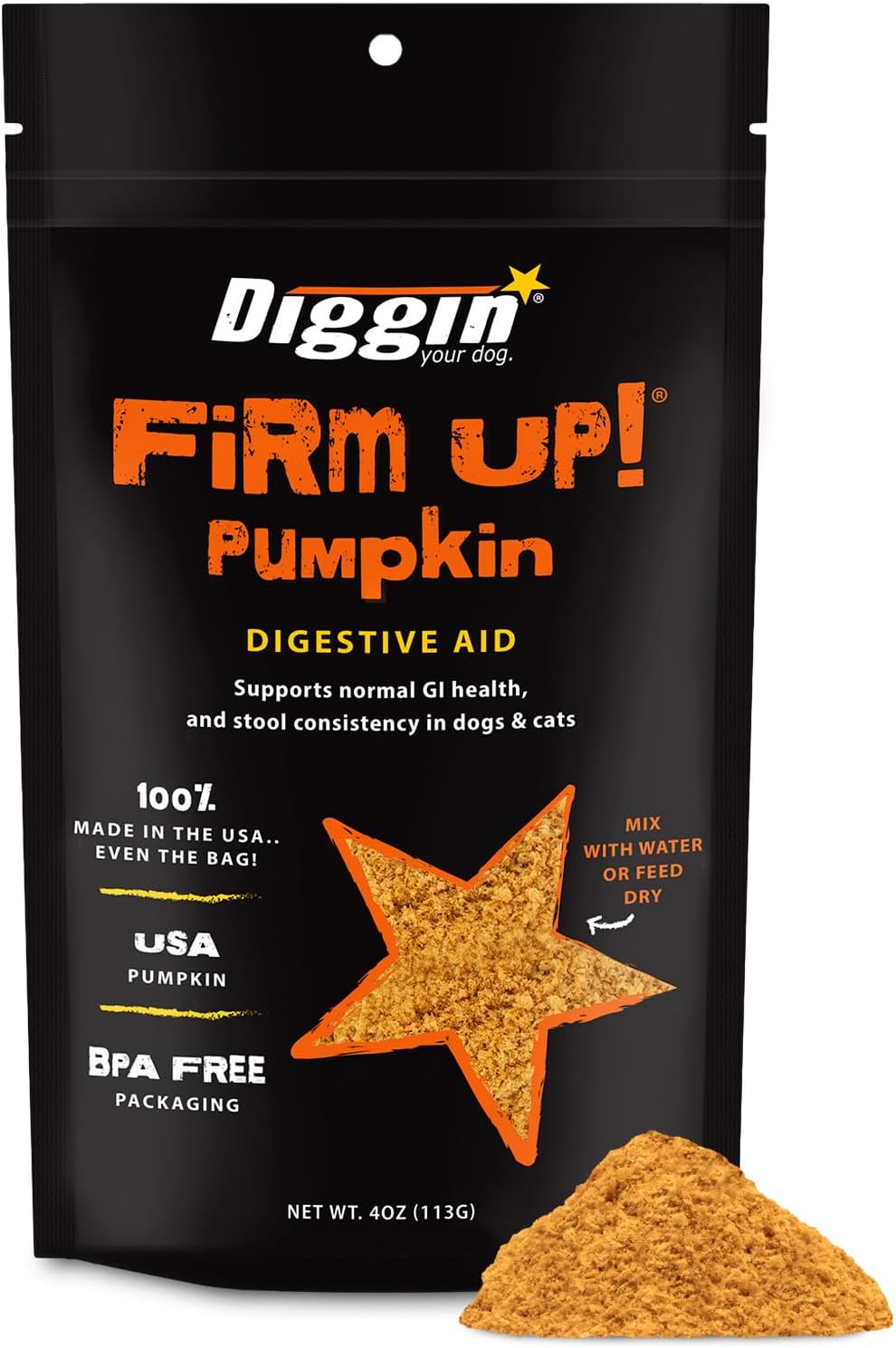
A: In moderation, yes. Plain boiled chicken and white rice are safe and effective. Avoid fatty, spicy, or seasoned foods. Canned pumpkin (not pie filling) can also help firm stools due to its high soluble fiber content.
Q: Is grain-free food better for dogs with diarrhea?
A: Not necessarily. Grains like rice and oats are actually gentle on the stomach and can help bind stools. Grain-free diets are only beneficial if your dog has a confirmed grain allergy, which is uncommon.
Q: Should I fast my dog before starting a new food?
A: A 12–24 hour fast can help rest the digestive system, especially if your dog is vomiting. However, don’t withhold water. After fasting, reintroduce food slowly with small, frequent meals.
Q: Can probiotics help with diarrhea?
A: Yes, especially if the diarrhea is due to bacterial imbalance. Look for dog-specific probiotics with strains like Lactobacillus and Bifidobacterium. They can reduce recovery time and improve stool quality.
Q: What if my dog refuses to eat the new food?
A: Try warming the food slightly or adding a small amount of low-sodium chicken broth (no onions or garlic). Mixing in a teaspoon of plain yogurt with live cultures can also improve palatability and aid digestion.
Q: Can stress cause diarrhea in dogs?
A: Absolutely. Changes in routine, travel, boarding, or loud noises can trigger stress-induced diarrhea. In these cases, a bland diet combined with calming techniques (like pheromone diffusers) may help.
Q: Is it safe to switch between brands frequently?
A: Frequent switching can disrupt the gut microbiome and lead to digestive upset. Stick to one food unless advised otherwise by your vet. If you need to change, do so gradually.
Q: Can puppies and seniors eat the same diarrhea diets?
A: Puppies and seniors have unique nutritional needs. Choose age-appropriate formulas—puppy foods are higher in calories and protein, while senior diets may include joint support. Consult your vet for tailored advice.
Q: How do I know if the food is working?
A: Look for firmer stools within 2–3 days, increased energy, and improved appetite. If there’s no improvement or symptoms worsen, consult your veterinarian.
Our Final Recommendations
After evaluating ingredient quality, digestibility, expert reviews, and real-world effectiveness, here are our top picks for the best dog food for diarrhea in 2026:
Best for Budget-Conscious Buyers: Blue Buffalo Basics Limited Ingredient Diet – This affordable option features real turkey, potatoes, and peas, with no chicken by-products or grains. It includes probiotics and is AAFCO-compliant, making it a reliable choice for mild digestive upset.
Best Overall Value: Hill’s Science Diet Sensitive Stomach & Skin – A vet-recommended formula with highly digestible chicken, rice, and beet pulp. It’s enriched with prebiotic fiber and omega-6 fatty acids, supporting both digestion and skin health. Widely available and backed by decades of research.
Best Premium Option: Royal Canin Gastrointestinal Low Fat – Designed for dogs with pancreatitis or severe diarrhea, this prescription-grade diet is low in fat, highly digestible, and includes targeted nutrients for gut healing. Requires a vet’s approval but is unmatched in therapeutic support.
Best for Beginners: Purina Pro Plan Sensitive Skin & Stomach – Easy to find in most stores, this formula uses salmon as the primary protein and includes rice and oatmeal for gentle digestion. It’s a great entry point for owners new to managing digestive issues.
Best for Advanced Users: The Farmer’s Dog Fresh Food – For those willing to invest in fresh, human-grade meals, this customizable service offers gently cooked, single-protein recipes with no fillers or preservatives. Ideal for dogs with chronic sensitivities or those who thrive on whole foods.
Conclusion: Making the Right Choice
Choosing the best dog food for diarrhea isn’t just about stopping loose stools—it’s about supporting your dog’s overall health, comfort, and recovery. The right diet can soothe an inflamed gut, restore balance to the microbiome, and prevent future episodes. But with so many options on the market, it’s easy to feel overwhelmed.
Remember, the best food for your dog depends on their individual needs, the severity of their condition, and your budget. Prioritize digestibility, ingredient quality, and veterinary guidance over marketing claims. Whether you opt for a trusted over-the-counter formula or a prescription diet, consistency and patience are key.
Don’t hesitate to reach out to your veterinarian if symptoms persist or worsen. And once your dog is back on track, consider maintaining a sensitive stomach formula or incorporating probiotics into their routine to support long-term digestive wellness.
Your dog relies on you to make the best decisions for their health. With the knowledge from this guide, you’re now equipped to choose a food that doesn’t just manage diarrhea—but helps your dog thrive.