
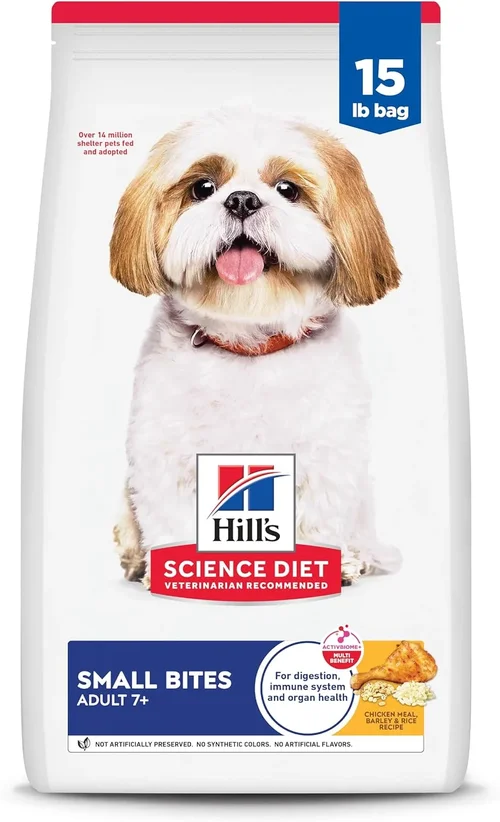
Choosing the right dog food isn’t just about picking the shiniest bag on the shelf or the one with the cutest puppy on the label. It’s one of the most important decisions you’ll make for your dog’s long-term health, energy levels, coat quality, digestion, and even lifespan. With thousands of brands and formulas flooding the market—each claiming to be “premium,” “natural,” or “vet-recommended”—it’s easy to feel overwhelmed. Misinformation abounds, marketing jargon confuses more than it clarifies, and what works for one dog might be disastrous for another. That’s why this comprehensive buying guide exists: to cut through the noise and give you science-backed, practical advice so you can confidently choose the best diet for your canine companion.
In this guide, you’ll learn how to evaluate dog food like a pro—whether you’re feeding a tiny Chihuahua, a high-energy Border Collie, a senior Golden Retriever with joint issues, or a puppy growing at lightning speed. We’ll break down the critical factors that truly matter (like ingredient quality, nutritional balance, and life stage suitability), explain the different types of diets available (kibble, wet, raw, freeze-dried, and more), and help you avoid common pitfalls that even experienced pet owners fall into. You’ll also get expert tips on budgeting, timing your purchases, and understanding labels so you’re never misled by buzzwords again. By the end, you’ll have a clear, personalized strategy for selecting dog food that supports your dog’s unique needs—not just what’s trending on social media.
The dog food market has exploded in recent years, driven by rising pet ownership, increased awareness of pet health, and a surge in humanization trends (yes, dogs are now getting organic, grain-free, and even vegan meals). According to industry reports, global pet food sales surpassed $120 billion in 2025, with premium and specialized diets leading growth. But with innovation comes confusion. New brands launch weekly, subscription services promise convenience, and “clean label” claims multiply—yet many products still fall short of AAFCO (Association of American Feed Control Officials) standards or contain fillers, artificial additives, or unbalanced nutrition. This guide cuts through the hype to focus on what actually matters: real nutrition, transparency, and your dog’s well-being.

What to Look for When Buying Dog Food
1. Nutritional Adequacy & AAFCO Compliance
The single most important factor in any dog food is whether it meets established nutritional standards. Look for a statement on the packaging that says the food is “complete and balanced” and complies with AAFCO nutrient profiles. This means the formula has been tested either through feeding trials or formulated to meet minimum requirements for your dog’s life stage—whether that’s growth, maintenance, or senior care. Avoid foods that only claim to be “natural” or “wholesome” without this certification, as they may lack essential vitamins, minerals, or amino acids. For example, a diet deficient in taurine (an amino acid critical for heart health) can lead to dilated cardiomyopathy, even if all other ingredients look premium.
2. Ingredient Quality & Transparency
Not all proteins, grains, or fats are created equal. High-quality dog food lists a named animal protein as the first ingredient—such as “chicken,” “salmon,” or “lamb”—not vague terms like “meat meal” or “poultry by-product.” Whole meats are ideal, but meat meals (rendered, concentrated protein sources) can also be nutritious if from reputable sources. Avoid artificial preservatives like BHA, BHT, and ethoxyquin; instead, look for natural preservatives such as mixed tocopherols (vitamin E) or rosemary extract. Transparency matters: brands that disclose their sourcing practices, manufacturing locations, and third-party testing build trust. If a company hides behind vague terms or refuses to share ingredient origins, consider it a red flag.
3. Life Stage & Breed-Specific Needs
Dogs have vastly different nutritional requirements depending on their age, size, and breed. Puppies need higher calories, fat, and calcium for growth, while senior dogs benefit from lower calories, joint-supporting supplements like glucosamine, and easily digestible proteins. Large breeds (like Great Danes or Mastiffs) require controlled calcium-to-phosphorus ratios to prevent skeletal issues, whereas small breeds (like Dachshunds or Yorkies) often thrive on smaller kibble sizes and higher fat content for energy. Active working dogs need more protein and fat than sedentary house pets. Always match the food to your dog’s specific life stage and activity level—don’t assume “adult formula” works for everyone.
4. Digestibility & Gut Health Support
A food can have perfect ingredients on paper, but if your dog can’t digest it, it’s useless—or worse, harmful. Highly digestible proteins (like chicken, turkey, or eggs) and easily fermentable fibers (such as pumpkin, beet pulp, or chicory root) promote healthy gut bacteria and reduce stool volume. Look for prebiotics (like FOS and MOS) and probiotics (live beneficial bacteria) in the ingredient list, especially if your dog has a sensitive stomach or history of digestive upset. Avoid excessive fillers like corn, wheat, or soy, which are harder to digest and can trigger allergies or inflammation in some dogs.
5. Allergies & Sensitivities
Food allergies and intolerances are more common than many owners realize, often manifesting as chronic ear infections, itchy skin, hot spots, or gastrointestinal issues like diarrhea or vomiting. Common allergens include beef, chicken, dairy, wheat, and eggs. If your dog shows signs of sensitivity, consider a limited-ingredient diet (LID) with a novel protein (like duck, venison, or kangaroo) and a single carbohydrate source (like sweet potato or peas). Hydrolyzed protein diets—where proteins are broken down into tiny molecules that don’t trigger immune responses—are also effective for severe cases and are often vet-recommended. Always consult your veterinarian before switching to a hypoallergenic formula.
6. Price vs. Value
Expensive doesn’t always mean better, and cheap doesn’t always mean bad—but price often correlates with ingredient quality and manufacturing standards. Budget brands may use lower-grade proteins, fillers, and synthetic additives to cut costs, while premium brands invest in human-grade ingredients, rigorous testing, and ethical sourcing. However, some mid-range brands offer excellent value by balancing quality and affordability. Calculate cost per pound or per feeding, not just the total bag price. A $60 bag that lasts two months may be cheaper long-term than a $30 bag that needs replacing every two weeks. Also consider subscription discounts, auto-ship programs, and bulk buying to maximize value.
7. Brand Reputation & Recall History
Not all dog food companies prioritize safety and consistency. Research a brand’s history: Have they had recalls? Were they due to contamination, nutritional imbalance, or misleading labeling? Reputable brands are transparent about recalls and take swift action to protect pets. Check resources like the FDA’s pet food recall database or consumer watchdog sites. Also consider whether the company conducts independent testing, publishes feeding trial results, or partners with veterinary nutritionists. Brands with long-standing reputations for quality—like Royal Canin, Hill’s Science Diet, or Orijen—often have robust quality control systems, but newer brands like The Honest Kitchen or Open Farm are also gaining trust through transparency and innovation.
8. Packaging & Freshness
Freshness directly impacts nutrient potency and palatability. Oxygen, light, and heat degrade fats, vitamins, and antioxidants over time. Look for resealable bags with nitrogen flushing (which displaces oxygen to prevent rancidity) or vacuum-sealed packaging. Avoid bags that feel warm, smell rancid, or have been sitting on shelves for months. Check the “best by” date and buy only what your dog can consume within 6–8 weeks of opening. For wet food, ensure cans or trays are undamaged and not bulging, which could indicate bacterial contamination. Some premium brands now offer smaller, portion-controlled packages to maintain freshness—ideal for picky eaters or multi-dog households.
Different Types of Dog Food

Common Buying Mistakes to Avoid

❌ Mistake: Choosing Based Solely on Marketing Claims
Why it’s bad: Terms like “grain-free,” “organic,” or “superfood” are marketing tools, not guarantees of quality. Grain-free diets, for instance, have been linked to dilated cardiomyopathy (DCM) in some dogs due to legume-heavy formulations displacing taurine-rich ingredients. Similarly, “organic” only means ingredients are grown without synthetic pesticides—it doesn’t ensure nutritional completeness.
What to do instead: Focus on the ingredient list and AAFCO statement. Ask: Is there a named meat first? Are there unnecessary fillers? Does it meet my dog’s life stage needs? Ignore flashy labels and dig into the facts.
❌ Mistake: Ignoring Your Dog’s Individual Needs
Why it’s bad: Feeding a high-protein diet to a sedentary senior dog can strain kidneys, while giving puppy food to an adult can lead to obesity. Every dog is unique—breed, age, weight, activity level, and health conditions all matter.
What to do instead: Consult your vet to determine your dog’s ideal caloric intake and nutrient profile. Use life-stage-specific formulas and adjust as your dog ages or their lifestyle changes.
❌ Mistake: Switching Foods Too Quickly
Why it’s bad: Abrupt changes can cause diarrhea, vomiting, or refusal to eat. Dogs have sensitive digestive systems that need time to adapt to new proteins and fibers.
What to do instead: Transition gradually over 7–10 days: start with 25% new food + 75% old, then increase the ratio every 2–3 days until fully switched. Monitor stool quality and energy levels.
❌ Mistake: Overlooking Portion Control
Why it’s bad: Even the healthiest food can cause weight gain if overfed. Obesity leads to diabetes, joint problems, and reduced lifespan.
What to do instead: Follow feeding guidelines on the package as a starting point, then adjust based on your dog’s body condition score (you should be able to feel—but not see—their ribs). Use a measuring cup, not a scoop.
❌ Mistake: Buying in Bulk Without Testing
Why it’s bad: Your dog might hate the taste, have an allergic reaction, or develop digestive issues after consuming a large quantity.
What to do instead: Buy small bags or sample packs first. Many brands offer trial sizes or money-back guarantees. Test for at least 2–3 weeks before committing to a large purchase.
❌ Mistake: Neglecting Water Intake with Dry Food
Why it’s bad: Kibble contains only 10% moisture, so dogs on dry diets need ample fresh water to stay hydrated. Dehydration can lead to urinary tract issues, especially in male dogs.
What to do instead: Always provide clean water and consider adding wet food or broth to increase hydration. Monitor water bowl levels daily.
❌ Mistake: Assuming All “Natural” Foods Are Safe
Why it’s bad: “Natural” isn’t regulated in pet food the way it is in human food. Some natural ingredients (like garlic or onions) are toxic to dogs, even in small amounts.
What to do instead: Research every ingredient. Avoid foods containing xylitol, grapes, raisins, chocolate, or excessive salt. When in doubt, consult your vet or a veterinary nutritionist.
Budget Guidelines: How Much Should You Spend?
- Entry-Level ($1.00–$2.00/lb): These foods often use by-product meals, corn, wheat, and soy as primary ingredients. While they meet basic AAFCO standards, they may lack optimal digestibility and nutrient density. Best for temporary use or multi-dog households on tight budgets—but monitor your dog’s health closely.
- Mid-Range ($2.00–$3.50/lb): This is the sweet spot for most owners. Brands like Purina Pro Plan, Iams, and Nutro offer balanced nutrition with quality proteins, minimal fillers, and added supplements like omega-3s and probiotics. Many include life-stage and breed-specific formulas.
- Premium ($3.50–$6.00/lb): These diets feature named meats, limited ingredients, and advanced formulations. Brands like Wellness, Blue Buffalo, and Taste of the Wild prioritize transparency, natural preservatives, and functional additives (e.g., glucosamine, L-carnitine). Ideal for dogs with sensitivities or owners seeking higher-quality nutrition.
- Luxury ($6.00+/lb): Top-tier brands like Orijen, Acana, The Honest Kitchen, and Ziwi Peak use human-grade, ethically sourced ingredients, often with raw or freeze-dried options. They undergo extensive testing and feeding trials. Best for performance dogs, those with chronic health issues, or owners who prioritize ingredient integrity above all.

Expert Tips for Getting the Best Deal
- Buy during seasonal sales: Major retailers like Chewy, Petco, and Amazon often run promotions in January (New Year’s resolutions), July (summer clearance), and November (Black Friday). Sign up for newsletters to get early access.
- Use subscription services: Auto-ship programs typically offer 5–15% off every order and free shipping. You can pause or cancel anytime, so there’s no risk.
- Compare unit prices: A 30-lb bag may seem cheaper than a 15-lb bag, but if your dog doesn’t like it, you’ve wasted money. Always check price per pound or per feeding.
- Check return policies: Reputable retailers allow returns on unopened bags. If your dog refuses the food, you’re not stuck with it.
- Look for manufacturer rebates: Some brands offer mail-in rebates or digital coupons through their websites. These can shave $5–$20 off per bag.
- Join loyalty programs: Pet stores like PetSmart and Chewy reward frequent buyers with points, exclusive discounts, and birthday freebies.
- Consider local co-ops or bulk buying: Some communities organize group purchases from premium brands to reduce shipping costs and get wholesale pricing.
- Test before committing: Many brands offer sample packs or small bags. Use these to assess palatability, digestion, and coat condition before buying in bulk.

Frequently Asked Questions
Q: Is grain-free dog food better?
A: Not necessarily. While grain-free diets can help dogs with specific grain allergies, most dogs digest grains like rice and oats just fine. The FDA has investigated a potential link between grain-free diets high in legumes (peas, lentils) and DCM in certain breeds. Unless your vet recommends it, there’s no proven benefit to going grain-free.
Q: Can I mix wet and dry food?
A: Absolutely! Many owners combine both for variety, added moisture, and enhanced palatability. Just adjust portions to avoid overfeeding—wet food is more calorie-dense per volume than kibble.
Q: How often should I change my dog’s food?
A: Only when necessary—such as for life stage transitions, health issues, or poor performance (e.g., dull coat, low energy). Frequent switching can upset digestion. Stick with a good food unless there’s a compelling reason to change.
Q: Is raw food safe?
A: Raw diets carry risks of bacterial contamination (Salmonella, E. coli) and nutritional imbalances if not properly formulated. If you choose raw, use commercially prepared, balanced recipes from reputable brands—not homemade mixes—and practice strict hygiene.
Q: What’s the difference between “chicken meal” and “chicken”?
A: “Chicken” is fresh meat with high water content (about 70%), so it appears first on labels but contributes less protein by weight. “Chicken meal” is rendered, dehydrated meat with most water removed, making it a concentrated protein source. Both can be high-quality—look for named sources (e.g., “chicken meal,” not “poultry meal”).
Q: How much should I feed my dog?
A: Start with the guidelines on the package based on weight and activity level, then adjust using body condition scoring. Ideal weight means you can feel ribs without seeing them, and your dog has a visible waist when viewed from above.
Q: Can puppies eat adult dog food?
A: No. Puppies need higher calories, fat, protein, and calcium for growth. Adult food lacks these in sufficient amounts and can stunt development or cause deficiencies.
Q: Are “by-products” bad?
A: Not inherently. By-products are clean, non-rendered parts of animals like liver, kidneys, and lungs—organs that are highly nutritious. The issue is vague labeling (“meat by-products” could include low-quality sources). Named by-products (e.g., “chicken by-products”) from reputable brands are safe and valuable.
Q: Should I avoid foods with corn?
A: Only if your dog has a diagnosed corn allergy. Corn is a digestible carbohydrate and source of linoleic acid (an essential fatty acid). Many high-quality foods include it as a filler alternative to wheat or soy.
Q: How long does dog food last after opening?
A: Dry kibble: 6–8 weeks in a cool, dry place with the bag tightly sealed. Wet food: 3–5 days in the fridge in an airtight container. Freeze-dried: up to 2 years unopened; once opened, use within 2–3 weeks.
Our Final Recommendations
- Best for Budget-Conscious Buyers: Purina Pro Plan Savor Adult Shredded Blend – Offers excellent nutrition at an affordable price, with real chicken, probiotics, and no artificial colors. AAFCO-compliant and widely available.
- Best Overall Value: Wellness Complete Health Adult Deboned Chicken & Oatmeal – Balances quality ingredients, digestibility, and price. Includes omega fatty acids, antioxidants, and no fillers. Great for most healthy adult dogs.
- Best Premium Option: Orijen Original Grain-Free – Biologically appropriate with 85% animal ingredients, including fresh regional meats. High protein, low carb, and packed with nutrients. Ideal for active or performance dogs.
- Best for Beginners: Hill’s Science Diet Adult Perfect Weight – Vet-recommended, easy to find, and formulated for weight management. Gentle on digestion and backed by decades of research.
- Best for Advanced Users: The Honest Kitchen Human-Grade Dehydrated Dog Food – Whole-food, human-grade ingredients you can see and recognize. Requires rehydration but offers unparalleled transparency and freshness.
Conclusion: Making the Right Choice
Choosing the best dog food isn’t about finding the most expensive or trendiest option—it’s about understanding your dog’s unique needs and matching them with a diet that delivers real, measurable benefits. From ingredient quality and nutritional adequacy to life stage alignment and digestibility, every factor we’ve covered plays a role in your dog’s long-term health and happiness. Avoid the traps of marketing hype, impulsive switching, and one-size-fits-all thinking. Instead, become an informed advocate for your pet: read labels, consult your vet, monitor your dog’s response, and adjust as needed.
Remember, the best diet is one your dog thrives on—not just survives. It’s the one that gives them shiny fur, bright eyes, steady energy, firm stools, and years of joyful companionship. Take your time, do your research, and don’t be afraid to experiment (safely!) until you find the perfect match. Your dog deserves nothing less than the best nutrition you can provide. Start today—your loyal friend will thank you with every wag of their tail.