
Choosing the right food for your English Bulldog isn’t just about picking up a bag from the pet store shelf—it’s a decision that directly impacts your dog’s health, energy levels, coat quality, digestion, and even lifespan. English Bulldogs are a unique breed with specific dietary needs shaped by their brachycephalic (short-nosed) anatomy, predisposition to allergies, joint sensitivities, and tendency toward weight gain. Unfortunately, many owners unknowingly feed their bulldogs generic kibble that fails to address these nuances, leading to chronic health issues like skin irritations, gas, obesity, or joint pain. That’s why this guide exists: to cut through the noise, debunk marketing myths, and help you make an informed, science-backed choice for your loyal companion.
In this comprehensive 2026 buying guide, you’ll learn exactly what to look for in high-quality English Bulldog food—from ingredient quality and protein sources to specialized formulas for sensitive stomachs or joint support. We’ll walk you through the most important factors to consider, compare different types of dog food (kibble, wet, raw, fresh), highlight common pitfalls to avoid, and provide real-world budget breakdowns so you can feed your bulldog well without overspending. Whether you’re a first-time bulldog owner or a seasoned enthusiast looking to upgrade your pup’s diet, this guide equips you with expert-level knowledge to choose the best possible nutrition for your dog’s individual needs.
The market for dog food has exploded in recent years, with hundreds of brands claiming to offer “premium,” “natural,” or “vet-recommended” formulas. But not all of them are created equal—especially when it comes to brachycephalic breeds like the English Bulldog. From grain-free fads to misleading “by-product” labeling, it’s easy to get overwhelmed. This guide cuts through the marketing fluff and focuses on what truly matters: digestibility, nutrient balance, breed-specific formulation, and long-term health outcomes. By the end, you’ll know exactly how to read a label, interpret nutritional claims, and select a food that supports your bulldog’s unique physiology.

What to Look for When Buying English Bulldog Food
1. High-Quality Animal Protein as the First Ingredient
English Bulldogs are muscular, active dogs despite their laid-back demeanor, and they require a diet rich in high-quality animal protein to maintain lean muscle mass and support metabolic function. Look for foods where a named animal protein—such as deboned chicken, turkey, lamb, or salmon—is listed as the very first ingredient. Avoid vague terms like “meat meal” or “animal by-products,” which can include low-quality or inconsistent sources. The Association of American Feed Control Officials (AAFCO) recommends that adult dog foods contain at least 18% crude protein, but for bulldogs, aiming for 22–26% from real meat sources is ideal.
Why does this matter? Bulldogs have a slower metabolism compared to other breeds, so they’re prone to weight gain if their food is too carb-heavy or filled with fillers like corn, wheat, or soy. High-protein diets help them feel full longer, reduce fat accumulation, and support healthy skin and coat. Additionally, because many bulldogs suffer from food sensitivities, choosing a single-source protein (like duck or venison) can help minimize allergic reactions.
2. Limited, Easily Digestible Carbohydrates
While dogs don’t require carbohydrates in the same way humans do, they do benefit from digestible carbs that provide energy and fiber without spiking blood sugar. For English Bulldogs, who often struggle with flatulence and sensitive digestion, it’s crucial to choose carbs that are low-glycemic and highly digestible. Sweet potatoes, peas, lentils, and oats are excellent choices—they’re rich in fiber, support gut health, and are less likely to cause gas or bloating than grains like corn or wheat.
Avoid foods that list multiple grains or starchy fillers near the top of the ingredient list. These can contribute to weight gain and digestive upset, both of which are common in bulldogs. Also, be cautious with “grain-free” labels: while some bulldogs benefit from grain-free diets due to allergies, others do perfectly fine with whole grains like brown rice or quinoa. The key is digestibility, not just the absence of grains.
3. Healthy Fats for Skin, Coat, and Joint Health
English Bulldogs are notorious for their wrinkled skin and susceptibility to dermatitis, hot spots, and ear infections. A diet rich in omega-3 and omega-6 fatty acids is essential to maintain a healthy coat, reduce inflammation, and support skin barrier function. Look for foods that include sources like fish oil (from salmon, sardines, or anchovies), flaxseed, or chia seeds. These fats also play a critical role in brain health and joint lubrication—important for bulldogs, who are prone to hip dysplasia and arthritis.
Avoid foods with excessive amounts of plant-based oils like corn or soybean oil, which are high in omega-6 but lack the anti-inflammatory benefits of omega-3s. The ideal omega-6 to omega-3 ratio in dog food should be between 5:1 and 10:1. Anything higher can promote inflammation, worsening skin and joint issues. Additionally, avoid artificial preservatives like BHA, BHT, or ethoxyquin, which are sometimes used in cheaper fats and have been linked to health concerns.
4. Joint Support Ingredients
English Bulldogs are genetically predisposed to joint problems, including hip and elbow dysplasia, patellar luxation, and arthritis. Feeding a diet fortified with joint-supporting nutrients can significantly slow the progression of these conditions and improve mobility. Key ingredients to look for include glucosamine, chondroitin, MSM (methylsulfonylmethane), and green-lipped mussel extract. These compounds help maintain cartilage integrity, reduce inflammation, and support synovial fluid production.
Many premium dog foods now include these ingredients, but they’re often found in therapeutic or senior formulas. However, it’s never too early to start joint support—especially for bulldogs, who may show signs of stiffness as early as 3–4 years old. Some brands, like Hill’s Science Diet and Royal Canin, offer breed-specific formulas for bulldogs that include these supplements. If your dog is already showing signs of joint discomfort, consider a food specifically designed for joint health or consult your vet about adding a supplement.
5. Hypoallergenic or Limited Ingredient Formulas
Food allergies and sensitivities are extremely common in English Bulldogs, with symptoms ranging from chronic ear infections and paw licking to gastrointestinal upset like diarrhea or vomiting. The most frequent culprits are beef, chicken, dairy, wheat, and soy. If your bulldog shows signs of food intolerance, switching to a limited ingredient diet (LID) can help identify and eliminate triggers.
Look for foods with a single protein source (like duck, rabbit, or salmon) and a minimal number of carbohydrates. Novel proteins—those your dog hasn’t been exposed to before—are less likely to cause allergic reactions. Brands like Natural Balance, Wellness Simple, and Blue Buffalo Basics offer excellent LID options. Additionally, some foods are labeled “hypoallergenic,” meaning they’ve been formulated to reduce the risk of allergic responses. Always introduce new foods gradually over 7–10 days to avoid digestive upset.
6. Appropriate Kibble Size and Shape
Due to their short muzzles and flat faces, English Bulldogs often struggle with chewing large or hard kibble. This can lead to gulping, choking, or incomplete digestion. Choosing a food with appropriately sized, soft, or uniquely shaped kibble can make a big difference in how comfortably your bulldog eats.
Many brands now offer “brachycephalic” or “bulldog-specific” kibble designs—smaller, softer, and often ring-shaped or textured to encourage chewing. Royal Canin’s English Bulldog Adult formula, for example, features a donut-shaped kibble that’s easy for bulldogs to pick up and chew. Similarly, Hill’s Science Diet offers kibble designed for brachycephalic breeds. If your dog tends to inhale food, consider soaking kibble in warm water or broth to soften it further.
7. No Artificial Additives or Fillers
Artificial colors, flavors, and preservatives offer no nutritional benefit and can contribute to hyperactivity, allergies, or long-term health issues. English Bulldogs are particularly sensitive to additives, so it’s best to choose foods with natural preservatives like mixed tocopherols (vitamin E) or rosemary extract. Avoid foods containing BHA, BHT, ethoxyquin, propylene glycol, or artificial dyes like Red 40 or Yellow 5.
Fillers like corn gluten meal, wheat middlings, or brewers rice are often used to bulk up kibble cheaply but provide little nutritional value. While small amounts of fiber are beneficial, excessive fillers can lead to weight gain and poor nutrient absorption. Always scan the ingredient list: if you see more than one or two filler ingredients, consider a different brand.
8. AAFCO Compliance and Transparency
Not all dog foods are held to the same standards. Look for foods that meet AAFCO (Association of American Feed Control Officials) nutritional guidelines for your dog’s life stage (adult, puppy, senior). This ensures the food provides complete and balanced nutrition. The packaging should clearly state whether the food is “formulated to meet AAFCO standards” or has undergone feeding trials.
Transparency is also key. Reputable brands disclose their ingredient sourcing, manufacturing locations, and testing procedures. Avoid brands that are vague about where their ingredients come from or how their food is made. Companies like The Honest Kitchen, Open Farm, and Nom Nom prioritize transparency and even offer batch-specific traceability online.
Different Types of English Bulldog Food

Common Buying Mistakes to Avoid

❌ Mistake: Choosing Food Based Solely on Price
Why it’s bad: Cheap dog food often contains low-quality proteins, fillers, and artificial additives that can lead to health problems over time. Bulldogs are already prone to obesity, skin issues, and digestive sensitivities—feeding them subpar food exacerbates these risks.
What to do instead: Focus on value, not just cost. A mid-range food with high-quality ingredients may cost more upfront but can save you thousands in vet bills later. Calculate cost per pound and per serving to compare fairly.
❌ Mistake: Ignoring Life Stage and Activity Level
Why it’s bad: Puppies, adults, and seniors have different nutritional needs. Feeding a high-calorie puppy food to a sedentary adult bulldog can lead to rapid weight gain. Conversely, senior dogs need fewer calories but more joint support and fiber.
What to do instead: Choose a food formulated for your bulldog’s specific life stage. If your dog is less active, look for “light” or “weight management” formulas with reduced fat and added L-carnitine to support fat metabolism.
❌ Mistake: Overlooking Food Transition Guidelines
Why it’s bad: Switching food too quickly can cause diarrhea, vomiting, or refusal to eat. Bulldogs have sensitive stomachs, and abrupt changes disrupt gut flora.
What to do instead: Transition gradually over 7–10 days. Start with 25% new food and 75% old, increasing the ratio every 2–3 days. Monitor stool consistency and energy levels.
❌ Mistake: Believing All “Natural” or “Organic” Labels
Why it’s bad: The terms “natural” and “organic” are not strictly regulated in pet food. Some brands use them as marketing tactics without meeting high standards.
What to do instead: Look for third-party certifications like USDA Organic, AAFCO compliance, or NASC (National Animal Supplement Council) seals. Read ingredient lists carefully.
❌ Mistake: Feeding Excessive Treats or Table Scraps
Why it’s bad: Treats should make up no more than 10% of your dog’s daily caloric intake. Bulldogs gain weight easily, and human food is often high in fat, salt, or sugar.
What to do instead: Use healthy, low-calorie treats like freeze-dried liver or carrots. Measure portions and adjust meal sizes accordingly.
❌ Mistake: Not Adjusting Portions Based on Weight Changes
Why it’s bad: Feeding the same amount regardless of weight gain or loss can lead to obesity or malnutrition. Bulldogs should have a visible waist and palpable ribs.
What to do instead: Weigh your dog monthly and adjust portions using a calorie calculator. Consult your vet if your bulldog is overweight or underweight.
❌ Mistake: Assuming All Bulldogs Need the Same Food
Why it’s bad: Just like people, dogs have individual needs. One bulldog may thrive on chicken-based kibble, while another develops allergies.
What to do instead: Observe your dog’s response to food—coat condition, energy, stool quality, and skin health. Be willing to experiment with proteins and formats until you find the right fit.
Budget Guidelines: How Much Should You Spend?
- Entry-Level ($20–$35 per 30-lb bag): These foods often contain by-product meals, corn, and artificial preservatives. While they meet basic AAFCO standards, they’re not ideal for bulldogs with sensitivities. Best for temporary use or multi-dog households on a tight budget.
- Mid-Range ($35–$55 per 30-lb bag): This is the sweet spot for most bulldog owners. Brands like Wellness, Taste of the Wild, and Blue Buffalo offer high-quality proteins, limited fillers, and added supplements. Many include probiotics, omega fatty acids, and joint support.
- Premium ($55–$80 per 30-lb bag): These foods use human-grade ingredients, novel proteins, and advanced formulations. Brands like Orijen, Acana, and Fromm are excellent choices for owners who prioritize ingredient quality and digestibility.
- Luxury ($80+ per bag or subscription-based): Fresh, raw, or custom-formulated diets like Nom Nom, The Farmer’s Dog, or We Feed Raw fall into this category. They’re convenient, highly nutritious, and tailored to your dog’s needs—but come at a higher cost.

Expert Tips for Getting the Best Deal
- Buy in Bulk During Sales: Stock up during Black Friday, Amazon Prime Day, or Chewy’s birthday sale. Many premium brands offer 20–30% off during these events.
- Subscribe and Save: Most online retailers (Chewy, Petco, Amazon) offer 5–15% off with auto-ship. You’ll never run out, and you save money.
- Compare Unit Prices: Check price per pound or per ounce—especially for wet food. Larger cans aren’t always cheaper per unit.
- Look for Rebates and Coupons: Sign up for brand newsletters (e.g., Royal Canin, Hill’s) to receive exclusive discounts and free samples.
- Consider Store Brands: Some pet stores (like Petco’s WholeHearted or Chewy’s Tylee’s) offer high-quality, affordable alternatives to name brands.
- Ask Your Vet for Samples: Many vets keep samples of therapeutic or prescription diets. Try before you buy.
- Check Return Policies: If your bulldog doesn’t like the food, can you return it? Chewy and Petco offer generous return windows.
- Rotate Proteins Occasionally: This reduces the risk of developing food sensitivities and keeps your dog interested in meals.

Frequently Asked Questions
Q: Can English Bulldogs eat grain-free food?
A: Yes, but only if they have a diagnosed grain allergy. Most bulldogs do fine with grains like rice or oats. Grain-free diets have been linked to dilated cardiomyopathy (DCM) in some dogs, so consult your vet before switching.
Q: How often should I feed my English Bulldog?
A: Adult bulldogs should be fed twice daily—morning and evening. Puppies under 6 months may need 3–4 meals. Free-feeding can lead to obesity.
Q: Is raw food safe for bulldogs?
A: Raw diets can be safe if properly balanced and handled. However, they require careful preparation to avoid bacterial contamination and nutritional deficiencies. Consult a veterinary nutritionist before starting.
Q: My bulldog is overweight. What food should I choose?
A: Look for “weight management” formulas with reduced fat (under 12%), high fiber, and added L-carnitine. Brands like Hill’s Science Diet Perfect Weight or Royal Canin Weight Care are excellent options.
Q: Should I add supplements to my bulldog’s food?
A: Only if recommended by your vet. Over-supplementing can cause imbalances. If your dog has joint issues, a glucosamine supplement may help—but check for interactions with their current food.
Q: Can I mix wet and dry food?
A: Absolutely! Many owners mix wet food into kibble to increase palatability and hydration. Just adjust portions to avoid overfeeding.
Q: How do I know if my bulldog is allergic to their food?
A: Symptoms include itchy skin, ear infections, paw licking, vomiting, or diarrhea. An elimination diet under veterinary supervision is the best way to identify triggers.
Q: Is it okay to feed my bulldog human food occasionally?
A: Small amounts of dog-safe foods like plain cooked chicken, green beans, or pumpkin are fine as treats. Avoid onions, garlic, chocolate, grapes, and xylitol.
Q: What’s the best food for a bulldog puppy?
A: Choose a large-breed puppy formula with controlled calcium and phosphorus to support proper bone development. Avoid high-calorie foods that promote rapid growth.
Q: How long can I keep opened kibble fresh?
A: Store in an airtight container in a cool, dry place. Most kibble stays fresh for 6–8 weeks after opening. Avoid storing in humid areas like garages.
Our Final Recommendations
- Best for Budget-Conscious Buyers: Wellness Complete Health Adult Deboned Chicken & Oatmeal – Offers high-quality protein, limited fillers, and added probiotics at a reasonable price.
- Best Overall Value: Royal Canin English Bulldog Adult – Specifically formulated for bulldogs with joint support, digestive care, and breed-sized kibble.
- Best Premium Option: Orijen Original Grain-Free – Biologically appropriate with 85% animal ingredients, ideal for owners who prioritize ingredient quality.
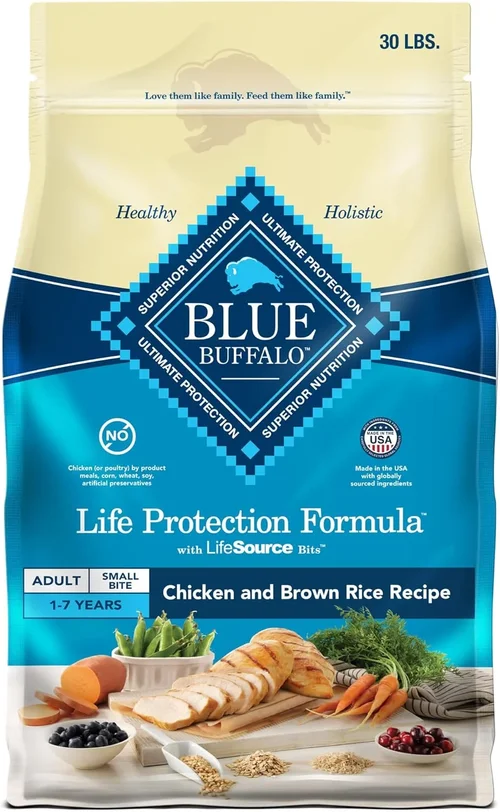
- Best for Beginners: Blue Buffalo Life Protection Formula Chicken & Brown Rice – Widely available, affordable, and made with real meat and no artificial additives.
- Best for Advanced Users: Nom Nom Fresh Dog Food – Custom-portioned, human-grade meals delivered to your door. Perfect for owners who want convenience and nutrition.
Conclusion: Making the Right Choice
Choosing the best food for your English Bulldog is one of the most impactful decisions you’ll make as a pet parent. It’s not just about filling their bowl—it’s about supporting their long-term health, preventing chronic conditions, and enhancing their quality of life. From prioritizing high-quality protein and digestible carbs to avoiding common pitfalls like overfeeding or ignoring life stage needs, every detail matters. Remember, there’s no one-size-fits-all solution. What works for one bulldog may not suit another. Observe your dog’s response, consult your veterinarian, and don’t be afraid to adjust as needed.
Ultimately, the best food is the one that keeps your bulldog energetic, comfortable, and thriving. Whether you opt for a trusted kibble, a fresh subscription, or a homemade diet, the key is consistency, quality, and care. Use this guide as your roadmap, but let your dog’s health and happiness be your true compass. With the right nutrition, your English Bulldog can live a longer, healthier, and more joyful life by your side.