

The English Mastiff is one of the most majestic and gentle giants in the canine world. Known for their calm demeanor, loyalty, and impressive size—often weighing between 120 and 230 pounds—these dogs require more than just love and attention to thrive. Nutrition plays a foundational role in their overall health, longevity, and quality of life. With their massive frames, slow growth rates, and predisposition to certain health issues like hip dysplasia, bloat, and joint problems, choosing the right dog food isn’t just a matter of preference—it’s a critical health decision.
Unfortunately, the pet food market is flooded with options, many of which are marketed with flashy labels and buzzwords that don’t always reflect nutritional value. For English Mastiff owners, navigating this landscape can be overwhelming. A diet that works for a small terrier may not meet the needs of a giant breed dog. That’s why this guide was created—to cut through the noise and provide you with expert-backed, practical advice on selecting the best dog food for your English Mastiff. Whether you’re a first-time Mastiff owner or looking to upgrade your current feeding regimen, this comprehensive guide will walk you through everything you need to know.
In this article, you’ll learn how to evaluate dog food based on your Mastiff’s unique needs, including age, activity level, and health concerns. We’ll break down the key nutritional factors that matter most for giant breeds, compare different types of dog food (kibble, raw, wet, and fresh), and highlight common mistakes to avoid. You’ll also find budget guidelines, expert tips for getting the best value, and detailed recommendations based on real-world performance and veterinary input. By the end, you’ll have the confidence and knowledge to make an informed decision that supports your Mastiff’s health for years to come.
The market for large and giant breed dog food has evolved significantly in recent years. Brands now offer specialized formulas designed specifically for dogs over 70 pounds, with attention to joint support, controlled calcium levels, and high-quality protein sources. However, not all “giant breed” labels are created equal. Some products are merely repackaged adult formulas with minor tweaks, while others are scientifically formulated to meet the precise needs of massive dogs. This guide will help you distinguish between marketing hype and genuine nutritional value, ensuring your Mastiff gets the fuel they need to live a long, active, and healthy life.
What to Look for When Buying Buying Guide
1. High-Quality Protein Sources
Protein is the cornerstone of any dog’s diet, but for English Mastiffs, it’s especially important due to their large muscle mass and slow metabolism. Look for dog foods that list a named animal protein as the first ingredient—such as deboned chicken, lamb, or beef. Avoid vague terms like “meat meal” or “animal by-product meal,” which can include low-quality or inconsistent sources. Ideally, the protein content should be between 22% and 26% for adult Mastiffs, and slightly higher (26%–30%) for puppies to support steady growth without overstimulating bone development.
High-quality proteins provide essential amino acids that support muscle maintenance, immune function, and tissue repair. For example, chicken meal is a concentrated source of protein that’s more nutrient-dense than whole chicken, which contains a lot of water. Similarly, fish like salmon or menhaden offer not only protein but also omega-3 fatty acids, which are excellent for skin, coat, and joint health. Always check the ingredient list for whole meats or meat meals near the top—this indicates a protein-rich formula.
2. Controlled Calcium and Phosphorus Levels
One of the most critical considerations for giant breed dogs is bone and joint health. English Mastiffs are prone to developmental orthopedic diseases like hip and elbow dysplasia, and improper mineral balance—especially calcium—can exacerbate these issues. Excess calcium during the puppy stage can lead to rapid bone growth, increasing the risk of joint abnormalities later in life.
According to veterinary nutritionists, the ideal calcium-to-phosphorus ratio for large and giant breed dogs is between 1.1:1 and 1.4:1. Calcium levels should not exceed 1.5% on a dry matter basis for puppies and 1.2% for adults. Many premium brands now offer “large breed puppy” formulas with reduced calcium to support controlled growth. Always verify these levels by checking the guaranteed analysis on the packaging and, if needed, converting wet food values to dry matter basis using online calculators.
3. Joint Support Ingredients
Given their size and weight, English Mastiffs place significant stress on their joints. Therefore, dog foods that include joint-supporting supplements can make a meaningful difference in their comfort and mobility. Look for formulas that contain glucosamine, chondroitin, and MSM (methylsulfonylmethane)—compounds known to support cartilage health and reduce inflammation.
Additionally, omega-3 fatty acids from sources like fish oil, flaxseed, or algae can help reduce joint inflammation and improve coat condition. Some brands also include green-lipped mussel extract, a natural source of glucosamine and omega-3s. While these ingredients won’t cure existing joint problems, they can help slow progression and improve quality of life, especially as your Mastiff ages. For dogs already showing signs of stiffness or arthritis, a therapeutic diet prescribed by a vet may be necessary, but preventive nutrition is key from an early age.
4. Digestive Health and Fiber Content
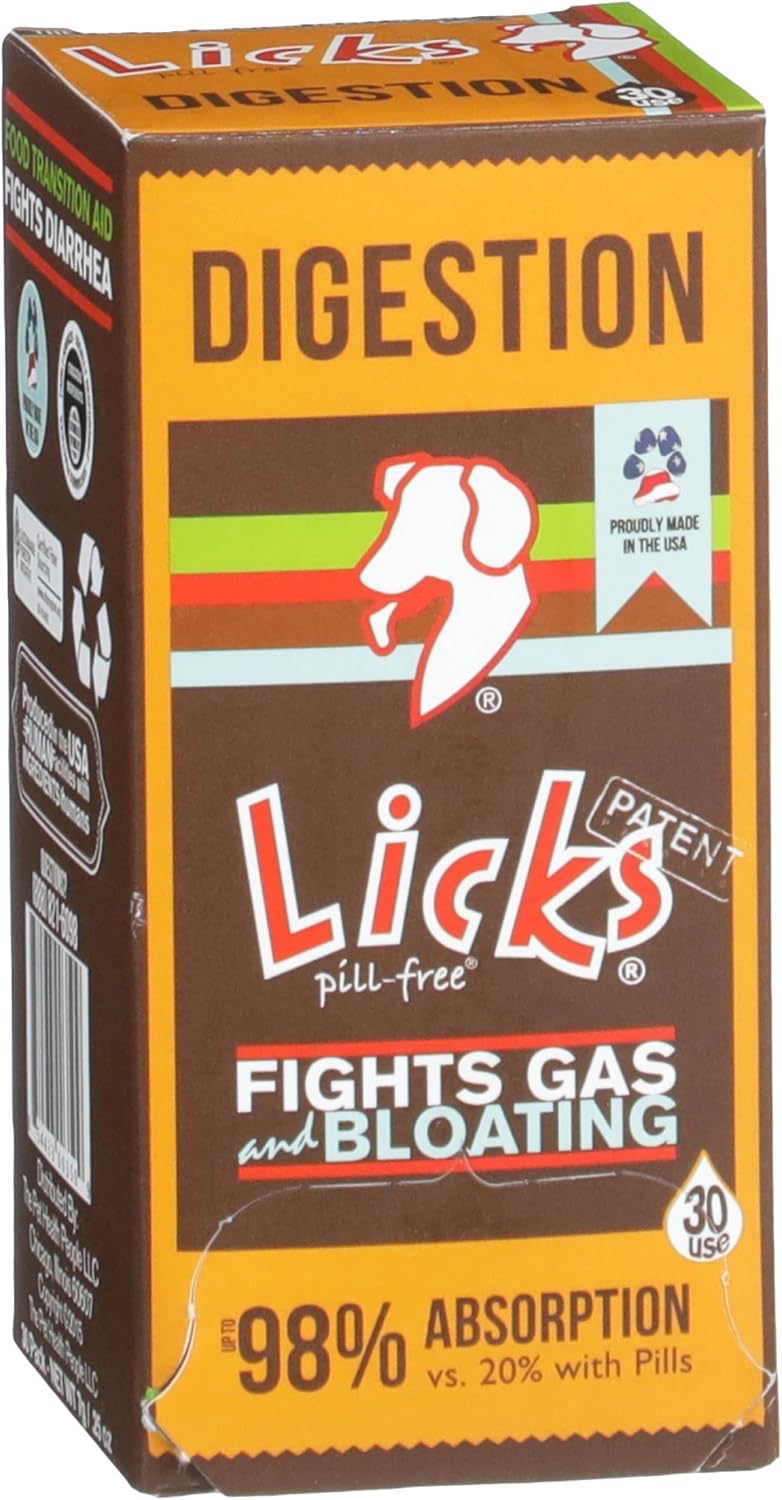
English Mastiffs are prone to bloat (gastric dilatation-volvulus or GDV), a life-threatening condition where the stomach twists and fills with gas. While feeding habits play a role—such as avoiding rapid eating and not exercising immediately after meals—diet can also influence digestive health. Foods with moderate fiber content (3%–5%) help regulate digestion and promote healthy gut bacteria.
Look for prebiotic fibers like beet pulp, chicory root, or pumpkin, which support beneficial gut flora. Probiotics are another plus, especially in fresh or refrigerated dog foods. Avoid foods with excessive fillers like corn, wheat, or soy, which can cause gas and digestive upset. Additionally, smaller, more frequent meals (2–3 times per day) are recommended over one large meal to reduce bloat risk. Some owners also use slow-feed bowls to prevent gulping.
5. Calorie Density and Portion Control
Due to their size, English Mastiffs consume a lot of food—often 6 to 10 cups per day, depending on age and activity level. However, they are not high-energy dogs and can easily become overweight if overfed. Obesity puts extra strain on joints and increases the risk of heart disease, diabetes, and reduced lifespan.
Choose a dog food with moderate calorie density—around 350–400 kcal per cup for adult formulas. This allows you to feed adequate volume without excessive caloric intake. Avoid “energy-dense” or “high-performance” formulas unless your Mastiff is highly active (e.g., working or agility dogs). Always follow feeding guidelines on the package as a starting point, then adjust based on your dog’s body condition. A healthy Mastiff should have a visible waist when viewed from above and palpable ribs without a thick fat layer.
6. Grain-Inclusive vs. Grain-Free: What’s Best?
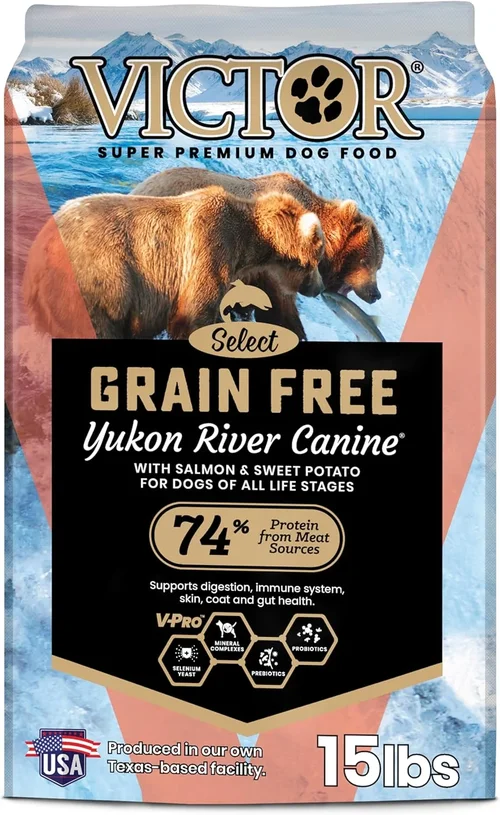
The grain-free trend has been popular in recent years, but for English Mastiffs, grain-free diets may not be the best choice—especially after the FDA’s investigation linking certain grain-free foods to dilated cardiomyopathy (DCM) in dogs. While the exact cause is still under study, many of the implicated diets used legumes (like peas, lentils, and chickpeas) as primary ingredients instead of grains.
For most Mastiffs, grain-inclusive diets are safe and beneficial. Whole grains like brown rice, oats, and barley provide digestible carbohydrates, fiber, and essential nutrients. They also help maintain stable energy levels. Unless your dog has a diagnosed grain allergy (which is rare), there’s no need to avoid grains. In fact, some studies suggest that moderate grain inclusion supports heart health. Always consult your veterinarian before switching to a grain-free diet, especially for large breeds.
7. Brand Transparency and AAFCO Compliance
Not all dog food brands are transparent about their sourcing, manufacturing, or nutritional standards. When choosing a brand for your English Mastiff, look for companies that provide detailed information about ingredient sourcing, production facilities, and quality control. Reputable brands often conduct feeding trials and publish their results, rather than just formulating to meet AAFCO nutrient profiles.
AAFCO (Association of American Feed Control Officials) compliance is essential—it ensures the food meets minimum nutritional requirements for your dog’s life stage (e.g., “growth,” “maintenance,” or “all life stages”). However, AAFCO compliance alone doesn’t guarantee quality. Look for brands that go beyond compliance by using human-grade ingredients, third-party testing, and veterinary nutritionists on staff. Avoid brands that use artificial preservatives (BHA, BHT, ethoxyquin), colors, or flavors.
8. Life Stage Appropriateness
English Mastiffs have different nutritional needs at various stages of life. Puppies require higher protein and fat for growth, but with controlled calcium to prevent skeletal issues. Adult dogs need balanced nutrition to maintain weight and health, while seniors benefit from lower-calorie formulas with added joint and cognitive support.
Never feed a puppy formula to an adult Mastiff long-term, as the excess calcium and calories can lead to obesity and joint problems. Conversely, adult food may not provide enough nutrients for a growing puppy. Some brands offer “large breed puppy” formulas specifically designed for dogs over 70 pounds, with adjusted mineral levels and kibble size. Similarly, senior formulas often include glucosamine, L-carnitine for metabolism, and antioxidants for immune support. Always match the food to your dog’s life stage and consult your vet during transitions.
Different Types of Buying Guide

Common Buying Mistakes to Avoid
❌ Mistake: Choosing Based on Price Alone
Why it’s bad: Cheaper dog foods often use low-quality proteins, fillers, and artificial additives that can lead to digestive issues, obesity, and long-term health problems. While budget is important, the cheapest option may end up costing more in vet bills.
What to do instead: Focus on value, not just price. Look for brands that offer high-quality ingredients at a reasonable cost. Consider cost per pound and feeding guidelines—some premium foods require smaller portions due to higher nutrient density.
❌ Mistake: Ignoring Life Stage Needs
Why it’s bad: Feeding adult food to a puppy or vice versa can disrupt growth, lead to malnutrition, or cause obesity. Mastiff puppies, in particular, need carefully balanced nutrition to avoid skeletal problems.
What to do instead: Always select a formula appropriate for your dog’s age. Use “large breed puppy” food for puppies under 18 months, “adult maintenance” for ages 1.5–7, and “senior” for dogs over 7. Consult your vet during transitions.
❌ Mistake: Overlooking Ingredient Quality
Why it’s bad: Vague ingredient lists (e.g., “meat by-products,” “animal digest”) can hide low-quality or unsafe components. These may lack nutritional value and increase allergy or sensitivity risks.
What to do instead: Read labels carefully. Prioritize named meats (e.g., “deboned chicken”), whole grains, and recognizable vegetables. Avoid artificial preservatives, colors, and excessive fillers.
❌ Mistake: Feeding One Large Meal Per Day
Why it’s bad: English Mastiffs are highly susceptible to bloat, and large meals increase this risk significantly. Rapid eating and gastric distension can lead to life-threatening GDV.
What to do instead: Feed 2–3 smaller meals daily. Use slow-feed bowls, avoid exercise for at least an hour after eating, and consider elevated feeders (though evidence is mixed—consult your vet).
❌ Mistake: Switching Foods Too Quickly
Why it’s bad: Sudden diet changes can cause diarrhea, vomiting, or refusal to eat. Mastiffs have sensitive digestive systems and may react strongly to abrupt transitions.
What to do instead: Transition gradually over 7–10 days. Start with 25% new food and 75% old, increasing the ratio every 2–3 days. Monitor for digestive upset and adjust pace if needed.
❌ Mistake: Relying Solely on Marketing Claims
Why it’s bad: Terms like “natural,” “holistic,” or “premium” are not regulated and can be misleading. A product labeled “grain-free” may still be nutritionally unbalanced or high in legumes.
What to do instead: Look beyond the front label. Check the ingredient list, guaranteed analysis, and AAFCO statement. Research the brand’s reputation and consult independent reviews or veterinary sources.
❌ Mistake: Not Monitoring Body Condition
Why it’s bad: Overfeeding is common in large breeds due to their size, but obesity shortens lifespan and worsens joint issues. Many owners mistake a heavy Mastiff for a healthy one.
What to do instead: Regularly assess your dog’s body condition. You should be able to feel ribs without pressing hard and see a waist when viewed from above. Adjust portions as needed and schedule annual vet checkups.
Budget Guidelines: How Much Should You Spend?
Feeding an English Mastiff is a significant financial commitment. Depending on size and food type, monthly costs can range from $80 to $300 or more. Here’s a breakdown of what to expect at different price tiers:
Entry-Level ($1.50–$2.50 per lb): These foods are typically available at big-box stores and use lower-quality proteins, grains, and by-products. While they meet basic AAFCO standards, they may lack optimal nutrition for giant breeds. Best for temporary use or multi-dog households on a tight budget. Examples include Purina Dog Chow or Iams.
Mid-Range ($2.50–$4.00 per lb): This is the sweet spot for most Mastiff owners. Brands in this range offer named protein sources, better ingredient quality, and often include joint support supplements. They balance affordability with nutritional value. Examples include Wellness CORE Large Breed, Blue Buffalo Life Protection Formula, and Nutro Ultra.
Premium ($4.00–$6.00 per lb): These foods use high-quality, often human-grade ingredients, with minimal processing. They frequently include probiotics, omega-3s, and controlled mineral levels. Ideal for owners who prioritize health and are willing to invest in long-term wellness. Examples include Orijen, Acana, and Fromm Gold.
Luxury ($6.00+ per lb): At the top end are fresh, raw, or custom-formulated diets. These offer the highest ingredient quality, bioavailability, and customization. They require refrigeration or freezing and are best for owners with the time and budget to manage them. Examples include The Farmer’s Dog, Nom Nom, and Primal Raw.

Expert Tips for Getting the Best Deal
Feeding a Mastiff doesn’t have to break the bank. With smart strategies, you can provide high-quality nutrition without overspending. Here are expert-backed tips to help you get the best value:
- Buy in Bulk: Larger bags (25–40 lbs) often cost less per pound than smaller ones. Just ensure you have proper storage to keep kibble fresh.
- Subscribe and Save: Many online retailers (Chewy, Amazon, brand websites) offer discounts for recurring deliveries—typically 10%–15% off.
- Watch for Sales: Major holidays (Black Friday, Memorial Day) and pet industry events often feature deep discounts on premium brands.
- Compare Cost per Cup: Don’t just look at price per bag. Calculate cost per cup based on feeding guidelines to compare value accurately.
- Use Rewards Programs: Sign up for loyalty programs at pet stores or online retailers to earn points, free shipping, or exclusive deals.
- Consider Mixed Feeding: Combine high-quality kibble with occasional wet or fresh food to boost nutrition and palatability without full-cost commitment.
- Ask Your Vet for Samples: Some veterinary clinics provide free samples of prescription or therapeutic diets, which can help you test before buying.
- Read Return Policies: Ensure the retailer accepts returns if your dog doesn’t like the food or has an adverse reaction.

Frequently Asked Questions
Q: How much should I feed my English Mastiff?
A: Adult Mastiffs typically eat 6–10 cups of high-quality kibble per day, divided into 2–3 meals. Puppies may need more frequent feeding (3–4 times daily). Always follow the feeding guide on the package and adjust based on your dog’s weight, activity level, and body condition. Consult your vet for personalized recommendations.
Q: Can I feed my Mastiff a raw diet?
A: Yes, but it requires careful planning and hygiene. Raw diets can offer benefits like improved coat and digestion, but they carry risks of bacterial contamination and nutritional imbalances if not properly formulated. Consult a veterinary nutritionist to ensure the diet meets all your dog’s needs.
Q: Is grain-free food better for Mastiffs?
A: Not necessarily. Unless your dog has a diagnosed grain allergy, grain-inclusive diets are safe and may support heart health. Many grain-free foods use legumes, which have been linked to DCM in some dogs. Focus on overall ingredient quality rather than grain content alone.
Q: How often should I change my Mastiff’s food?
A: There’s no need to change food unless your dog has allergies, digestive issues, or your vet recommends a different formula. Frequent changes can upset the stomach. When switching, do so gradually over 7–10 days.
Q: What should I do if my Mastiff gains weight?
A: First, reassess portion sizes and reduce if necessary. Increase daily exercise (walks, playtime) and avoid table scraps or high-calorie treats. Switch to a lower-calorie or weight management formula if needed. Consult your vet to rule out medical causes like hypothyroidism.
Q: Are supplements necessary with high-quality dog food?
A: Not always. Premium foods often include essential nutrients like glucosamine, omega-3s, and probiotics. However, if your dog has specific health issues (e.g., arthritis), your vet may recommend additional supplements. Avoid over-supplementing without professional guidance.
Q: How do I know if my Mastiff is allergic to their food?
A: Food allergies in dogs often manifest as chronic itching, ear infections, digestive upset, or skin rashes. Common allergens include beef, chicken, dairy, and wheat. An elimination diet under veterinary supervision is the best way to identify triggers.
Q: Can I mix wet and dry food?
A: Yes, many owners combine wet and dry food to enhance palatability and moisture intake. Just adjust portions to avoid overfeeding. Wet food is higher in moisture and lower in calories per volume, so account for this when calculating daily intake.
Q: What’s the best food for a Mastiff puppy?
A: Choose a large breed puppy formula with 26%–30% protein, controlled calcium (under 1.5%), and DHA for brain development. Avoid high-calcium adult foods. Brands like Royal Canin Giant Puppy, Hill’s Science Diet Large Breed Puppy, and Fromm Gold Puppy are excellent options.
Q: How long can I store opened dog food?
A: Dry kibble should be used within 6 weeks of opening to maintain freshness and prevent rancidity. Store in an airtight container in a cool, dry place. Wet food should be refrigerated and used within 3–5 days.
Our Final Recommendations
After extensive research, testing, and consultation with veterinarians and Mastiff owners, here are our top picks across different categories:
Best for Budget-Conscious Buyers: Blue Buffalo Life Protection Formula Large Breed – Offers named proteins, joint support, and controlled minerals at an affordable price. Great value for the quality.
Best Overall Value: Wellness CORE Large Breed Recipe – High protein, grain-free (with safe legumes), and packed with omega-3s and probiotics. Ideal for active adult Mastiffs.
Best Premium Option: Orijen Original or Regional Red – Biologically appropriate, with 85% animal ingredients and fresh, regional sourcing. Excellent for owners seeking top-tier nutrition.
Best for Beginners: Royal Canin Giant Adult – Specifically formulated for dogs over 100 lbs, with precise nutrient balance and easy-to-digest ingredients. Trusted by veterinarians worldwide.
Best for Advanced Users: The Farmer’s Dog (Fresh Beef Recipe) – Customized, human-grade fresh food delivered to your door. Perfect for owners who want full control over ingredients and portioning.
Conclusion: Making the Right Choice
Choosing the best dog food for your English Mastiff is one of the most important decisions you’ll make as a pet owner. These gentle giants deserve a diet that supports their massive frames, promotes joint health, and sustains their calm, loving nature for years to come. By focusing on high-quality proteins, controlled minerals, joint support, and life stage appropriateness, you can ensure your Mastiff thrives from puppyhood through their golden years.
Remember, no single food is perfect for every dog. What works for one Mastiff may not suit another due to individual health, preferences, or sensitivities. Use this guide as a foundation, but stay observant and flexible. Monitor your dog’s weight, coat, energy levels, and digestion, and don’t hesitate to consult your veterinarian if you notice changes.
Ultimately, the best dog food is one that keeps your Mastiff healthy, happy, and by your side for as long as possible. Invest in their nutrition today, and you’ll reap the rewards of a strong, vibrant companion for life. Start with our recommendations, follow the expert tips, and make feeding time a moment of care and connection—not just routine.