
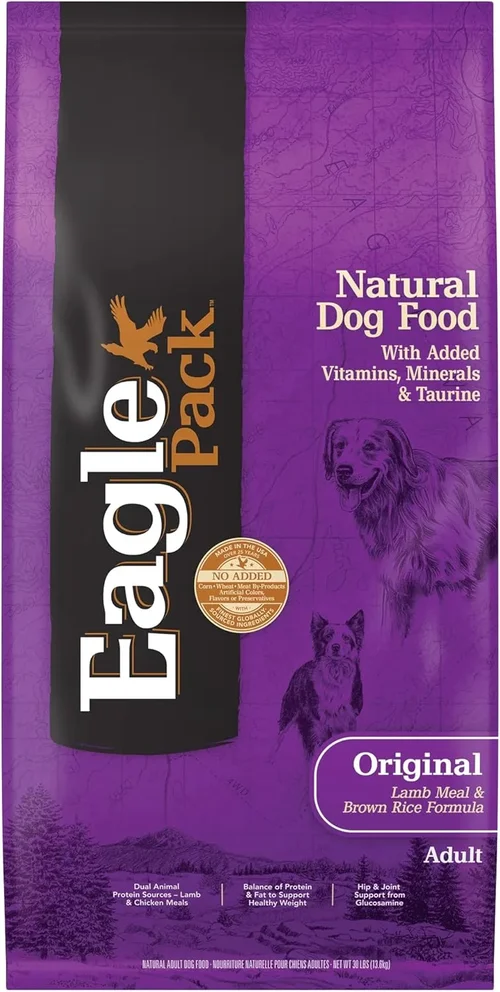
Choosing the right dog food for your Labrador Retriever isn’t just about picking a bag off the shelf—it’s about making a long-term investment in your dog’s health, happiness, and longevity. Labs are one of the most beloved dog breeds in the world, known for their boundless energy, friendly personalities, and strong work ethic. But they’re also prone to specific health challenges like obesity, joint issues (especially hip and elbow dysplasia), skin sensitivities, and food allergies. That means their diet plays a crucial role in managing weight, supporting joint function, maintaining a healthy coat, and preventing chronic diseases.
With hundreds of dog food brands flooding the market—from budget-friendly kibble to premium raw and grain-free formulas—it’s easy to feel overwhelmed. Marketing claims like “natural,” “holistic,” or “vet-recommended” can be misleading, and what works for one Lab might not suit another. This comprehensive buying guide cuts through the noise to help you make an informed, science-backed decision. Whether you’re a first-time Lab owner or a seasoned dog parent looking to upgrade your pup’s nutrition, you’ll learn exactly what to look for, what to avoid, and how to match your dog’s unique needs with the best possible food.
We’ll explore everything from ingredient quality and nutritional balance to life-stage considerations, budget realities, and brand transparency. You’ll discover why not all proteins are created equal, how to decode pet food labels like a pro, and which red flags signal low-quality formulations. By the end of this guide, you’ll have the confidence to choose a dog food that supports your Lab’s active lifestyle, promotes optimal health, and fits within your household budget—because your furry best friend deserves nothing less.
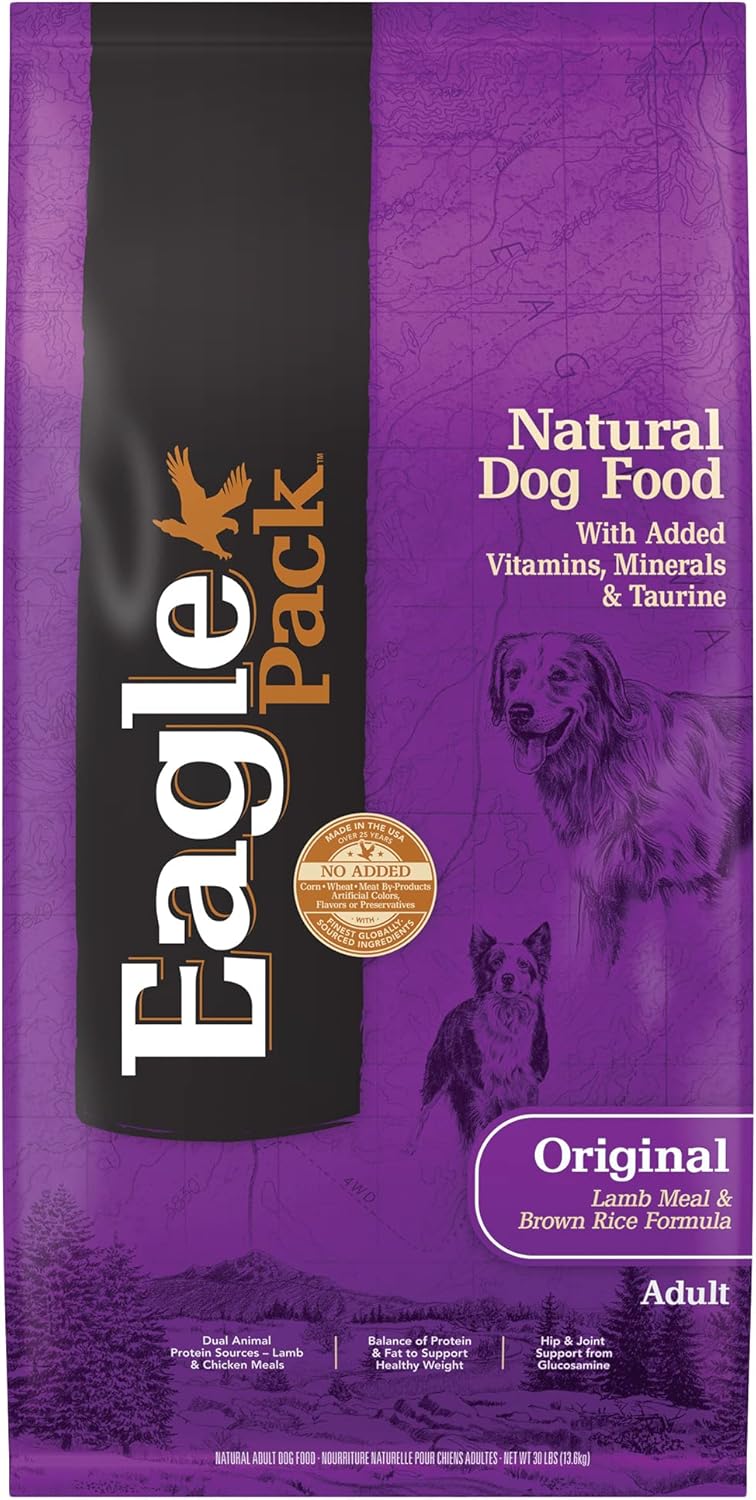
What to Look for When Buying Dog Food for Labs
1. High-Quality Animal Protein as the First Ingredient
Labradors are active, muscular dogs with high energy demands, which means they need a diet rich in high-quality animal protein. Look for named meat sources—such as chicken, deboned salmon, or turkey meal—listed as the very first ingredient on the label. Avoid vague terms like “meat meal” or “animal by-products,” which can include low-quality or inconsistent protein sources. The Association of American Feed Control Officials (AAFCO) recommends that adult dog foods contain at least 18% protein, but for active Labs, especially those under two years old or working dogs, aim for 22–30% protein content.
Protein isn’t just about muscle maintenance—it supports immune function, hormone production, and healthy skin and coat. Labs with sensitive stomachs may benefit from novel proteins like duck or lamb, especially if they’ve shown signs of food intolerance. Always check that the protein source is clearly identified and not diluted with fillers like corn gluten meal or soybean meal, which offer less biological value.
2. Healthy Fats for Energy and Coat Health
Fat is a concentrated energy source for Labs, who burn calories quickly during play, training, or outdoor activities. However, too much fat can contribute to obesity—a common issue in the breed. The ideal dog food for Labs contains moderate levels of healthy fats, typically between 10–15% for adults. Look for named fat sources like chicken fat, salmon oil, or flaxseed oil, which provide essential fatty acids such as omega-3 and omega-6.
Omega-3 fatty acids (especially EPA and DHA from fish oil) are particularly beneficial for Labs, helping reduce inflammation, support brain development in puppies, and maintain a shiny, healthy coat. Avoid foods that list generic “animal fat” or excessive plant-based oils like corn or soybean oil, which may not offer the same nutritional benefits. A balanced omega-3 to omega-6 ratio (ideally between 5:1 and 10:1) is key to preventing skin irritation and allergies.
3. Controlled Calorie Content to Prevent Obesity
Obesity is one of the most prevalent health issues in Labrador Retrievers, with studies showing that up to 60% of Labs are overweight or obese. This excess weight puts immense strain on their joints, increases the risk of diabetes, and shortens lifespan. Therefore, calorie control is non-negotiable when selecting dog food for your Lab.
Check the guaranteed analysis on the packaging for calorie content, usually listed as kilocalories per kilogram (kcal/kg) or per cup. Most adult Labs require between 1,200 and 1,800 calories per day, depending on age, size, and activity level. Puppies and highly active dogs may need more, while senior or sedentary Labs need fewer. Choose a formula with moderate calorie density—around 350–400 kcal per cup—to help maintain a healthy weight without overfeeding.
Some premium brands offer “weight management” or “light” formulas specifically designed for Labs, featuring higher fiber content to promote satiety and lower fat levels. These can be excellent choices for dogs prone to weight gain, but always consult your vet before switching to a reduced-calorie diet.
4. Joint Support Ingredients (Glucosamine, Chondroitin, and MSM)
Labradors are genetically predisposed to hip and elbow dysplasia, arthritis, and other joint problems. Feeding a diet that includes joint-supporting supplements can make a significant difference in your dog’s mobility and comfort, especially as they age. Look for foods that include glucosamine, chondroitin sulfate, and MSM (methylsulfonylmethane)—compounds known to support cartilage health and reduce inflammation.
These ingredients are often found in premium or therapeutic diets, but some mainstream brands now include them in their standard formulas. For example, foods with added green-lipped mussel extract or turmeric can also provide natural anti-inflammatory benefits. If your Lab is already showing signs of stiffness or limping, a vet may recommend a prescription joint diet, but for preventive care, a high-quality commercial food with joint support is a smart choice.
5. Digestive Health and Probiotics
Labs are known for their enthusiastic eating habits—sometimes too enthusiastic. This can lead to digestive upset, gas, or irregular bowel movements. A diet that supports gut health is essential for nutrient absorption and overall well-being. Look for dog foods that include prebiotics (like fructooligosaccharides or FOS) and probiotics (such as Lactobacillus or Bifidobacterium strains), which help maintain a balanced gut microbiome.
High-fiber ingredients like pumpkin, sweet potato, or beet pulp can also aid digestion and promote regular stools. Avoid foods with excessive fillers like corn, wheat, or soy, which are harder to digest and may trigger sensitivities in some Labs. If your dog has a history of diarrhea or vomiting, consider a limited-ingredient diet or one specifically formulated for sensitive stomachs.
6. Life Stage and Activity Level Appropriateness
Not all dog foods are created equal when it comes to life stage. Puppies, adults, and seniors have vastly different nutritional needs. Labrador puppies, for instance, grow rapidly and require higher levels of protein, fat, and calories—but overfeeding can lead to skeletal problems. Choose a puppy formula labeled for “large breed puppies” to ensure controlled calcium and phosphorus levels that support healthy bone development.
Adult Labs (1–7 years) benefit from balanced maintenance diets that support energy, weight, and joint health. Senior Labs (7+) often need fewer calories, more fiber, and added joint and cognitive support. Highly active or working Labs may thrive on performance formulas with higher protein and fat, while couch-potato Labs do better with weight-control options. Always match the food to your dog’s current life stage and lifestyle.
7. Ingredient Transparency and Brand Reputation
Not all dog food brands are transparent about where their ingredients come from or how their food is made. Reputable companies provide detailed sourcing information, conduct feeding trials, and publish nutritional adequacy statements based on AAFCO standards. Look for brands that are members of the Pet Food Institute or have undergone third-party testing for safety and quality.
Avoid brands that use excessive artificial preservatives (like BHA, BHT, or ethoxyquin), colors, or flavors. Instead, opt for those using natural preservatives like mixed tocopherols (vitamin E) or rosemary extract. Brands like Orijen, Acana, The Honest Kitchen, and Wellness are known for their transparency and high standards. Reading customer reviews and checking for recalls can also give you insight into a brand’s reliability.
8. Price vs. Value: Understanding Cost Per Day
While it’s tempting to go for the cheapest option, dog food is one area where “you get what you pay for” often rings true. Low-cost brands may use fillers, by-products, and low-quality proteins that can lead to health issues down the line—costing you more in vet bills. Instead of focusing solely on upfront price, calculate the cost per day based on your dog’s feeding requirements.
For example, a $50 bag of premium kibble that lasts two months may actually be more economical than a $30 bag that lasts only three weeks and causes digestive issues. Consider the long-term value: better digestion, fewer allergies, healthier coat, and reduced risk of chronic disease. That said, there are excellent mid-range options that balance quality and affordability—more on that in the budget section.
Different Types of Dog Food for Labs
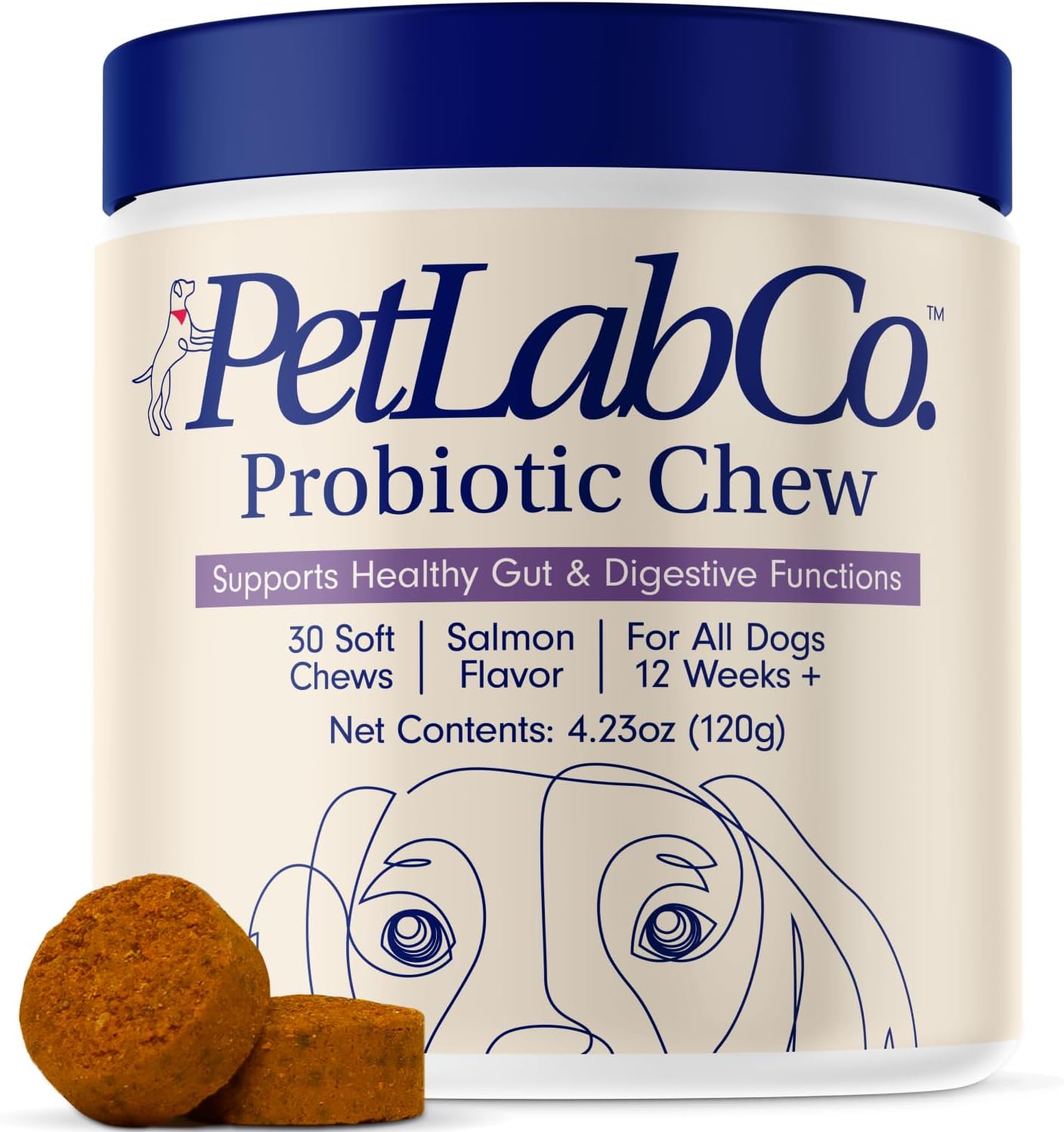
Common Buying Mistakes to Avoid
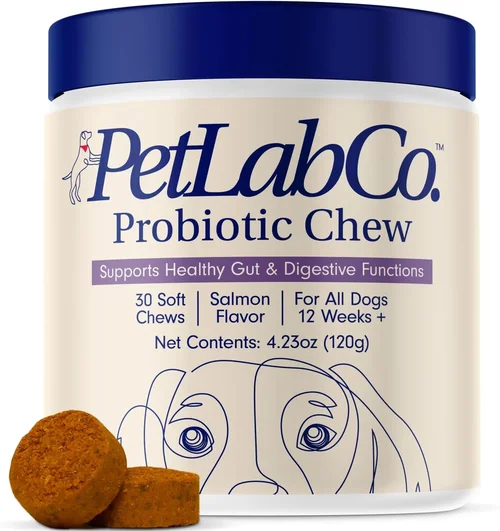
❌ Mistake: Choosing Based Solely on Price
Why it’s bad: Cheap dog food often contains fillers, by-products, and low-quality proteins that can lead to malnutrition, obesity, and chronic health issues. Over time, the cost of vet bills can far exceed the savings from buying inexpensive food.
What to do instead: Focus on value, not just price. Calculate cost per day and prioritize brands with high-quality ingredients, even if they cost more upfront. Look for sales, subscribe-and-save options, or buy in bulk to reduce long-term expenses.
❌ Mistake: Ignoring Life Stage Needs
Why it’s bad: Feeding a puppy formula to a senior Lab—or vice versa—can disrupt nutrient balance. Puppies need more calcium for bone growth, while seniors need fewer calories and more joint support.
What to do instead: Always select a food labeled for your dog’s life stage: puppy, adult, or senior. If your Lab is a large breed puppy, choose a formula specifically designed for large breeds to prevent rapid growth.
❌ Mistake: Overlooking Ingredient Quality
Why it’s bad: Ingredients like “corn gluten meal,” “meat by-products,” or “animal digest” are low-value fillers that offer little nutritional benefit and may trigger allergies.
What to do instead: Read the ingredient list carefully. The first three ingredients should be high-quality animal proteins. Avoid artificial preservatives, colors, and unnamed meat sources.
❌ Mistake: Feeding Too Much or Too Little
Why it’s bad: Overfeeding leads to obesity, while underfeeding can cause lethargy and nutrient deficiencies. Labs are prone to overeating, so portion control is critical.
What to do instead: Follow the feeding guidelines on the package as a starting point, then adjust based on your dog’s weight, activity level, and body condition. Use a measuring cup—never guess.
❌ Mistake: Switching Foods Too Quickly
Why it’s bad: Sudden diet changes can cause diarrhea, vomiting, or refusal to eat. Labs with sensitive stomachs are especially vulnerable.
What to do instead: Transition gradually over 7–10 days, mixing increasing amounts of the new food with the old. Monitor your dog’s stool and energy levels during the switch.
❌ Mistake: Believing Marketing Hype
Why it’s bad: Terms like “natural,” “grain-free,” or “holistic” are not regulated and can be misleading. Grain-free diets, for example, have been linked to heart issues in some dogs.
What to do instead: Focus on scientific evidence and ingredient quality, not buzzwords. Consult your vet or a veterinary nutritionist if you’re unsure.
❌ Mistake: Not Monitoring Your Dog’s Response
Why it’s bad: Even the best food may not suit every dog. Signs of intolerance include itching, ear infections, gas, or changes in stool.
What to do instead: Keep a food diary and note any changes in behavior, coat condition, or digestion. If issues persist, consider an elimination diet or consult your vet.
Budget Guidelines: How Much Should You Spend?
When it comes to feeding your Labrador, budget plays a significant role—but it shouldn’t be the only factor. Here’s a breakdown of what you can expect at different price points, and how to get the best value for your money.
Entry-Level ($20–$40 per 30-lb bag): These foods are widely available at big-box stores and supermarkets. While convenient, they often contain fillers like corn, wheat, and soy, and may use unnamed meat meals or by-products. Protein levels are typically lower, and fat sources may be less digestible. Suitable for very budget-conscious owners, but not ideal for long-term health. Look for brands like Iams or Purina ONE if you must choose this tier—avoid generic store brands.
Mid-Range ($40–$70 per 30-lb bag): This is the sweet spot for most Lab owners. These foods offer higher-quality proteins, better fat sources, and fewer fillers. Brands like Blue Buffalo Life Protection, Wellness Complete Health, and Taste of the Wild fall into this category. They often include probiotics, joint support, and natural preservatives. You’ll get good nutritional value without breaking the bank.
Premium ($70–$120 per 30-lb bag): These diets use human-grade ingredients, novel proteins, and minimal processing. Brands like Orijen, Acana, and The Honest Kitchen offer biologically appropriate nutrition with high meat content and no grains or artificial additives. Ideal for Labs with allergies, high activity levels, or owners who prioritize ingredient quality. The cost per day is higher, but the health benefits can justify the expense.
Luxury ($120+ per bag or $5–$10 per day for fresh/raw): At the top end are fresh, raw, or custom-formulated diets. Companies like Nom Nom, Ollie, and We Feed Raw deliver pre-portioned, human-grade meals tailored to your dog’s needs. These are excellent for dogs with complex health issues or picky eaters, but they require refrigeration and have a shorter shelf life. Best for owners willing to invest heavily in their dog’s nutrition.

Expert Tips for Getting the Best Deal
- Buy in bulk when possible: Larger bags often cost less per pound. If you have storage space, purchasing a 40-lb bag instead of two 20-lb bags can save you 10–20%.
- Watch for seasonal sales: Major retailers like Chewy, Petco, and Amazon often run promotions during holidays (Black Friday, Memorial Day) or back-to-school season. Stock up during these times.
- Use subscription services: Auto-ship programs from Chewy, PetFlow, or brand websites offer discounts and ensure you never run out.
- Check for rebates and coupons: Manufacturers frequently offer mail-in rebates or digital coupons through apps like Fetch by Kroger or Ibotta.
- Compare cost per cup, not per bag: A more expensive bag may last longer if your dog eats less per day. Always calculate daily cost.
- Ask your vet for samples: Many vets keep sample packs of prescription or therapeutic diets. This lets you test a new food before committing.
- Read return policies: Some retailers allow returns on unopened bags if your dog doesn’t like the food. This reduces risk when trying a new brand.
- Consider mixing foods: Combine a high-quality kibble with a small amount of wet or fresh food to boost palatability without doubling your budget.
Frequently Asked Questions
Q: Is grain-free dog food better for Labs?
A: Not necessarily. While some Labs have grain allergies, most do not. Grain-free diets have been linked to dilated cardiomyopathy (DCM) in dogs, especially when they rely heavily on legumes like peas or lentils. Unless your vet recommends it, a balanced diet with whole grains like brown rice or oats is perfectly safe and often more affordable.
Q: How often should I feed my Labrador?
A: Adult Labs should be fed twice daily—once in the morning and once in the evening. Puppies under six months may need three to four meals. Free-feeding (leaving food out all day) can lead to overeating and obesity.
Q: Can I make homemade dog food for my Lab?
A: Yes, but it’s challenging to get the nutrition right. Homemade diets require careful balancing of protein, fat, calcium, and vitamins. Consult a veterinary nutritionist to formulate a complete recipe. Otherwise, you risk deficiencies or excesses.
Q: My Lab is overweight. What should I feed him?
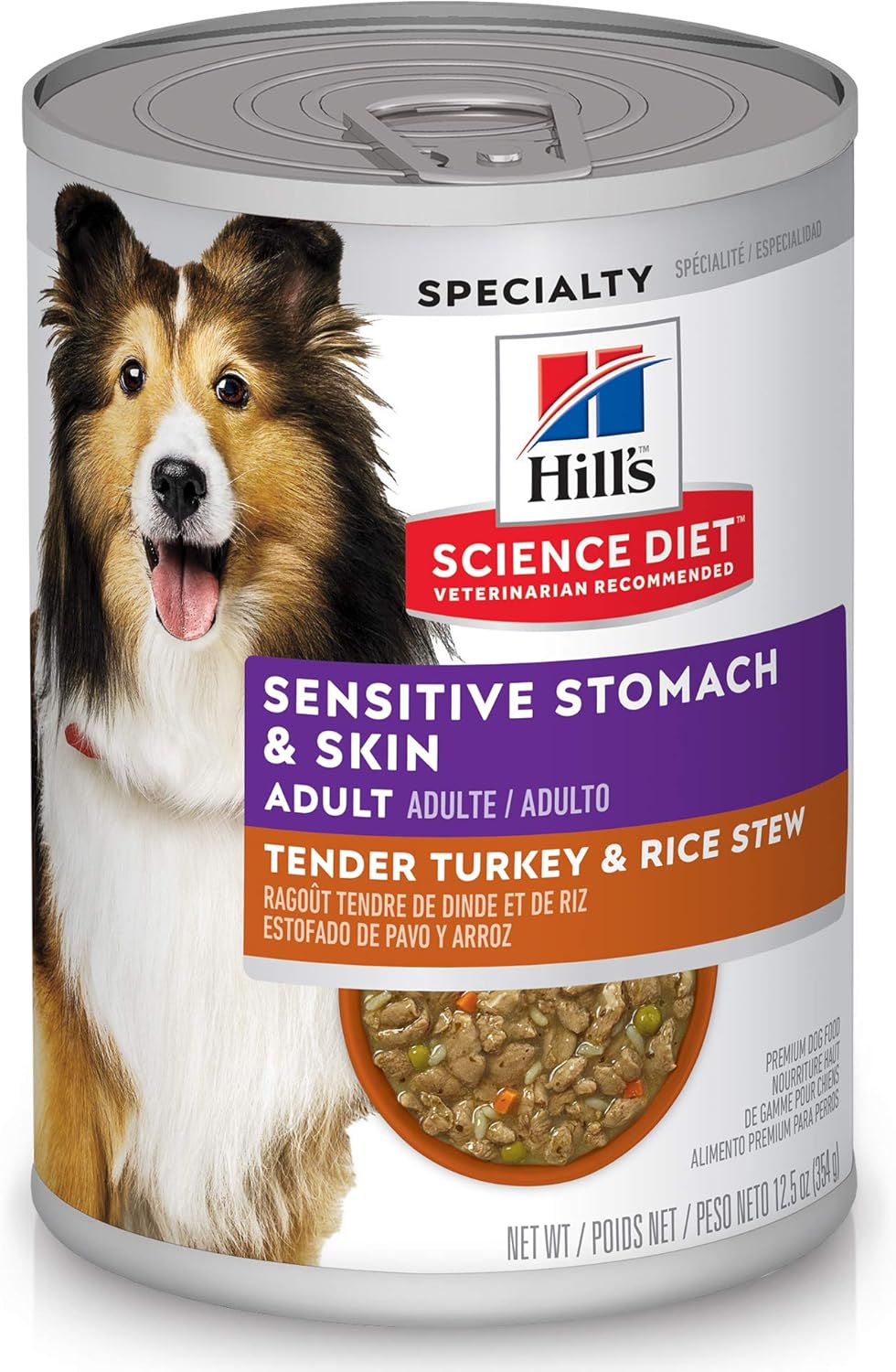
A: Choose a weight management formula with high protein, moderate fat, and added fiber. Increase exercise gradually and measure portions strictly. Avoid treats with more than 10% of daily calories. Your vet may recommend a prescription diet like Hill’s Science Diet Perfect Weight.
Q: How do I know if my dog food is working?
A: Look for consistent energy levels, healthy coat and skin, firm stools, and stable weight. If your Lab is itchy, gassy, or lethargic, the food may not be suitable.
Q: Are raw diets safe for Labs?
A: Raw diets can be nutritious but carry risks of bacterial contamination (like Salmonella) and nutritional imbalances. If you choose raw, use reputable suppliers, practice strict hygiene, and consult your vet.
Q: Should I rotate dog food brands?
A: Some owners rotate proteins to provide variety and reduce allergy risk. However, frequent changes can upset your dog’s stomach. If rotating, do so gradually and stick to similar formulations.
Q: What’s the best dog food for a senior Lab?
A: Look for senior formulas with lower calories, added glucosamine, and joint support. Brands like Royal Canin Labrador Retriever Senior or Blue Buffalo Senior Health are excellent choices.
Q: Can puppies eat adult dog food?
A: No. Puppies need more calories, protein, and calcium for growth. Adult food lacks the necessary nutrients and can stunt development.
Q: How long can I store opened dog food?
A: Dry kibble should be used within 6 weeks of opening. Store in an airtight container in a cool, dry place. Wet food must be refrigerated and used within 3–5 days.
Our Final Recommendations
Best for Budget-Conscious Buyers: Blue Buffalo Life Protection Formula – Offers high-quality protein, real meat as the first ingredient, and added vitamins at a mid-range price. Great for everyday feeding without sacrificing nutrition.
Best Overall Value: Taste of the Wild High Prairie – Features roasted bison and venison, probiotics, and omega fatty acids. Priced affordably with premium ingredients, it’s a favorite among Lab owners.
Best Premium Option: Orijen Original – Packed with 85% animal ingredients, including fresh meat, organs, and cartilage. Ideal for active Labs or those with sensitivities. Expensive but unmatched in quality.
Best for Beginners: Wellness Complete Health Adult Deboned Chicken & Oatmeal – Easy to digest, well-balanced, and widely available. A safe, reliable choice for new dog owners.
Best for Advanced Users: The Honest Kitchen Human-Grade Dehydrated Dog Food – Made with whole foods, no fillers, and gently dehydrated to retain nutrients. Perfect for owners who want transparency and control over ingredients.
Conclusion: Making the Right Choice
Choosing the best dog food for your Labrador Retriever is one of the most important decisions you’ll make as a pet parent. It affects everything from their energy levels and coat shine to their long-term health and lifespan. By focusing on high-quality protein, healthy fats, joint support, and ingredient transparency, you can avoid common pitfalls and select a diet that truly meets your dog’s needs.
Remember, there’s no one-size-fits-all solution. Your Lab’s age, activity level, health status, and personal preferences all play a role. Don’t be swayed by flashy packaging or trendy buzzwords—look beyond the marketing and dig into the ingredient list and nutritional profile. When in doubt, consult your veterinarian or a certified pet nutritionist.
Investing in the right food now can save you thousands in vet bills later and give your Lab the vibrant, active life they deserve. Whether you choose a budget-friendly kibble or a premium fresh diet, the key is consistency, quality, and love. Your loyal companion will thank you with wagging tails, wet kisses, and years of joyful companionship.