
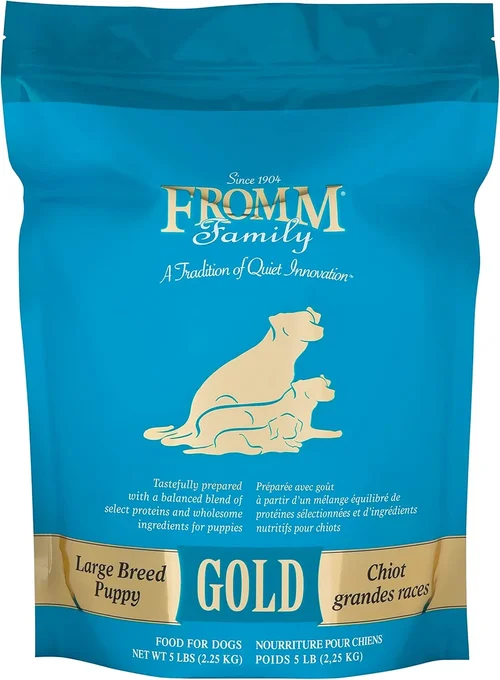
Feeding your large breed puppy isn’t just about filling their bowl—it’s about laying the foundation for a long, healthy, and active life. Large breed puppies, such as German Shepherds, Golden Retrievers, Labradors, and Great Danes, grow at an astonishing rate during their first year. While this rapid growth is exciting, it also comes with unique nutritional demands and potential health risks if not managed properly. Choosing the right dog food can mean the difference between a thriving, agile adult dog and one plagued by joint issues, obesity, or developmental disorders like hip dysplasia. That’s why this comprehensive buying guide exists: to help you make an informed, confident decision when selecting the best large breed puppy food in 2026.
In this guide, you’ll learn exactly what to look for in high-quality puppy food tailored specifically for large breeds. We’ll break down the essential nutritional components, explain how to interpret ingredient labels, compare different types of diets (kibble, wet, raw, and fresh), and highlight common pitfalls to avoid. Whether you’re a first-time dog owner or a seasoned pet parent upgrading your pup’s diet, this guide will equip you with expert-level knowledge to choose a food that supports optimal growth, strong bones, healthy joints, and vibrant energy levels. The market is flooded with options—some excellent, others misleading—so we’ll cut through the noise with science-backed insights and real-world advice.
The large breed puppy food segment has evolved significantly in recent years. Brands now emphasize controlled calcium and phosphorus levels, balanced omega fatty acids, and precise calorie density to prevent excessive growth rates. Meanwhile, innovations in fresh food delivery, grain-free formulations, and limited-ingredient diets have expanded choices—but also increased confusion. With veterinary nutritionists increasingly involved in product development, today’s top-tier puppy foods are more scientifically formulated than ever. However, not all claims on packaging hold up under scrutiny. This guide will help you separate marketing hype from genuine quality, ensuring your puppy gets the nutrition they need without overspending or compromising on safety.

What to Look for When Buying Large Breed Puppy Food
1. Controlled Calcium and Phosphorus Levels
Large breed puppies are especially vulnerable to skeletal problems if their diet contains too much calcium or unbalanced mineral ratios. Excess calcium can accelerate bone growth, leading to abnormal cartilage development and conditions like osteochondrosis or hip dysplasia. The ideal calcium level for large breed puppy food should be between 1.0% and 1.8% on a dry matter basis, with a calcium-to-phosphorus ratio of approximately 1.2:1 to 1.4:1. Look for foods that explicitly state “formulated for large breed puppies” on the label—this indicates the manufacturer has adjusted mineral content accordingly. Avoid generic “puppy” formulas, which often contain higher calcium levels suited for small breeds that grow faster but reach maturity sooner.
2. Moderate Protein Content (22–26%)
While protein is essential for muscle development, large breed puppies don’t need excessively high levels like their smaller counterparts. Diets with protein above 28% may contribute to overly rapid growth, increasing stress on developing joints. Aim for a moderate protein range of 22% to 26%, sourced from high-quality animal proteins such as chicken, turkey, lamb, or fish. Check the ingredient list: the first ingredient should be a named meat (e.g., “deboned chicken”) rather than a by-product or meal unless it’s specified as “chicken meal” (which is concentrated protein). Avoid vague terms like “meat meal” or “animal digest.”
3. Balanced Fat and Calorie Density
Fat provides concentrated energy, but large breed puppies are prone to weight gain if overfed or given calorie-dense foods. Excess weight puts additional strain on developing bones and joints. Ideal fat content should range from 8% to 12%, with calories around 350–400 kcal per cup for kibble. Look for sources like chicken fat, salmon oil, or flaxseed, which also deliver essential fatty acids. Avoid foods listing generic “animal fat” or excessive plant oils high in omega-6, which can promote inflammation if not balanced with omega-3s.
4. DHA for Brain and Vision Development
Docosahexaenoic acid (DHA) is an omega-3 fatty acid crucial for cognitive and retinal development in puppies. Large breed puppies benefit significantly from DHA-rich diets, as it supports learning, trainability, and long-term neurological health. Reputable brands often include DHA from sources like fish oil, algae, or egg yolks. The Association of American Feed Control Officials (AAFCO) doesn’t require DHA disclosure, so check the ingredient list or brand website for confirmation. Puppies fed DHA-enriched diets typically show improved problem-solving skills and better social behavior.
5. Glucosamine and Chondroitin for Joint Support
Although not always listed on the front label, glucosamine and chondroitin are valuable supplements for large breed puppies. These compounds support cartilage formation and may reduce the risk of degenerative joint diseases later in life. While not a substitute for proper nutrition, their inclusion—especially in premium formulas—can provide added protection. Look for foods that include these ingredients or consider a vet-approved supplement if your chosen food lacks them. Note: These are more common in fresh or freeze-dried diets than standard kibble.
6. Digestibility and Gut Health
A puppy’s digestive system is still maturing, so highly digestible ingredients reduce the risk of gastrointestinal upset, gas, or loose stools. Look for foods with prebiotic fibers (like beet pulp or chicory root), probiotics, and highly bioavailable proteins. Avoid fillers like corn, soy, and wheat, which are less digestible and may trigger allergies. High digestibility means more nutrients are absorbed and less waste is produced—a practical benefit for both your puppy and your cleanup routine.
7. AAFCO Compliance and Feeding Trials
Always verify that the food meets AAFCO nutrient profiles for “growth” or “all life stages” and is specifically formulated for large breed puppies. Even better, choose brands that conduct feeding trials rather than just formulating to meet nutrient standards on paper. Feeding trials involve real puppies eating the food under controlled conditions, providing stronger evidence of safety and efficacy. Look for statements like “formulated to meet AAFCO standards” or “animal feeding tests substantiate…” on the packaging.
8. Brand Transparency and Sourcing Practices
Reputable brands disclose ingredient sourcing, manufacturing locations, and quality control measures. Avoid companies that use vague language or refuse to share information about where their ingredients come from. Transparency builds trust—especially important when it comes to meat sourcing, preservatives (prefer natural options like mixed tocopherols over BHA/BHT), and testing for contaminants like mycotoxins or heavy metals. Brands that publish third-party audit results or veterinary nutritionist credentials demonstrate a commitment to safety.
Different Types of Large Breed Puppy Food

Common Buying Mistakes to Avoid
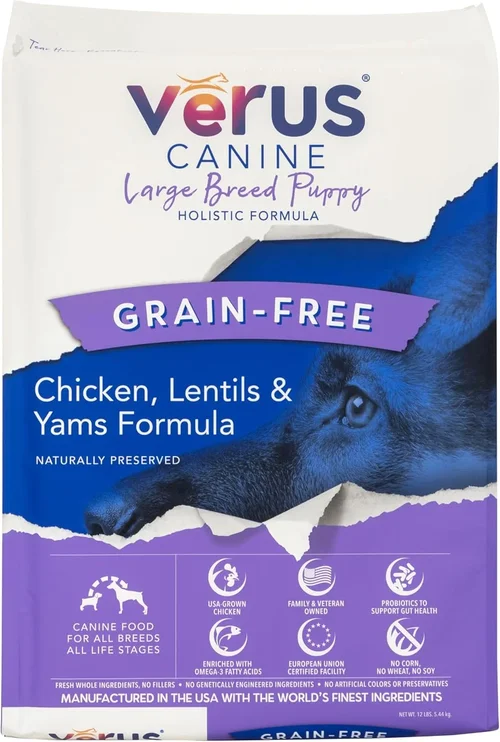
❌ Mistake: Choosing Generic “Puppy” Food Without Large Breed Specification
Why it’s bad: Most standard puppy foods are formulated for small and medium breeds, which have different growth rates and nutritional needs. These formulas often contain excessive calcium and calories, increasing the risk of skeletal abnormalities in large breed puppies.
What to do instead: Always select a food labeled “for large breed puppies” or “large breed growth formula.” Verify the calcium content and AAFCO statement to ensure it meets the specific requirements for large breeds.
❌ Mistake: Overfeeding Due to High Calorie Density
Why it’s bad: Large breed puppies can easily become overweight if fed too much or given calorie-dense food. Obesity during growth exacerbates joint stress and increases the likelihood of lifelong mobility issues.
What to do instead: Follow the feeding guidelines on the package based on your puppy’s current weight and projected adult size. Use a measuring cup—not a scoop—and adjust portions based on body condition, not appetite. Consult your vet if unsure.
❌ Mistake: Prioritizing “Grain-Free” Without Medical Need
Why it’s bad: Grain-free diets have been linked to dilated cardiomyopathy (DCM) in dogs, especially when they rely heavily on legumes like peas or lentils as primary ingredients. Most dogs don’t need grain-free food unless they have a diagnosed allergy.
What to do instead: Choose grain-inclusive formulas unless your veterinarian recommends otherwise. Whole grains like brown rice, oats, or barley provide fiber and energy without the DCM risk associated with certain grain-free formulations.
❌ Mistake: Ignoring Ingredient Quality for Marketing Claims
Why it’s bad: Flashy terms like “natural,” “premium,” or “holistic” aren’t regulated and don’t guarantee nutritional value. Some brands use these labels while including low-quality fillers or unnamed meat sources.
What to do instead: Focus on the ingredient list, not the front-of-pack buzzwords. The first three ingredients should be high-quality animal proteins. Avoid foods with artificial colors, flavors, or preservatives like BHA, BHT, or ethoxyquin.
❌ Mistake: Switching Foods Too Frequently
Why it’s bad: Frequent diet changes can upset your puppy’s digestive system, leading to diarrhea, vomiting, or food sensitivities. It also makes it hard to identify which food works best for your dog.
What to do instead: Stick with one high-quality food for at least 4–6 weeks before evaluating its effectiveness. If a switch is necessary, transition gradually over 7–10 days by mixing increasing amounts of the new food with the old.
❌ Mistake: Neglecting Water Intake with Dry Food
Why it’s bad: Kibble contains only 10% moisture, so puppies fed exclusively dry food may become dehydrated, especially in warm climates or during active play. Dehydration can lead to urinary tract issues and reduced energy.
What to do instead: Always provide fresh, clean water and consider adding warm water or low-sodium broth to kibble to increase moisture intake. Alternatively, mix in wet food a few times a week.
❌ Mistake: Buying Based Solely on Price
Why it’s bad: While budget matters, the cheapest option often uses inferior ingredients that compromise long-term health. Conversely, the most expensive food isn’t always the best—some brands charge a premium for packaging, not nutrition.
What to do instead: Evaluate cost per pound and cost per feeding, not just the bag price. Invest in mid-to-premium tier foods that balance quality and affordability. Remember: treating diet-related health issues later is far more expensive than feeding well now.
Budget Guidelines: How Much Should You Spend?
Entry-Level ($1.00–$1.75/lb):
At this price point, expect basic kibble with moderate protein (around 22–24%) and minimal added supplements. Brands like Purina ONE Large Breed Puppy or Iams ProActive Health Large Breed offer AAFCO-compliant formulas at an accessible price. While these meet minimum nutritional standards, they may include corn, soy, or meat by-products. Suitable for owners on tight budgets, but monitor your puppy’s growth and stool quality closely. Avoid ultra-cheap store brands that lack transparency.
Mid-Range ($1.75–$3.00/lb):
This is the sweet spot for most large breed puppy owners. Foods in this tier—such as Hill’s Science Diet Large Breed Puppy, Royal Canin Large Puppy, or Nutro Wholesome Essentials—feature higher-quality proteins, controlled minerals, DHA, and often include probiotics or joint support ingredients. These brands typically conduct feeding trials and provide detailed nutritional analysis. You’ll get excellent value without overspending, and your puppy will benefit from scientifically balanced nutrition.
Premium ($3.00–$5.50/lb):
Premium options like Wellness CORE Large Breed Puppy, Orijen Puppy Large, or Blue Buffalo Life Protection Formula Large Breed offer human-grade ingredients, novel proteins (e.g., duck, bison), and advanced formulations. These diets often exclude common allergens, use natural preservatives, and include functional additives like glucosamine, turmeric, or superfoods. Ideal for owners who prioritize ingredient sourcing and want to minimize long-term health risks. Many also offer subscription discounts or auto-ship programs.
Luxury ($5.50+/lb):
At the top end, you’ll find fresh, raw, or custom-formulated diets from brands like The Farmer’s Dog, Nom Nom, or Open Farm. These services deliver pre-portioned, human-grade meals tailored to your puppy’s weight, breed, and activity level. While expensive, they offer unparalleled convenience, ingredient transparency, and palatability. Best for owners willing to invest in preventive health and those with puppies prone to allergies or digestive sensitivities. Always consult your vet before starting a fresh food regimen.

Expert Tips for Getting the Best Deal
– Buy in bulk during seasonal sales: Major retailers like Chewy, Petco, and Amazon often run “Buy 2, Get 1 Free” or 30% off promotions during spring and fall. Stock up on 3–4 bags when prices drop, but ensure your puppy will finish them before the “best by” date.
– Subscribe and save: Most online pet stores offer 5–15% discounts for auto-ship subscriptions. You’ll never run out, and you lock in lower prices—even if retail costs rise.
– Check manufacturer rebates: Brands like Royal Canin and Hill’s frequently offer mail-in rebates or digital coupons through their websites. These can reduce premium food costs by $10–$20 per bag.
– Compare cost per feeding, not per bag: A $50 bag that lasts 6 weeks may be cheaper than a $30 bag lasting only 3 weeks. Use online calculators or do the math yourself to find true value.
– Ask your vet for samples: Many veterinary clinics receive free samples from reputable brands. Try a small amount before committing to a full bag—especially useful for picky eaters.
– Read verified buyer reviews: Look beyond star ratings. Detailed reviews mentioning stool consistency, coat shine, energy levels, and growth patterns offer real insight into how the food performs long-term.
– Inspect return policies: If your puppy refuses the food or has an adverse reaction, you want the option to return unopened bags. Chewy and Petco typically offer generous return windows.
– Test digestibility first: Start with a small bag (4–6 lbs) to assess how your puppy tolerates the food. Signs of good digestibility include firm stools, minimal gas, and consistent energy.

Frequently Asked Questions
Q: How long should I feed my large breed puppy “large breed” food?
A: Large breed puppies should remain on large breed-specific formulas until they reach about 80–90% of their expected adult weight, typically between 12 and 18 months of age. Giant breeds (like Mastiffs or Great Danes) may need this diet until 24 months. Consult your vet for breed-specific guidance.
Q: Can I mix wet and dry food for my large breed puppy?
A: Yes! Mixing wet and dry food can improve palatability, increase moisture intake, and provide texture variety. Just adjust portions to avoid overfeeding—use a calorie calculator to balance the total daily intake.
Q: Is grain-free food safer for large breed puppies?
A: Not necessarily. Unless your puppy has a diagnosed grain allergy, grain-inclusive diets are generally safer and more balanced. Grain-free formulas linked to DCM often replace grains with legumes, which may disrupt taurine metabolism.
Q: Should I worry about “by-product meal” in ingredients?
A: Not always. Named by-product meals (e.g., “chicken by-product meal”) are highly digestible and rich in protein. Avoid unnamed versions like “meat by-product meal,” which can include low-quality or inconsistent sources.
Q: How much should my large breed puppy eat per day?
A: Feeding amounts vary by weight, breed, and activity level. As a general rule, a 20-lb puppy may need 1.5–2 cups daily, while a 60-lb puppy might require 3–4 cups. Always follow the package guidelines and adjust based on body condition scoring.
Q: Can I feed my large breed puppy adult dog food early?
A: No. Adult dog food lacks the higher protein, fat, and specific minerals needed for proper growth. Feeding adult food too soon can stunt development or lead to nutritional deficiencies.
Q: Are raw diets safe for large breed puppies?
A: Raw diets can be safe if properly balanced and handled hygienically, but they require careful planning. Consult a veterinary nutritionist to formulate a complete diet. Homemade raw diets often lack essential nutrients unless supplemented correctly.
Q: What if my puppy gains weight too quickly?
A: Slow down feeding portions and switch to a lower-calorie large breed formula. Increase exercise gradually (avoid high-impact activities until joints mature). Your vet can help determine if the weight gain is normal or excessive.
Q: Do I need to supplement my puppy’s food?
A: Generally, no—if you’re feeding a complete, AAFCO-compliant large breed puppy food. Adding extra calcium, vitamins, or oils can create imbalances. Only supplement under veterinary supervision.
Q: How do I know if the food is working?
A: Look for steady weight gain (not rapid), firm stools, shiny coat, bright eyes, and consistent energy. If your puppy develops diarrhea, excessive gas, lethargy, or skin issues, the food may not be suitable.
Our Final Recommendations
Best for Budget-Conscious Buyers: Purina Pro Plan Large Breed Puppy
Offers excellent nutritional balance at an affordable price ($1.80/lb), with real chicken as the first ingredient, DHA from fish oil, and controlled calcium. AAFCO-tested and widely available.
Best Overall Value: Hill’s Science Diet Large Breed Puppy
Trusted by veterinarians, this formula features high digestibility, optimal mineral levels, and added antioxidants. Priced at $2.40/lb, it delivers science-backed nutrition without premium markup.
Best Premium Option: Orijen Puppy Large
With 85% animal ingredients, including fresh regional meats and organs, this biologically appropriate diet supports lean growth and immune health. At $4.20/lb, it’s an investment in long-term wellness.
Best for Beginners: Royal Canin Large Puppy
Specially designed kibble shape encourages chewing, while precise nutrients support bone and joint development. Easy to find in stores and backed by extensive research.
Best for Advanced Users: The Farmer’s Dog (Custom Fresh)
Personalized, human-grade meals delivered to your door. Ideal for owners who want full control over ingredients and are willing to pay $6.50+/lb for convenience and customization.
Conclusion: Making the Right Choice
Choosing the best large breed puppy food is one of the most important decisions you’ll make as a dog owner. It’s not just about taste or convenience—it’s about setting your puppy up for a lifetime of health, mobility, and vitality. By focusing on controlled growth, balanced minerals, high-quality proteins, and digestive support, you can avoid common pitfalls and give your pup the strongest possible start.
Remember, no single food is perfect for every puppy. Your dog’s breed, size, activity level, and individual sensitivities all play a role. Use this guide as your roadmap: prioritize AAFCO compliance, read labels critically, and don’t be swayed by marketing gimmicks. When in doubt, consult your veterinarian or a board-certified veterinary nutritionist.
Investing in the right nutrition now saves money, stress, and heartache down the road. Whether you choose a trusted mid-range kibble or a premium fresh delivery service, the key is consistency, observation, and responsiveness to your puppy’s needs. With the knowledge from this guide, you’re equipped to make a confident, informed choice—one that will pay dividends in your dog’s energy, longevity, and happiness for years to come.