
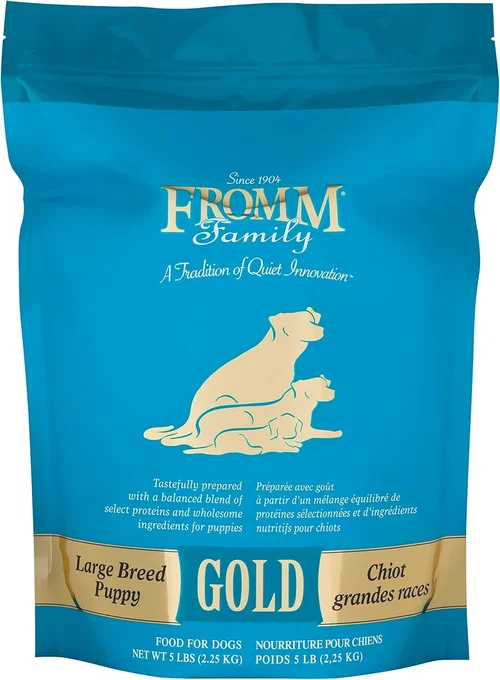
Welcoming a large breed puppy into your home is one of the most joyful experiences a pet parent can have. From the moment they tumble into your arms with oversized paws and wagging tails, it’s clear that these gentle giants are destined for greatness—both in size and in heart. But with great size comes great responsibility, especially when it comes to nutrition. Large breed puppies—such as Great Danes, Mastiffs, German Shepherds, and Golden Retrievers—grow at an astonishing rate, often doubling or tripling their birth weight in just a few months. This rapid growth places unique demands on their bodies, particularly their developing bones, joints, and digestive systems. Feeding them the wrong food during this critical stage can lead to long-term health issues like hip dysplasia, obesity, and skeletal abnormalities.
That’s why choosing the best dog food brand for large breed puppies isn’t just about convenience—it’s about setting the foundation for a long, healthy, and active life. The right nutrition supports controlled growth, maintains ideal body condition, and promotes strong joints and a robust immune system. Unfortunately, not all puppy foods are created equal. Many commercial brands market themselves as “puppy food” without tailoring their formulas to the specific needs of large or giant breeds. Some contain excessive calories or calcium levels that can accelerate growth beyond safe limits, while others lack the high-quality protein and essential fatty acids needed for muscle development and brain function.
This comprehensive buying guide is designed to cut through the noise and help you make an informed, confident decision. Whether you’re a first-time dog owner or a seasoned pet parent, you’ll learn exactly what to look for in a high-quality large breed puppy food. We’ll break down the science behind puppy nutrition, compare top-rated brands, highlight common pitfalls to avoid, and provide actionable tips to ensure your pup gets the best start in life. By the end of this guide, you’ll not only know which brands lead the pack but also how to evaluate any dog food label like a pro. The market for large breed puppy food is more competitive than ever, with premium brands investing heavily in research-backed formulations. From grain-free options to limited-ingredient diets and AAFCO-compliant recipes, there’s never been a better time to invest in your puppy’s health. Let’s dive in and find the perfect match for your growing companion.

What to Look for When Buying Buying Guide
1. AAFCO Nutritional Adequacy Statement
The Association of American Feed Control Officials (AAFCO) sets the gold standard for pet food nutrition in the United States. When evaluating any dog food—especially for large breed puppies—look for a clear AAFCO nutritional adequacy statement on the packaging. This statement confirms that the food has either been formulated to meet AAFCO nutrient profiles or has undergone feeding trials to prove it supports growth. For large breed puppies, the statement should specifically mention “growth” or “all life stages” and ideally reference large or giant breeds. Avoid foods that only claim to be “complete and balanced” without AAFCO backing, as they may lack essential nutrients or contain imbalanced ratios that could harm your puppy’s development.
2. Controlled Calcium and Phosphorus Levels
One of the most critical factors in large breed puppy nutrition is the balance of calcium and phosphorus. These minerals are essential for bone development, but excessive levels—especially calcium—can lead to rapid bone growth, increasing the risk of skeletal disorders like osteochondrosis and hip dysplasia. Ideal calcium levels for large breed puppy food should range between 1.0% and 1.8% on a dry matter basis, with a calcium-to-phosphorus ratio of approximately 1.2:1 to 1.4:1. Foods with calcium levels above 2.0% are generally considered too high and should be avoided. Always check the guaranteed analysis on the label and, if possible, calculate the dry matter content to ensure accuracy.
3. Moderate Caloric Density
Large breed puppies have high energy needs, but overfeeding or consuming calorie-dense foods can lead to excessive weight gain, which puts undue stress on developing joints. Look for formulas with moderate caloric density—typically between 350 and 400 kcal per cup for dry food. This allows you to feed appropriate portions without overloading your puppy with unnecessary calories. High-fat diets (above 18%) may seem appealing for energy, but they can contribute to obesity if not carefully managed. Instead, prioritize balanced macronutrients: high-quality protein (22–32%), moderate fat (8–16%), and digestible carbohydrates for sustained energy.
4. High-Quality Animal-Based Protein
Protein is the building block of muscle, tissue, and immune function, making it a cornerstone of any puppy’s diet. For large breed puppies, the protein source should come primarily from named animal proteins—such as chicken, lamb, turkey, or fish—listed as the first ingredient. Avoid foods that rely heavily on plant-based proteins like corn gluten meal or soybean meal as primary protein sources, as they are less bioavailable and may not provide all essential amino acids. Look for whole meats or meat meals (e.g., “chicken meal”) that are clearly identified and free from vague terms like “meat by-products” or “animal digest.”
5. DHA for Brain and Vision Development
Docosahexaenoic acid (DHA) is an omega-3 fatty acid crucial for cognitive development and retinal health in puppies. Large breed puppies, like all young dogs, benefit significantly from DHA during their first six months of life. Many premium brands include DHA from sources like fish oil, salmon, or algae. The ideal DHA content should be at least 0.05% on a dry matter basis. This nutrient not only supports learning and trainability but also contributes to a healthy coat and skin. If your puppy food doesn’t list DHA, consider supplementing with a vet-approved fish oil, but always consult your veterinarian first.
6. Joint-Supportive Ingredients
Given their predisposition to joint issues, large breed puppies benefit from foods fortified with glucosamine, chondroitin, and omega-3 fatty acids (EPA and DHA). These compounds help maintain cartilage health and reduce inflammation. While not all puppy foods include these ingredients, many premium brands do. Glucosamine and chondroitin are often derived from shellfish or synthesized, while omega-3s typically come from fish oil. Look for these on the ingredient list, especially if your puppy is a breed with a high risk of hip or elbow dysplasia. Some brands also include green-lipped mussel or turmeric for additional anti-inflammatory support.
7. Digestive Health and Probiotics
A healthy gut is essential for nutrient absorption and immune function. Large breed puppies are prone to digestive upsets, especially during transitions between foods or environments. Choose brands that include probiotics (live beneficial bacteria), prebiotic fibers (like chicory root or beet pulp), and highly digestible ingredients. Probiotics such as Lactobacillus acidophilus or Enterococcus faecium can help maintain a balanced gut microbiome, reducing the risk of diarrhea and gas. Additionally, avoid foods with excessive fillers like corn, wheat, or artificial additives, which can irritate sensitive stomachs.
8. Brand Transparency and Sourcing Practices
Not all dog food companies are equally transparent about their sourcing and manufacturing processes. Reputable brands provide detailed information about where their ingredients come from, how their food is produced, and whether they conduct third-party testing for safety and quality. Look for companies that publish ingredient sourcing details, conduct regular pathogen testing (e.g., for salmonella), and have a clear recall policy. Brands that manufacture their own food in company-owned facilities often have greater control over quality. Avoid companies that use vague language like “meat meal” without specifying the source or that refuse to disclose manufacturing locations.
Different Types of Buying Guide

Common Buying Mistakes to Avoid

❌ Mistake: Choosing “Puppy Food” Without Checking for Large Breed Formulation
Why it’s bad: Standard puppy foods are often too high in calories, calcium, and fat for large breed puppies, which can lead to rapid growth and joint problems. These formulas are typically designed for small or medium breeds that mature faster and have different metabolic needs.
What to do instead: Always look for labels that specify “large breed puppy” or “giant breed puppy.” These formulas are specifically engineered to support slower, steadier growth and include balanced mineral levels to protect developing bones and joints.
❌ Mistake: Overfeeding Based on General Guidelines
Why it’s bad: Feeding charts on dog food bags are general estimates and don’t account for individual metabolism, activity level, or breed-specific needs. Overfeeding—even with the right food—can lead to obesity, which exacerbates joint stress and shortens lifespan.
What to do instead: Use the feeding guidelines as a starting point, then monitor your puppy’s body condition weekly. Adjust portions based on weight gain, energy levels, and vet recommendations. A body condition score of 4–5 (on a 9-point scale) is ideal.
❌ Mistake: Switching Foods Too Frequently
Why it’s bad: Frequent diet changes can disrupt your puppy’s digestive system, leading to diarrhea, gas, or food sensitivities. Large breed puppies have sensitive guts, and abrupt transitions increase the risk of gastrointestinal upset.
What to do instead: Stick to one high-quality food unless advised otherwise by your vet. If you need to switch, do so gradually over 7–10 days by mixing increasing amounts of the new food with the old.
❌ Mistake: Ignoring Ingredient Quality and Order
Why it’s bad: Ingredients are listed by weight, so the first few items make up the bulk of the food. Foods that list grains, by-products, or fillers before named meats may lack sufficient protein and essential nutrients.
What to do instead: Prioritize foods where a named animal protein (e.g., “chicken,” “salmon”) is the first ingredient. Avoid vague terms like “meat meal” or “animal fat” unless the source is clearly identified.
❌ Mistake: Buying Based Solely on Price
Why it’s bad: Cheap dog foods often use low-quality ingredients, fillers, and artificial preservatives that can compromise your puppy’s health over time. While budget is important, skimping on nutrition can lead to higher vet bills down the road.
What to do instead: View dog food as an investment in your puppy’s long-term health. Compare cost per pound and cost per serving, and consider the value of high-quality ingredients and health benefits.
❌ Mistake: Overlooking the Importance of DHA and Omega-3s
Why it’s bad: Without adequate DHA, your puppy may experience slower cognitive development and reduced trainability. Omega-3 fatty acids also play a key role in reducing inflammation and supporting skin and coat health.
What to do instead: Choose foods that list DHA or include fish oil, salmon, or algae as ingredients. If your chosen food lacks these, consult your vet about safe supplementation.
❌ Mistake: Not Consulting a Veterinarian
Why it’s bad: Every puppy is unique, and breed-specific health risks (like hip dysplasia in German Shepherds) may require tailored nutrition. Relying solely on online reviews or marketing claims can lead to suboptimal choices.
What to do instead: Schedule a puppy wellness visit and discuss dietary needs with your vet. They can recommend brands based on your puppy’s breed, size, and health status.
Budget Guidelines: How Much Should You Spend?
When it comes to feeding a large breed puppy, cost is a significant factor—but it shouldn’t be the only one. The price of dog food varies widely based on ingredient quality, sourcing, and manufacturing practices. Here’s a breakdown of what to expect at different price points:
Entry-Level ($1.00–$1.75 per pound): These foods are often available at big-box stores and supermarkets. While convenient, they typically contain lower-quality proteins, fillers like corn and wheat, and artificial preservatives. Calcium and calorie levels may not be optimized for large breeds, increasing the risk of developmental issues. Best for short-term use or supplemental feeding, but not recommended as a primary diet for growing puppies.
Mid-Range ($1.75–$3.00 per pound): This is the sweet spot for most pet owners. Brands in this range often use named meat meals, include probiotics, and meet AAFCO standards for large breed growth. Examples include Purina Pro Plan Large Breed Puppy, Iams Large Breed Puppy, and Nutro Wholesome Essentials. These foods balance affordability with nutritional integrity and are widely available online and in pet stores.
Premium ($3.00–$5.00 per pound): Premium brands like Royal Canin Large Puppy, Hill’s Science Diet Large Breed Puppy, and Wellness CORE Grain-Free Large Breed offer scientifically formulated recipes with high-quality ingredients, joint support, and DHA. They often undergo feeding trials and are recommended by veterinarians. These are ideal for owners who want peace of mind and are willing to invest in long-term health.
Luxury ($5.00+ per pound): At the top end are fresh, raw, and dehydrated brands like The Farmer’s Dog, Ollie, and Stella & Chewy’s. These foods use human-grade ingredients, minimal processing, and customized portions. While expensive, they offer maximum nutrient bioavailability and are excellent for puppies with sensitivities or owners seeking the closest thing to a natural diet. Subscription models often include vet consultations and feeding plans.

Expert Tips for Getting the Best Deal
Feeding a large breed puppy doesn’t have to break the bank. With smart shopping strategies, you can access high-quality nutrition without overspending. Here are expert-backed tips to help you save:
- Buy in Bulk: Purchasing larger bags (30–40 lbs) often reduces the cost per pound by 15–20%. Just ensure you store the food properly in an airtight container to maintain freshness.
- Subscribe and Save: Many online retailers (Chewy, Amazon, Petco) offer subscription discounts of 5–15% when you set up recurring deliveries. This also ensures you never run out.
- Watch for Seasonal Sales: Major holidays like Black Friday, Cyber Monday, and Prime Day often feature deep discounts on pet food. Stock up during these periods.
- Use Cashback and Rewards Programs: Apps like Rakuten, Honey, or credit card rewards can earn you 2–10% back on pet food purchases. Combine with store promotions for maximum savings.
- Check for Manufacturer Rebates: Brands like Hill’s and Royal Canin occasionally offer mail-in rebates or free sample programs. Visit their websites or ask your vet.
- Compare Unit Prices: Always compare the price per pound or per cup across brands and sizes. A smaller bag may seem cheaper but cost more in the long run.
- Ask Your Vet for Samples: Many veterinary clinics receive free samples from premium brands. These can help you test a food before committing to a full bag.
- Consider Store Brands: Some pet store chains (e.g., Petco’s WholeHearted, Chewy’s American Journey) offer high-quality, AAFCO-compliant foods at lower prices than name brands.

Frequently Asked Questions
Q: How long should I feed my large breed puppy “large breed” food?
A: Large breed puppies should remain on large breed-specific formulas until they reach skeletal maturity, which is typically between 12 and 24 months depending on the breed. Giant breeds like Great Danes may need this food until 18–24 months. Transition to adult food gradually once your vet confirms your puppy has stopped growing.
Q: Can I mix wet and dry food for my large breed puppy?
A: Yes, many owners combine wet and dry food to enhance palatability and hydration. Just ensure the total daily intake meets nutritional needs and adjust portions to avoid overfeeding. Use a 75:25 ratio (dry to wet) as a general guideline.
Q: Is grain-free food better for large breed puppies?
A: Not necessarily. Grain-free diets are beneficial for dogs with diagnosed grain allergies, but there’s no evidence they’re superior for all large breed puppies. In fact, some grain-free foods high in legumes have been linked to dilated cardiomyopathy (DCM) in dogs. Choose based on your puppy’s individual needs and vet advice.
Q: How often should I feed my large breed puppy?
A: Puppies under 6 months should be fed 3–4 times daily. From 6 to 12 months, reduce to 2–3 meals per day. This helps prevent bloat (gastric dilatation-volvulus), a life-threatening condition more common in deep-chested large breeds.
Q: What if my puppy refuses to eat the new food?
A: Gradual transition is key. Mix 25% new food with 75% old food for 2–3 days, then increase to 50:50, then 75:25, and finally 100% new food over 7–10 days. Warming the food slightly or adding low-sodium broth can also increase appeal.
Q: Are raw diets safe for large breed puppies?
A: Raw diets can be nutritious but come with risks like bacterial contamination (salmonella, E. coli) and nutritional imbalances if not properly formulated. If considering raw, consult a veterinary nutritionist to ensure the diet meets AAFCO standards.
Q: Can I make homemade food for my large breed puppy?
A: Homemade diets are possible but require careful planning to ensure balanced nutrition. Large breed puppies have precise calcium, phosphorus, and calorie needs that are difficult to meet without supplementation. Work with a board-certified veterinary nutritionist to create a safe, complete recipe.
Q: How do I know if my puppy is getting too much calcium?
A: Signs of excess calcium include lameness, joint swelling, stiffness, or reluctance to move. These symptoms often appear during rapid growth phases. If you suspect over-supplementation, consult your vet immediately. Blood tests and X-rays can assess bone development.
Q: Should I avoid chicken if my puppy has allergies?
A: Chicken is a common allergen, but true food allergies are rare—most reactions are due to environmental factors. If your puppy shows signs like itching, ear infections, or digestive issues, work with your vet to identify the trigger. Novel proteins like duck, rabbit, or fish may be better options.
Q: Is it okay to feed my large breed puppy small breed food temporarily?
A: It’s not ideal, but short-term use (a few days) is unlikely to cause harm. However, small breed foods are often higher in calories and fat, which can lead to rapid weight gain in large puppies. Switch to a large breed formula as soon as possible.
Our Final Recommendations
After extensive research and analysis, here are our top picks for the best dog food brands for large breed puppies in 2026:
Best for Budget-Conscious Buyers: Iams ProActive Health Large Breed Puppy
This affordable option offers AAFCO-compliant nutrition with real chicken as the first ingredient, balanced calcium levels, and added DHA. At around $1.60 per pound, it’s a reliable choice for owners seeking value without sacrificing core nutrition.
Best Overall Value: Purina Pro Plan Large Breed Puppy Formula
With high-quality protein, probiotics for digestive health, and joint-supporting nutrients, this formula strikes an excellent balance between price and performance. Priced around $2.20 per pound, it’s widely available and vet-recommended.
Best Premium Option: Royal Canin Large Puppy Dry Dog Food
Specifically designed for puppies up to 15 months, this scientifically formulated food includes precise mineral levels, DHA, and antioxidants. At $3.50 per pound, it’s ideal for owners who want a tailored, research-backed diet.
Best for Beginners: Hill’s Science Diet Large Breed Puppy
Trusted by veterinarians for decades, this formula is easy to find, highly digestible, and supports healthy growth. Its clear feeding guidelines and consistent quality make it perfect for first-time dog owners.
Best for Advanced Users: The Farmer’s Dog (Custom Fresh Food)
For those willing to invest in personalized nutrition, The Farmer’s Dog offers fresh, human-grade meals tailored to your puppy’s breed, age, and weight. At $6.00+ per pound, it’s a luxury option that delivers convenience and peace of mind.
Conclusion: Making the Right Choice
Choosing the best dog food for your large breed puppy is one of the most important decisions you’ll make as a pet parent. The right nutrition supports not just growth, but lifelong health, mobility, and vitality. From controlled mineral levels to high-quality protein and joint support, every ingredient matters. While the market offers countless options, focusing on AAFCO compliance, ingredient transparency, and breed-specific needs will guide you to the best choice.
Remember, no single brand is perfect for every puppy. What works for a Great Dane may not suit a Labrador. Monitor your puppy’s growth, energy, coat condition, and stool quality as indicators of dietary success. And never hesitate to consult your veterinarian—they’re your best partner in ensuring your puppy thrives.
Ultimately, the best dog food is the one that meets your puppy’s unique needs, fits your budget, and gives you confidence in its quality. Use this guide as your roadmap, ask questions, read labels, and trust your instincts. With the right food, your large breed puppy will grow into a strong, healthy, and happy companion for years to come. Start smart, feed well, and enjoy every moment of their incredible journey.