
Choosing the right dog food for your medium-sized companion is one of the most impactful decisions you’ll make as a pet parent. Medium dogs—typically weighing between 20 and 60 pounds and standing 18 to 24 inches tall at the shoulder—have unique nutritional needs that differ significantly from those of small or large breeds. Whether you’re raising a spirited Border Collie, a loyal Labrador mix, or an energetic Australian Shepherd, their diet plays a foundational role in their energy levels, coat health, joint function, digestion, and overall longevity. Yet, with thousands of dog food brands flooding the market—each claiming to be “premium,” “natural,” or “vet-recommended”—it’s easy to feel overwhelmed, confused, or even misled.
This comprehensive buying guide is designed to cut through the noise and empower you with expert-level knowledge to make an informed, confident choice. You’ll learn how to decode ingredient labels, understand the science behind canine nutrition, evaluate brand transparency, and match your dog’s specific life stage, activity level, and health considerations to the ideal formula. We’ll explore everything from budget-friendly options that don’t compromise on quality to premium diets backed by veterinary research. By the end of this guide, you won’t just know which brands rank highest—you’ll understand why they do, and how to spot a truly great dog food versus clever marketing.
The dog food industry has evolved dramatically over the past decade, driven by growing consumer awareness about pet health and nutrition. Gone are the days when kibble was just filler and byproducts. Today’s top brands invest in high-quality proteins, functional superfoods, probiotics, and even fresh or raw formulations. However, this progress has also led to greenwashing, misleading claims, and a dizzying array of choices that can leave even seasoned dog owners second-guessing their decisions. Our goal is to equip you with the tools to navigate this complex landscape with clarity and confidence, ensuring your medium dog gets the nourishment they deserve—without overspending or falling for gimmicks.

What to Look for When Buying Dog Food
1. High-Quality Protein Sources
Protein is the cornerstone of any healthy dog diet, especially for medium breeds that are often active, muscular, and metabolically efficient. Dogs are omnivores with a strong carnivorous bias, meaning they thrive on animal-based proteins that provide all ten essential amino acids. When evaluating dog food, always check the ingredient list: the first ingredient should be a named, whole meat source—such as “deboned chicken,” “salmon,” or “turkey meal”—not vague terms like “meat meal” or “animal byproduct.”
Look for foods where animal protein makes up the majority of the first three to five ingredients. For example, a formula listing “chicken, chicken meal, brown rice, peas, and chicken fat” signals a protein-forward approach. Avoid foods that rely heavily on plant-based proteins like corn gluten meal or soy as primary protein sources—these are less bioavailable and can be harder for dogs to digest. Additionally, consider your dog’s life stage: puppies and highly active adults benefit from higher protein levels (25–30%), while seniors may do well with slightly lower but still high-quality protein to support muscle maintenance without overburdening the kidneys.
2. Balanced Fat Content for Energy and Coat Health
Dietary fats are essential for medium dogs, providing concentrated energy, supporting brain function, and promoting a shiny, healthy coat. The ideal dog food contains 10–15% fat on a dry matter basis, with a focus on healthy sources like chicken fat, salmon oil, flaxseed, and coconut oil. Omega-3 and omega-6 fatty acids are particularly important—these support skin health, reduce inflammation, and can help manage conditions like allergies or arthritis.
Avoid foods with excessive fat or those listing “lard” or “beef tallow” as primary fat sources, as these are less nutritious and can contribute to weight gain. Also, be cautious of formulas that use generic “animal fat” without specifying the source—this can indicate low-quality rendering practices. If your dog is prone to pancreatitis or obesity, opt for lower-fat formulas (around 10%) with added L-carnitine to support fat metabolism.
3. Digestible Carbohydrates and Fiber
While dogs don’t require carbohydrates in the same way humans do, quality carbs play a vital role in providing energy, supporting digestion, and stabilizing blood sugar. The best dog foods use easily digestible, low-glycemic carbohydrates such as sweet potatoes, oats, barley, and quinoa. These ingredients offer sustained energy without spiking insulin levels—important for active medium breeds.
Fiber is equally crucial, aiding in healthy digestion and promoting satiety. Look for foods containing prebiotic fibers like beet pulp, chicory root, or pumpkin, which feed beneficial gut bacteria. Avoid corn, wheat, and soy as primary carb sources—these are common allergens and can be difficult for some dogs to digest. Also, be wary of foods with excessive fillers like rice bran or cellulose, which offer little nutritional value and may indicate poor formulation.
4. Life Stage and Activity Level Appropriateness
Not all dog food is created equal—your medium dog’s needs will vary depending on their age, size, and lifestyle. Puppies require higher levels of protein, fat, and calories to support rapid growth, while senior dogs benefit from joint-supporting ingredients like glucosamine and chondroitin, along with lower-calorie formulas to prevent weight gain. Active working dogs or agility competitors need calorie-dense foods with added B vitamins and electrolytes, whereas less active pets may thrive on weight management formulas.
Always choose a food labeled for your dog’s specific life stage: “puppy,” “adult maintenance,” or “senior.” Some brands offer “all life stages” formulas, which can be convenient for multi-dog households but may not perfectly meet the needs of growing puppies or aging adults. If your dog has a high metabolism or participates in sports, consider performance diets with added taurine, L-carnitine, and branched-chain amino acids.
5. Ingredient Transparency and Sourcing
A trustworthy dog food brand will be transparent about where its ingredients come from and how they’re processed. Look for companies that disclose their sourcing practices—such as human-grade meats, sustainably caught fish, or organic produce—and avoid those that use vague terms like “meat derivatives” or “animal digest.” The best brands publish detailed ingredient breakdowns on their websites and are willing to answer questions about sourcing and manufacturing.
Also, check for third-party certifications like AAFCO (Association of American Feed Control Officials) compliance, which ensures the food meets minimum nutritional standards. Some premium brands go further by conducting feeding trials or partnering with veterinary nutritionists to formulate their recipes. Avoid brands that rely solely on “complete and balanced” claims without supporting evidence.
6. Avoidance of Harmful Additives and Fillers
Many commercial dog foods contain artificial preservatives, colors, flavors, and fillers that offer no nutritional benefit and may pose health risks over time. Common culprits include BHA, BHT, ethoxyquin (a preservative often used in fish meal), and artificial dyes like Red 40 or Yellow 5. These additives have been linked to allergies, hyperactivity, and even cancer in some studies.
Instead, opt for foods preserved naturally with mixed tocopherols (vitamin E), rosemary extract, or ascorbic acid (vitamin C). Avoid foods with excessive salt, sugar, or corn syrup, which can contribute to obesity and dental issues. Also, be cautious of “grain-free” diets unless your dog has a diagnosed grain allergy—recent FDA investigations have raised concerns about a potential link between grain-free diets and dilated cardiomyopathy (DCM) in some breeds, possibly due to imbalanced amino acid profiles.
7. Brand Reputation and Customer Support
A brand’s reputation matters. Look for companies with a long history of producing high-quality pet food, positive customer reviews, and responsive customer service. Research whether the brand has ever been involved in recalls—and if so, how they handled the situation. Transparent brands will openly discuss recalls, provide detailed explanations, and offer refunds or replacements.
Also, consider the brand’s commitment to research and development. Companies that invest in veterinary nutritionists, conduct feeding trials, or publish peer-reviewed studies demonstrate a higher level of accountability. Avoid brands that make exaggerated claims like “cures allergies” or “extends lifespan by 5 years”—these are red flags for pseudoscience.
8. Price vs. Value
While it’s tempting to equate higher price with better quality, this isn’t always true. Some premium brands charge a premium for branding rather than superior ingredients. Conversely, budget brands may cut corners with low-quality proteins and fillers. The key is to assess value—how much nutrition you’re getting per dollar.
Calculate the cost per pound or per cup, and compare it to the ingredient quality. A $50 bag of food with real salmon, sweet potatoes, and probiotics may offer better value than a $30 bag with chicken byproduct meal and corn. Also, consider subscription discounts, bulk pricing, and loyalty programs that can reduce long-term costs.
Different Types of Dog Food for Medium Dogs

Common Buying Mistakes to Avoid
❌ Mistake: Choosing Based Solely on Price
Why it’s bad: Opting for the cheapest option often means compromising on ingredient quality, which can lead to digestive issues, allergies, and long-term health problems. Low-cost foods frequently rely on fillers, byproducts, and artificial additives that offer little nutritional value.
What to do instead: Focus on value, not just cost. Compare ingredient lists and calculate cost per pound. A mid-range food with high-quality proteins and no fillers may cost more upfront but save you money on vet bills down the line.
❌ Mistake: Ignoring the Ingredient List
Why it’s bad: Marketing claims like “natural” or “premium” are not regulated strictly. A food can claim to be “grain-free” but still contain low-quality proteins and excessive legumes, which may increase DCM risk.
What to do instead: Always read the ingredient list. Prioritize named meats, digestible carbs, and natural preservatives. Use resources like the Dog Food Advisor or AAFCO guidelines to verify claims.
❌ Mistake: Feeding the Same Food Indefinitely
Why it’s bad: Dogs can develop sensitivities to ingredients over time, especially if fed the same protein source for years. This can manifest as itching, ear infections, or digestive upset.
What to do instead: Rotate proteins every 6–12 months (e.g., chicken, then salmon, then lamb) to reduce allergy risk and provide nutritional variety.
❌ Mistake: Overfeeding Due to Misleading Feeding Guidelines
Why it’s bad: Many dog food labels provide overly generous feeding recommendations, leading to obesity—a major health issue in medium breeds like Labs and Beagles.
What to do instead: Use the guidelines as a starting point, then adjust based on your dog’s body condition. Weigh your dog monthly and consult your vet if you’re unsure.
❌ Mistake: Switching Foods Too Quickly
Why it’s bad: Abrupt changes can cause diarrhea, vomiting, or refusal to eat. Dogs have sensitive digestive systems that need time to adapt.
What to do instead: Transition gradually over 7–10 days, mixing increasing amounts of the new food with the old. Monitor stool quality and energy levels.
❌ Mistake: Believing All “Grain-Free” Diets Are Better
Why it’s bad: Grain-free diets are not inherently healthier. In fact, they may increase the risk of DCM in some breeds due to imbalanced taurine levels or excessive legumes.
What to do instead: Only choose grain-free if your dog has a confirmed grain allergy. Otherwise, opt for whole grains like oats or barley, which provide fiber and energy.
❌ Mistake: Ignoring Your Dog’s Individual Needs
Why it’s bad: Every dog is unique. A food that works for your neighbor’s Border Collie may not suit your sedentary Cocker Spaniel.
What to do instead: Consider your dog’s age, activity level, health status, and preferences. Consult your vet for personalized recommendations, especially if your dog has medical conditions.
Budget Guidelines: How Much Should You Spend?
– Entry-Level ($1.00–$1.80/lb): These foods often contain meat byproducts, corn, wheat, and artificial preservatives. While they meet basic AAFCO standards, they may lack optimal nutrition for active or sensitive dogs. Best for short-term use or multi-dog households on a tight budget.
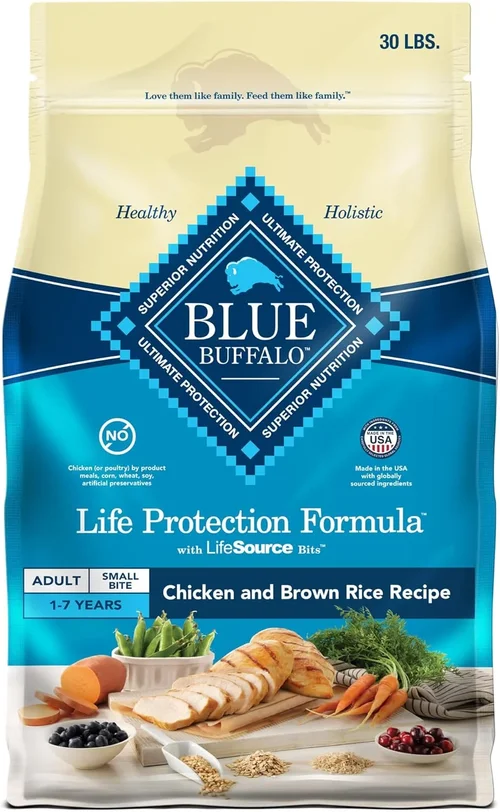
– Mid-Range ($1.80–$3.00/lb): This is the sweet spot for most medium dog owners. These foods typically feature named meat sources, digestible carbs, and natural preservatives. Brands like Wellness Core, Taste of the Wild, and Blue Buffalo fall here. They offer excellent value without sacrificing quality.
– Premium ($3.00–$5.00/lb): Designed for performance, health optimization, or specific dietary needs. These foods often include novel proteins (like duck or venison), probiotics, joint support, and limited ingredients. Ideal for active dogs, those with allergies, or owners seeking the best possible nutrition.
– Luxury ($5.00+/lb): Includes fresh, raw, or human-grade diets from brands like The Farmer’s Dog, Ollie, or Open Farm. These offer minimal processing, high bioavailability, and personalized formulations. Best for owners willing to invest in top-tier nutrition and convenience.
Expert Tips for Getting the Best Deal
– Buy in Bulk During Sales: Stock up on kibble during seasonal promotions (e.g., Black Friday, end-of-summer sales). Most dry foods have a 12–18 month shelf life when stored properly.
– Subscribe and Save: Online retailers like Chewy, Amazon, and brand websites often offer discounts for auto-delivery. You’ll save money and never run out.
– Compare Unit Prices: Don’t just look at the total cost—check the price per pound or per cup. A larger bag may seem expensive but offer better value.
– Use Cashback and Rewards: Sign up for pet loyalty programs (e.g., Chewy Autoship, Petco Pals) to earn points, discounts, and free shipping.
– Check for Rebates and Samples: Many brands offer free samples or rebates for first-time buyers. This lets you test a new food before committing.
– Read Return Policies: Ensure the retailer allows returns if your dog doesn’t like the food. Some premium brands offer money-back guarantees.
– Ask Your Vet for Samples: Veterinarians often receive sample packs from reputable brands. They can also recommend diets based on your dog’s health.
– Monitor for Recalls: Sign up for FDA recall alerts or use apps like Pet Food Recall to stay informed about safety issues.
Frequently Asked Questions
Q: How much should I feed my medium dog?
A: Feeding amounts vary by weight, age, and activity level. As a general rule, a 30–40 lb adult dog needs about 1.5 to 2.5 cups of high-quality dry food per day, split into two meals. Always follow the guidelines on the package and adjust based on your dog’s body condition.
Q: Can I mix wet and dry food?
A: Yes! Many owners combine wet and dry food to enhance palatability and increase moisture intake. Just adjust portions to avoid overfeeding—wet food is more calorie-dense per volume.
Q: Is grain-free food better for my dog?
A: Not necessarily. Grain-free diets are only beneficial if your dog has a diagnosed grain allergy. For most dogs, whole grains like oats and barley are safe and nutritious. Consult your vet before switching.
Q: How often should I change my dog’s food?
A: There’s no need to change food unless your dog has health issues, allergies, or you’re seeking variety. If you do switch, do so gradually over 7–10 days to avoid digestive upset.
Q: What’s the difference between “chicken meal” and “chicken byproduct meal”?
A: Chicken meal is rendered, dried chicken flesh and skin—high in protein and safe. Chicken byproduct meal includes organs, bones, and other parts, which are less consistent in quality. Opt for named meals without “byproduct.”
Q: Can puppies eat adult dog food?
A: No. Puppies need higher levels of protein, fat, and calories for growth. Feeding adult food can lead to developmental issues. Choose a puppy-specific formula until 12–18 months of age.
Q: Are raw diets safe?
A: Raw diets can offer benefits but carry risks of bacterial contamination (e.g., Salmonella) and nutritional imbalances if not properly formulated. If considering raw, consult a veterinary nutritionist and practice strict hygiene.
Q: How do I know if my dog is allergic to their food?
A: Signs include chronic itching, ear infections, diarrhea, or vomiting. Food allergies are often triggered by proteins (e.g., chicken, beef). An elimination diet under vet supervision can help identify the culprit.
Q: Should I add supplements to my dog’s food?
A: Most complete diets don’t require supplements. However, dogs with joint issues may benefit from glucosamine, and those with dry skin may need omega-3s. Always consult your vet before adding supplements.
Q: What’s the best way to store dog food?
A: Keep kibble in its original bag inside an airtight container in a cool, dry place. Avoid direct sunlight or humidity, which can degrade fats and nutrients. Use within 6 weeks of opening.
Our Final Recommendations
– Best for Budget-Conscious Buyers: Purina ONE SmartBlend Chicken & Rice – Offers real chicken as the first ingredient, balanced nutrition, and AAFCO compliance at an affordable price. Great for healthy adult medium dogs.
– Best Overall Value: Taste of the Wild Pacific Stream Grain-Free – Features real smoked salmon, sweet potatoes, and probiotics. Highly digestible and loved by picky eaters. Mid-range price with premium benefits.
– Best Premium Option: The Farmer’s Dog – Fresh, human-grade meals delivered to your door. Customized to your dog’s needs, minimally processed, and backed by veterinary nutritionists. Ideal for owners seeking the gold standard.
– Best for Beginners: Blue Buffalo Life Protection Formula – Easy to find, widely available, and formulated with real meat, whole grains, and LifeSource Bits for antioxidants. A reliable choice for new dog owners.
– Best for Active or Working Dogs: Victor Purpose Performance – High-protein (30%), nutrient-dense kibble with added L-carnitine and probiotics. Designed for high-energy breeds like Australian Shepherds and Border Collies.
Conclusion: Making the Right Choice
Selecting the best dog food for your medium-sized companion is both a science and an art. It requires understanding your dog’s unique physiology, lifestyle, and preferences, while also navigating a marketplace filled with marketing hype and conflicting advice. The key is to prioritize quality ingredients, transparency, and nutritional balance over flashy packaging or celebrity endorsements.
Remember, the best food is one that keeps your dog healthy, energetic, and thriving over the long term—not just one that looks good on the shelf. Start by evaluating your dog’s individual needs, then use the factors and recommendations in this guide to narrow down your options. Don’t be afraid to experiment (safely) and consult your veterinarian when in doubt.
Your medium dog depends on you for nourishment, care, and love. By choosing wisely, you’re not just feeding them—you’re investing in their happiness, vitality, and longevity. So take your time, do your research, and trust your instincts. With the right food, your loyal companion will thank you with wagging tails, shiny coats, and years of joyful companionship.