

No, a 4-month-old cat should not eat adult cat food. Kittens need higher levels of protein, fat, calories, and key nutrients like taurine and DHA to support rapid growth and development. Feeding adult food too early can lead to nutritional deficiencies, stunted growth, and long-term health issues.
Key Takeaways
- Kittens have unique nutritional needs: At 4 months old, cats are still growing rapidly and require more calories, protein, and essential nutrients than adult cats.
- Adult cat food lacks key nutrients for kittens: It often doesn’t contain enough taurine, DHA, calcium, or calories to support healthy development.
- Feeding adult food can cause health problems: Long-term use may lead to malnutrition, weak bones, poor immune function, and developmental delays.
- Choose high-quality kitten-specific food: Look for AAFCO-approved kitten formulas that meet growth and reproduction standards.
- Transition gradually when switching foods: When your kitten reaches 10–12 months, slowly introduce adult food over 7–10 days.
- Consult your veterinarian: Always get personalized feeding advice based on your kitten’s breed, size, and health.
- Monitor growth and behavior: A healthy kitten should gain weight steadily, stay active, and have shiny fur and bright eyes.
📑 Table of Contents
- Why a 4-Month-Old Cat Should Not Eat Adult Food
- Understanding Kitten Nutritional Needs
- The Risks of Feeding Adult Food to a 4-Month-Old Kitten
- What to Feed Instead: Choosing the Right Kitten Food
- When Can Kittens Start Eating Adult Food?
- Common Feeding Mistakes to Avoid
- Monitoring Your Kitten’s Health and Growth
- Conclusion
Why a 4-Month-Old Cat Should Not Eat Adult Food
When you bring home a tiny, playful 4-month-old kitten, it’s natural to wonder about feeding. After all, adult cat food is convenient, widely available, and your older cat might already be eating it. But here’s the truth: **a 4-month-old kitten should not eat adult cat food**. Their tiny bodies are in a critical stage of growth, and their nutritional needs are vastly different from those of adult cats.
At 4 months old, kittens are still developing their bones, muscles, brain, and immune system. They’re also burning energy at an incredible rate—playing, exploring, and learning about the world. This means they need more calories, protein, fat, and specific vitamins and minerals than adult cats. Adult cat food simply doesn’t provide enough of these essential nutrients. Feeding it to a young kitten can lead to serious health problems over time, including stunted growth, weakened immunity, and even heart or vision issues.
Think of it like feeding a toddler a senior citizen’s diet. Sure, it’s food, but it won’t support their rapid development. Kittens need a diet that’s specially formulated for growth, not maintenance. That’s why kitten food exists—and why it’s so important to use it during the first year of life.
Understanding Kitten Nutritional Needs
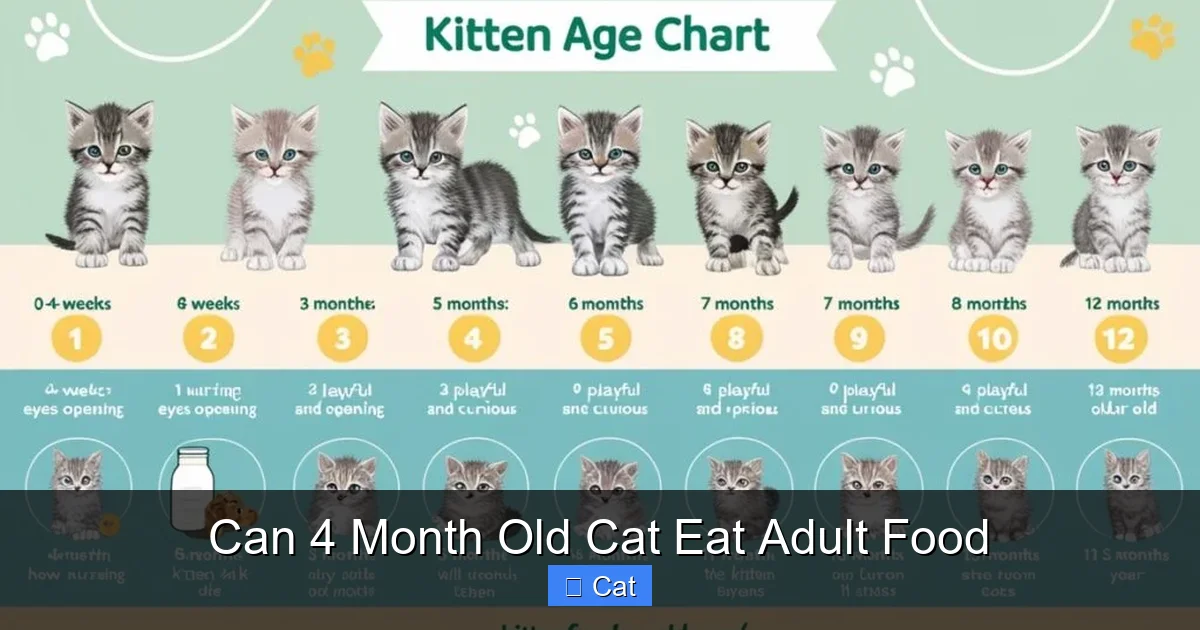
Visual guide about Can 4 Month Old Cat Eat Adult Food
Image source: kittenfoodworld.com
Higher Calorie and Fat Requirements
One of the biggest differences between kitten and adult cat food is calorie density. Kittens need about **two to three times more calories per pound of body weight** than adult cats. This is because they’re growing so fast—doubling or even tripling their birth weight in just a few months. Their metabolism is also much faster, so they burn energy quickly.
Fat is a key source of energy for kittens. It provides more than twice the calories of protein or carbohydrates. High-quality kitten food typically contains **20–30% fat**, compared to 10–20% in adult food. This extra fat helps fuel their playful antics and supports brain development.
For example, a 4-month-old kitten weighing around 4 pounds may need **200–250 calories per day**, while an adult cat of the same weight might only need 150–180. If you feed adult food, your kitten simply won’t get enough energy to thrive.
Protein: The Building Block of Growth
Protein is essential for building muscle, organs, skin, and fur. Kittens need **high levels of high-quality animal-based protein**—ideally from sources like chicken, turkey, fish, or eggs. Adult cat food often contains less protein and may include more plant-based fillers, which are harder for cats to digest.
Kittens require about **30–40% protein** in their diet, compared to 26–30% for adult cats. This extra protein supports rapid tissue growth and helps maintain healthy organ function. Without enough, a kitten may become lethargic, lose muscle mass, or develop skin and coat problems.
Essential Vitamins and Minerals
Kittens also need higher levels of certain vitamins and minerals:
– **Taurine:** An amino acid crucial for heart health, vision, and immune function. A deficiency can cause blindness or heart disease.
– **DHA (Docosahexaenoic acid):** An omega-3 fatty acid that supports brain and eye development. Found in fish oil and some egg yolks.
– **Calcium and phosphorus:** Important for strong bones and teeth. Kittens need a balanced ratio (about 1.2:1 calcium to phosphorus) to prevent skeletal problems.
– **Vitamin A, D, and E:** Support vision, bone growth, and antioxidant protection.
Adult cat food is formulated for maintenance, not growth, so it often doesn’t contain enough of these nutrients. Feeding it to a kitten can lead to deficiencies that may not show up immediately but can cause long-term damage.
The Risks of Feeding Adult Food to a 4-Month-Old Kitten
Malnutrition and Stunted Growth
The most immediate risk of feeding adult food to a 4-month-old kitten is malnutrition. Because adult food is lower in calories, protein, and key nutrients, your kitten won’t get what it needs to grow properly. This can result in **stunted growth**, where the kitten remains smaller than it should be for its age and breed.
For example, a kitten that should weigh 5 pounds at 5 months might only weigh 3.5 pounds if it’s been eating adult food. This isn’t just about size—it can affect organ development, bone strength, and overall health.
Weakened Immune System
A growing kitten’s immune system is still developing. Without proper nutrition, it can’t fight off infections as effectively. Kittens fed adult food may be more prone to illnesses like upper respiratory infections, parasites, or digestive issues.
Taurine deficiency, in particular, can weaken the immune system and lead to serious conditions like feline immunodeficiency. Even short-term feeding of adult food can compromise a kitten’s ability to stay healthy.
Bone and Joint Problems
Calcium and phosphorus are critical for bone development. If a kitten doesn’t get enough—or if the ratio is off—it can develop **rickets** (soft, weak bones) or other skeletal deformities. This is especially risky in large or fast-growing breeds like Maine Coons or Ragdolls.
Adult food often has lower calcium levels and may not maintain the ideal calcium-to-phosphorus ratio. Over time, this can lead to joint pain, limping, or even fractures.
Heart and Vision Issues
Taurine deficiency is one of the most dangerous risks of feeding adult food to kittens. Taurine is essential for heart muscle function and retinal health. Without enough, kittens can develop **dilated cardiomyopathy** (a weakened heart) or **retinal degeneration**, which can lead to blindness.
These conditions may not appear right away, but they can be irreversible. That’s why it’s so important to feed a taurine-rich kitten diet from the start.
Poor Coat and Skin Health
A shiny coat and healthy skin are signs of good nutrition. Kittens fed adult food may develop dry, flaky skin, dull fur, or excessive shedding. This is often due to insufficient fat, protein, or essential fatty acids like DHA and omega-3s.
Over time, poor coat condition can lead to skin infections or hair loss. It’s not just cosmetic—it’s a sign that your kitten isn’t getting the nutrients it needs.
What to Feed Instead: Choosing the Right Kitten Food
Look for AAFCO-Approved Kitten Formulas
When shopping for kitten food, always check the label for an **AAFCO (Association of American Feed Control Officials) statement**. This ensures the food meets the nutritional standards for growth and reproduction.
Look for phrases like:
– “Formulated to meet the nutritional levels established by the AAFCO Cat Food Nutrient Profiles for Growth.”
– “Animal feeding tests substantiate that this product provides complete and balanced nutrition for kittens.”
Avoid foods labeled only for “maintenance” or “all life stages” unless they specifically state they meet kitten growth standards.
Wet vs. Dry Kitten Food
Both wet and dry kitten food can be part of a healthy diet. Many veterinarians recommend a **combination of both** for balanced nutrition and hydration.
– **Wet food** is higher in moisture (70–80%), which helps prevent urinary tract issues. It’s also more palatable and easier for kittens to chew.
– **Dry food** is convenient, helps reduce tartar buildup, and can be left out for free-feeding.
Choose high-quality brands like Royal Canin Kitten, Hill’s Science Diet Kitten, or Purina Pro Plan Kitten. Avoid foods with excessive fillers like corn, soy, or artificial preservatives.
Feeding Schedule and Portion Control
At 4 months old, kittens should be fed **3–4 small meals per day**. This helps maintain steady energy levels and prevents overeating.
Follow the feeding guidelines on the package, but adjust based on your kitten’s weight, activity level, and growth. A healthy kitten should gain about **1 pound per month** during the first year.
For example:
– A 4-pound kitten might eat ½ to ¾ cup of dry food per day, split into 3–4 meals.
– If feeding wet food, offer 2–3 cans (3 oz each) daily, depending on the brand.
Always provide fresh water, especially if feeding dry food.
Introducing New Foods Safely
If you’re switching from one kitten food to another, do it gradually over 7–10 days. Mix increasing amounts of the new food with the old to avoid digestive upset.
For example:
– Days 1–2: 75% old food, 25% new food
– Days 3–4: 50% old, 50% new
– Days 5–6: 25% old, 75% new
– Day 7+: 100% new food
Watch for signs of digestive issues like vomiting, diarrhea, or loss of appetite. If they occur, slow the transition or consult your vet.
When Can Kittens Start Eating Adult Food?
The Right Age to Transition
Most kittens can start transitioning to adult food between **10 and 12 months of age**. By this time, their growth rate has slowed, and their nutritional needs shift from growth to maintenance.
However, the exact timing depends on the breed:
– **Small to medium breeds** (like Siamese or domestic shorthairs) may be ready at 10–11 months.
– **Large breeds** (like Maine Coons or Norwegian Forest Cats) may need kitten food until 12–18 months due to slower growth.
Always consult your veterinarian before making the switch. They can assess your kitten’s weight, body condition, and overall health.
How to Transition to Adult Food
When your kitten is ready, follow the same gradual transition method used for switching kitten foods. Mix increasing amounts of adult food with the kitten food over 7–10 days.
Choose a high-quality adult cat food that’s appropriate for your cat’s lifestyle (indoor, outdoor, active, etc.). Look for AAFCO approval for adult maintenance.
Signs Your Kitten Is Ready for Adult Food
– Steady weight gain has slowed.
– The kitten is less hyperactive and more settled.
– Teeth are fully developed (around 6–7 months).
– Your vet confirms healthy growth and development.
Don’t rush the transition. Even if your kitten seems “big enough,” their body may still need the extra nutrients in kitten food.
Common Feeding Mistakes to Avoid
Free-Feeding Adult Food
Leaving adult food out all day for a kitten can lead to overeating or, more commonly, undernutrition. Kittens may nibble on low-calorie adult food instead of eating enough to meet their needs.
Instead, offer measured meals 3–4 times a day to ensure they’re getting enough calories and nutrients.
Mixing Kitten and Adult Food
While it’s okay to feed both kittens and adult cats in the same household, don’t mix their foods. Adult cats don’t need the extra calories and nutrients in kitten food, and kittens can’t thrive on adult food.
If you have multiple cats, consider feeding them in separate areas or at different times.
Ignoring the Label
Not all “kitten” foods are created equal. Some budget brands may use fillers or low-quality protein sources. Always read the ingredient list and AAFCO statement.
Look for:
– Named animal protein as the first ingredient (e.g., “chicken,” not “poultry by-product”).
– No artificial colors, flavors, or preservatives.
– Balanced calcium and phosphorus levels.
Overfeeding Treats
Treats should make up no more than 10% of your kitten’s daily caloric intake. Too many treats can lead to obesity or nutrient imbalances.
Choose healthy, kitten-safe treats and use them for training or bonding—not as a meal replacement.
Monitoring Your Kitten’s Health and Growth
Signs of Proper Nutrition
A well-fed kitten should:
– Gain weight steadily (about 1 pound per month).
– Have bright eyes, clean ears, and a shiny coat.
– Be playful, curious, and energetic.
– Have firm, well-formed stools.
If your kitten is lethargic, losing weight, or has digestive issues, it may be a sign of poor nutrition or an underlying health problem.
Regular Vet Checkups
Schedule wellness visits every 3–4 months during the first year. Your vet can monitor growth, check for parasites, and ensure your kitten is developing properly.
They can also recommend the best food and feeding schedule based on your kitten’s individual needs.
Adjusting for Special Needs
Some kittens may have health conditions that require special diets, such as:
– Food allergies or sensitivities
– Digestive issues
– Urinary tract problems
– Obesity risk
Always follow your vet’s recommendations for medical or therapeutic diets.
Conclusion
Feeding your 4-month-old kitten the right food is one of the most important things you can do for their long-term health. While adult cat food may seem like a convenient option, it simply doesn’t meet the unique nutritional needs of a growing kitten. From higher protein and fat to essential vitamins like taurine and DHA, kitten food is specially designed to support rapid development, strong bones, a healthy immune system, and a shiny coat.
Feeding adult food too early can lead to serious health problems, including malnutrition, stunted growth, heart issues, and vision loss. Instead, choose a high-quality, AAFCO-approved kitten formula and feed it according to your kitten’s age, weight, and activity level. Transition to adult food only when your vet confirms your kitten has finished growing—usually around 10–12 months.
Remember, every kitten is different. What works for one may not work for another. Always consult your veterinarian for personalized advice, and keep a close eye on your kitten’s growth, behavior, and overall health. With the right nutrition, your tiny ball of fur will grow into a strong, healthy, and happy adult cat.
Frequently Asked Questions
Can I mix kitten and adult food for my 4-month-old cat?
No, it’s not recommended. Adult food lacks the extra calories, protein, and nutrients kittens need. Mixing them can lead to nutritional imbalances. Feed your kitten a complete kitten-specific diet instead.
How long should a kitten eat kitten food?
Most kittens should eat kitten food until they’re 10–12 months old. Large breeds may need it longer—up to 18 months. Always consult your vet to determine the right time to switch.
What happens if my kitten eats adult food for a few days?
A short-term switch is unlikely to cause serious harm, but it’s best to return to kitten food immediately. Long-term feeding can lead to deficiencies and health problems.
Can I feed my kitten human food instead of adult cat food?
No. Human food is not nutritionally balanced for cats and can be toxic (like onions, chocolate, or garlic). Stick to high-quality kitten food for safe, complete nutrition.
Is it okay to feed dry adult food to a 4-month-old kitten?
No. Dry adult food is lower in calories, protein, and key nutrients. It may also be too hard for young kittens to chew. Use kitten-specific dry or wet food instead.
How can I tell if my kitten is getting enough nutrition?
Look for steady weight gain, a shiny coat, bright eyes, and high energy. Regular vet checkups can also confirm healthy growth and development.