

Yes, 4 month old kittens can and should eat cat food—specifically, high-quality kitten food designed for their growth and development. At this age, they’re weaned and ready for solid nutrition that supports their rapid growth, energy needs, and immune system. Choosing the right formula and feeding schedule is key.
Key Takeaways
- 4-month-old kittens can safely eat cat food: They are fully weaned and ready for solid kitten-specific food that meets their nutritional needs.
- Choose kitten-formulated food: Look for labels that say “complete and balanced” for kittens, with high protein and fat content to support growth.
- Wet and dry food both work: Wet food provides hydration, while dry food helps with dental health—many owners use a mix of both.
- Feed 3–4 small meals daily: Kittens have small stomachs and high energy needs, so frequent feeding is essential.
- Avoid adult cat food: It lacks the extra calories, protein, and nutrients kittens need for healthy development.
- Introduce new foods slowly: Sudden changes can upset their stomachs—transition gradually over 7–10 days.
- Always provide fresh water: Even if feeding wet food, clean water should be available at all times.
📑 Table of Contents
- Can 4 Month Old Kittens Eat Cat Food? A Complete Guide
- Understanding Kitten Nutrition Needs at 4 Months
- Types of Cat Food Suitable for 4-Month-Old Kittens
- How Much and How Often Should You Feed a 4-Month-Old Kitten?
- Transitioning Your Kitten to Solid Food
- Foods to Avoid for 4-Month-Old Kittens
- Signs Your Kitten Is Getting the Right Nutrition
- When to Consult a Veterinarian
- Conclusion
Can 4 Month Old Kittens Eat Cat Food? A Complete Guide
So, you’ve welcomed a tiny, playful 4-month-old kitten into your home—congratulations! These little furballs are bundles of energy, curiosity, and charm. But with all that cuteness comes big responsibility, especially when it comes to feeding. One of the most common questions new kitten parents ask is: Can 4 month old kittens eat cat food? The short answer is yes—but not just any cat food. At four months old, kittens are no longer nursing and are fully weaned, which means they’re ready to transition to solid food. However, not all cat food is created equal, and choosing the right kind is crucial for their health and development.
Kittens grow at an astonishing rate during their first year of life. In fact, by six months, they can reach up to half their adult size! This rapid growth demands a diet rich in protein, healthy fats, vitamins, and minerals. Regular adult cat food simply doesn’t cut it—it lacks the extra calories and nutrients that growing kittens need. That’s why kitten-specific formulas exist. These foods are specially designed to support brain development, strong bones, a healthy immune system, and high energy levels. So while your 4-month-old kitten can technically eat cat food, it must be kitten food, not adult cat food.
In this guide, we’ll walk you through everything you need to know about feeding your 4-month-old kitten—from what types of food are best, how much and how often to feed, and how to make the transition smooth and stress-free. Whether you’re a first-time pet parent or adding a new member to your feline family, this information will help you give your kitten the best start in life.
Understanding Kitten Nutrition Needs at 4 Months
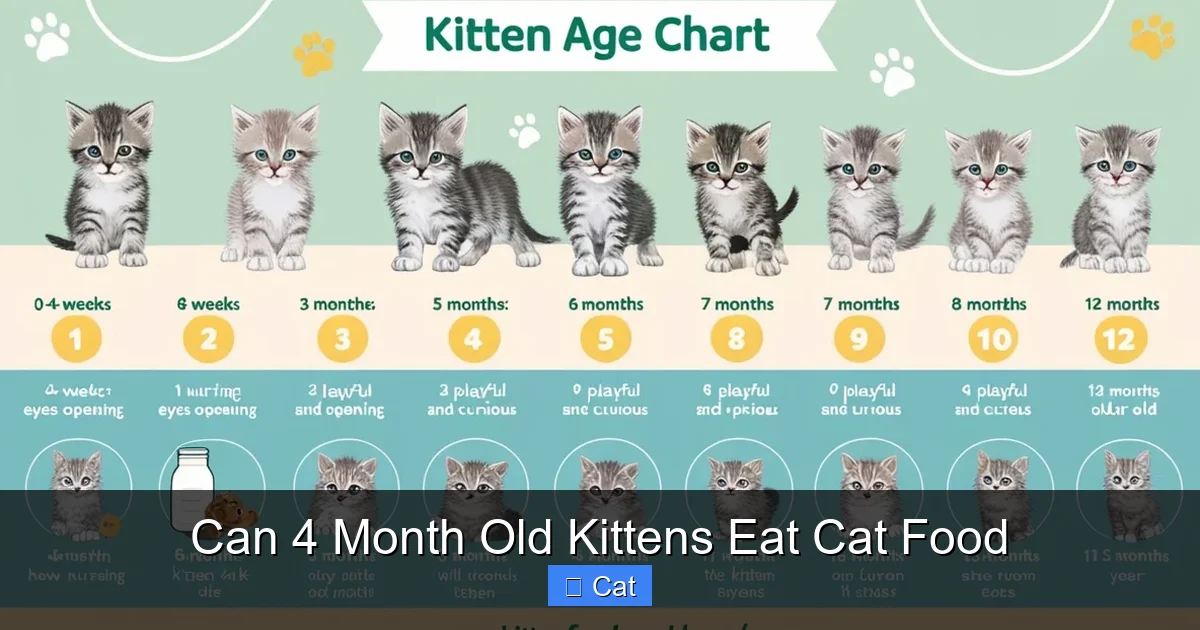
Visual guide about Can 4 Month Old Kittens Eat Cat Food
Image source: kittenfoodworld.com
At four months old, your kitten is in a critical stage of development. Their bodies are growing rapidly, their brains are developing, and their immune systems are still maturing. This means their nutritional needs are significantly different from those of adult cats. Feeding the right food during this time sets the foundation for a long, healthy life.
One of the most important aspects of kitten nutrition is protein. Kittens need about twice as much protein as adult cats—around 30–40% of their diet should come from high-quality animal protein. This supports muscle growth, tissue repair, and overall development. Look for foods where real meat (like chicken, turkey, or fish) is listed as the first ingredient. Avoid products that rely heavily on fillers like corn, wheat, or soy, which offer little nutritional value.
Fat is another key nutrient. Healthy fats provide concentrated energy and help absorb fat-soluble vitamins like A, D, E, and K. Kitten food typically contains higher fat levels (around 15–20%) compared to adult cat food. Omega-3 and omega-6 fatty acids are especially important for brain development and a shiny coat.
Vitamins and minerals also play a vital role. Calcium and phosphorus are essential for strong bones and teeth, while taurine—an amino acid found only in animal tissue—is critical for heart health, vision, and immune function. A deficiency in taurine can lead to serious health problems, including blindness and heart disease.
Finally, hydration is often overlooked but incredibly important. Kittens are prone to dehydration, especially if they’re eating dry food. Wet food can help increase their water intake, but always ensure fresh, clean water is available.
Why Kitten Food Is Different from Adult Cat Food
You might wonder why you can’t just feed your kitten the same food your adult cat eats. After all, it’s still “cat food,” right? The truth is, adult cat food is formulated for maintenance—keeping a grown cat healthy and at a stable weight. Kittens, on the other hand, are in a phase of intense growth and require more calories, protein, and specific nutrients.
For example, kitten food typically has:
– 25–30% more calories per serving
– Higher levels of protein (minimum 30%, often higher)
– Increased fat content for energy
– Added DHA (an omega-3 fatty acid) for brain and eye development
– Balanced calcium-to-phosphorus ratio for bone growth
Feeding adult food to a kitten can lead to malnutrition, stunted growth, and long-term health issues. Even “all life stages” food, while technically suitable for kittens, may not provide the optimal nutrient profile that a dedicated kitten formula offers.
Types of Cat Food Suitable for 4-Month-Old Kittens
When it comes to feeding your 4-month-old kitten, you have several options: wet food, dry food, or a combination of both. Each has its benefits, and many veterinarians recommend a mix to provide balanced nutrition and hydration.
Wet Kitten Food
Wet food is an excellent choice for young kittens. It has a high moisture content—usually around 70–80%—which helps keep your kitten hydrated. This is especially important because kittens often don’t drink enough water on their own. Wet food also tends to be more palatable, which can encourage picky eaters to eat more.
Look for wet kitten food in small cans or pouches with real meat as the primary ingredient. Avoid products with artificial flavors, colors, or preservatives. Pâté-style textures are often easier for kittens to eat than chunks in gravy, which can be messy and harder to chew.
Feeding wet food also allows for more frequent, smaller meals, which is ideal for a kitten’s tiny stomach. You can serve it at room temperature to enhance the aroma and make it more appealing.
Dry Kitten Food
Dry kitten food is convenient, cost-effective, and has a long shelf life. It’s also great for dental health—the crunchy kibble can help reduce plaque and tartar buildup. However, it contains very little moisture (usually around 10%), so it’s important to ensure your kitten drinks plenty of water.
Choose a high-quality dry kitten food with a high protein content and minimal fillers. Kibble size should be small enough for your kitten to chew comfortably. Some brands offer “kitten-sized” kibble specifically designed for small mouths.
Many owners use a combination of wet and dry food—offering wet food for meals and leaving dry food out for grazing. This approach gives your kitten the benefits of both types.
Raw and Homemade Diets: Should You Consider Them?
Some pet parents are drawn to raw or homemade diets, believing they’re more “natural.” While these diets can be nutritionally complete, they require careful planning and veterinary guidance. Raw diets carry risks of bacterial contamination (like Salmonella or E. coli), which can affect both your kitten and your household. Homemade diets must be balanced with the right supplements to avoid deficiencies.
If you’re interested in a raw or homemade diet, consult your veterinarian or a veterinary nutritionist. They can help you create a safe, balanced meal plan tailored to your kitten’s needs.
How Much and How Often Should You Feed a 4-Month-Old Kitten?
Feeding frequency and portion size are just as important as the type of food you choose. At four months old, kittens have small stomachs but big appetites. They need to eat frequently to fuel their growth and high activity levels.
Recommended Feeding Schedule
Most veterinarians recommend feeding kittens 3–4 small meals per day. This helps prevent overeating, supports steady energy levels, and reduces the risk of hypoglycemia (low blood sugar), which can be dangerous in young kittens.
A typical feeding schedule might look like this:
– 7:00 AM – Morning meal
– 12:00 PM – Midday meal
– 6:00 PM – Evening meal
– 10:00 PM – Optional late-night snack
If you’re using wet food, you can serve measured portions at each meal. For dry food, you can offer a measured amount and allow your kitten to graze throughout the day, as long as they’re not overeating.
Portion Sizes: How Much Is Enough?
The exact amount your kitten needs depends on their weight, breed, and activity level. Most kitten food packages include a feeding guide based on weight. For example, a 4-month-old kitten weighing around 3–4 pounds may need about 1/3 to 1/2 cup of dry food per day, divided into multiple meals.
Wet food portions are usually smaller—around 1/2 to 3/4 of a 3-ounce can per day, depending on the brand and your kitten’s size.
It’s important to monitor your kitten’s body condition. You should be able to feel their ribs easily but not see them prominently. If your kitten is gaining too much weight, reduce portions slightly. If they seem too thin or aren’t gaining weight, consult your vet.
Free Feeding vs. Scheduled Meals
Some owners prefer free feeding—leaving dry food out all day for their kitten to eat at will. While this can work for some kittens, it’s not ideal for all. Free feeding can lead to overeating, obesity, and difficulty monitoring how much your kitten is actually consuming.
Scheduled meals give you more control and allow you to track appetite changes, which can be an early sign of illness. They also help establish a routine, which many kittens find comforting.
If you choose free feeding, use a timed feeder or measure the daily amount to prevent overeating.
Transitioning Your Kitten to Solid Food
If your kitten was recently weaned or adopted, they may still be adjusting to solid food. A smooth transition is key to avoiding digestive upset and ensuring they get the nutrition they need.
Gradual Transition Tips
Even if your kitten is already eating solid food, switching to a new brand or type should be done gradually. Sudden changes can cause diarrhea, vomiting, or refusal to eat.
To transition safely:
1. Start by mixing 25% new food with 75% old food.
2. After 2–3 days, increase to 50% new food.
3. After another 2–3 days, use 75% new food.
4. By day 7–10, feed 100% new food.
If your kitten shows signs of digestive upset (like loose stools or lethargy), slow down the transition or consult your vet.
Introducing Wet Food to a Dry Food Eater
Some kittens are used to only dry food and may be hesitant to try wet food. To encourage them:
– Warm the wet food slightly (to body temperature) to enhance the smell.
– Mix a small amount of wet food into their dry kibble.
– Offer wet food during a calm, quiet time when they’re most likely to eat.
Be patient—some kittens take a few days to adjust.
Foods to Avoid for 4-Month-Old Kittens
While it’s important to know what to feed your kitten, it’s just as crucial to know what to avoid. Some human foods and certain cat foods can be harmful or even toxic.
Toxic Foods for Kittens
Never feed your kitten:
– Chocolate (contains theobromine, which is toxic to cats)
– Onions, garlic, and chives (can damage red blood cells)
– Grapes and raisins (can cause kidney failure)
– Alcohol (even small amounts can be deadly)
– Caffeine (found in coffee, tea, energy drinks)
– Raw dough (can expand in the stomach and produce alcohol)
Even small amounts of these foods can be dangerous, so keep them well out of reach.
Harmful Ingredients in Cat Food
When choosing commercial kitten food, avoid products with:
– Artificial preservatives (like BHA, BHT, or ethoxyquin)
– Fillers (corn, soy, wheat gluten)
– By-products (low-quality meat sources)
– Excessive carbohydrates (cats are obligate carnivores and don’t need high carb levels)
Always read the ingredient list and choose foods with recognizable, high-quality ingredients.
Signs Your Kitten Is Getting the Right Nutrition
How do you know if your kitten is thriving on their current diet? Look for these positive signs:
– Healthy weight gain (steady, not rapid)
– Bright, clear eyes
– Shiny, soft coat
– High energy and playfulness
– Regular bowel movements (firm, not too hard or too soft)
– Good appetite and interest in food
If your kitten is lethargic, losing weight, has a dull coat, or shows digestive issues, it may be time to reassess their diet or consult your veterinarian.
When to Consult a Veterinarian
While most kittens do well on commercial kitten food, some may have special needs. Consult your vet if:
– Your kitten refuses to eat or shows a sudden loss of appetite
– They have persistent diarrhea, vomiting, or constipation
– They’re not gaining weight or are losing weight
– They show signs of lethargy, weakness, or unusual behavior
– You’re considering a raw, homemade, or grain-free diet
Your veterinarian can help you choose the best food for your kitten’s breed, size, and health status. They may also recommend supplements if needed.
Conclusion
So, can 4 month old kittens eat cat food? Absolutely—but only the right kind. At this age, kittens need nutrient-dense, kitten-specific food to support their rapid growth and development. Whether you choose wet, dry, or a combination, make sure it’s labeled “complete and balanced” for kittens and made with high-quality ingredients.
Feed your kitten 3–4 small meals a day, monitor their weight and behavior, and avoid harmful foods and ingredients. With the right nutrition, your little furball will grow into a healthy, happy adult cat.
Remember, every kitten is unique. What works for one may not work for another. Stay observant, be flexible, and don’t hesitate to seek advice from your veterinarian. After all, a well-fed kitten is a joyful companion—and the start of a beautiful lifelong bond.
Frequently Asked Questions
Can 4 month old kittens eat adult cat food?
No, adult cat food lacks the extra calories, protein, and nutrients that growing kittens need. Feeding it to a 4-month-old kitten can lead to malnutrition and developmental issues.
Should I feed my 4-month-old kitten wet or dry food?
Both are fine! Many owners use a mix—wet food for hydration and palatability, and dry food for convenience and dental health. Choose high-quality kitten formulas for both.
How many times a day should I feed my 4-month-old kitten?
Feed your kitten 3–4 small meals per day. Their small stomachs and high energy needs make frequent feeding essential for proper growth and development.
Can I give my kitten milk?
No, most kittens are lactose intolerant. Cow’s milk can cause diarrhea and digestive upset. Stick to water and kitten-formulated food.
How do I know if my kitten is eating enough?
Monitor their weight, energy levels, and coat condition. A healthy kitten should gain weight steadily, be playful, and have a shiny coat. Consult your vet if you’re concerned.
Can I switch my kitten’s food suddenly?
No, sudden changes can upset their stomach. Transition gradually over 7–10 days by mixing the new food with the old, increasing the ratio each day.