
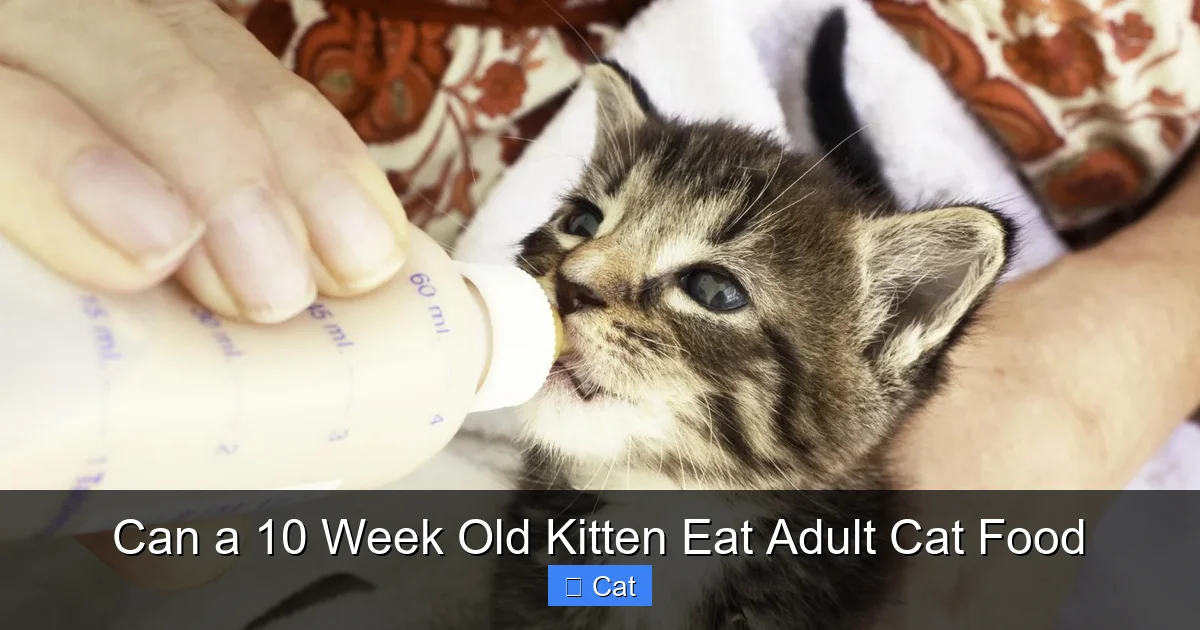
No, a 10 week old kitten should not eat adult cat food. Kittens have unique nutritional needs that adult formulas can’t meet, especially in protein, calories, and key vitamins. Feeding the right food now supports healthy growth, strong bones, and lifelong wellness.
Key Takeaways
- Kittens need more calories and protein: A 10 week old kitten requires up to 3 times more energy per pound than an adult cat, which adult food doesn’t provide.
- Adult cat food lacks essential nutrients: Key ingredients like taurine, DHA, and arachidonic acid are often insufficient in adult formulas for growing kittens.
- Digestive systems are still developing: Young kittens have sensitive stomachs and may struggle to digest the larger kibble and different ingredients in adult food.
- Long-term health risks: Feeding adult food long-term can lead to malnutrition, stunted growth, and developmental issues.
- Always choose kitten-specific food: Look for labels that say “complete and balanced for growth” or “for kittens” to ensure proper nutrition.
- Transition gradually if needed: If switching foods, do it slowly over 7–10 days to avoid digestive upset.
- Consult your vet: Your veterinarian can recommend the best diet based on your kitten’s breed, size, and health.
📑 Table of Contents
- Can a 10 Week Old Kitten Eat Adult Cat Food?
- Why Kittens Have Unique Nutritional Needs
- The Risks of Feeding Adult Cat Food to Kittens
- What Should a 10 Week Old Kitten Eat Instead?
- Signs Your Kitten Is Getting the Right Nutrition
- When to Consult Your Veterinarian
- Common Myths About Kitten Nutrition
- Conclusion
Can a 10 Week Old Kitten Eat Adult Cat Food?
Bringing home a 10 week old kitten is one of the most joyful experiences a pet parent can have. Those tiny paws, curious eyes, and playful antics make your heart melt. But with all that cuteness comes big responsibility—especially when it comes to feeding. One of the most common questions new kitten owners ask is: *Can a 10 week old kitten eat adult cat food?* The short answer is no—and here’s why.
At 10 weeks old, your kitten is still in a critical stage of rapid growth and development. Their tiny body is working overtime to build strong bones, develop a healthy immune system, and support brain and vision development. This means they need a diet specifically designed to meet these intense nutritional demands. Adult cat food, while fine for grown cats, simply doesn’t pack the punch a growing kitten needs. It’s like giving a toddler a senior citizen’s meal—it might fill them up, but it won’t fuel their growth.
Feeding adult food to a kitten can lead to serious health problems down the road. From poor coat quality to weakened immunity and even developmental delays, the consequences of improper nutrition at this age can be long-lasting. That’s why it’s so important to understand what your kitten truly needs and how to meet those needs safely and effectively.
Why Kittens Have Unique Nutritional Needs
Visual guide about Can a 10 Week Old Kitten Eat Adult Cat Food
Image source: i0.wp.com
Kittens aren’t just small versions of adult cats—they’re nutritional powerhouses in tiny bodies. From birth to about 12 months of age, kittens grow at an astonishing rate. In fact, they can gain up to 10 times their birth weight in just one year! This explosive growth requires a diet that’s rich in energy, protein, and essential nutrients.
Higher Caloric Needs
A 10 week old kitten needs about 2 to 3 times more calories per pound of body weight than an adult cat. This is because every system in their body—from muscles to brains to immune cells—is developing rapidly. Adult cat food is formulated for maintenance, not growth, so it simply doesn’t provide enough energy to keep up with a kitten’s needs. Feeding adult food could leave your kitten underfed, lethargic, and unable to play or explore like a healthy kitten should.
Protein and Amino Acids Are Critical
Protein is the building block of life, and for kittens, it’s especially vital. Kittens require high levels of high-quality animal protein to support muscle development, organ growth, and tissue repair. Adult cat food often contains lower protein levels and may rely more on plant-based proteins, which are less bioavailable for cats. Kittens also need specific amino acids like taurine, arginine, and methionine in higher amounts. Taurine, for example, is essential for heart function and vision—deficiencies can lead to blindness or heart disease.
Essential Fatty Acids for Brain and Vision
DHA (docosahexaenoic acid), an omega-3 fatty acid found in fish oil, is crucial for brain and retinal development in kittens. Studies show that kittens fed diets rich in DHA perform better in learning and memory tasks. Adult cat food typically doesn’t include enough DHA, which means your kitten could miss out on optimal cognitive development. Similarly, arachidonic acid, an omega-6 fatty acid, supports skin health and immune function—both of which are still maturing in young kittens.
Vitamins and Minerals for Strong Bones and Teeth
Calcium and phosphorus are vital for bone growth, and kittens need a precise balance of these minerals. Too much or too little can lead to skeletal deformities or weakened bones. Adult cat food isn’t formulated with this balance in mind. Additionally, vitamins like A, D, and E are needed in higher amounts during growth. Vitamin A supports vision and immune function, while vitamin D helps with calcium absorption. Adult formulas may not meet these elevated needs.
The Risks of Feeding Adult Cat Food to Kittens
While it might seem harmless to give your kitten a bite of your adult cat’s food, even occasional feeding can cause problems. Over time, the nutritional gaps in adult food can add up and lead to real health issues.
Malnutrition and Stunted Growth
One of the biggest risks of feeding adult food to a kitten is malnutrition. Because adult food lacks the calories, protein, and key nutrients kittens need, your little one may not grow at a healthy rate. You might notice they’re smaller than expected, less active, or have a dull coat. In severe cases, stunted growth can affect their overall size and lifespan.
Digestive Upset and Poor Absorption
Kittens have sensitive digestive systems that are still learning to process solid food. Adult cat food often contains larger kibble sizes and different fiber levels, which can be hard for a kitten to chew and digest. This can lead to vomiting, diarrhea, or constipation. Even if your kitten eats the food, they may not absorb nutrients efficiently, leading to deficiencies over time.
Weakened Immune System
A strong immune system is essential for protecting kittens from infections and diseases. Nutrients like zinc, selenium, and vitamin E play key roles in immune function. Adult cat food may not provide enough of these, leaving your kitten more vulnerable to illnesses like upper respiratory infections, which are common in young cats.
Long-Term Health Consequences
The effects of poor nutrition don’t always show up right away. Feeding adult food during the critical growth phase can lead to lifelong issues such as obesity (from overcompensating with larger portions), joint problems, or chronic digestive issues. In some cases, organ development may be impaired, affecting heart, liver, or kidney function later in life.
What Should a 10 Week Old Kitten Eat Instead?
Now that we’ve covered why adult food isn’t suitable, let’s talk about what your kitten *should* be eating. The best diet for a 10 week old kitten is one that’s specifically formulated for growth and development.
Choose Kitten-Specific Food
Look for cat food labeled “for kittens” or “complete and balanced for growth.” These products are designed to meet the nutritional standards set by organizations like the Association of American Feed Control Officials (AAFCO). They contain higher levels of protein, fat, calories, and essential nutrients tailored to a kitten’s needs.
Wet vs. Dry Food: What’s Best?
Both wet and dry kitten food can be part of a healthy diet, but many experts recommend wet food for young kittens. Wet food has higher moisture content, which helps keep kittens hydrated—especially important since kittens don’t always drink enough water on their own. It’s also softer and easier to chew, making it ideal for tiny teeth. That said, dry kibble can help with dental health and is convenient for free-feeding. A mix of both is often the best approach.
Feeding Schedule and Portion Control
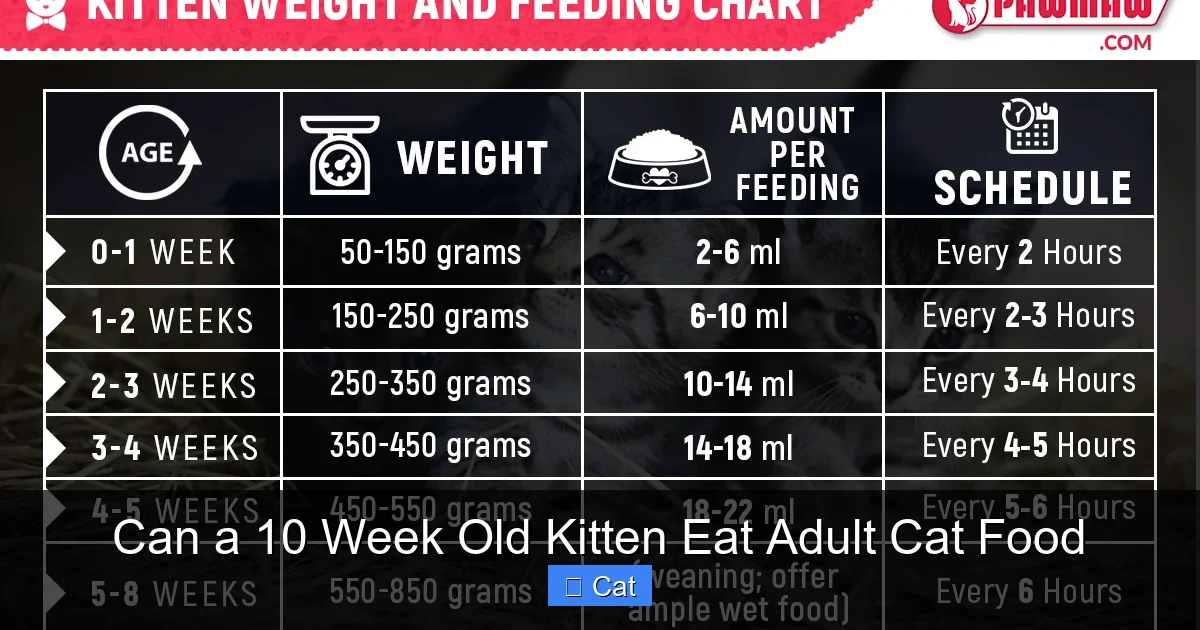
At 10 weeks old, kittens should be fed 4 to 6 small meals per day. Their stomachs are small, so they can’t eat large amounts at once. Follow the feeding guidelines on the food packaging, but adjust based on your kitten’s activity level and growth. Avoid overfeeding, as obesity can lead to health problems later.
Introducing New Foods Gradually
If you’re switching from one kitten food to another, do it slowly. Mix a small amount of the new food with the old, gradually increasing the ratio over 7 to 10 days. This helps prevent digestive upset and allows your kitten’s system to adjust.
Always Provide Fresh Water
Even if you’re feeding wet food, make sure your kitten has access to clean, fresh water at all times. Hydration is key to healthy digestion and kidney function.
Signs Your Kitten Is Getting the Right Nutrition
How do you know if your kitten is thriving on their diet? Look for these positive signs:
Healthy Weight Gain
A well-nourished kitten will gain weight steadily. You should be able to feel their ribs but not see them prominently. A vet can help you track growth and ensure your kitten is on the right path.
Bright Eyes and Shiny Coat
Good nutrition shows in your kitten’s appearance. Their eyes should be clear and bright, and their fur should be soft, smooth, and free of dandruff or bald patches.
High Energy and Playfulness
Healthy kittens are curious and active. They should enjoy playing, exploring, and interacting with you. Lethargy or lack of interest in play could be a sign of nutritional deficiency or illness.
Normal Digestion
Regular, well-formed stools and no vomiting or diarrhea are signs of a happy digestive system. If your kitten has frequent digestive issues, it may be time to reevaluate their diet.
Strong Teeth and Gums
Healthy gums should be pink, not red or swollen, and teeth should be clean and free of tartar. Good nutrition supports dental health from the start.
When to Consult Your Veterinarian
While choosing the right food is important, your veterinarian is your best partner in ensuring your kitten’s health. Schedule a check-up soon after bringing your kitten home, and bring up any concerns about diet, growth, or behavior.
Personalized Nutrition Advice
Your vet can recommend specific brands or formulas based on your kitten’s breed, size, and health status. For example, large breed kittens like Maine Coons may need different calcium levels to prevent joint issues.
Monitoring Growth and Development
Regular vet visits allow for tracking your kitten’s weight, body condition, and overall development. Your vet can catch potential problems early and adjust their diet if needed.
Dealing with Picky Eaters
Some kittens are picky about food texture or flavor. If your kitten refuses to eat, your vet can help rule out medical issues and suggest alternatives or supplements.
Vaccinations and Deworming
Proper nutrition supports a strong immune system, but it doesn’t replace vaccinations and parasite prevention. Make sure your kitten is up to date on shots and deworming treatments.
Common Myths About Kitten Nutrition
There are many misconceptions about feeding kittens, and it’s easy to get confused. Let’s clear up a few common myths.
Myth: “Kittens Can Eat Whatever Adult Cats Eat”
This is false. As we’ve discussed, kittens have unique needs that adult food can’t meet. Feeding adult food can lead to serious health issues.
Myth: “Milk Is Good for Kittens”
Most adult cats are lactose intolerant, and kittens lose the ability to digest milk after weaning. Cow’s milk can cause diarrhea and dehydration. If you want to give a treat, use specially formulated kitten milk replacer—not regular milk.
Myth: “More Food Means Faster Growth”
Overfeeding can lead to obesity and joint problems. Follow feeding guidelines and monitor your kitten’s body condition. Slow, steady growth is healthiest.
Myth: “Raw Diets Are Always Better”
While some owners prefer raw diets, they come with risks like bacterial contamination and nutritional imbalances. If you’re considering raw feeding, consult your vet first.
Conclusion
So, can a 10 week old kitten eat adult cat food? The answer is a clear and firm no. At this crucial stage of life, your kitten needs a diet rich in calories, protein, and essential nutrients to support their rapid growth and development. Adult cat food simply doesn’t provide what they need and can lead to malnutrition, digestive issues, and long-term health problems.
Instead, choose a high-quality kitten-specific food that’s labeled for growth. Feed small, frequent meals, provide plenty of fresh water, and monitor your kitten’s health closely. And don’t forget to partner with your veterinarian for personalized advice and regular check-ups.
Remember, the food you feed your kitten today lays the foundation for a long, healthy, and happy life. By making the right choices now, you’re giving your furry friend the best possible start. So skip the adult kibble, grab that kitten formula, and watch your little one thrive!
Frequently Asked Questions
Can I give my 10 week old kitten a little bit of adult cat food as a treat?
It’s best to avoid giving adult cat food to kittens, even as an occasional treat. The nutritional imbalance can add up over time and may upset their sensitive digestive system. Stick to kitten-safe treats instead.
How often should I feed my 10 week old kitten?
At 10 weeks old, kittens should be fed 4 to 6 small meals per day. Their tiny stomachs can’t handle large portions, so frequent feeding helps maintain energy and supports steady growth.
Is wet food better than dry food for kittens?
Wet food is often recommended for kittens because it’s easier to chew, has higher moisture content, and is more palatable. However, a mix of wet and dry food can provide the benefits of both.
What should I do if my kitten refuses to eat kitten food?
Try warming the food slightly or mixing it with a small amount of warm water to enhance the smell. If your kitten still refuses to eat, consult your vet to rule out health issues.
Can I make homemade food for my kitten?
Homemade diets can be risky unless carefully balanced by a veterinary nutritionist. Most homemade recipes lack essential nutrients, so it’s safer to use commercially prepared kitten food.
When can my kitten start eating adult cat food?
Most kittens can transition to adult food around 12 months of age, but this can vary by breed. Larger breeds may need kitten food longer. Always consult your vet before making the switch.