

Yes, a 3 month old puppy can and should eat dog food—but not just any kind. At this age, puppies need specially formulated puppy food that supports rapid growth, strong bones, and developing brains. Feeding adult dog food or low-quality kibble can lead to nutritional gaps and health problems.
Key Takeaways
- Yes, 3-month-old puppies can eat dog food: But only high-quality, AAFCO-approved puppy food designed for growth.
- Never feed adult dog food: It lacks the calories, protein, and nutrients puppies need for healthy development.
- Wet or dry food works: Both are fine, but many owners use a mix for taste and dental benefits.
- Feed 3–4 small meals daily: Puppies have small stomachs and high energy needs, so frequent feeding is essential.
- Always provide fresh water: Hydration is critical, especially when introducing solid food.
- Introduce food gradually: Switch from mother’s milk or formula slowly to avoid digestive upset.
- Consult your vet: Every puppy is different—your vet can recommend the best diet based on breed, size, and health.
📑 Table of Contents
- Can a 3 Month Old Puppy Eat Dog Food? The Short Answer
- Why Puppy Food Matters at 3 Months
- When to Start Feeding Solid Food to Puppies
- Wet vs. Dry Dog Food: Which Is Better for a 3-Month-Old Puppy?
- How Much Should a 3-Month-Old Puppy Eat?
- What to Look for in High-Quality Puppy Food
- Foods to Avoid Feeding a 3-Month-Old Puppy
- Common Feeding Mistakes to Avoid
- When to Consult Your Veterinarian
- Conclusion: Yes, But Choose Wisely
Can a 3 Month Old Puppy Eat Dog Food? The Short Answer
Yes, a 3 month old puppy can eat dog food—but not just any dog food. At three months old, your puppy is in a critical stage of growth and development. Their tiny body is working hard to build strong bones, develop a healthy immune system, and support rapid brain development. Because of this, they need a diet that’s rich in calories, protein, fat, and essential vitamins and minerals.
The key is choosing the right kind of dog food. Not all dog foods are created equal, and adult dog food simply won’t cut it for a growing pup. Puppies have different nutritional needs than adult dogs, and feeding them the wrong food can lead to serious health issues down the road.
So while the answer is “yes,” it comes with important caveats. You must feed your 3-month-old puppy a high-quality, AAFCO (Association of American Feed Control Officials) certified puppy food that’s specifically formulated for growth. This ensures they get the right balance of nutrients to thrive.
Why Puppy Food Matters at 3 Months
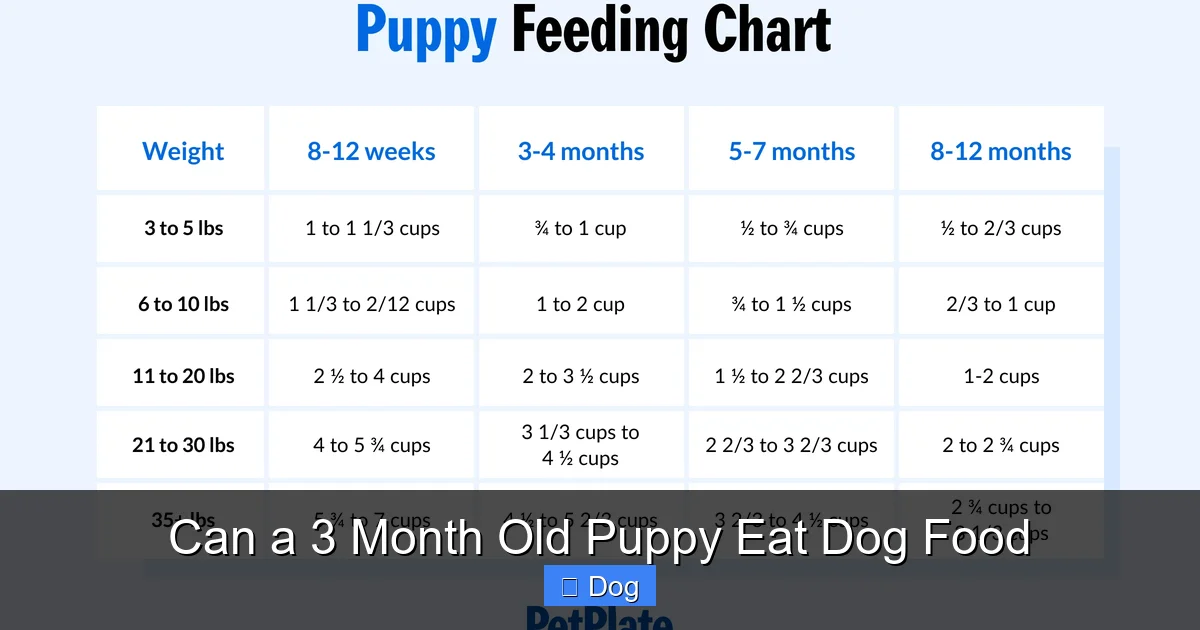
Visual guide about Can a 3 Month Old Puppy Eat Dog Food
Image source: origin-prod-wpengine.petplate.dev
At three months old, your puppy is still very young—equivalent to a toddler in human years. They’re transitioning from their mother’s milk (or a milk replacer if they were orphaned) to solid food, and this shift needs to happen carefully and with the right nutrition.
Puppy food is specially designed to meet the unique needs of growing dogs. It contains higher levels of protein and fat than adult dog food, which supports muscle development and energy needs. It’s also enriched with DHA (an omega-3 fatty acid) for brain and vision development, as well as calcium and phosphorus for strong bones and teeth.
Let’s break down why puppy food is so important at this age:
Higher Caloric Needs
Puppies burn energy fast. They’re constantly moving, playing, exploring, and growing. In fact, a 3-month-old puppy may need up to twice as many calories per pound of body weight as an adult dog. Puppy food is calorie-dense to meet these demands without overloading their small stomachs.
Protein for Growth
Protein is the building block of muscles, organs, and tissues. Puppy food typically contains 22–32% protein, compared to 18–25% in adult dog food. This higher protein level supports rapid growth and helps your puppy develop a strong, healthy body.
Healthy Fats for Energy and Coat
Fats provide concentrated energy and help absorb fat-soluble vitamins like A, D, E, and K. They also contribute to a shiny coat and healthy skin. Puppy food includes sources like chicken fat, fish oil, and flaxseed to support these needs.
Brain and Vision Development
DHA, found in fish oil and some egg products, is crucial for brain and eye development. Studies show that puppies fed DHA-enriched diets have better learning abilities and sharper vision. This is especially important during the first few months of life.
Bone and Joint Support
Large and giant breed puppies, in particular, need careful calcium and phosphorus balance to prevent developmental orthopedic diseases like hip dysplasia. Puppy food for large breeds is formulated with lower calcium levels to support steady, healthy growth.
When to Start Feeding Solid Food to Puppies
Most puppies begin the weaning process around 3 to 4 weeks of age. This is when they start to show interest in their mother’s food and begin lapping up softened kibble or gruel. By the time they’re 6 to 8 weeks old, they should be fully weaned and eating solid food.
At 3 months old, your puppy should already be eating solid food regularly. If you’ve just brought your puppy home at this age, they’re likely already on a puppy food diet. However, it’s important to continue feeding the same food they were eating before to avoid digestive upset.
How to Transition to a New Food
If you want to switch your puppy to a different brand or type of food, do it gradually over 7 to 10 days. Start by mixing 25% new food with 75% old food for a few days, then increase the ratio to 50/50, then 75/25, and finally 100% new food. This slow transition helps prevent diarrhea, vomiting, or loss of appetite.
For example:
– Days 1–2: 25% new food, 75% old food
– Days 3–4: 50% new food, 50% old food
– Days 5–6: 75% new food, 25% old food
– Day 7+: 100% new food
Always monitor your puppy during the transition. If they show signs of digestive distress—like loose stools, vomiting, or lethargy—slow down the process or consult your vet.
Wet vs. Dry Dog Food: Which Is Better for a 3-Month-Old Puppy?
One of the most common questions new puppy owners ask is whether to feed wet or dry food. The good news is, both can be part of a healthy diet for a 3-month-old puppy. The choice often comes down to preference, convenience, and your puppy’s individual needs.
Dry Food (Kibble)
Dry food is convenient, cost-effective, and helps promote dental health by reducing plaque buildup. Many puppy kibbles are designed to be small and soft enough for tiny mouths to chew. Look for kibble labeled “small breed puppy” or “mini puppy” if your dog is a small breed.
Pros of dry food:
– Easy to store and measure
– Helps clean teeth
– Often more affordable
– Can be left out for free-feeding (though not recommended for most puppies)
Cons of dry food:
– Some puppies find it hard to chew
– Lower moisture content (can be a concern if your puppy doesn’t drink enough water)
Wet Food (Canned or Pouched)
Wet food has a higher moisture content, which can help keep your puppy hydrated. It’s also more palatable, making it a great option for picky eaters or puppies who are reluctant to eat dry kibble.
Pros of wet food:
– High moisture content (up to 80%)
– More flavorful and aromatic
– Easier for puppies to chew and digest
– Can encourage eating in underweight or sick puppies
Cons of wet food:
– More expensive per serving
– Shorter shelf life after opening
– Can contribute to dental issues if not balanced with dry food
Combination Feeding: The Best of Both Worlds
Many puppy owners choose to feed a mix of wet and dry food. For example, you might serve dry kibble in the morning and add a spoonful of wet food on top for flavor and moisture. This approach gives your puppy the dental benefits of kibble and the hydration and taste appeal of wet food.
Just be sure to adjust portion sizes so your puppy isn’t overeating. For instance, if you’re adding wet food, reduce the amount of dry food slightly to maintain the correct calorie intake.
How Much Should a 3-Month-Old Puppy Eat?
Feeding the right amount is just as important as feeding the right food. Overfeeding can lead to obesity and joint problems, while underfeeding can stunt growth and weaken the immune system.
The exact amount your puppy needs depends on their breed, size, and activity level. Always check the feeding guidelines on the dog food packaging—they usually provide a chart based on weight and age.
General Feeding Guidelines for 3-Month-Old Puppies
Most 3-month-old puppies should eat 3 to 4 small meals per day. Their stomachs are small, so they can’t handle large meals. Frequent feeding helps maintain steady energy levels and supports digestion.
Here’s a rough estimate based on weight:
– Small breeds (under 20 lbs adult weight): ½ to 1 cup per day, divided into 3–4 meals
– Medium breeds (20–50 lbs adult weight): 1 to 1½ cups per day, divided into 3–4 meals
– Large breeds (50–90 lbs adult weight): 1½ to 2½ cups per day, divided into 3–4 meals
– Giant breeds (over 90 lbs adult weight): 2½ to 4+ cups per day, divided into 3–4 meals
These are general guidelines. Always follow the recommendations on your specific dog food brand and adjust based on your puppy’s body condition. A healthy puppy should have a visible waist when viewed from above and you should be able to feel their ribs without seeing them.
Signs You’re Feeding Too Much or Too Little
– Overfeeding: Your puppy looks round, has difficulty feeling ribs, or gains weight rapidly. This can lead to joint stress and obesity.
– Underfeeding: Your puppy is lethargic, has visible ribs, or isn’t gaining weight as expected.
If you’re unsure, ask your vet to assess your puppy’s body condition score (BCS). They can help you fine-tune portion sizes and feeding frequency.
What to Look for in High-Quality Puppy Food
Not all puppy foods are created equal. With so many brands on the market, it’s important to know how to read labels and choose a product that truly supports your puppy’s health.
AAFCO Statement
Look for a label that says the food meets AAFCO nutrient profiles for “growth” or “all life stages.” This means the food has been tested and proven to provide complete and balanced nutrition for puppies.
Avoid foods that only say “formulated to meet AAFCO standards” without feeding trials—this means the nutrition hasn’t been tested in real dogs.
High-Quality Protein Sources
The first ingredient should be a named animal protein, like “chicken,” “lamb,” or “salmon”—not “meat meal” or “by-products.” Whole meats provide better amino acid profiles for muscle development.
Healthy Fats and Oils
Look for sources like chicken fat, fish oil, flaxseed, or canola oil. These provide essential fatty acids for skin, coat, and brain health.
Carbohydrates in Moderation
Puppies don’t need a lot of carbs, but some are fine. Look for digestible sources like sweet potatoes, brown rice, or oats. Avoid fillers like corn, soy, or wheat, which offer little nutritional value and can cause allergies.
No Artificial Additives
Avoid foods with artificial colors, flavors, or preservatives like BHA, BHT, or ethoxyquin. Natural preservatives like mixed tocopherols (vitamin E) are safer and healthier.
Breed-Specific Formulas
Some brands offer formulas tailored to small, medium, large, or giant breeds. These account for differences in growth rates, metabolism, and joint health. For example, large breed puppy food has controlled calcium to prevent rapid bone growth.
Foods to Avoid Feeding a 3-Month-Old Puppy
While puppy food is safe and necessary, there are many human foods and dog food types that should be avoided at this age.
Adult Dog Food
As mentioned earlier, adult dog food doesn’t provide enough calories, protein, or nutrients for a growing puppy. Feeding it regularly can lead to malnutrition and developmental issues.
Raw Diets (Without Vet Supervision)
Raw diets can be risky for puppies due to the potential for bacterial contamination (like Salmonella or E. coli) and nutritional imbalances. If you’re interested in raw feeding, consult your vet and a veterinary nutritionist first.
Toxic Human Foods
Never feed your puppy:
– Chocolate
– Grapes or raisins
– Onions or garlic
– Xylitol (found in sugar-free gum and candy)
– Alcohol or caffeine
– Bones (especially cooked, which can splinter)
These can cause serious illness or even death.
Low-Quality or “Gimmick” Foods
Avoid foods with vague ingredients like “animal by-products,” “meat meal,” or “digest.” These are often low-quality protein sources. Also, be cautious of grain-free diets unless recommended by a vet—recent studies have linked them to heart disease in dogs.
Common Feeding Mistakes to Avoid
Even with the best intentions, new puppy owners can make feeding mistakes that affect their pup’s health.
Free-Feeding (Leaving Food Out All Day)
While convenient, free-feeding can lead to overeating, obesity, and poor eating habits. Most puppies do better with scheduled meals.
Skipping Meals or Inconsistent Schedules
Puppies thrive on routine. Skipping meals or feeding at random times can cause digestive upset and low energy.
Over-Treating
Treats should make up no more than 10% of your puppy’s daily calorie intake. Over-treating can lead to weight gain and nutritional imbalances.
Ignoring Water Needs
Always provide fresh, clean water. Puppies can dehydrate quickly, especially when eating dry food.
Not Adjusting Portions as They Grow
Your puppy’s appetite will change rapidly. What worked at 3 months may be too much or too little at 4 or 5 months. Regularly reassess portion sizes.
When to Consult Your Veterinarian
While most puppies do well on commercial puppy food, some may have special needs. Always consult your vet if:
– Your puppy isn’t gaining weight
– They have chronic diarrhea, vomiting, or constipation
– They show signs of food allergies (itching, ear infections, digestive issues)
– You’re considering a homemade or raw diet
– Your puppy is a giant breed and you’re concerned about growth rate
Your vet can perform a physical exam, recommend a diet, and help you create a feeding plan tailored to your puppy’s needs.
Conclusion: Yes, But Choose Wisely
So, can a 3 month old puppy eat dog food? Absolutely—but only the right kind. At this crucial stage of life, your puppy needs a high-quality, AAFCO-approved puppy food that supports their rapid growth, high energy needs, and developing body systems.
Avoid adult dog food, low-quality kibble, and harmful human foods. Instead, choose a balanced diet rich in protein, healthy fats, and essential nutrients. Whether you go with wet, dry, or a combination, make sure it’s formulated specifically for puppies.
Feed 3 to 4 small meals a day, provide plenty of fresh water, and monitor your puppy’s weight and behavior. And when in doubt, always consult your veterinarian.
With the right nutrition, your 3-month-old puppy will grow into a healthy, happy, and energetic adult dog. Start strong, and you’ll set the foundation for a lifetime of good health.
Frequently Asked Questions
Can I feed my 3-month-old puppy adult dog food in a pinch?
It’s not recommended, even temporarily. Adult dog food lacks the calories, protein, and nutrients puppies need for growth. If you’re out of puppy food, contact your vet or a pet store for advice—don’t substitute with adult food.
How often should I feed my 3-month-old puppy?
Most 3-month-old puppies should eat 3 to 4 small meals per day. This supports their high energy needs and prevents overloading their small stomachs.
Is it okay to mix wet and dry food for my puppy?
Yes! Many owners mix wet and dry food to add flavor and moisture. Just adjust portion sizes to avoid overfeeding and ensure balanced nutrition.
Can I give my puppy human food as treats?
Some human foods are safe in small amounts (like plain cooked chicken or carrots), but avoid anything toxic like chocolate, grapes, or onions. Stick to puppy-safe treats for safety.
How do I know if my puppy is getting enough food?
Your puppy should have a visible waist, you should be able to feel their ribs, and they should be gaining weight steadily. If they’re lethargic or not growing, consult your vet.
When can I switch my puppy to adult dog food?
Most puppies can switch to adult food between 12 and 18 months of age, depending on breed size. Small breeds may switch earlier; large and giant breeds may need puppy food longer. Always consult your vet before switching.